




Cinnamon
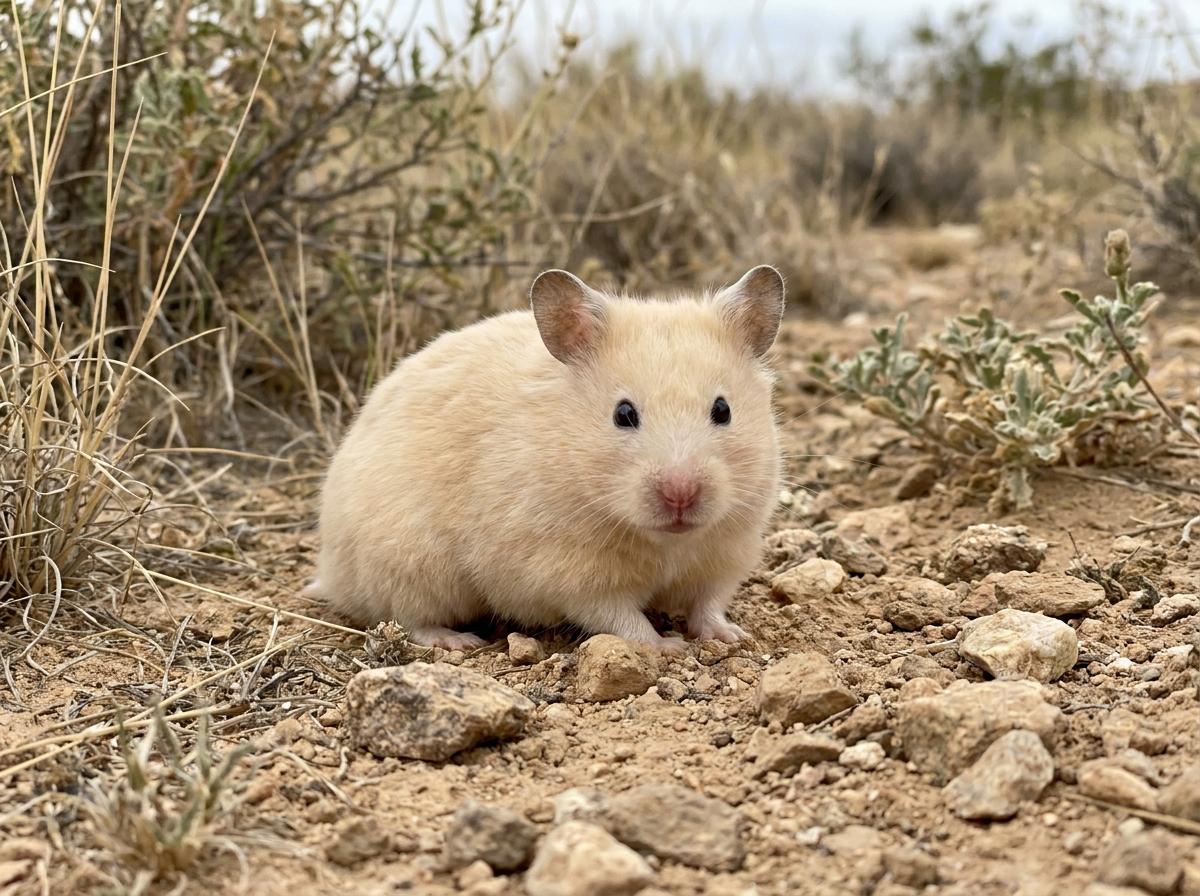
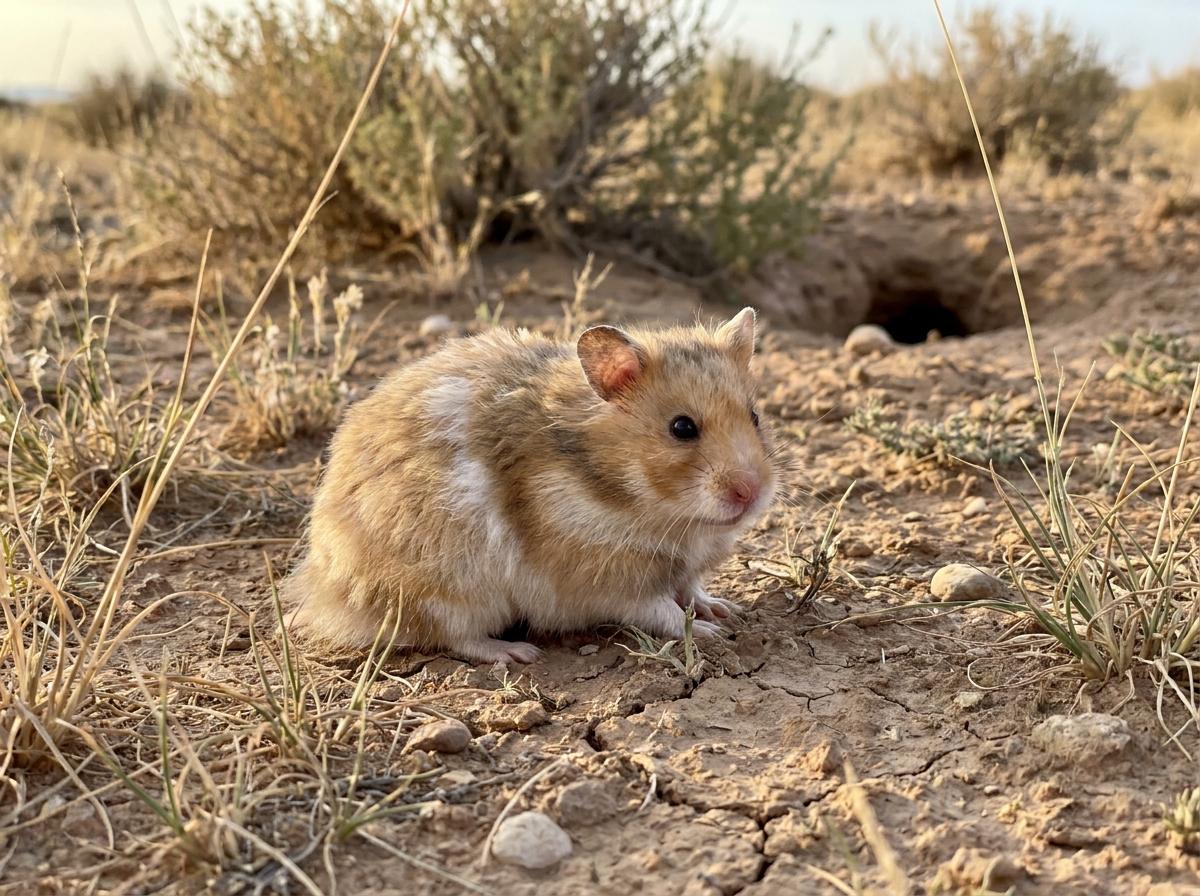
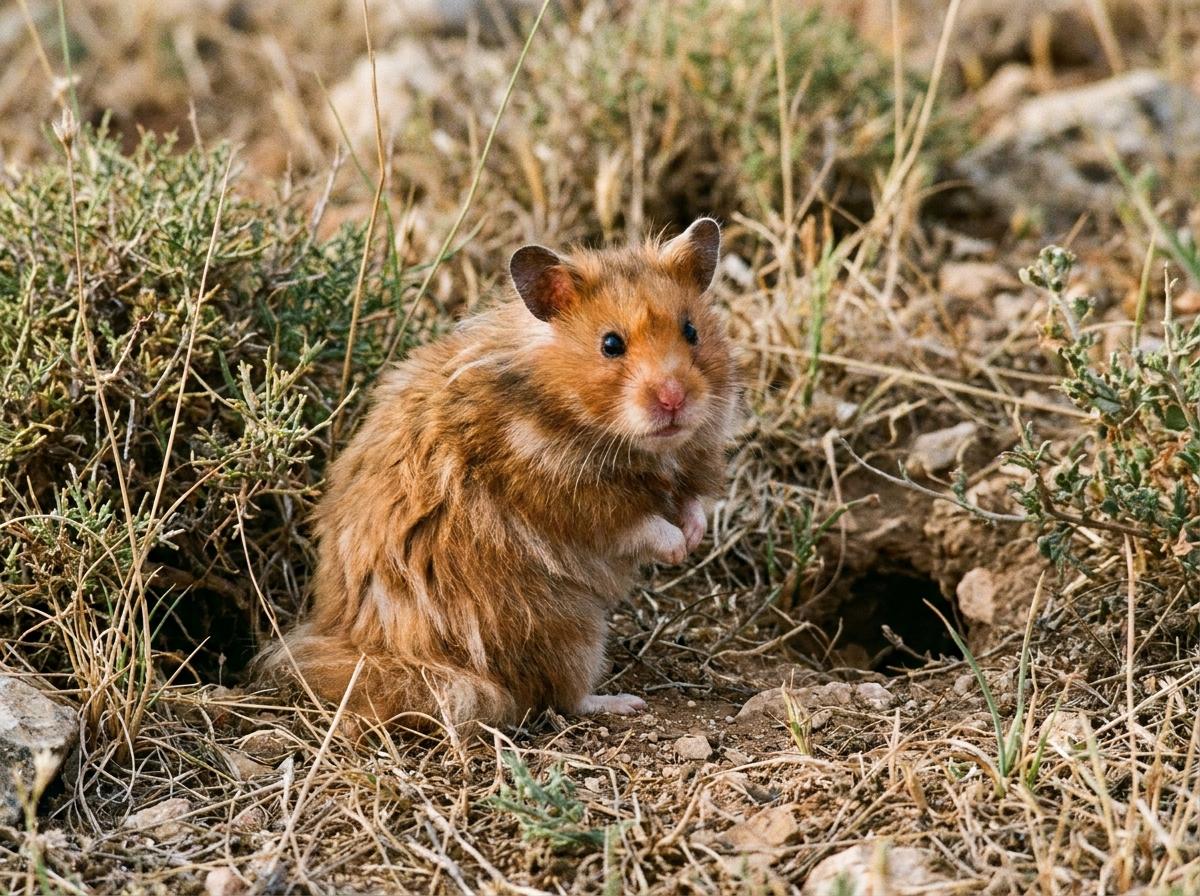
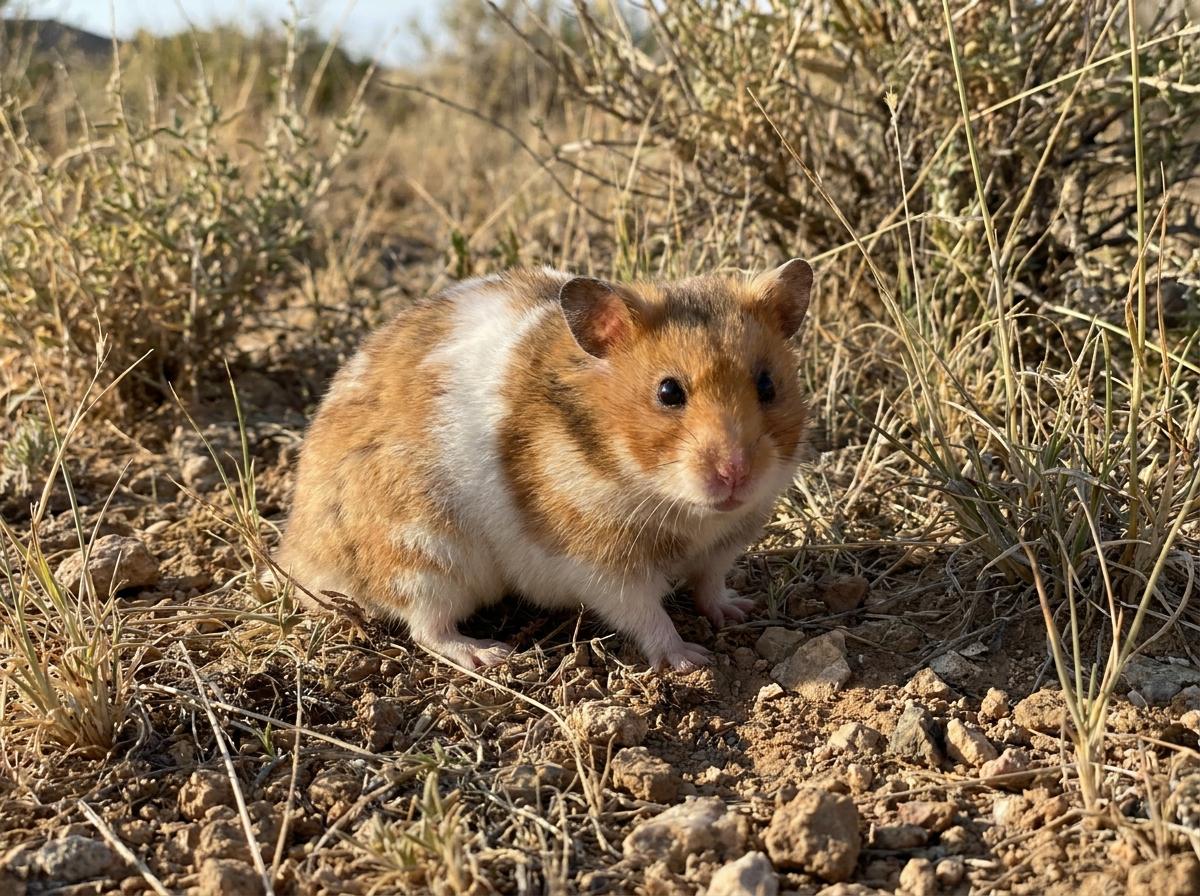
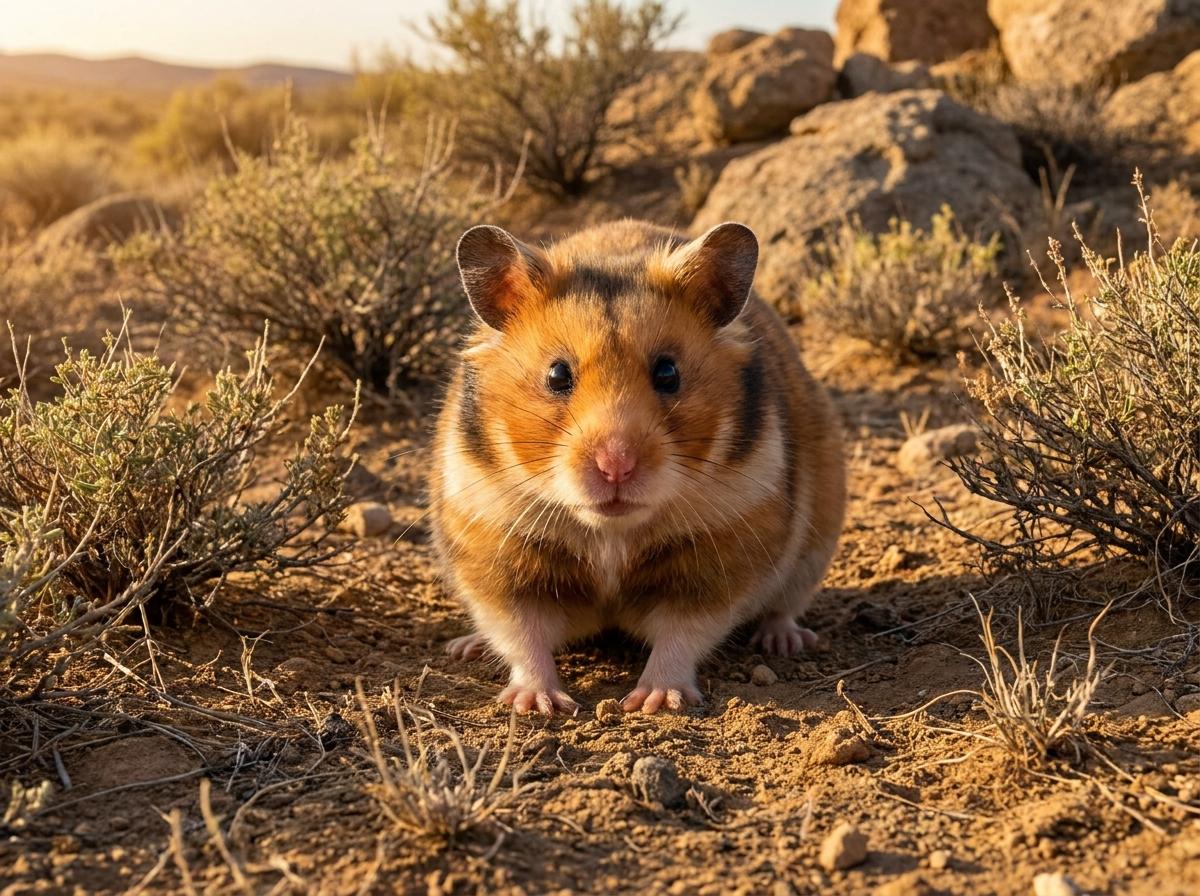
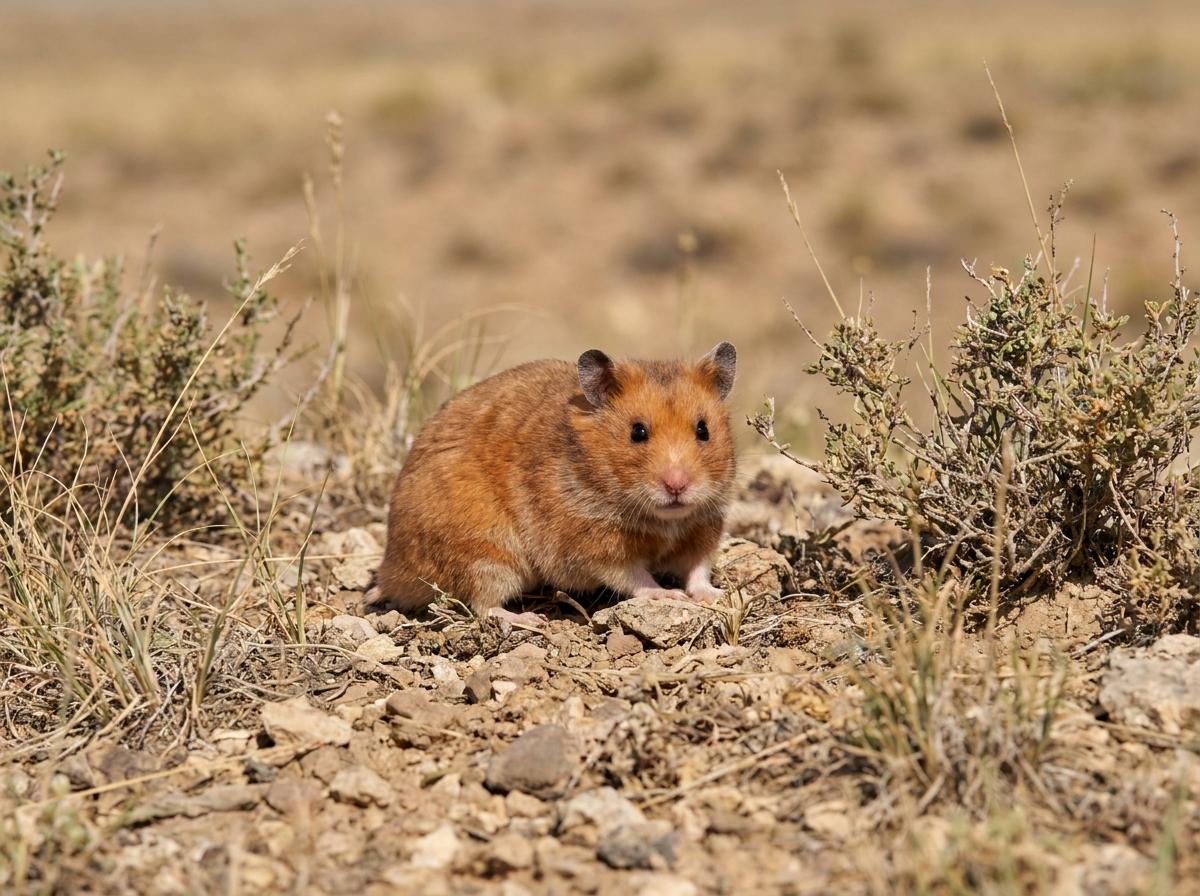
A cinnamon hamster is a color variety of the Syrian hamster (Mesocricetus auratus), the large, solitary hamster most people picture when they think “hamster.” Instead of the wild golden coat with its black markings and black eyes, a cinnamon Syrian has a warm russet ginger-orange coat, a pale ivory belly, and red eyes. It is the same animal as a “golden,” “teddy bear,” or “fancy” hamster, just carrying a single recessive gene that shifts the coat to orange and the eyes to red. The color changes how the hamster looks. It changes nothing about how you house, feed, or care for it.
If you have been searching “cinnamon Syrian hamster” while deciding whether to bring one home, this page covers what the cinnamon coat actually is, the simple genetics behind it, how to tell cinnamon apart from the golden (agouti) and rust varieties it is most often confused with, and then the full Syrian care that applies to every one of them: enclosure size, bedding, diet, handling, lifespan, and the health problems to watch for. For the broader background on the species, see the Syrian hamster species page.

Browse listings, public profiles, breeders, or add your animal.
What a cinnamon Syrian hamster actually is
The Syrian hamster is the large, stocky hamster kept as a common pet, native to a small, arid region on the Syria and Turkey border and first described scientifically in 1839 from a specimen collected near Aleppo. The wild and standard pet color is golden agouti: a warm reddish-brown coat with banded (ticked) hairs, a pale belly, dark cheek flashes, and black eyes. The Latin species name auratus means “golden,” after that wild coat.
A cinnamon Syrian is the same species carrying one recessive gene that changes the color. That gene is the pink-eyed dilution, written pp, and it does two visible things at once. It turns the black pigment in the coat to red, so the mahogany-and-black golden becomes a warm russet orange. And it lightens the eye from black to red. The National Hamster Council, the UK body that maintains Syrian exhibition standards, describes the cinnamon coat as a rich russet orange topcoat carried about a third of the way down each hair, over a slate-blue base, with a creamy ivory belly, ivory crescents on the face, brown cheek flashes, and bright claret-red eyes with flesh-brown ears.
The important point is that cinnamon is still an agouti variety, not a solid or “self” color. It keeps the underlying banded coat structure of the golden. It has just had the black swapped for red and the eyes lightened. That is why a good cinnamon looks like a golden hamster reimagined in ginger and orange rather than like a plain, single-tone pale hamster.
Everything else is standard Syrian. Cinnamon hamsters are the largest of the commonly kept pet hamsters, they are strictly solitary, and they are most active in the evening and overnight. The color is a cosmetic difference, not a different kind of animal.
Cinnamon is not golden, and it is not rust
Cinnamon gets confused most often with the golden (agouti) it comes from and with rust, another warm-toned agouti variety. These three look related because they are, but the differences are consistent and easy to check once you know them.
- Cinnamon versus golden (agouti). Golden is the wild type: a rich mahogany-red coat, heavy black ticking, a slate-grey base, black cheek flashes, dark near-black ears, and black eyes. Cinnamon is the same coat with the black turned to red: a warmer orange-ginger tone, brown cheek flashes instead of black, flesh-brown ears, and red eyes instead of black. The eye color is the quickest tell. A golden has black eyes, a cinnamon has red eyes.
- Cinnamon versus rust (also called guinea gold). Rust is a separate agouti variety, genotype
bb, with a rich orange-brown coat over a brownish-grey base, deep rust-brown cheek flashes, and eyes that are a very dark brown that reads as almost black. Cinnamon and rust can both look “orange” in a photo, but the eye color separates them cleanly: cinnamon has clearly red eyes, while rust has very dark, near-black eyes. Rust also tends to a browner, less clean orange than cinnamon’s russet ginger.
If a seller’s color label and the animal in front of you do not quite match, that is not necessarily dishonesty. Warm-toned Syrian colors genuinely look alike under different lighting, and many sellers describe by eye rather than by genotype. When in doubt, look at the eyes.

The cinnamon coat and its genetics
The cinnamon coat is recessive, which means a hamster needs to inherit the pink-eyed dilution gene (p) from both parents to show the color. A hamster carrying only one copy looks like another color, usually golden, but can pass cinnamon on to its offspring. This is why two golden-looking parents can produce cinnamon pups: both were carrying a hidden copy of the gene.
Genetically, cinnamon sits at what breeders call the P locus. The normal, dominant form (P) gives dark pigment and black eyes; the recessive cinnamon form (pp) dilutes that pigment, turning black to red in the coat and lightening the eyes to claret red. Because pp acts on the golden agouti base rather than removing the agouti pattern, the result keeps the banded coat and the face crescents of a golden, just recolored. That is the whole mutation: a single gene, one clean visual shift from mahogany-and-black to russet-orange-and-red.
Cinnamon is one of the older and more common Syrian color varieties. It is generally reported to have appeared around 1958, and it has been a recognized pet and show color ever since. As with most hamster color histories, treat the exact date as reported rather than firmly established. What matters for a buyer is that cinnamon is a long-standing, recognized Syrian variety, not a novelty or a separate breed.
Two practical notes come out of the genetics. First, because cinnamon is recessive, you cannot tell whether a golden-colored hamster carries it just by looking. Only its pedigree or its pups reveal that. Second, cinnamon combines with other genes to make further recognized varieties (for example, pairing the cinnamon gene with the cream gene produces the red-eyed cream). None of this changes how you care for the animal. It only changes the name on a show card and what a breeder can predict from a given pairing.
Size, weight, and lifespan
Syrian hamsters, cinnamon included, are the largest hamster kept as a common pet. Adults reach roughly 5 to 7 inches (about 13 to 18 cm) in body length and typically weigh around 100 to 200 g. Per the Merck Veterinary Manual, breeding females are larger than mature males, so a female cinnamon Syrian will often be the bigger of the two sexes.
For lifespan, plan on about 2 to 3 years. The PDSA gives two to three years as typical for hamsters, and Syrians tend to live longer than the smaller dwarf species. The RSPCA is more conservative and says hamsters usually live up to two years, with some living longer. Either way, this is a short-lived pet, which is worth knowing before children get attached. You will not find a credible source promising four or more years, so be skeptical of any seller who claims it.
Temperament and behavior
Syrian hamsters are solitary by nature, and this is the single most important behavior fact for a new owner. Both the RSPCA and the PDSA are clear that Syrians must live alone. They do not get lonely, they do not need a companion, and two Syrians housed together will fight, often seriously. Never buy a pair “so they have a friend.” One hamster, one enclosure.
They are nocturnal. The Merck Veterinary Manual describes hamsters as most active in the evening and at night and asleep during the day. You will see the most activity after dark. If you want a pet to interact with in the middle of the afternoon, a hamster is a poor match. Plan handling and play for the evening, and do not wake a sleeping hamster suddenly, which can lead to a startled nip.
With patient, gentle, regular handling, Syrians become genuinely tame, and they are often recommended as a good first hamster because of their size and relatively calm disposition. The coat color has no bearing on temperament. A cinnamon Syrian is not naturally tamer or wilder than a golden one. Any claim that a particular color is “friendlier” is marketing, not biology.
One charming trait worth recognizing: the cheek pouches. Per Merck, hamsters have large cheek pouches that open inside the lips and extend back past the shoulders, and when filled with food they can more than double the apparent width of the head and shoulders. A cinnamon hamster stuffing its pouches to carry food back to its burrow is normal hoarding behavior, not a medical problem.
Full care guide
The cinnamon coat does not change the care. What follows is the standard, welfare-organization-aligned setup for any Syrian hamster.
Enclosure and cage size
Floor space is where most pet-store starter cages fall short. Welfare guidance has moved well past the small cages that used to be sold as adequate. The PDSA, following the German veterinary welfare association standard, recommends a minimum cage size of 100 x 50 cm, which is about 5,000 cm2 or roughly 775 square inches of unbroken floor space. Treat that as a floor, not a target. Many experienced keepers aim higher where space allows.
Prioritize continuous floor area over height and over tubes or multiple levels. A large single-level enclosure, often a big glass tank or a bin-style setup, gives a Syrian room to roam and deep bedding to burrow in. Avoid cramped, multi-room plastic cages that look fun but offer little real running space.
Bedding and burrowing
Hamsters burrow, and they need depth to do it. The PDSA recommends a bedding layer of no less than 25 cm (about 10 inches) so the hamster can dig and tunnel. That depth is one of the main reasons a large enclosure matters: a small cage simply cannot hold enough substrate.
Bedding safety matters as much as depth. Use paper-based bedding (unscented, ink-free) or aspen shavings, both of which are widely considered safe. Avoid pine and especially cedar shavings. The aromatic oils in cedar and non-kiln-dried pine are linked to respiratory and liver problems in small animals, and cedar is the worse of the two. When in doubt, choose plain paper bedding.
Wheel and enrichment
A Syrian needs a wheel large enough to run without arching its back, which can cause spinal problems over time. The PDSA recommends at least 30 cm (about 12 inches) for a Syrian hamster, with a solid running surface rather than wire rungs, which can catch and injure feet and toes.
Beyond the wheel, enrich the enclosure with hides, chew items to keep the continuously growing teeth in check, tunnels, a sand bath for grooming, and scatter-fed food to encourage natural foraging. Rotating a few items keeps things interesting. Hamsters are intelligent foragers, and a barren cage leads to boredom behaviors such as bar-chewing.

Diet
Syrian hamsters are omnivores. Build the diet around a good commercial hamster mix or pellets, which provide the nutritional base, and supplement with small amounts of fresh vegetables, fruit, and herbs. The PDSA also notes some Timothy hay is a useful addition. Keep fresh treats small and occasional, since too much sugary fruit and veg contributes to obesity.
Some foods are genuinely dangerous and should never be offered:
- Chocolate (toxic to rodents)
- Onion and garlic (can damage red blood cells)
- Citrus fruit (highly acidic, hard on the cheek pouches)
- Rhubarb and grapes (the RSPCA flags both as harmful to small pets)
- Apple seeds and other fruit pits, raw kidney beans, and raw potato
Provide clean fresh water at all times, usually from a bottle, and remove perishable fresh food before it spoils. Watch for hoarded fresh food going off in a burrow corner.
Handling
Let a new hamster settle for several days before handling. Then build trust gradually: hand-feed, let it climb onto your open palm in its own time, and keep early sessions short and low to a soft surface in case of a jump or fall. Handle in the evening when the hamster is naturally awake, and never grab a sleeping hamster, which invites a defensive bite. Wash your hands first so they do not smell like food. With consistency, most Syrians, cinnamons included, become confident and easy to handle.

Health and common problems
Hamsters are hardy but short-lived, and a few specific problems are worth knowing so you can act fast.
Wet tail. This is the one true emergency. Wet tail (proliferative ileitis) is a serious bacterial intestinal disease. Per Merck, it is most likely to strike hamsters stressed by transport, overcrowding, illness, surgery, or a sudden diet change, which is why newly bought young hamsters are at higher risk. It progresses rapidly and many affected hamsters die. Signs include a wet, soiled rear end, diarrhea, lethargy, and loss of appetite. If you see these, treat it as a same-day veterinary emergency. Do not wait.
Overgrown teeth. Hamster incisors grow continuously for life. Per Merck, overgrown teeth can cause drooling, loss of appetite, and weight loss, and may need veterinary trimming. Provide safe chew items, and if your hamster stops eating or drools, have the teeth checked.
Tumors. Tumors become more common in older hamsters. The PDSA notes many hamster tumors are benign, but the Merck Veterinary Manual notes that lymphoma can occur in older hamsters, so any new lump deserves a vet visit rather than a wait-and-see.
Obesity. Driven mainly by overfeeding sugary treats and too little space to move. The large enclosure and proper wheel above are part of the prevention, not just enrichment.
For any of these, an exotics-savvy or small-animal veterinarian is the right call. Hamsters hide illness well and decline fast, so early action matters more than with larger pets. This page is general information, not veterinary advice. Defer all medical decisions to a veterinarian who can see the animal.
Where to get a cinnamon Syrian hamster, and what it costs
Cinnamon Syrians turn up at general pet stores, at small specialist hamster breeders, and in rescues, where surrendered hamsters of every color are common and often overlooked. A rescue or rehome is worth considering first, both because hamsters are frequently given up and because an adult hamster’s temperament is already known.
On price, the everyday cost of a pet Syrian hamster is usually modest, often in the low tens of dollars in the United States, though it varies widely by retailer and region, and a sought-after color may sit a little higher. The larger expense is the setup. A proper modern enclosure, deep bedding, a large wheel, hides, and starter supplies cost considerably more than the animal itself, and a big glass enclosure pushes that higher. Treat any single price you see as approximate; it varies by region, retailer, and how large an enclosure you choose. We would rather tell you the shape of the cost honestly than invent a precise figure. For a fuller breakdown, see the guide to how much Syrian hamsters cost.
Buying considerations
A few things to check before you commit:
- Buy the enclosure first. The most common new-owner mistake is buying the hamster, then discovering the starter cage that came with it is far too small. Size the enclosure to the 100 x 50 cm minimum before bringing the animal home.
- One hamster only. If a seller suggests a pair of Syrians, that is a red flag for their husbandry knowledge. Syrians live alone.
- Confirm the color honestly. Because cinnamon, golden, and rust look alike, ask the seller what they are basing the color label on. Check the eyes yourself: a red eye points to cinnamon, a black eye to golden, and a very dark near-black eye to rust. A breeder who tracks genetics can tell you the genotype; a pet store usually cannot, which is fine as long as nobody is overselling rarity.
- Sexing and accidental litters. Syrians can reach sexual maturity as early as 4 to 6 weeks, so mixed-sex housing at a store can produce a pregnant female sold as a single hamster. If you want to avoid surprises, ask, and source from someone who separates by sex early.
- Health check. Look for clear eyes, a clean dry rear (no sign of wet tail), an alert response when gently roused in the evening, and a full, even coat.
You can browse cinnamon Syrian hamster listings on the Creatures marketplace and look for breeders and rescues in the Creatures directory. If nothing matches today, a saved search (below) is the most practical way to catch one when it is listed.
Cinnamon and other color varieties
A cinnamon Syrian is one of many color varieties people compare before choosing, and the same care applies across all of them. If you are weighing coat colors, it is worth reading about the black Syrian hamster, the cream Syrian hamster, and the long-haired Syrian hamster too. The same warm, red-eyed pattern shows up in other small pets as well, such as the beige chinchilla, another popular pink-eyed dilution color. Whatever you choose, the housing, records, and marketplace tools below work the same way across small pets.
Frequently asked questions
Is a cinnamon hamster a different species or breed?
No. A cinnamon hamster is a color variety of the Syrian hamster (Mesocricetus auratus), the same species as a golden Syrian. The care is identical. Only the coat and eye color differ.
What is the difference between cinnamon and golden?
Golden (agouti) is the wild type: mahogany-red with black ticking, black cheek flashes, and black eyes. Cinnamon is that same coat with the black turned to red by the pink-eyed dilution gene, giving a russet ginger-orange coat, brown cheek flashes, flesh-brown ears, and red eyes. The eye color is the quickest tell: golden eyes are black, cinnamon eyes are red.
How do I tell cinnamon from rust?
Both are warm agouti colors and can look orange in a photo. The eyes separate them: cinnamon has clearly red eyes, while rust has very dark, almost black eyes. Rust also tends to a browner orange over a brownish-grey base, versus cinnamon’s cleaner russet ginger over a slate-blue base.
What is the genotype of a cinnamon Syrian hamster?
Cinnamon is recessive, genotype pp, the pink-eyed dilution acting on the golden agouti base. A hamster needs two copies of the gene to show the color, which is why two golden-looking carriers can produce cinnamon pups.
How long do cinnamon Syrian hamsters live?
Typically 2 to 3 years, the same as any other Syrian hamster. Be skeptical of claims of four or more years.
Can cinnamon Syrian hamsters live together?
No. Syrian hamsters are solitary and must be housed alone. Two Syrians together will fight. Keep one hamster per enclosure.
Are cinnamon Syrian hamsters good for beginners?
Yes. Syrians are often recommended as a first hamster because of their size and calm nature, and a cinnamon one is no different in temperament. Just be ready to provide a large enclosure (at least 100 x 50 cm) with deep bedding and a 30 cm wheel.
Do this next on Creatures
Whether you are researching the cinnamon Syrian, looking for one to bring home, or already keeping one, Creatures is the records, marketplace, and directory layer to do it in one place.
This guide is general information, not veterinary advice. For any health concern, including suspected wet tail, contact a small-animal or exotics veterinarian promptly.
Sources: National Hamster Council UK Syrian exhibition standards (cinnamon, golden, and rust coat, eye, ear, and base-color standards and the pp genotype), published hamster coat-genetics references (cinnamon as the pink-eyed dilution acting on golden agouti, black-to-red pigment shift, approximate 1958 first appearance), PDSA (cage size, bedding depth, wheel size, diet, lifespan), RSPCA (solitary housing, nocturnal behavior, harmful foods, lifespan), and the Merck Veterinary Manual (size differences, cheek pouches, nocturnal behavior, wet tail, dental overgrowth, lymphoma).