White-Tailed Deer
Odocoileus virginianus
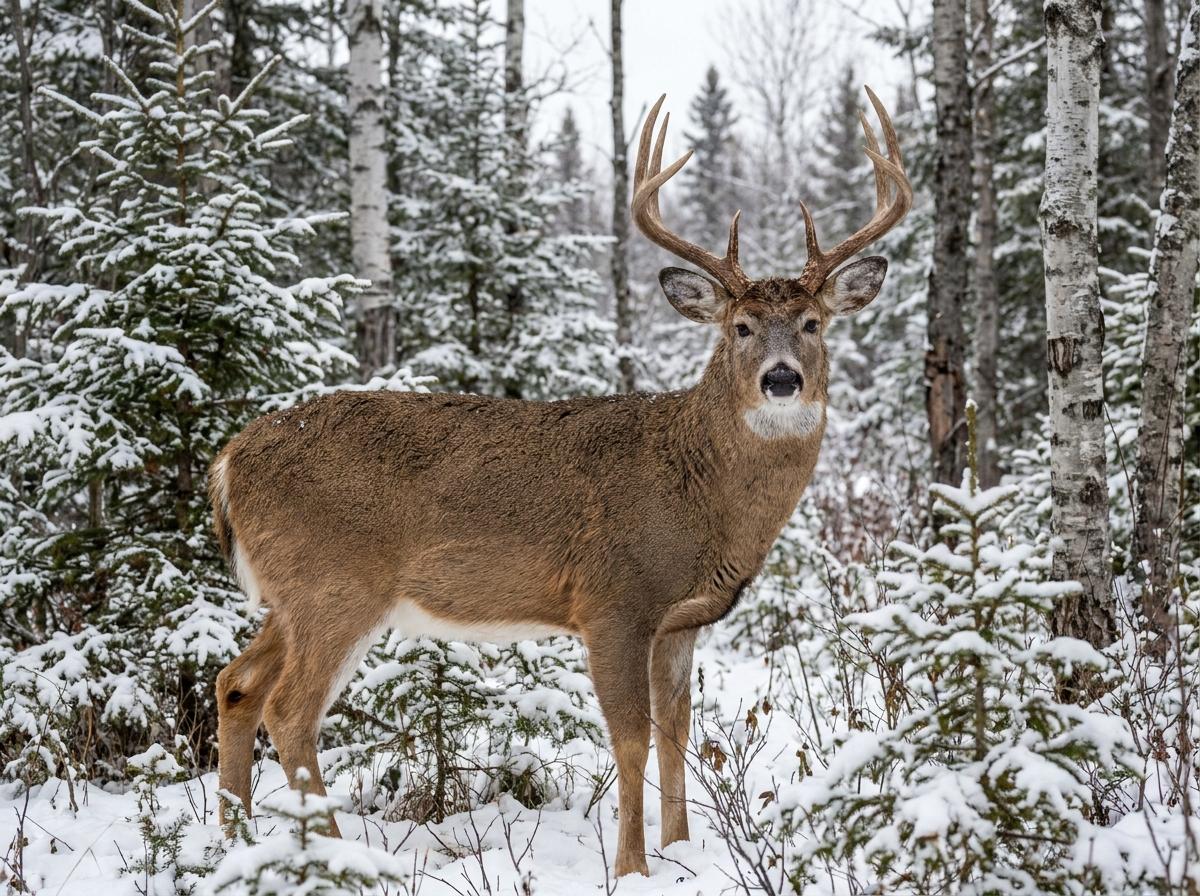
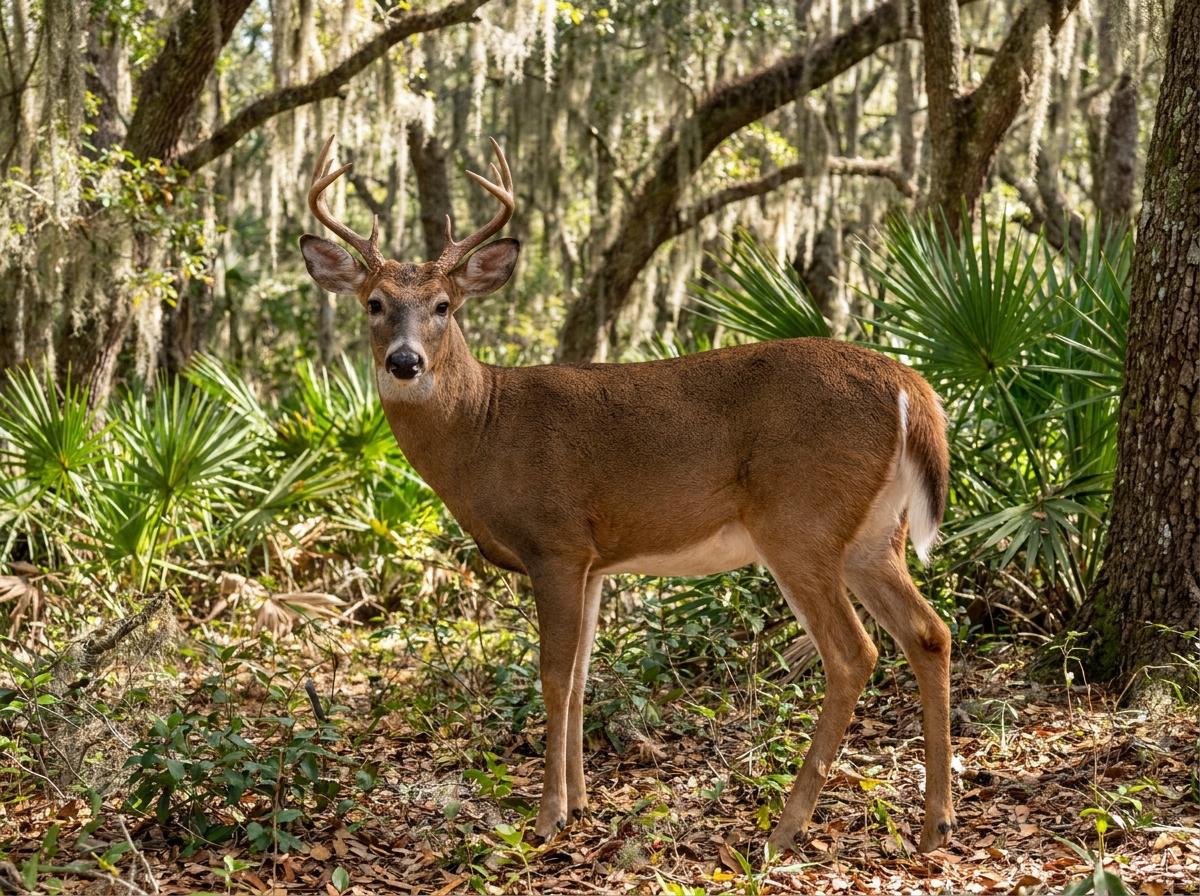
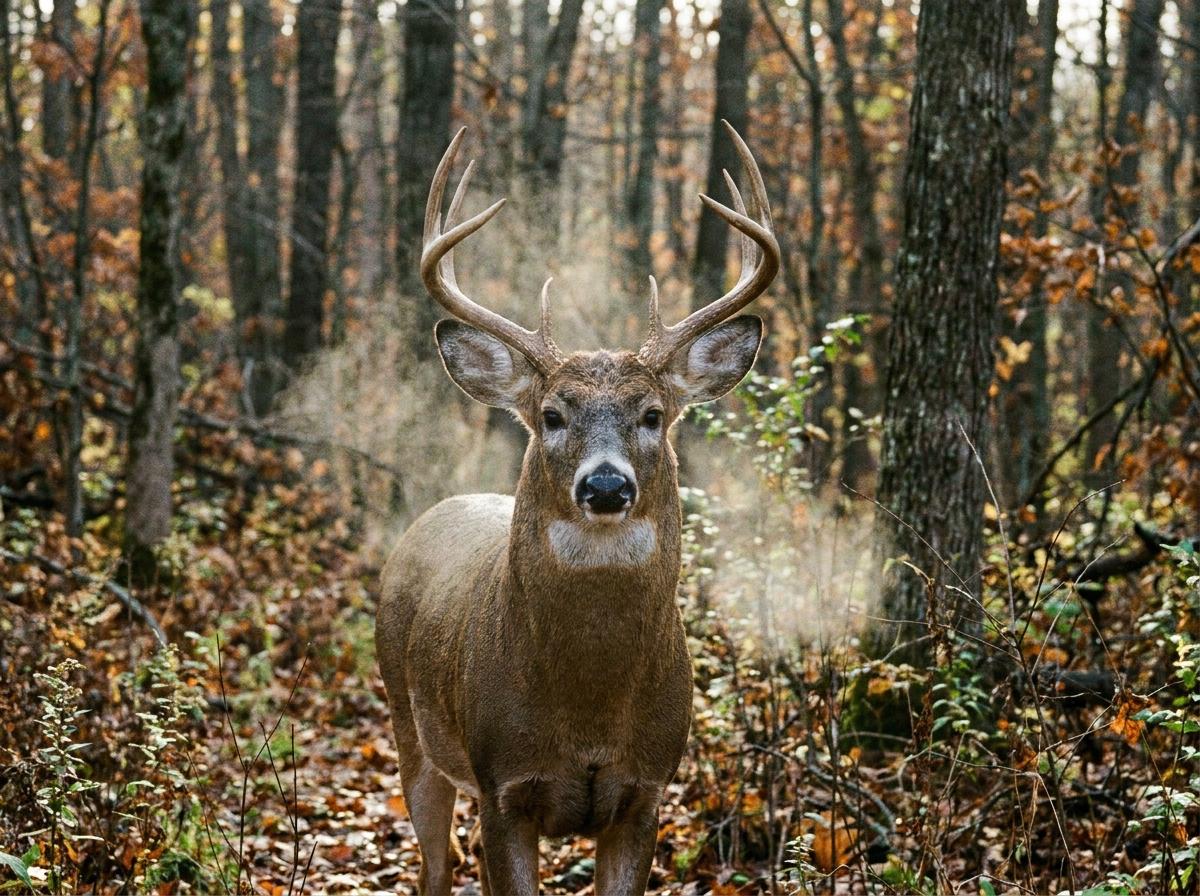
The white-tailed deer (Odocoileus virginianus) is the familiar deer of forests, farms, suburbs, wetlands, and brush country across much of North America, with a natural range extending through Central America into northern South America. Its raised white tail flag is the classic alarm signal, while bucks grow and shed antlers each year. Size, coat color, and antler form vary widely by region, from large northern deer to the small Key deer of the Florida Keys. As browsing ruminants, they feed on leaves, twigs, acorns, crops, garden plants, and seasonal mast.
People manage white-tailed deer as game animals, farmed cervids, rehabilitation cases, zoo residents, and sometimes persistent neighbors. State and provincial hunting seasons, habitat work, fencing, and fertility studies are used to balance deer numbers with forest regeneration, agriculture, and vehicle safety. Captive herds require permits in many areas, secure fencing, parasite control, and attention to chronic wasting disease rules. Wildlife rehabilitators routinely remind the public that a quiet fawn is often hidden by its mother, not abandoned, and should not be moved unless it is injured or clearly orphaned.