

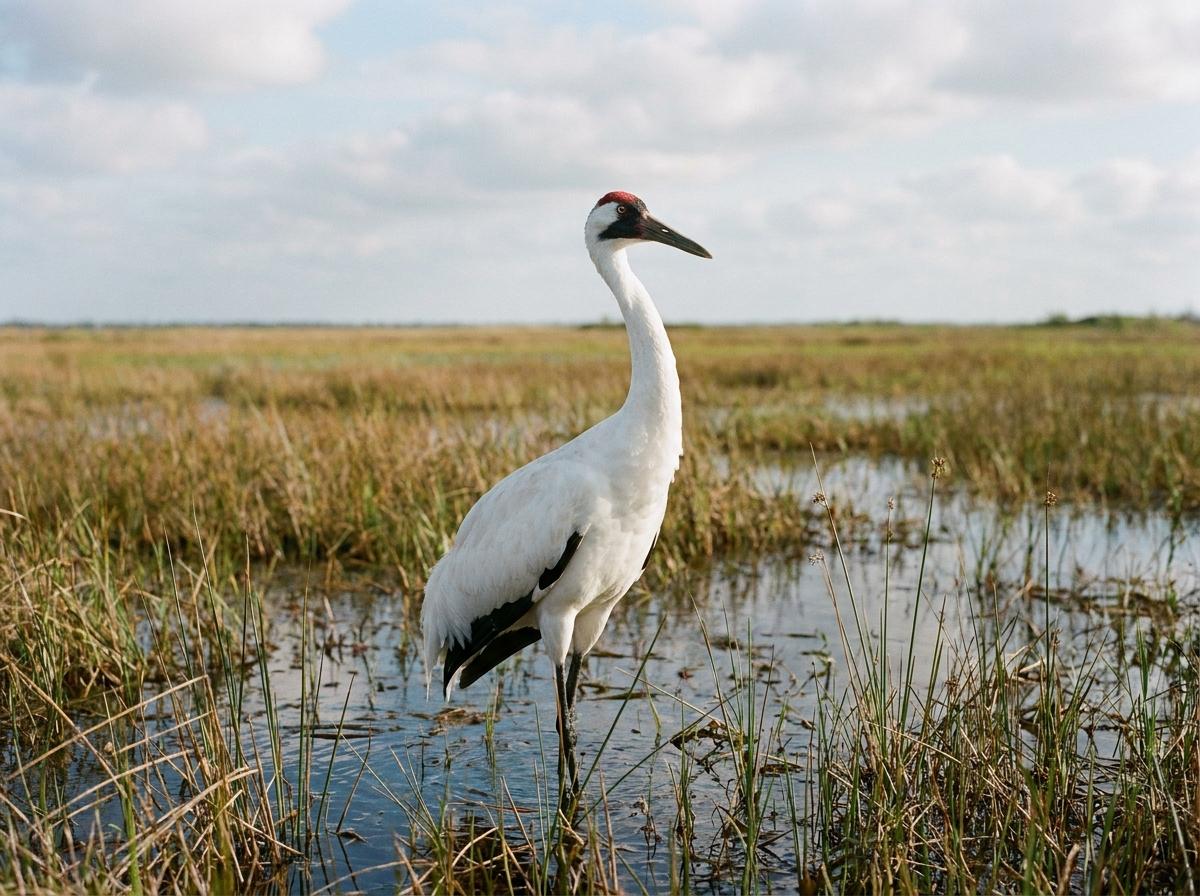
Whooping Crane
Grus americana
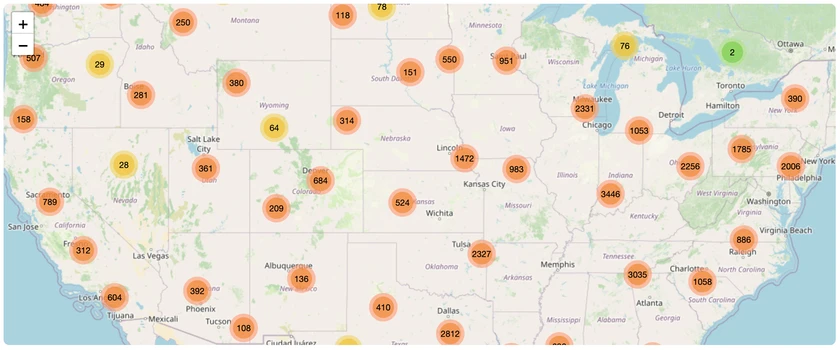
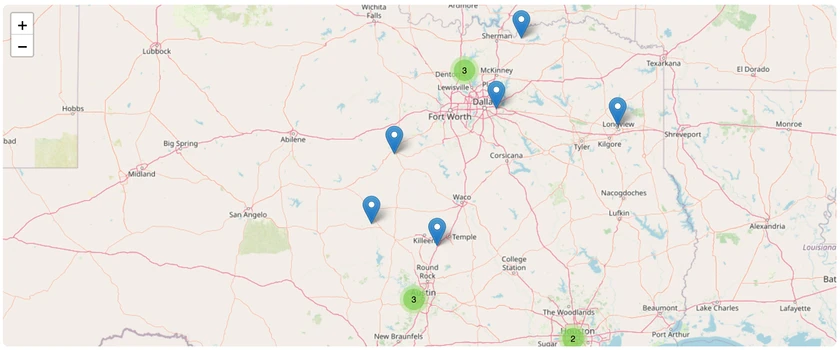
Whooping crane, Grus americana, is the tallest native bird in North America and one of the best-known endangered cranes. Adults are mostly white with black wing tips visible in flight, a red crown, long dark legs, and a carrying bugle call. The main wild migratory flock nests in and around Wood Buffalo National Park in Canada and winters on the Texas Gulf Coast, while reintroduced groups occur in parts of the United States. The species was reduced to only a small remnant in the twentieth century, making every breeding pair important.
Whooping cranes are not private pets or ordinary zoo display birds; living birds are managed within conservation programs. Captive breeding centers, studbook coordination, carefully chosen pairings, egg management, release projects, and transmitter tracking have all been used to rebuild numbers. Field teams also work on wetland protection, migration stopover safety, power-line collision reduction, and limiting disturbance from people and boats. Recovery is slow because cranes mature gradually, lay small clutches, and depend on secure wetlands across a long migration route.
Colors: Wild Type