



Author: Elliott Garber, DVM
Standing in front of a wall of aquarium tanks at the pet store, you’re faced with dozens of species swimming behind glass. Some are brilliant blue, others flash orange and red. A few hug the bottom, while schools dart past in perfect unison. The question hits you: which ones are actually right for my tank?
Choosing the best freshwater aquarium fish isn’t just about picking the prettiest ones. It’s about understanding which species will thrive in your specific setup, coexist peacefully, and bring you joy rather than headaches. Whether you’re setting up your first 10-gallon tank or planning a 75-gallon community masterpiece, the fish you choose form the foundation of success.
Here’s the truth: the best freshwater aquarium fish are those that match your experience level, tank size, and care capacity while creating a vibrant, healthy ecosystem. In 2025, we’re seeing exciting trends like the boom in nano fish for smaller tanks, updated care standards based on better research, and increased availability of ethically bred species.
In this comprehensive guide, we’ll explore everything you need to know: from bulletproof beginner fish to stunning centerpieces, from hardworking bottom dwellers to the advanced species worth aspiring to. We’ll cover care requirements, realistic costs, compatibility insights, and most importantly (how to set yourself up for long-term success). By the end, you’ll know exactly which fish belong in your aquarium and where to find quality, healthy stock.
Let’s build your dream tank together.

How to Choose the Right Freshwater Fish for Your Tank Size and Experience
Before we dive into specific species, let’s establish what “best” actually means for you. A fish that’s perfect for one aquarist might be a disaster for another. The best aquarium fish generally share these traits: they’re peaceful, hardy, and compatible with common tank mates. But your ideal fish also depends on several critical factors:
Tank Size: The Non-Negotiable Constraint
Always match fish to your tank’s actual size, not the size you wish you had. That adorable 2-inch Oscar at the store? It needs at least 55-75 gallons as an adult because it’ll grow to 12-14 inches. A Common Pleco, often sold as an “algae eater” for small tanks, can reach 18-24 inches in length and will outgrow most home aquariums.
Many beginners learn this the hard way. The solution? Always research adult size before buying, and plan for growth.
A 10-20 gallon tank is perfect for small community fish like tetras and rasboras. A 30-40 gallon opens up options for gouramis and larger groups. Anything under 10 gallons severely limits your choices and requires meticulous care.
Temperament: Building a Peaceful Community
The best community fish are those that don’t harass their neighbors. Species like tetras, rasboras, corydoras, and most livebearers are naturally peaceful (they’d rather hide than fight). This makes them ideal tank mates for each other.
On the flip side, mixing aggressive species with docile ones creates stress and injury. A male betta, for instance, must live alone or with carefully selected tankmates (other bettas are absolutely off the table).
Some cichlids become territorial when breeding. Understanding temperament isn’t optional (it’s survival).
Hardiness: Room for Learning Curves
Let’s be honest: beginners make mistakes. The water gets too warm. A water change gets skipped. Food gets measured wrong.
The best beginner fish forgive these occasional slip-ups. Species like Guppies and Platies adapt to a range of conditions and bounce back from minor water quality issues.
Contrast this with delicate species like wild-caught discus or certain dwarf shrimp. These require pristine water parameters, specific diets, and experience to keep alive. They’re beautiful, yes (but they’re not forgiving). The fish in our main recommendations are chosen specifically for their resilience.
Purpose: Every Fish Has a Role
Think about what you want each fish to do in your ecosystem:
- Mid-water schoolers (tetras, rasboras) provide movement and color
- Top dwellers (guppies, hatchetfish) activate the upper zone
- Bottom cleaners (corydoras, loaches) scavenge and add substrate-level interest
- Centerpiece fish (gouramis, bettas, angelfish) draw the eye and provide personality
- Algae control (plecos, otocinclus) help manage unwanted growth
A balanced community incorporates multiple roles. A tank with just one species, no matter how beautiful, feels incomplete. But a tank with 10 species represented by one fish each looks chaotic. The sweet spot? 3-5 species kept in appropriate groups.
Budget: Quality vs. Quantity
Here’s where freshwater fish shine: they’re remarkably affordable. One reason they dominate the ornamental fish market is that most species won’t break the bank. As of 2025, typical pricing looks like this:
| Fish Type | Price Range | Notes |
|---|---|---|
| Neon tetras | $2-3 each | Around $2.99 at major retailers |
| Guppies and platies | $3-5 each | Common varieties |
| Standard bettas | $5-10 | Fancy varieties like Galaxy Koi reach $20-30 (standard varieties); premium Samurai Koi Galaxy bettas can cost $100+ |
| High-end discus | $80+ per fish | Raising a group can cost $800+ |
For most community tanks, you can stock 20-30 fish for under $200 if you choose wisely. The catch? Buying healthy fish from reputable sources matters more than finding the cheapest price. A $2 neon from a sketchy source that carries parasites will cost you far more in medicine and lost fish than paying $3 for healthy stock.
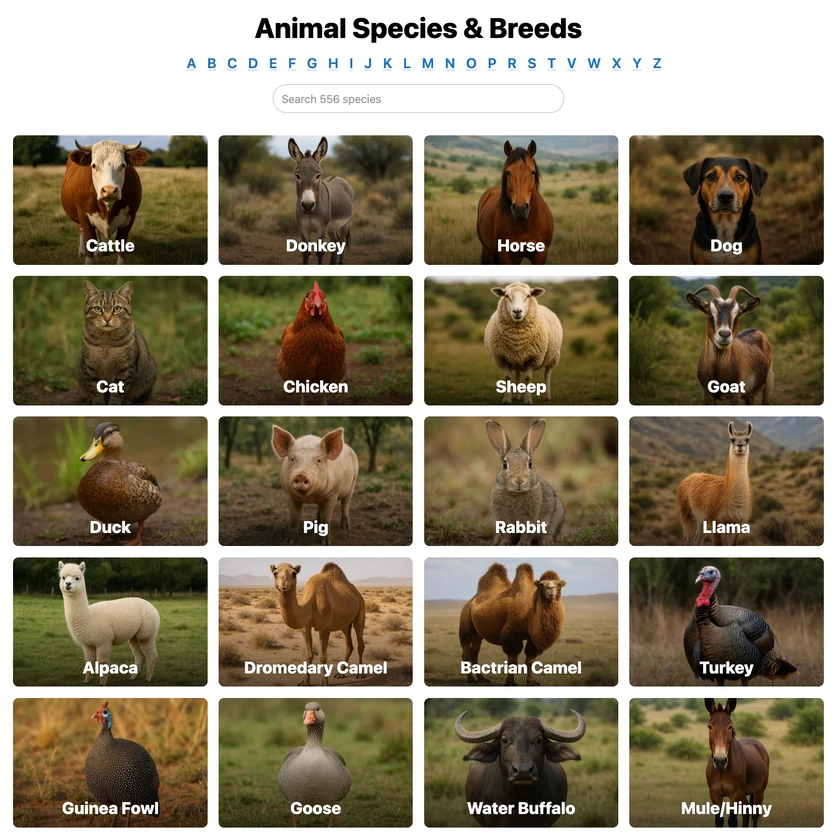
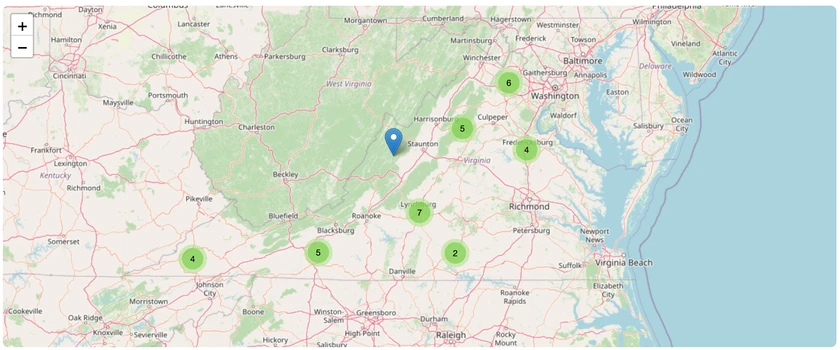
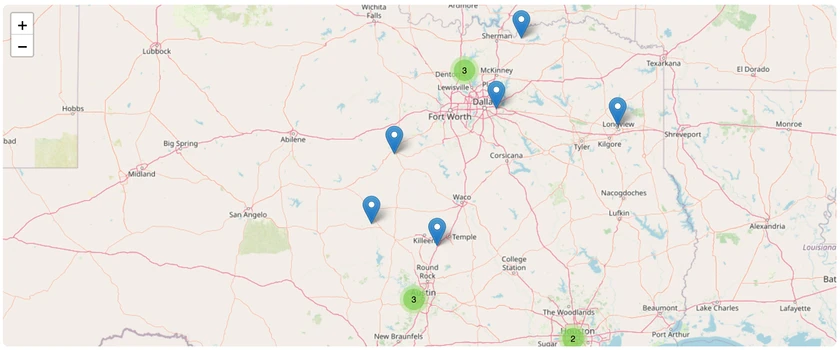
This is where platforms like Creatures become invaluable. Rather than taking chances with unknown sellers, Creatures connects you with rated, vetted breeders who specialize in healthy, ethically raised fish. You can research specific species on their comprehensive species encyclopedia and find quality sources through their breeder directory. When you’re investing in living creatures that should thrive for years, quality absolutely matters.
The Bottom Line on “Best”
The best freshwater aquarium fish for YOU are:
- Sized appropriately for your tank
- Peaceful with your chosen tank mates
- Hardy enough for your experience level
- Fulfilling a specific role in your ecosystem
- Sourced from reputable breeders who prioritize health and ethics
With this framework in mind, let’s explore the specific species that consistently earn “best” status across the hobby.
Top Peaceful Schooling Fish: Neon Tetras, Rasboras, and Danios
When you close your eyes and picture a thriving aquarium, you’re probably seeing schools of small, colorful fish weaving through planted forests. These mid-water swimmers are the backbone of almost every successful community tank. They’re active, social, and create mesmerizing movement when kept in proper groups.
Here are the schooling fish that have earned their reputation as aquarium staples:
Neon Tetra: The Iconic Beginner’s Choice
The Neon Tetra (Paracheirodon innesi) isn’t just popular (it’s legendary). That electric blue horizontal stripe combined with a vibrant red tail makes these tiny fish (maxing out at about 1.5 inches) instantly recognizable. They’re so common in the hobby that they’ve become synonymous with “tropical fish.”

Neons are peaceful community fish that should always be kept in groups (a minimum of 6 is required, though 8-10 or more is ideal to see their natural schooling behavior and reduce stress). Watch a school of 20 neons move as one organism, turning and gliding in perfect synchronization, and you’ll understand why they’ve dominated aquarium tanks for decades.
Their affordability helps too. At around $2-3 each, stocking a proper school won’t demolish your budget. They thrive in soft, slightly acidic water but adapt to standard tap water if kept stable. Mix them with other gentle species like rasboras, corydoras, or guppies for a classic community tank.
Pro tip: Don’t confuse them with their cousin, the Cardinal Tetra, which has an even fuller red stripe extending the entire length of the body. Cardinals are equally beautiful and make an excellent alternative if you want to mix things up.
Harlequin Rasbora: Copper Elegance in Motion
If neons are the popular kid, Harlequin Rasboras (Trigonostigma heteromorpha) are the sophisticated one. These fish sport a gorgeous copper-orange body with a distinctive black triangular patch (the “harlequin” shape) near the tail. They’re slightly larger than neons at around 2 inches, but just as peaceful and hardy.

What we love about harlequins is their schooling behavior. Keep at least 6-8 together, and you’ll see them cluster and glide in perfect unison (it’s genuinely hypnotic). They’re not fin-nippers and can even be a bit shy, making them perfect neighbors for virtually any peaceful community fish.
Their shimmering copper color really pops against green plants, especially under LED lighting. They prefer soft water like neons but adapt well to most conditions. The key is stability (avoid wild swings in temperature or pH, and harlequins will reward you with years of graceful swimming).
Zebra Danio: The Bulletproof Beginner
If there were an award for “most indestructible beginner fish,” the Zebra Danio (Danio rerio) might win unanimously. These tiny striped torpedoes (about 2 inches long) are extraordinarily hardy. They tolerate a wide temperature range, adapt to almost any water chemistry, and will eat pretty much anything you offer.

Zebra danios are often the first fish added when cycling a new tank due to their resilience. They’re also insanely active (you’ll often see them chasing each other playfully in horizontal races across the tank). Keep them in groups of at least 5 fish (6 or more is strongly recommended) with plenty of open swimming space.
One caveat: their high energy can irritate very slow-moving tankmates, and they occasionally nip at long fins. Don’t house them with fancy guppies with flowing tails or long-finned bettas. But with equally active fish, they’re wonderful. The Leopard Danio (a spotted variety) is the same species with identical care needs.
At a few dollars each, zebra danios are accessible to anyone. Many aquarists keep them for life, appreciating their zippy personality and absolute refusal to be fazed by minor care mistakes.
Glowlight Tetra: Subtle Beauty
Sometimes subtlety wins. The Glowlight Tetra (Hemigrammus erythrozonus) has a translucent silvery body accented by a bright orange-red stripe running along each side. Under aquarium lighting, that stripe appears to glow, hence the name.
Growing to about 1.5 inches, glowlights school beautifully and are appreciated for being even more forgiving than neons regarding water parameters. They tolerate slightly warmer or harder water, making them perfect for mixed community tanks where parameters aren’t ideal for one specific species.
They’re completely peaceful and look stunning against a backdrop of green aquatic plants. If your water chemistry isn’t perfect for neons, or you just want a different aesthetic, glowlights are an excellent alternative.
White Cloud Mountain Minnow: The Cool Temperature Champion
Often called the “poor man’s neon tetra” (an unfair name, honestly), White Cloud Mountain Minnows (Tanichthys albonubes) are underrated gems. They have a lovely golden-bronze body with a neon red tail tip, growing to about 1.5 inches.
What makes white clouds unique is their temperature preference. They’re actually temperate fish that thrive in cooler water (64-72°F). This means they generally don’t need a heater, making them perfect for unheated indoor tanks or even outdoor mini-ponds in temperate climates.
Keep them in schools of at least six. They’re peaceful, though avoid housing them with much larger fish that might see them as snacks. Because they prefer cooler temperatures, don’t mix them with tropical species that demand 78°F+.
One charming behavior: white clouds will often spawn in community tanks if given plants. You might wake up to find tiny fry darting among the foliage. It’s a delightful surprise for many keepers.
Chili Rasbora: The Nano Tank Star
Welcome to 2025’s nano fish sensation. The Chili Rasbora (Boraras brigittae) is absolutely tiny (under 0.8 inches) but packs incredible color into that minuscule package. Think fiery red-orange body with pepper-like black spots.
These diminutive fish have become wildly popular in 2024-2025 thanks to increased availability and the rise of planted nano tanks. If you’re venturing into 5-10 gallon planted aquascapes, chilis are among the absolute best choices.
They do require a gentle, well-established tank and should ideally be kept in groups of 10 or more, though the absolute minimum is 6 fish (8-12 are recommended for proper schooling behavior and reduced stress; larger schools of 20+ are ideal). Avoid larger tankmates that might view them as food. They’re a bit pricier at $3-5 each and more sensitive than neons, so they’re better as a second or third tank project rather than the very first fish. But for nano enthusiasts, they’re spectacular.
Honorable Mentions Worth Considering
The schooling fish category is vast. Here are a few more standouts:
- Rummy Nose Tetras – Fantastic tight schoolers with bright red faces, but need 20+ gallons
- Black Skirt Tetras – Hardy and striking with their black-and-silver pattern
- Ember Tetras – Tiny orange-glowing tetras perfect for nano setups
- Cherry Barbs – Mellower than most barbs, gorgeous red color, great in groups
Cherry barbs deserve special mention because unlike their aggressive cousins (tiger barbs, for instance), they don’t nip fins and stay around 2 inches. Avoid tiger barbs in peaceful communities (they’re notorious harassers).
A Word About Goldfish
We need to address the elephant in the room. Goldfish are freshwater fish. They’re hugely popular. But they absolutely don’t belong in tropical community tanks.
Goldfish are coldwater fish that thrive at 65-75°F (too cool for tropical species). They also grow large (common goldfish typically reach 6-12 inches under normal aquarium conditions and can reach 12-18 inches in ideal pond or large tank conditions). A single fancy goldfish needs a minimum of 20 gallons, while a single common/comet goldfish needs at least 30 gallons (some sources recommend 40+ gallons).
If you want goldfish, plan a dedicated goldfish-only setup with powerful filtration. Don’t try cramming them into a heated 5-gallon with tropical fish (it’s a recipe for disaster on both sides).
For the purposes of this guide, we’re focusing on tropical community fish. The species above create the foundation of a successful, vibrant community that will bring you years of enjoyment.
Easy Livebearer Fish: Guppies, Platies, Mollies, and Swordtails
If schooling tetras are the movement of your tank, livebearers are the personality. These fish give birth to free-swimming babies instead of laying eggs, and they’re legendary for being beginner-proof. They’re colorful, active, and incredibly forgiving of minor care mistakes.
Let’s meet the livebearer family:
Guppy: The Classic Beginner’s Companion
The Guppy (Poecilia reticulata) is often the very first fish that hooks people into the aquarium hobby. Guppies are small (males about 1.5-2 inches, females up to 2.5 inches), brilliantly colored, and ridiculously hardy.

They’ll eat just about anything (flakes, pellets, frozen foods, even vegetables). They tolerate a wide range of water parameters. They’re peaceful toward other species. In terms of ease of care, guppies set the gold standard.
Their colors and tail patterns are endlessly variable. Pet store varieties come in assorted mixes for a few dollars each, while show-quality morphs with specific tail shapes (delta, lyretail, fan) can cost significantly more. Browse Creatures’ guppy listings to see the incredible variety breeders have developed, including Fancy Guppies with their stunning patterns.
One “challenge”: guppies breed. A lot. If you keep mixed sexes, expect baby guppies (fry) regularly. Many hobbyists enjoy this, raising select fry and letting the rest become live food for other fish. If you don’t want babies, keep all males or all females. Females from pet stores are often already pregnant (they can store sperm), so a few surprise batches are common even in all-female groups.
Keep guppies in small groups (they’re social and display better color when not isolated). Aim for more females than males (2-3 females per male) if breeding, to prevent males from harassing a single female constantly.
They’re peaceful toward other species, though their long flowing tails can tempt fin-nippers. House them with other gentle community fish.
Platy: The Reliable Workhorse
If guppies are the hobby’s gateway drug, Platies (Xiphophorus maculatus) are the reliable friends you keep forever. Platies are slightly larger and stouter than guppies, reaching about 2-3 inches, and they come in an endless array of colors: red wag, sunburst orange, tuxedo (black and yellow), Mickey Mouse pattern (the variety is astounding).

They’re incredibly easy to care for. Platies aren’t picky about food and tolerate various water conditions. While they can adapt to both soft and hard water when changes are made slowly, they naturally prefer and thrive best in harder water with 10-28 dGH and pH 7.0-8.3. Like guppies, they breed often and will quickly populate your tank if you have both sexes.
Platies have a peaceful temperament and thrive in community tanks. One quirk: platies and guppies are closely related, and male guppies (and occasionally male platies) may attempt to mate with females of the other species. It won’t produce viable offspring but can stress the fish. Not usually a major issue, just something to be aware of.
Keep platies in small groups (a trio or more). They don’t school tightly but seem more confident with their own kind nearby. At $3-5 each, they’re very affordable, often sold in assorted color mixes. Check out the platy profile on Creatures for care details and to find breeders specializing in specific color morphs.
Molly: The Algae-Grazing Powerhouse
Mollies are like the bigger cousins of guppies and platies. A Common Molly (Poecilia sphenops) grows to 3-4 inches, while Sailfin Mollies can reach 5-6 inches with proper space. They come in various colors: solid black, dalmatian (white with black spots), gold, marble.

Mollies are generally hardy but have a couple of additional requirements. They prefer slightly warmer water (mid to upper 70s °F) and need harder, alkaline water (pH 7.5-8.5, 10-25 dGH) for best health. They can even tolerate lightly brackish conditions. Note that salt is completely optional for mollies (what they actually need is mineral hardness and alkalinity, which can be achieved with minerals or cichlid salts rather than aquarium salt).
Here’s what makes mollies special: they’re good algae eaters. In the wild, their diet is heavy in algae and plant matter. In your aquarium, they’ll graze on algae films covering glass and decorations, though their effectiveness depends on being somewhat underfed (well-fed mollies eat less algae). This makes them useful as part of your cleanup crew, though they still need regular feeding with quality flakes or pellets.
Temperament-wise, mollies are peaceful and mix well with other community fish. They’re active swimmers, so give them adequate space. Tank size requirements vary by species: short-finned mollies can manage in 10 gallons minimum (though 20 gallons is recommended), while sailfin mollies need 29-30 gallons minimum due to their larger size (6 inches). You can keep one male with several females; avoid multiple males in small tanks as they may spar.
Mollies breed prolifically like other livebearers. Keep an eye out for tiny fry hiding among plants. They’re more sensitive to poor water quality than platies, primarily due to their sensitivity to water chemistry changes and specific parameter needs (hard, alkaline water), so maintain good filtration and regular water changes. Still very beginner-friendly, just a small step up in needs.
For molly care specifics and finding quality breeding stock, visit the Common Molly profile on Creatures.
Swordtail: The Elegant Variant
Swordtails (Xiphophorus hellerii) are close relatives of platies (so close they can interbreed). Males have an elongated bottom tail fin that looks like a sword, hence the name. They reach around 4-5 inches (including the sword), so they need a bit more room (think 30 gallons for a small group).
Swordtails are hardy and come in beautiful reds, greens, and pineapple colors. Care is similar to platies, but males can be territorial toward each other. Keep one male with a few females, or maintain a larger group in a bigger tank to diffuse aggression.
One note: swordtails can jump. Keep your tank covered. They enjoy some current and are fast, active swimmers. These fish are readily available and easy to keep, earning their spot as one of the best community fish for aquarists with slightly larger tanks.
Managing Livebearer Populations
If you don’t want dozens of baby fish every month, consider these strategies:
- Keep single-sex groups – All males or all females (though females may already be pregnant from the store)
- Accept natural selection – Most community fish, including the parents themselves, will eat many of the babies
- Provide dense plants – Floating plants like water sprite give fry hiding spots if you want some to survive
- Separate breeding pairs – Remove pregnant females to a breeding tank, then return them after birthing
Livebearer fry grow quickly and can be fun to rear if you have homes for them. Just be prepared (a single female guppy can drop 20-40 babies every 4-6 weeks, with typical breeding occurring every 28-30 days). It adds up fast.
Best Centerpiece Fish: Betta, Gourami, and Angelfish Care
Every aquarium benefits from a fish that commands attention. While schooling fish provide movement and livebearers add color, a centerpiece fish gives your tank personality and focal presence. These are the fish people remember, the ones with names and individual quirks.
Betta Fish: The Solo Star
The Betta (Betta splendens), also known as the Siamese Fighting Fish, is one of the most recognizable aquarium fish in the world. With their flowing fins and vibrant colors (think electric blues, deep reds, iridescent greens, and even multi-colored “koi” patterns), bettas are living works of art.

Bettas are famed for their feisty demeanor, particularly male bettas. Male bettas must be kept alone with no other male bettas (they will fight to the death if housed together in captivity, though in wild conditions with ample space they typically only spar). Even female bettas are typically kept alone or in carefully managed “sorority” groups, which require larger tanks and close monitoring.
That said, a single male betta can make a stunning centerpiece in a community tank if done carefully. They often coexist with calm, non-threatening species like small tetras, rasboras, corydoras, or snails in tanks of 10+ gallons (though 15-20 gallons is recommended for a full community setup, especially if including corydoras which need proper schools). Much depends on the individual betta’s temperament. Some are mellow; others are aggressive toward anything that moves. Always have a backup plan to separate fish if aggression occurs.
Bettas themselves are hardy as long as basic needs are met: warm water (76-82°F), clean water, and a varied diet. They’re carnivores by nature, so appreciate treats like bloodworms or brine shrimp in addition to pellets. They don’t need strong filtration (in fact, they prefer calmer water because their long fins make swimming in strong currents exhausting).
One unique trait: bettas have a labyrinth organ that lets them breathe surface air, allowing them to tolerate lower oxygen environments. You’ll see them dart to the surface periodically to gulp air. Still use a filter for water quality, though.
Bettas come in an astounding variety of breeds: veiltail, halfmoon, crowntail, plakat, elephant ear, and more. Check out the Halfmoon Betta on Creatures to see one of the fancy varieties. Prices range widely: basic veiltails typically cost under $5 at many pet stores, while specialty strains like Galaxy Koi or Nemo varieties range from $40-60. Female bettas are generally less expensive.
Many aquarists report that bettas are the fish that truly hooked them on the hobby. They recognize their owners, beg for food, and even learn to do tricks. Their interactive behavior combined with their beauty makes them incredibly rewarding pets.
Golden rule: One male betta per tank, no exceptions. Choose peaceful, small tank mates if any.
Dwarf Gourami: Colorful and Calm
Gouramis are a group of labyrinth fish (cousins of bettas) known for interesting behavior and often stunning colors. The Dwarf Gourami (Trichogaster lalius, though recent taxonomy reclassifies it as Trichogaster fasciata) is a top choice for small to medium community tanks.

Male Dwarf Gouramis have brilliant red-orange bodies with turquoise blue stripes (truly eye-catching). Females are duller, as is typical. They grow to about 3.5 inches and are often peaceful toward other species, though temperament varies significantly by individual (they are semi-aggressive, and males can be territorial with other gouramis).
Dwarf Gouramis typically occupy the upper half of the tank, swimming slowly and nibbling at the surface. They’re best kept one per tank, or as a true pair (male and female). Two male dwarf gouramis in a small tank may spar, as males can be territorial (similar to bettas but usually less aggressive).
Provide plants, including floating plants, to make them feel secure. They originate from vegetated ponds and appreciate cover. Like bettas, they breathe surface air, so you’ll see them dart up periodically to gulp air. Make sure they have access to the surface.
Important health note: In recent years, dwarf gouramis from some pet stores have had issues with a viral disease (Dwarf Gourami Iridovirus). The best prevention is sourcing from reputable breeders (platforms like Creatures that connect you with rated breeders help immensely). Quarantine new fish if possible. Despite this concern, many people successfully keep dwarf gouramis with proper sourcing.
They add gorgeous color and calm grace to a community. Mix them with tetras, rasboras, and corydoras. A 10-gallon tank is okay for one, but 20 gallons is better, especially with tank mates. Color variants like Powder Blue Gourami or Flame Gourami are selectively bred versions with identical care needs.
Dwarf gouramis usually cost $8-12. For detailed care information, visit the Dwarf Gourami profile on Creatures.
Honey Gourami: The Gentler Alternative
The Honey Gourami (Trichogaster chuna) is a close relative of the dwarf gourami but smaller and arguably even more peaceful. Honey gouramis stay around 2 inches and have a lovely golden-yellow coloration. Males develop a dark blue-black throat when courting, which is quite striking.
Honey gouramis are very gentle and can even be kept in small groups. If you have a 20-gallon tank, a trio (1 male, 2 females) makes a delightful display. They’re described as perfect for novice fishkeepers (hardy, playful, and non-aggressive).
Unlike their dwarf cousins, honey gouramis aren’t associated with viral health issues, making them potentially a safer choice. They enjoy well-planted tanks with subdued lighting. Their color intensifies when they feel at home and secure.
Cost is similar to dwarf gouramis, perhaps slightly less. If you find these at your local store or through Creatures’ breeder network, they’re highly recommended as one of the best community fish available.
Pearl Gourami: Elegant Showstopper
If your tank is on the larger side (30+ gallons), Pearl Gouramis (Trichopodus leerii) are an incredible centerpiece choice. They reach about 4-5 inches and have a mesmerizing appearance: a light brown body covered in pearl-like white spots with a black horizontal stripe mid-body. Their fins have an orange hue with delicate filigree details. Males develop a reddish-orange throat and chest when mature.
Pearl gouramis are often cited as one of the most beautiful gouramis. Despite their elegance, they’re hardy and notably more peaceful than the larger blue or three-spot gouramis.
A trio (1 male, 2 females) can live peacefully in a well-planted tank. During breeding or egg-guarding, males become notably territorial and aggressive (not just “a bit”), but outside of breeding periods they’re peaceful and even timid.
They’re labyrinth breathers like other gouramis and will hang near the surface often. Keep the tank covered to maintain warm, humid air above the water (labyrinth fish appreciate this for their breathing organ).
Pearl gouramis do well in community tanks with medium-sized peaceful fish. Avoid fin-nippers like tiger barbs that might harass their trailing ventral fins. They enjoy temps around 77-82°F and slightly soft water, though they adapt to moderate hardness.
Pearl gouramis typically cost $10-15 each and are widely available through quality breeders on Creatures. They grow slowly, so juveniles might be 2-3 inches when purchased and will color up more as they mature.
Angelfish: The Graceful Cichlid
The freshwater Angelfish (Pterophyllum scalare) is a staple of many mid-sized aquariums. With their tall, triangular shape and elegant fins, a pair of angelfish can be a true centerpiece in a community (if the tank is large enough).

Common angelfish grow to about 6 inches long and equally tall, so vertical tank height matters (they prefer tall aquariums). For a pair or small group of angels, a tank 55 gallons or bigger is recommended.
Here’s the catch: angelfish are actually a type of cichlid. With that comes cichlid attitude. They’re generally peaceful when young, but can become territorial as they mature, especially if they pair off and spawn. A breeding pair of angelfish will aggressively guard their eggs and fry, chasing other fish away.
That said, many aquarists successfully keep a single angelfish or bonded pair in a community with tetras, gouramis, and catfish. The key is avoiding very small tankmates. An adult angelfish can eat bite-sized fish (in the wild, neon tetras are actually part of their diet). Instead, choose medium-sized community fish like larger tetras (black skirt, lemon tetras), rasboras, or peaceful barbs. Provide plants or decor to break up sightlines and reduce aggression.
Angelfish accept a variety of foods and are fairly hardy, but they require good filtration and stable warm temperature (around 78-80°F). They produce significant waste as they grow. We include angelfish as a “best fish” candidate for intermediate hobbyists with appropriately sized tanks (but new fishkeepers with small setups should hold off until they upgrade).
If you do keep angelfish, remember they may live 10+ years and become quite the pet. They often beg for food and can recognize their owners. With their long fins and elegant glide, they definitely live up to the name “angels” (at least in appearance).
Best Bottom Dwellers: Corydoras, Plecos, and Loaches
No aquarium is complete without activity on the substrate level. Bottom-dwelling fish not only add interest to the lower areas of your tank, but many also serve as your “cleanup crew,” munching on leftover food, algae, or detritus. They’re the unsung heroes that keep your tank balanced.
Here are the best freshwater bottom dwellers for community tanks:
Corydoras Catfish: The Perfect Bottom Companion
Affectionately called “cory cats,” Corydoras are small armored catfish that are absolutely perfect for community aquariums. They come in many species (Peppered Cory, Bronze Cory, Panda Cory, Julii Cory), with the full genus ranging from 1 to 4.7 inches, though most common aquarium species stay under 2.75 inches (popular species like Peppered and Bronze Cories reach 2-2.8 inches).

These fish have stubby, rounded bodies with short whiskers (barbels) and spend their time scurrying along the substrate looking for bits of food. Corydoras are peacefulness personified (they will never bother any other fish, ever). In times of stress, they’d rather hide than fight. Because of this, they’re model citizens.
Always keep corydoras in a group (they’re shoaling fish and are much more active and happy in groups of 5 or more). Watching a squad of six cory cats snuffling through the sand together is incredibly endearing. They sometimes even “dance” in unison, darting up to the surface for a gulp of air (corys can gulp air into their intestines to supplement breathing).
Tank setup for corydoras: Sand or fine, smooth gravel is strongly recommended to support natural foraging behavior and minimize barbel damage risk. While current research suggests barbel erosion is often linked to poor water quality rather than substrate roughness alone, smooth substrate is ideal because Corydoras evolved to sift through fine substrate. Provide hiding spots like caves or plants, though you’ll often see them resting openly.
They appreciate stable, clean water and are quite hardy once established. Feed them sinking pellets, flakes that reach the bottom, and treats like frozen bloodworms or live blackworms. Corydoras are often added as “janitors,” but note they’re slow eaters. They’ll eat some leftover food, but they won’t control algae, and you must feed them directly with sinking foods. There’s a myth that corys can subsist on fish waste (absolutely not true)! Ensure they get their share of food.
Popular beginner species:
| Species | Size | Temperature | Notes |
|---|---|---|---|
| Bronze Cory | 2-2.5 inches | Mid-70s°F+ | Hardy, handles cooler temps |
| Peppered Cory | 2-2.5 inches | Mid-70s°F+ | Similarly tough, widely available |
| Panda Cory | 1.5-2 inches | 68-77°F (optimal: 68-72°F) | Smaller, adorable black “panda” patches, prefers cooler temperatures than most tropical fish |
| Julii Cory | 2 inches | 72-79°F | Stay small, beautiful spotted pattern |
All are excellent. They typically cost $3-8 each depending on species. Given their social needs, plan to get a group (spending $20-30 for a happy cory gang is worth it). You can find quality corydoras breeders through Creatures’ breeder directory.
In our opinion, corydoras catfish rank among the best aquarium fish of all time for any hobbyist. They’re adorable, useful, and supremely peaceful.
Bristlenose Pleco: The Right-Sized Algae Eater
Sucker-mouthed catfish like plecos are famous algae eaters, but many species grow way too large. The Common Pleco, for instance, can reach 18-24 inches (far too large for most home tanks).

Enter the Bristlenose Pleco (Ancistrus species), a smaller variety that maxes out around 4-5 inches. This fish gets its name from the bristly whisker-like appendages on its snout (especially prominent in males). Bristlenoses are excellent for medium-sized tanks (20-30 gallons or larger).
They’re hardy and peaceful. Unlike massive plecos, bristlenoses generally won’t uproot plants or bulldoze decorations. They spend their time suctioned to glass, driftwood, or rocks, rasping algae and biofilm. Supplement their diet with algae wafers and fresh vegetables (they love zucchini slices).
A bristlenose will help keep algae in check, but remember: no fish eliminates algae entirely. They’re part of the solution, not the whole solution.
Bristlenose plecos are primarily nocturnal, so don’t worry if they hide all day and emerge when the lights go off. Provide a piece of driftwood in the tank (plecos actually rasp on wood, and it aids their digestion).
In terms of community behavior, bristlenoses keep to themselves and ignore other fish; they have armor plating and aren’t bothered even if curious fish peck at them. Keep them singly (one per tank is usually enough, as they produce substantial waste (powerful filtration is recommended)).
Bristlenose plecos typically cost $4-12 at retail stores, with common brown and albino varieties at $4-5 and premium color morphs (starlight, super red, lemon blue eye) at $10-15. For detailed care and to find breeders, check out fish listings on Creatures.
All in all, if you have room, a bristlenose pleco is one of the best algae-eating fish you can get that won’t outgrow your tank or bully others.
Otocinclus: The Tiny Algae Specialist
On the smaller end, Otocinclus (often called “otos”) are tiny sucker fish that only grow about 2 inches. They’re schooling catfish that tirelessly rasp on algae, making them great for planted tanks with minor algae films.
Otos are extremely peaceful and can even be shy. They should be kept in groups of at least 3-5, though 6 or more is ideal for best social behavior and comfort.
They have a reputation for being a bit delicate at first (many are wild-caught and underfed during transport, so initial die-offs are common). But if you find healthy ones (look for full bellies), they often settle in and live for years. They prefer well-established aquariums with plenty of natural algae and biofilm.
Supplement them with algae wafers, blanched vegetables, or specialized gel foods to ensure they don’t starve once they’ve cleaned the tank. A soft substrate and gentle filtration is ideal, as otos appreciate stable, oxygen-rich water.
Given their small size, they’re good for nano tanks (10+ gallons) but should be kept with similarly small, non-aggressive fish. They can stress out if housed with boisterous or much larger tankmates.
Otos are inexpensive (often $2-3 each), so getting a group is budget-friendly. Just understand they aren’t as bulletproof as corydoras. With good care, they’re excellent at their job and a joy to watch (they zoom from leaf to leaf like little suction-cup bumblebees).
Kuhli Loach: The Eel-Like Oddball
Looking for something unique? Kuhli Loaches (Pangio kuhlii) are slender, eel-like fish with yellow-and-brown bands (like a tiny aquatic snake). They’re very peaceful bottom dwellers that often hide by day and become active at night.

Kuhlis grow about 3-4 inches long but are as thin as a pencil. They love to burrow in soft substrate and appreciate leaf litter or caves to wriggle under. Because of their secretive nature, many people forget they even have them (but during a late-night peek, you’ll see a half dozen kuhli loaches swirling around the bottom like ribbons).
They should be kept in groups (ideally 5 or more) to feel secure and exhibit natural behavior. Kuhlis do an admirable job eating leftover food that falls to the substrate, and they won’t uproot plants or disturb tankmates.
A tight lid is essential (loaches can find even tiny gaps and escape). Also ensure your filter intake is covered, as they’ve been known to wiggle into filter pipes. Water-wise, they prefer softer, slightly acidic water but can adapt. Keep it clean, as they have very weak body scales with no head scales, making them more susceptible to disease and poor water quality. They thrive around 75-79°F.
One charming behavior: sometimes kuhli loaches will pile on each other in a “loach ball” when resting (it looks like a tangle of worms, but they’re just cuddling). They’re truly lovable oddballs that add personality to your tank.
Price is around $4-7 each. For care specifics, visit the Kuhli Loach profile on Creatures.
Cleanup Crew Bonus: Shrimp & Snails
While not fish, certain freshwater invertebrates are fantastic tank cleaners and cohabitate well with the species above:
- Amano Shrimp (Caridina multidentata) – Eat algae and leftover food, typically grow to about 2 inches (females can reach up to 2.5 inches while males typically reach 1.5-2 inches) so usually won’t get eaten by most community fish
- Cherry Shrimp (Neocaridina davidi) – Colorful, breed in tanks, serve as both cleaners and occasional live food
- Nerite Snails – Excellent algae grazers, won’t overpopulate (eggs require brackish water with salinity 1.002-1.005 to hatch; larvae cannot survive in freshwater conditions)
- Mystery Snails – Eat detritus and scraps, come in pretty colors
These inverts can be part of a “best tank” setup when used appropriately. However, some fish (loaches, certain cichlids, puffers) will prey on snails or shrimp. All the community fish listed in this guide are generally shrimp/snail-safe (aside from maybe angelfish eating baby shrimp).
If you add inverts, ensure you treat water for chlorine and copper. Having a mix of bottom feeders and inverts can keep your tank much cleaner (but remember, nothing substitutes for regular maintenance).
Advanced Aquarium Fish: Discus, Oscars, and Specialty Species
The fish we’ve covered so far form the foundation of successful freshwater aquariums in 2025. They’re popular because they work (hardy, beautiful, and beginner-friendly). But for completeness, let’s briefly discuss some advanced or specialty fish that experienced aquarists often pursue.
These aren’t “best” for everyone, but they’re fascinating to know about (and maybe aspire to):
Discus: The King of the Aquarium
Known as the “King of the Aquarium,” Discus (Symphysodon species) are flat, round cichlids with striking patterns and colors. They’re truly gorgeous and can be the centerpiece of a large show tank.

However, they are not beginner fish. Discus require very clean, warm water (82-86°F, low nitrates, soft and acidic) and often prefer a species-only setup or with very gentle tankmates. They’re best kept in groups of 5 or more, which means you need a big tank (75 gallons and up).
They can be picky eaters, often requiring a varied diet including frozen foods. Quality discus are expensive (juveniles may be $50+, and adult breeding-age discus can be hundreds of dollars each). One source estimated raising 6 discus could cost $800+ in the long run.
If you’re fascinated by discus, start with easier fish first. Build your skills, upgrade your tanks, and perhaps down the road you can try these divas. Their beauty is unmatched, but they demand dedication and deep pockets.
Large Cichlids: The Tankbusters
Many people are drawn to “tankbuster” fish (something big, intelligent, and almost pet-like). Oscars are a classic example. An Oscar cichlid can grow 12-14 inches, eat feeder fish or pellets with gusto, and can even be hand-fed. They have great personality.
But Oscars absolutely require a huge tank (55 gallons minimum for one, 75+ gallons recommended) and heavy filtration. They’re messy eaters and produce enormous waste. They also generally can’t be kept with small fish (they’ll eat them) or other Oscars unless the tank is massive.
Other large fish like Arowanas or Redtail Catfish are even more extreme (they belong only in monster tanks or public aquariums). Asian Arowana often exceed 2 feet long and aren’t even legal to own in some jurisdictions.
So while these fish are cool and often sold as 2-inch babies at pet shops, they’re not among the “best” aquarium fish for most people due to their adult size and specialized care. If you really want a big wet pet, consider mid-sized cichlids like Severums or Firemouths, which stay in the 6-8 inch range and can be housed in 55-75 gallons. They still require cichlid knowledge but are more manageable.
Always research before buying that cute little “shark” or “catfish” (many grow enormous). A common rule: if a fish is labeled “common” (Common Pleco, Common Pacu, etc.), it probably gets way too large for home aquariums.
Rare & Exotic Oddballs
As you dive deeper into the hobby, you may encounter fancy oddballs: freshwater stingrays, snakehead fish, brackish puffers, African leaf fish, and so on. These can be amazing to keep, but each comes with unique challenges (and sometimes legal restrictions).
For example, freshwater stingrays are sensitive and need huge, shallow tanks. Snakeheads are illegal to own in many parts of the US. Puffers often require specialized feeding (snail/crustacean diets) and many are brackish or aggressive.
Our advice: save these for when you’re truly ready to invest in species-specific setups. The fish listed in our main sections are popular for good reasons (they’re beautiful and relatively straightforward). Once you master those, by all means explore the fringes.
There’s nothing wrong with sticking to community fish, either. Even master aquarists enjoy a nicely done tetra/rasbora planted tank for its tranquility and beauty.
How to Build a Balanced Freshwater Community Tank
You’ve learned about dozens of excellent fish. Now let’s talk about assembling them into a thriving, balanced community.
Species Mixing Strategies
A diverse community is wonderful, but don’t overstock. A good approach is adding fish gradually and aiming for balance:

- Mid-level schoolers (tetras, rasboras) for movement and color
- Top dwellers (guppies, surface feeders) to activate the upper zone
- Bottom cleaners (corydoras, loaches) for substrate activity
- Optional centerpiece (gourami, betta) for focal presence
Avoid the temptation to add one of everything. Instead, get proper-sized groups of each species. A tank with 3 species in good schools (e.g., 12 neon tetras, 8 harlequin rasboras, 6 corydoras) will look far more vibrant and natural than a tank with 10 different species kept as singles or pairs.
Gradual Stocking: Patience Pays
Don’t rush. Adding all your fish at once overwhelms your biological filtration and stresses the fish. Instead:
- Start with hardy pioneers (like zebra danios or guppies) to establish the cycle
- Add groups incrementally (maybe one school per week or two)
- Monitor water parameters after each addition
- Observe behavior (ensure new additions integrate peacefully)
This approach gives your filter bacteria time to catch up and lets you spot compatibility issues early.
Quality Sourcing: Where You Buy Matters
Here’s a truth: the best species in the world can still fail if the fish you buy are stressed, diseased, or poorly bred. Sourcing matters.
Look for healthy fish with:
- Clear eyes and intact fins
- Active behavior (not lethargic or hiding constantly)
- Healthy body weight (no sunken bellies)
- Clean, well-maintained store tanks
Better yet, buy from breeders who specialize in healthy, ethically raised stock. This is where Creatures becomes your secret weapon. Instead of rolling the dice at random stores, Creatures connects you with rated, vetted breeders through their breeder directory. You can research species on their comprehensive species encyclopedia, read breeder reviews, and make informed purchasing decisions.
In 2025, there’s a growing emphasis on sustainably and ethically bred fish. Many species like neons and rasboras are now farm-raised rather than wild-caught, which is better for wild populations and often produces hardier fish. Supporting breeders who prioritize animal welfare aligns with the values many aquarists hold (and platforms like Creatures make that easy).
Long-Term Planning: Think Years Ahead
Some of these fish can live a surprisingly long time with proper care:
| Fish Species | Typical Lifespan |
|---|---|
| Neon tetras | 5-8 years |
| Bettas | 3-4 years |
| Corydoras | 5+ years |
| Angelfish or plecos | 10+ years |
| Goldfish | 20+ years |
When choosing fish, envision your tank 2, 3, 5 years down the road. Are the fish still appropriately sized? Will they get along when mature? Your cute 2-inch angelfish might be a 6-inch semi-aggressive adult in a year.
This guide has emphasized community-friendly fish that generally remain compatible. But always keep an eye on dynamics as fish grow or if breeding behaviors start (that can change aggression levels). If issues arise, sometimes rehoming a fish is the responsible solution (something every aquarist faces eventually).
2025 Best Practices: Stay Updated
The aquarium hobby evolves. In 2025, best practices are different from 2015 or even 2020. For instance:
| Old Advice | Current Standard |
|---|---|
| A 1-gallon bowl is fine for a betta | Filtered, heated 5-gallon minimum |
| Livebearers need salt in their water | They need mineral hardness, not necessarily NaCl |
| Goldfish are good starter fish for small tanks | Goldfish are coldwater fish that grow huge and need large tanks |
Stay current with reputable sources. Forums, recent care guides, and platforms like Creatures’ Learn Center offer up-to-date information that helps you avoid outdated myths.
Enjoy the Process: Find Your Joy
The best aquarium fish are ultimately the ones that bring you joy to observe and care for. Pay attention to your fish (learn their personalities). Maybe you love how your guppies dance at the surface every morning for food, or you find zen in watching your school of rasboras glide back and forth.
Perhaps the moment of excitement is seeing your corydoras spawn after a water change, or discovering a baby platy hiding in the plants. Those experiences make fishkeeping rewarding.
Don’t worry if you start simple. A beautifully aquascaped tank with “just” neon tetras and amano shrimp can be every bit as stunning as an expert’s complicated setup. Master the basics, maintain your tank well, and you’ll be rewarded with an aquarium that mesmerizes everyone who sees it.
Your Next Steps to Aquarium Success
We’ve covered a lot of ground. From bulletproof schoolers like neon tetras and zebra danios, to hardy livebearers like guppies and platies, to stunning centerpieces like bettas and gouramis, to essential bottom dwellers like corydoras and bristlenose plecos (these fish have earned their place as the best freshwater aquarium fish for 2025).
They’re popular for good reason: they’re beautiful, hardy, peaceful, and accessible. Whether you’re stocking your first 10-gallon tank or planning a 75-gallon community masterpiece, these species form the foundation of success.
Here’s what you now know:
- Tank size matters – Always plan for adult sizes
- Temperament is key – Build peaceful communities with compatible species
- Hardiness varies – Start with forgiving species, advance to sensitive ones later
- Balance is beautiful – Mix schoolers, centerpieces, and bottom dwellers
- Quality sourcing matters – Healthy fish from ethical breeders set you up for success
As of 2025, freshwater fish continue to dominate the ornamental fish market (about 52% of fish sold are tropical freshwater) due to their vibrant colors, relative ease of care, and affordability. The information and prices mentioned here are current as of 2025, though availability can vary by region and season.
Now that you know which fish you want, where do you find quality, healthy stock? This is where Creatures comes in.
Creatures is a marketplace connecting you with rated, vetted breeders who specialize in healthy, ethically raised fish. Whether you’re looking for:
- Specific species information on our comprehensive encyclopedia
- Quality breeders through our breeder directory
- A platform that prioritizes animal welfare and compliance
- Reviews and ratings to ensure you’re buying from reputable sources
Browse species profiles, connect with breeders, read reviews, and start building your dream community. With the right fish from the right sources, your aquarium won’t just look incredible (it will thrive for years to come).
Ready to get started? Visit Creatures‘s breeder directory today and explore the possibilities. Your perfect freshwater aquarium is waiting.
Happy fishkeeping! 🐟🌿