


Betta Fish
Betta splendens
Author: Elliott Garber, DVM · Published
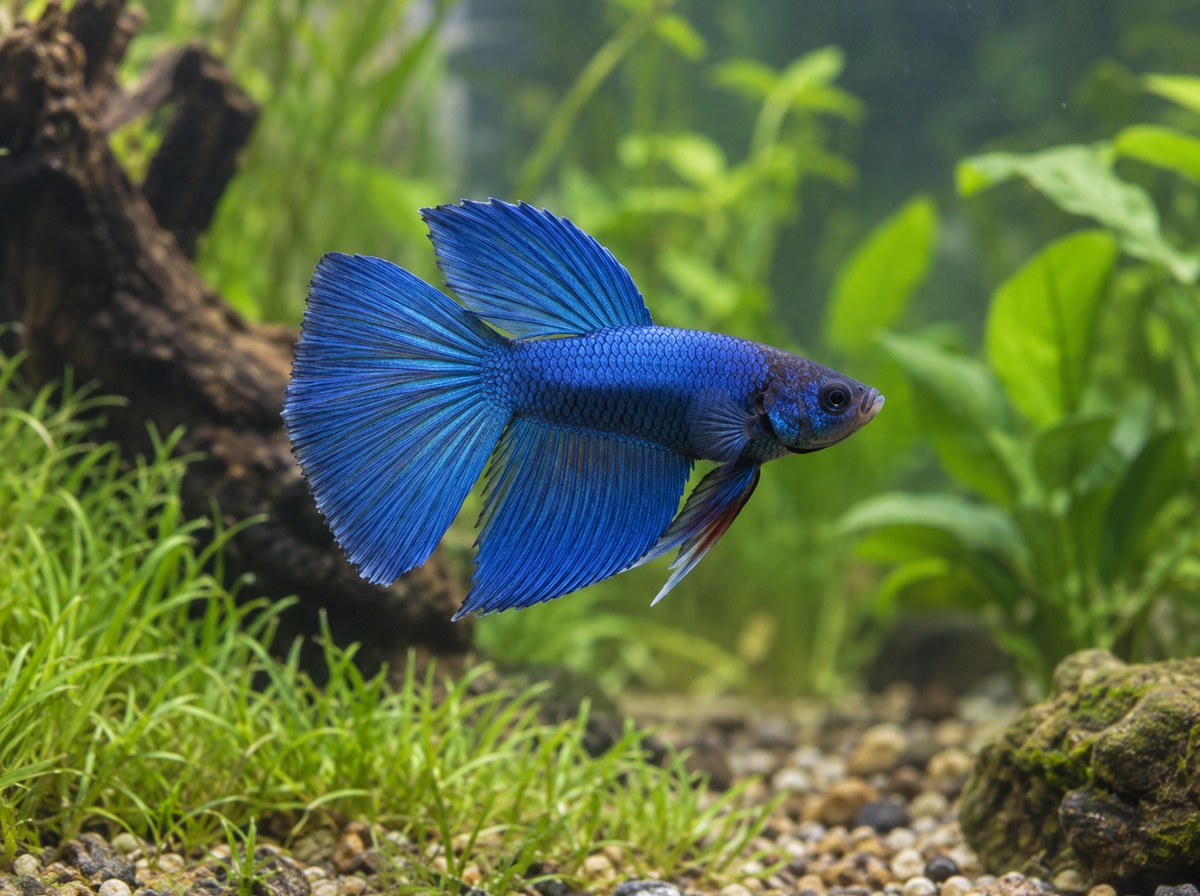
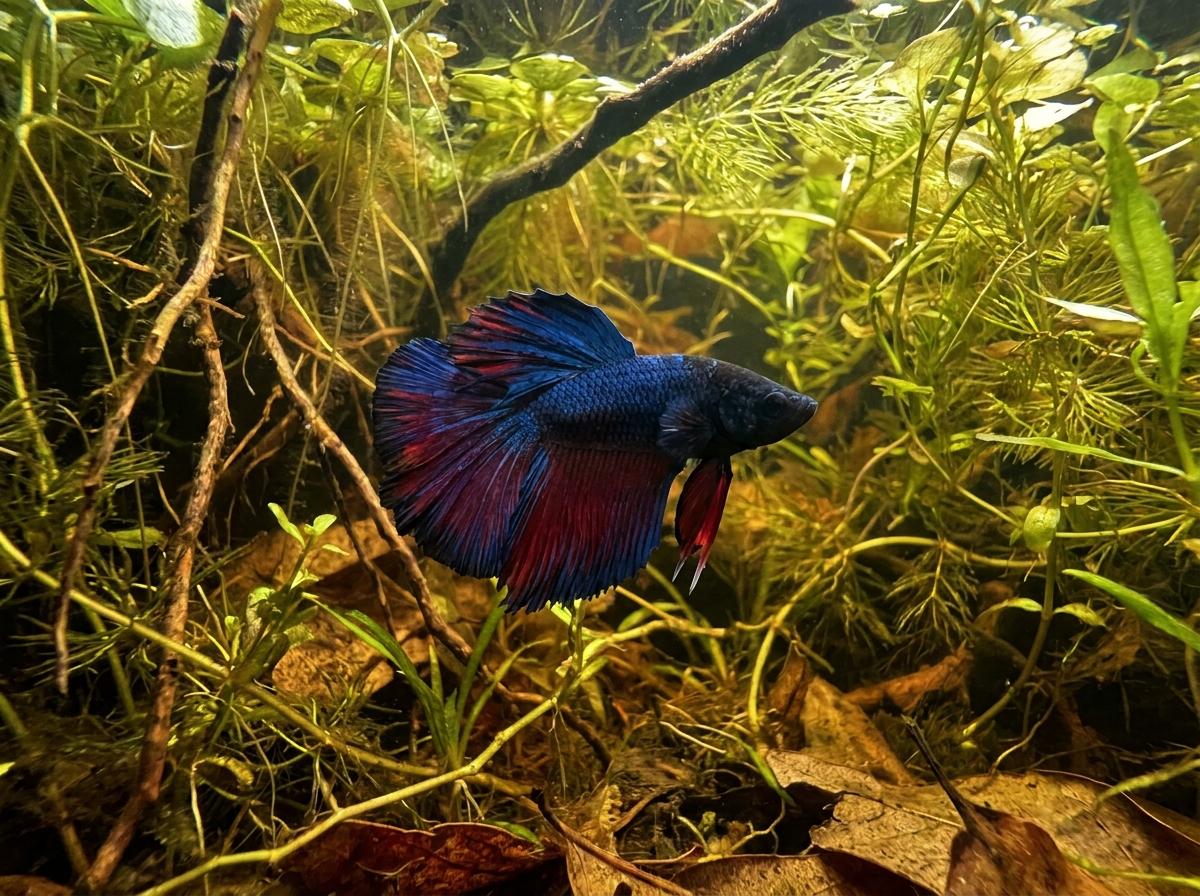
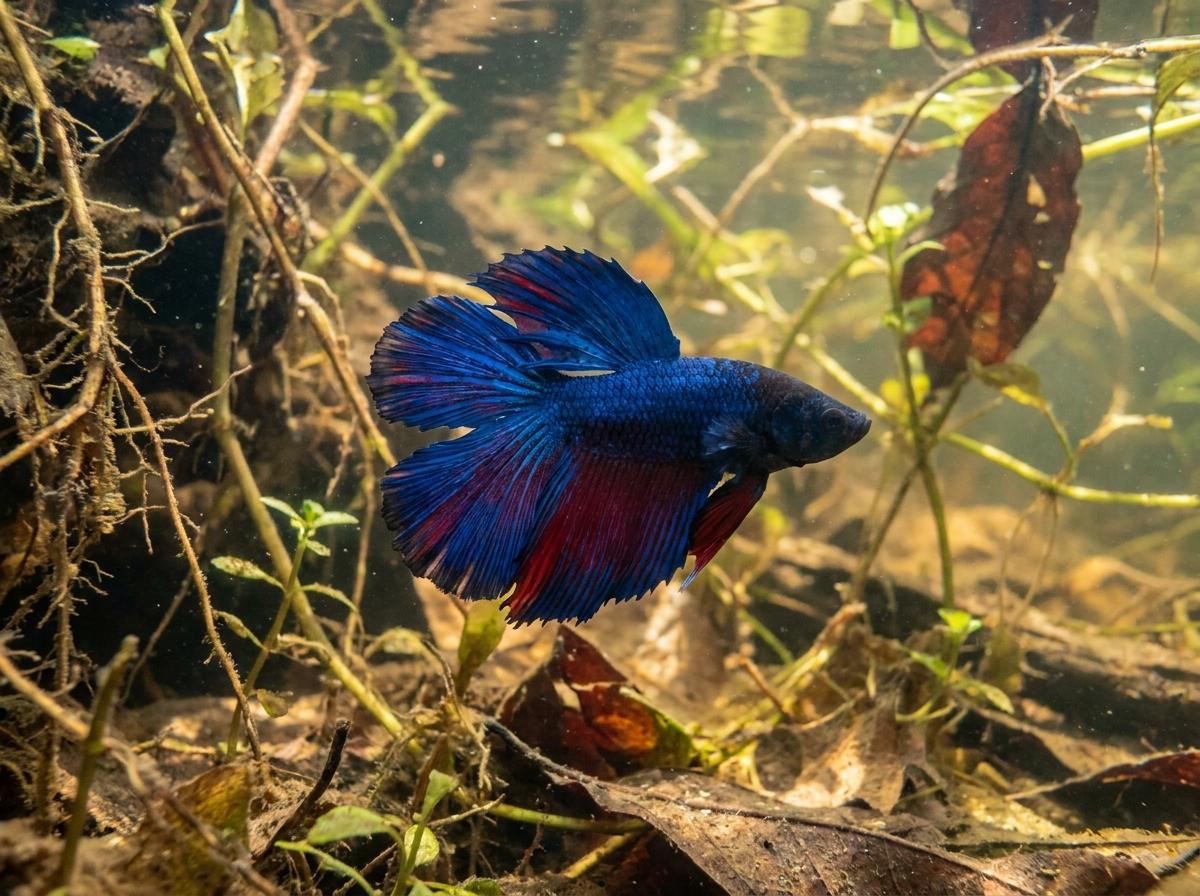
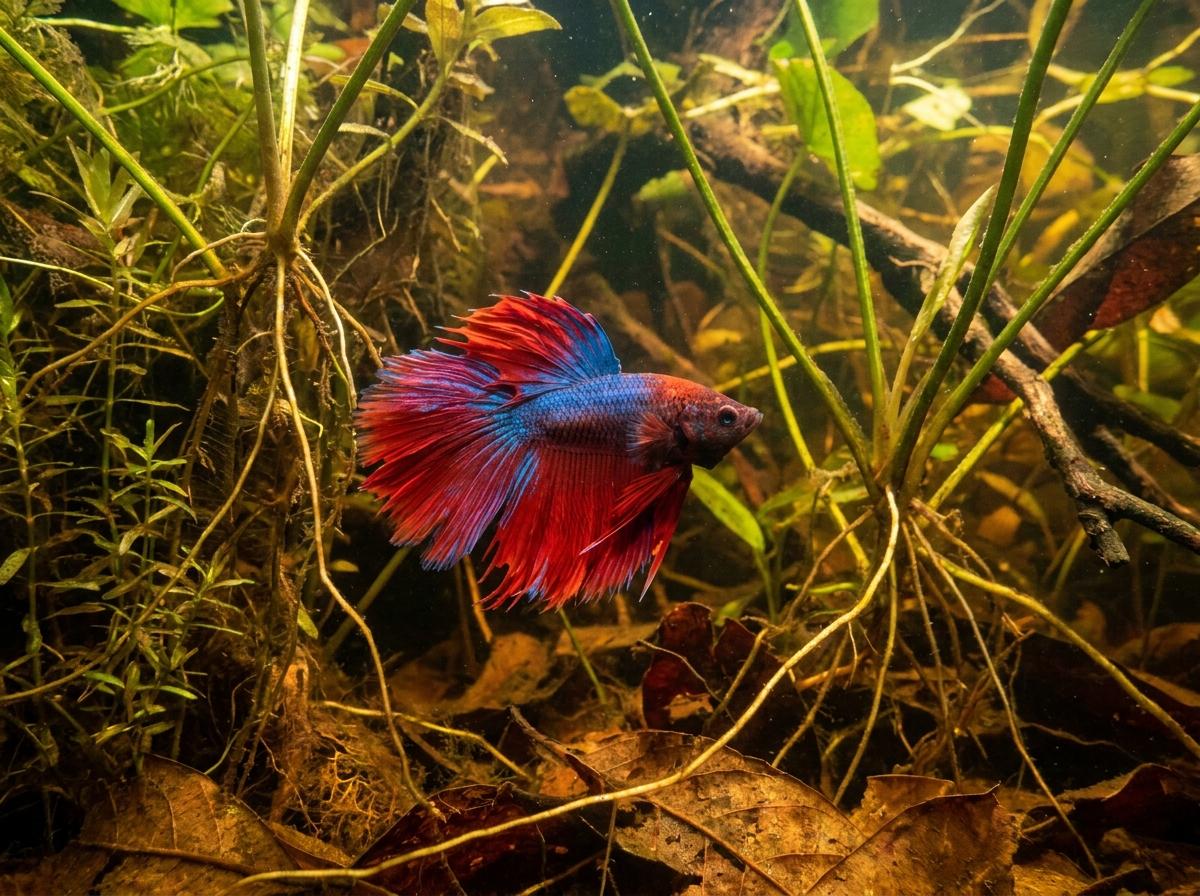
The betta fish, or Siamese fighting fish (Betta splendens), is a small tropical freshwater fish from the shallow, weedy ponds and rice paddies of Thailand and its neighbors, and nearly every betta in a pet store is the same species. What changes from fish to fish is the label. Breeders sort bettas by tail type, by color and by pattern or scale, and the International Betta Congress, the hobby’s main show body, judges six fin forms (halfmoon, crowntail, plakat, doubletail, large pectoral and veiltail) against a written standard. A domestic betta grows to about 2.5 inches long and averages 3 to 5 years in good care, which means a heated, filtered tank and no other betta to fight. To find a fish from a known line, browse the betta breeders and clubs in the Creatures directory, or set a free alert so you hear when a betta is listed for sale.
Betta names are the first thing to untangle, so this guide starts there: what each tail type, color and pattern actually tells you, and how the pet-store fish relates to its wild Betta cousins. The later sections answer what new keepers ask next: price, lifespan, the tank and daily routine a betta needs, spawning, choosing a healthy fish and what to write down, with links to the betta guides that go deeper. When your new fish needs a name, the free betta fish name generator has ideas, and a free Creatures profile for your betta (how to add one) keeps its photos, line and records in one place.

| Species | Betta splendens, the Siamese fighting fish; a labyrinth fish in the gourami family (Osphronemidae) |
|---|---|
| Main types | Six show fin forms: halfmoon, crowntail, plakat, doubletail, large pectoral and veiltail; colors judged as single color, bicolor or patterned |
| Adult size | About 6 to 6.5 cm (roughly 2.5 in) for domestic fish; giant lines grow larger |
| Lifespan | Average 3 to 5 years in good care; about 2 years in laboratory colonies |
| Tank | 5 gallons (about 19 liters) or larger, covered, gently filtered and heated to 76 to 81°F |
| Diet | Carnivore: a betta pellet or flake once or twice a day, with brine shrimp or bloodworms as treats |
| Social needs | One betta per tank; never two males together |
| Breeding | The male builds a bubble nest; eggs hatch in about 1 to 2 days; a laboratory study averaged about 250 eggs per spawn |
| Price (October 2026) | $3.99 to $19.99 at one national pet chain; breeder and show fish vary widely |
Browse listings, public profiles, breeders, or add your animal.
Betta fish types: tails, colors and patterns
Almost every domestic betta is the same species, so “betta breeds” really means varieties, and a variety name is a stack of separate traits. A fish sold as a “red dragon scale halfmoon” carries three labels: a color (red), a scale type (dragon scale) and a tail type (halfmoon). Sort any betta name into those buckets (tail, color, pattern or scale) and most of the confusion goes away, and an empty bucket tells you what to ask the seller. Bettas are a fancy in the old sense, like show canaries: keepers breed toward named varieties and judge them against a written standard. For bettas that standard is the International Betta Congress (IBC) exhibition standards, which the IBC updates every show season. Many names you will see for sale, from super delta to samurai, appear nowhere in them. Creatures keeps a page for each variety, with its breeders and listings, in the variety list further down this page.
| Tail type | Veiltail, delta and super delta, halfmoon, rosetail, crowntail, plakat, doubletail, dumbo or elephant ear |
|---|---|
| Single color | Red, black, yellow, orange, clear (cellophane), blue, steel, turquoise, green, pastel, opaque and metallic shades such as copper |
| Bicolor | One body color with fins of another; a Cambodian is a flesh-colored body with colored fins |
| Pattern or scale | Butterfly, marble, koi, multicolor, grizzle, dalmatian, black orchid, dragon scale, alien |
| Size | Standard, or giant lines that keep growing |
| Species | Domestic Betta splendens, plus dozens of wild Betta species kept by specialists |
Tail types
Tail shape is the trait most people notice first, and it is the one that matters most for care, because the bigger the fins, the more weight and drag the fish has to carry. Wild bettas are short-finned. A 2022 genome study of 727 bettas traced the long-fin trait of veiltails, halfmoons and crowntails to a single region of the genome, and breeders have long known that long fins are dominant over short ones.

- Veiltail. The IBC calls it the oldest long-finned show betta: a long tail that climbs from the body and then sweeps down to one side in a soft point, with no symmetry. It is the classic pet-store betta and usually the cheapest. See the veiltail betta page.
- Delta and super delta. Tails that open into a fan without reaching a full half circle: a delta is a narrower triangle, a super delta a broader fan. Neither is an IBC class, because the IBC’s general standard holds that the ideal single tail spreads to a perfect 180 degrees and faults anything less. Our super delta betta guide explains the gap and what it means for a buyer.
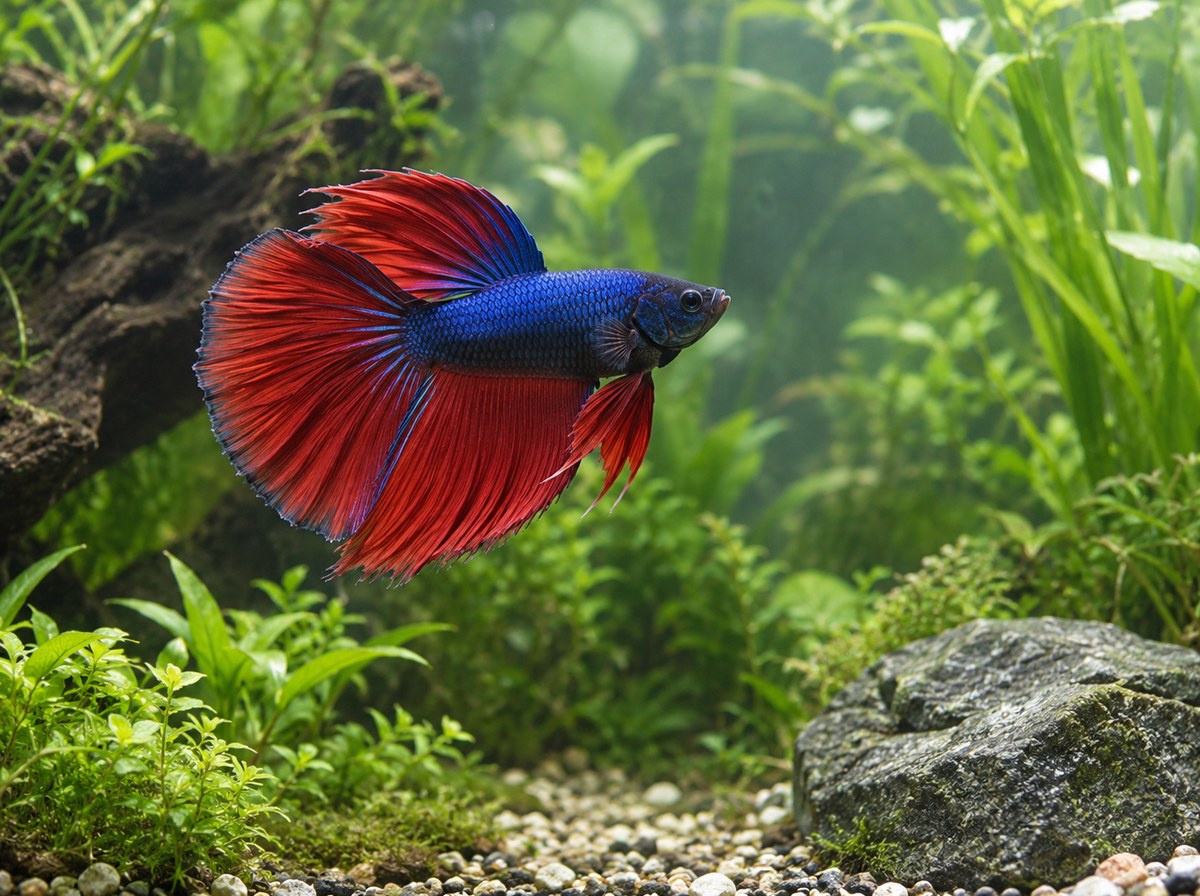
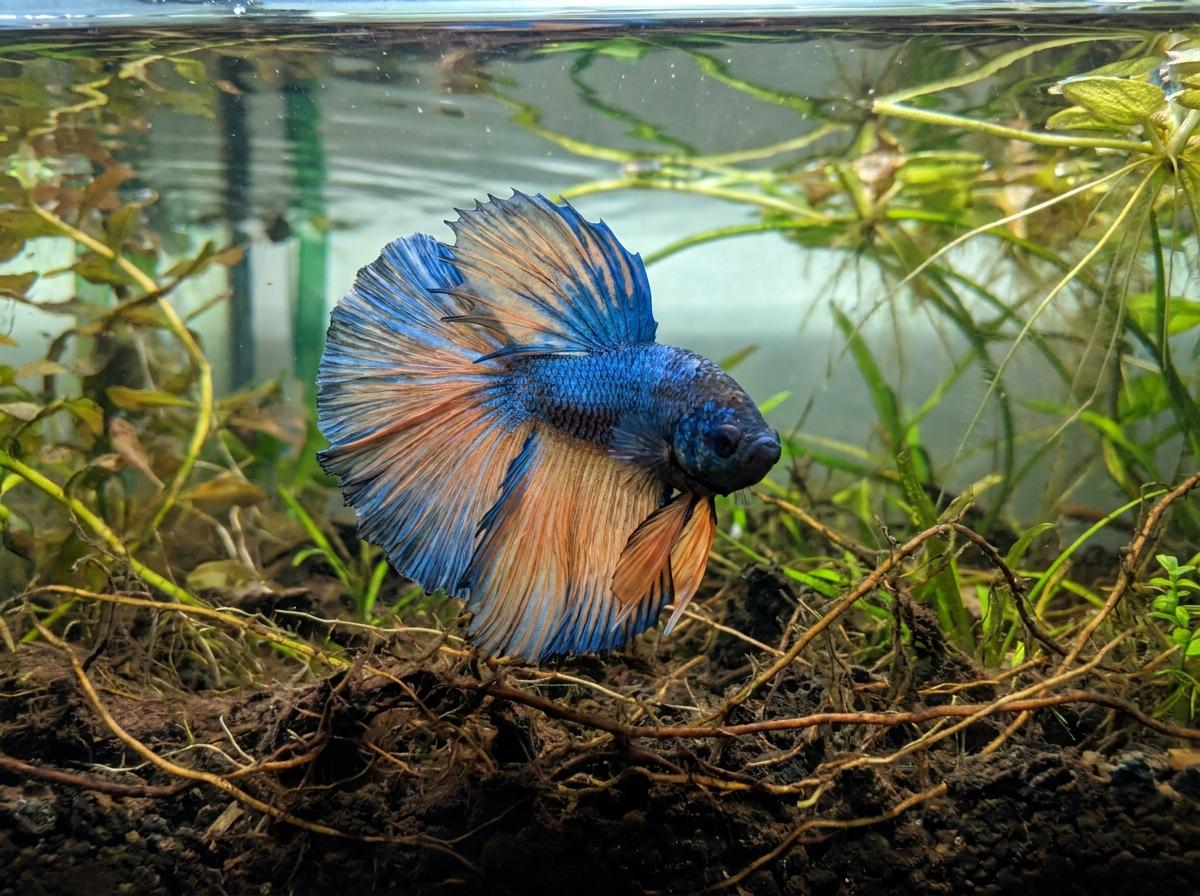
- Halfmoon. The IBC defines the halfmoon as a tail that spreads 180 degrees into “a crisp letter D.” In the halfmoon class, a tail more than 15 degrees short of that is disqualified, and so is one that overshoots by 30 degrees or more. Sellers call halfmoons with heavily branched rays and ruffled edges rosetail or feathertail; neither name is an IBC class.
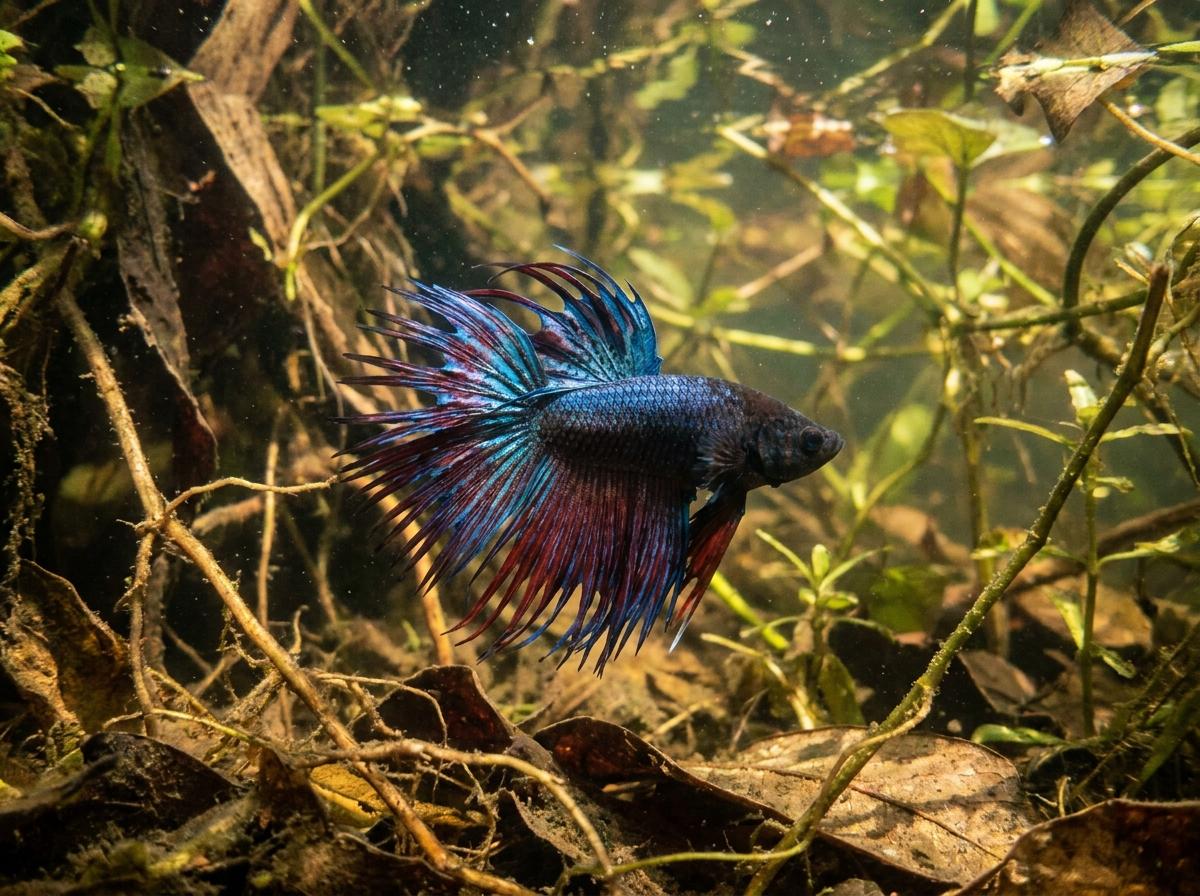
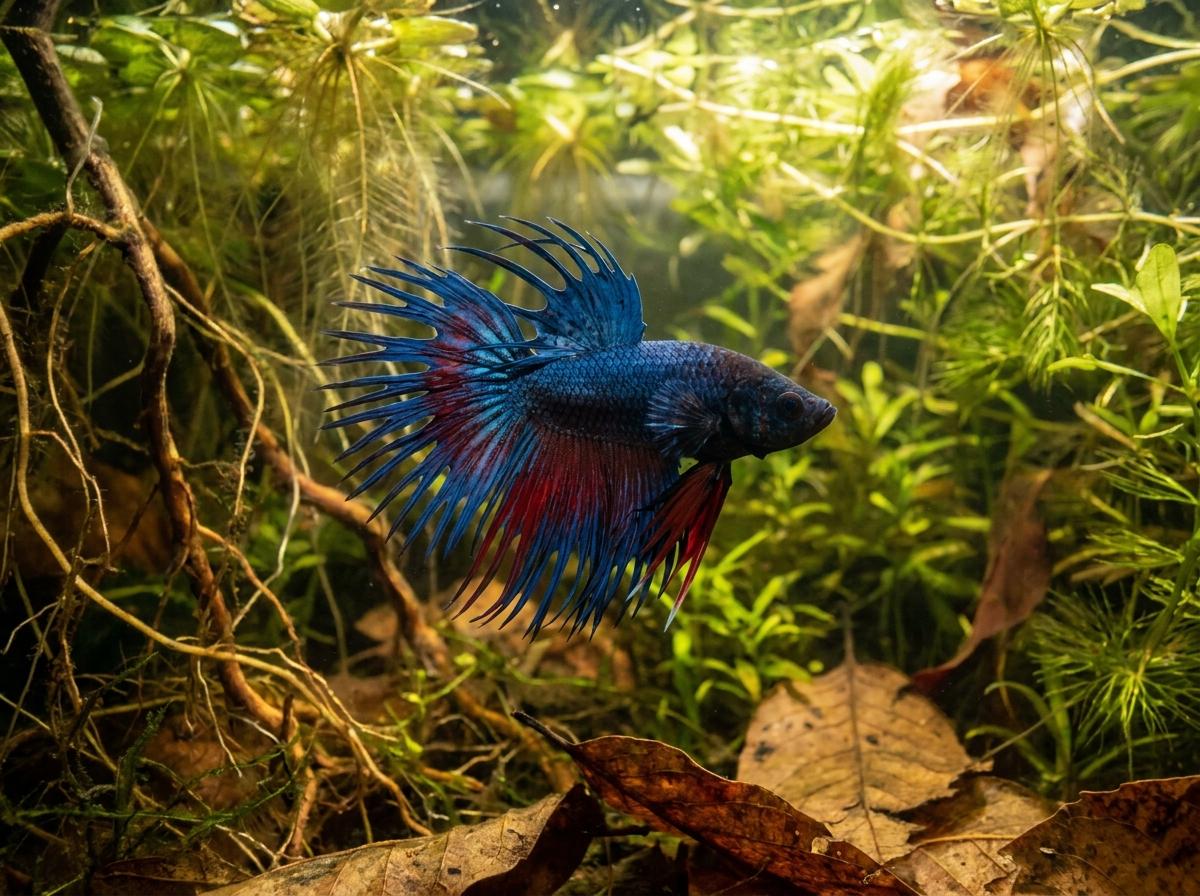
- Crowntail. The fin rays run well past the webbing, so the edges look spiky, like a crown. To show as a crowntail, a male needs the webbing reduced by at least a third of the ray length in each of the tail, dorsal and anal fins.
- Plakat. Short-finned bettas built for fast swimming. The IBC calls plakats the oldest domesticated bettas, derived from fish bred for fighting, with a stouter body and a tail no longer than a third of the body. The standard also expects them to be notably more aggressive than other show bettas. A halfmoon plakat is a short-finned fish with the halfmoon’s 180-degree tail spread.
- Doubletail. The tail splits into two lobes all the way to the base, and the dorsal fin is nearly as big as the anal fin; the body is often chunkier and shorter. The trait is recessive, so two single-tailed parents can both carry it and produce double tail bettas.
- Large pectoral. The IBC’s name for fish sold as dumbo or elephant ear bettas: enlarged side (pectoral) fins that ideally reach about half the body length. The same genome study mapped this trait too.
- Giant. The IBC judges giant bettas as plakats that keep growing for their whole lives, and it faults a giant male whose body is under 6 cm. The genome study traced the extra size to one major region on a single chromosome.
Long fins are beautiful, but they are a cost the fish pays. The IBC disqualifies any fish with “swimming difficulty (due to excess finnage or swim bladder disorder),” which means even the show standard admits fins can grow past what a betta can comfortably carry. If you are choosing a first fish, a plakat or a moderate tail is the easier animal to keep well.
Colors
The IBC builds betta color on 11 primary colors (red, black, yellow, clear, blue, steel, turquoise, green, pastel, opaque and orange) and judges every fish as a single color, a bicolor or a patterned fish.
- Solid colors. A solid betta carries one color on the body and fins. Dark-bodied colors include red, black, blue, steel blue, turquoise and green; light-bodied ones include yellow, orange, pastel and opaque. A metallic sheen sits on top of the base color, and the IBC’s metallic group includes copper, teal and green. Heavy coverings have a limit: the IBC disqualifies any blind fish, and for opaque bettas it disqualifies an opaque covering that has grown over the eyes so far that the fish cannot see.
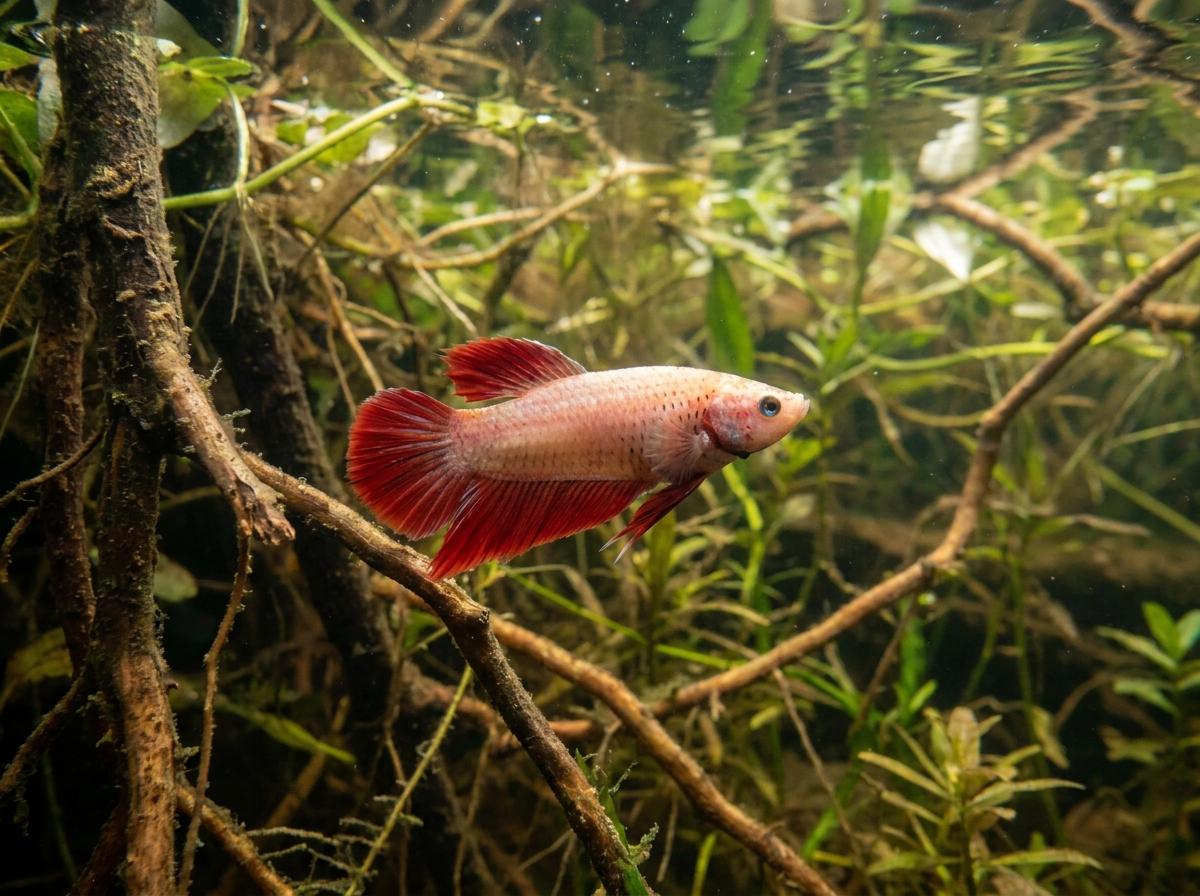
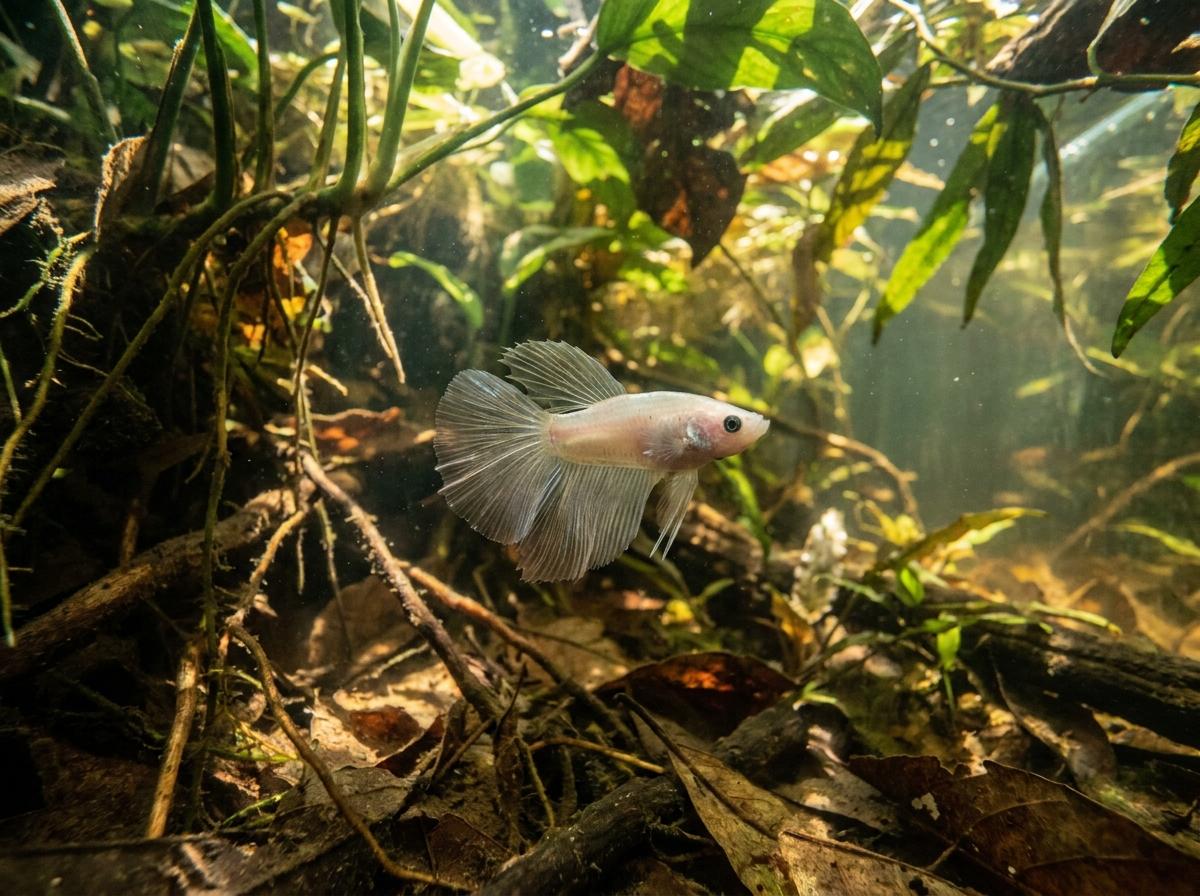
- Cellophane. The IBC treats a cellophane betta as a single color called clear: a colorless, flesh-pink body with transparent fins and dark eyes. An albino looks similar but has red eyes.
- Bicolor. A bicolor has one color on the body and another on the fins, sharply separated, and the best show fish have strong contrast, such as a blue body with yellow fins. A dark green or blue body with yellow to orange fins is the look sellers usually call mustard gas.
- Cambodian. For judging, a Cambodian betta is a flesh-colored body with fins of another color, and a “traditional Cambodian” has red fins. The IBC warns that this judging definition is not the genetic one, which refers to the absence of black pigment.
Patterns and scales
- Butterfly. A butterfly betta has fins divided into crisp bands of contrasting color, either two bands that split each fin in half or three or more equal bands.
- Marble, koi and galaxy. A marble betta carries what the IBC describes as a “jumping gene,” a transposon that strips pigment from patches of the body and fins, so the pattern can change several times as the fish grows. The 2022 genome study counted koi, candy, galaxy, lemon and marble among the commercial names for this mosaic coloring. Koi bettas carry two or more base colors in patches like a koi carp, and fish sold as galaxy koi add iridescent speckling.
- Multicolor. The IBC’s multicolor class asks for at least three colors on the fish, at least one of them bright.
- Grizzle. On a grizzle betta, a gene that blocks pigment in parts of each scale gives the body a peppered or powdered look and the fins swirls and brushstrokes of iridescent color over a pale base.
- Dalmatian and black orchid. A dalmatian is a solid or bicolor fish with contrasting spots on the dorsal, tail and anal fins. A black orchid is a black fish with streaks of dark iridescent color, most often steel blue, between the rays.
- Dragon scale. The IBC defines dragon scale as scales thickened by a heavy layer of metallic color, with a full mask over the head, “giving the appearance of armor plating.” The trade name samurai describes heavy plating of this kind over a dark base, usually on a plakat, and it is not an IBC term.
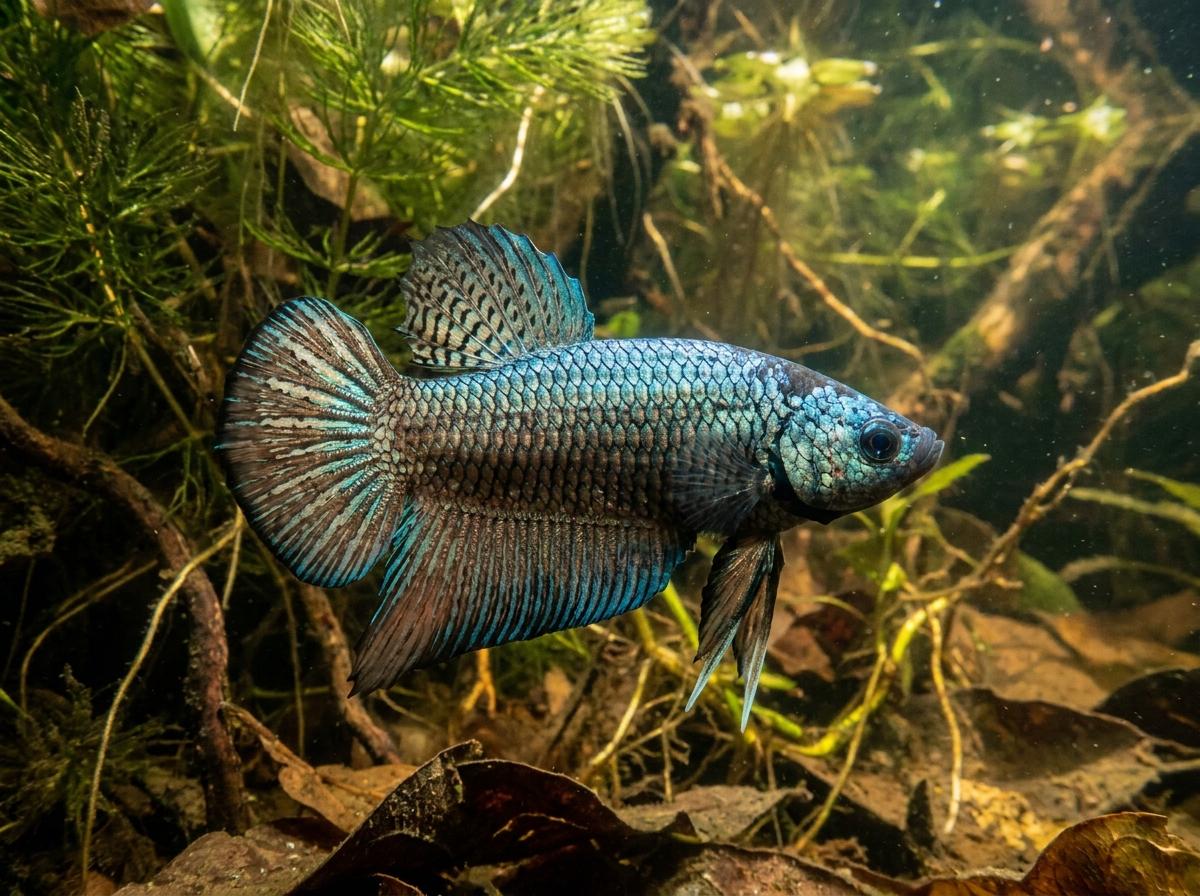
- Alien. An alien betta has dark wild-type bars in the dorsal and anal fins, scales with iridescent centers and dark edges, and a slender body like the wild Betta imbellis. The IBC lists aliens among its hybrid types and notes the strain’s low fertility.
Wild bettas and the domestic betta
The pet betta is one member of a large genus. FishBase lists 78 species in the genus Betta, from fish of about 2 cm to about 14 cm long, and the IBC’s wild betta standard splits them into bubble nesters and mouthbrooders, which carry their eggs in the mouth instead of building a nest, across 12 species groups. Most are specialist fish. Many are shy, and the IBC’s domestic standard notes that species other than splendens, mouthbrooders in particular, are often too nervous in a show container to display.
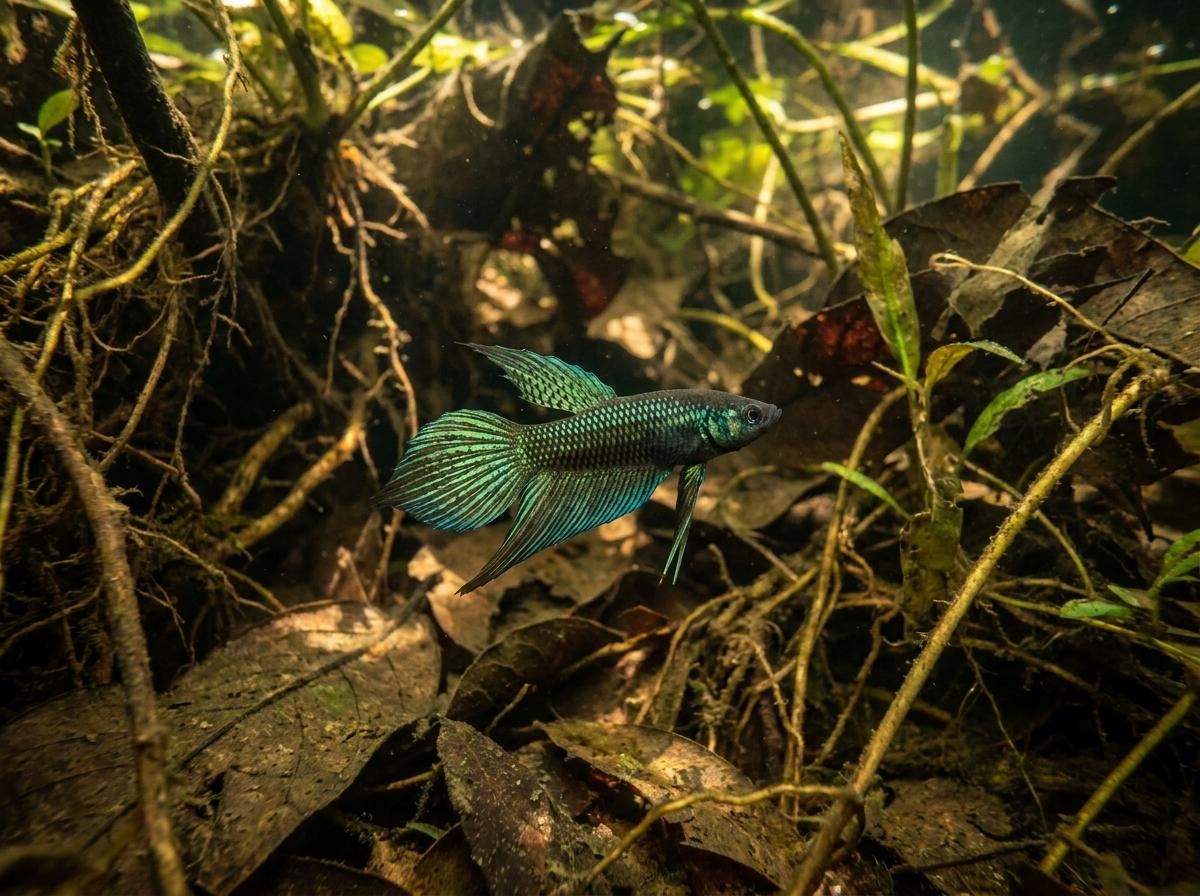
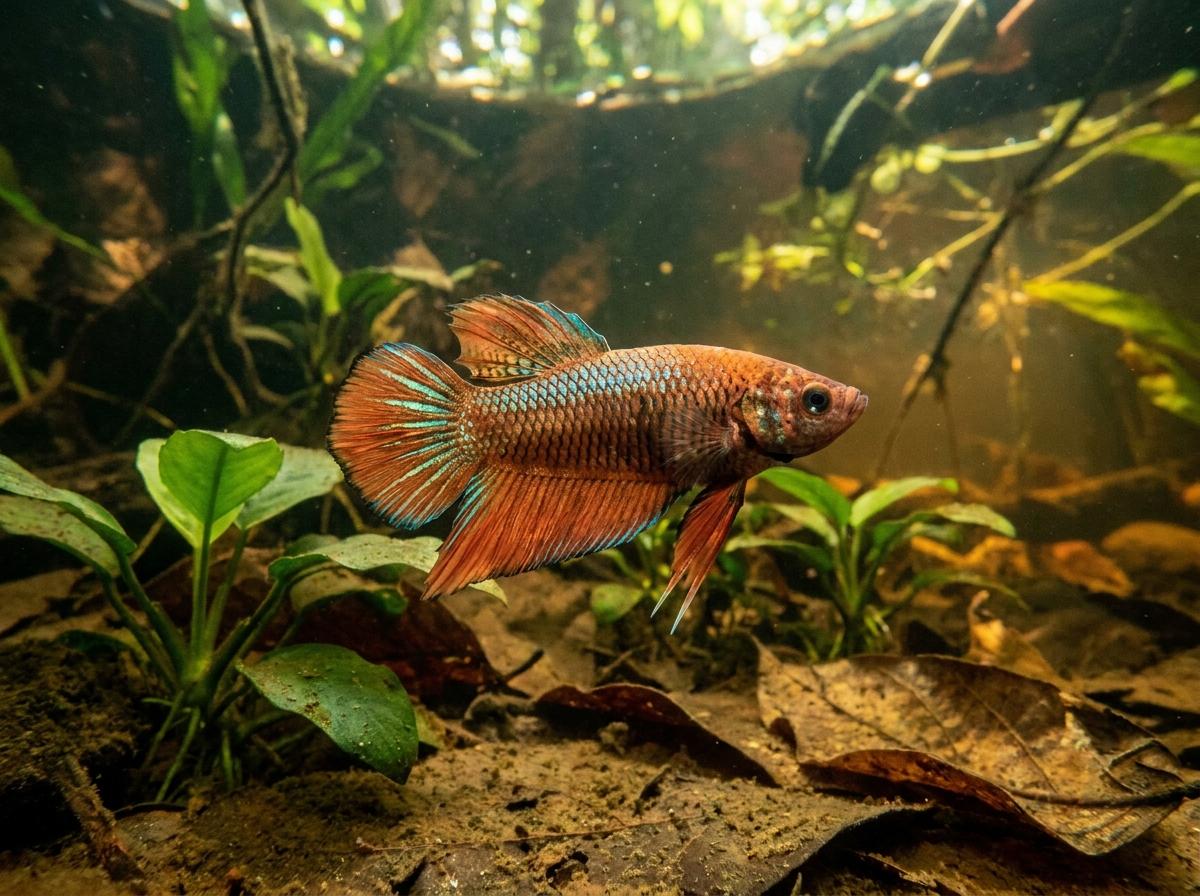
Wild Betta splendens itself looks nothing like a pet-store halfmoon. It is a short-finned, greenish-brown fish of about 5 to 5.5 cm, with red in the fins and rows of iridescent scales, from shallow, heavily planted ponds and rice paddies where the plants hide it from herons, egrets and kingfishers, according to the US Fish and Wildlife Service’s species summary. The wild population is in trouble: it has been listed as Vulnerable on the IUCN Red List since its 2011 assessment, and the IUCN records its population as decreasing.
People have been breeding bettas to fight in Thailand for centuries, with reports going back to the 14th century, which makes them one of the oldest domesticated fish. Breeding for looks began in the early 20th century, according to a 2022 domestication study in Science Advances, which also found that domestic bettas carry genes from other wild species, such as Betta mahachaiensis and Betta imbellis. Breeders who want the original look keep wild-type bettas, domestic fish bred back toward the wild coloring, and the IBC offers a wild-type color class for plakats.
What a betta fish costs
The fish is the cheap part. On October 7, 2026, PetSmart’s online betta listings ran from $3.99 for veiltails and female crowntails, through $7.99 for male crowntails, dragon scales, female halfmoons and doubletail (“twintail”) halfmoons, to $19.99 for male halfmoons, dumbo halfmoons and a “premium” rose petal male. Fish from specialist breeders, show lines and imported fish cost more, but prices swing too widely with fin quality, color, the breeder and shipping to quote one honest number. Judge the individual fish and ask what you are paying for: a named line with a spawn date, or a label.
The tank costs several times what the fish does. The same chain’s 5-gallon tanks were $59.99 to $69.99 for the tank alone that day, and 5-gallon kits with a light and filter $111.99 to $131.99, before you add an adjustable heater, a thermometer, a water conditioner, a test kit, plants and a lid if the kit lacks one. Skip the bowls and mini kits marketed for bettas: anything under 5 gallons is smaller than the tank a University of Illinois zoological medicine specialist recommends for one betta (see the tank section below). After setup, the yearly costs are modest: food, water conditioner, replacement filter media and the electricity to run a heater all year, plus a replacement heater every so often.
How long do betta fish live?
Bettas have an average lifespan of 3 to 5 years, according to RSPCA Queensland, which adds that many have their lives cut short by poor care. The research figure is shorter. A Columbia University team that keeps a breeding colony reports in its care guide for research bettas that bettas live about 2 years under laboratory conditions, and FishBase lists a maximum reported age of just 2 years. Keepers often report longer lives in good home tanks, but we found no published study that measures home-tank lifespan, so plan on a few years and treat 5 as a good run rather than a promise.
What shortens a betta’s life is mostly avoidable: cold water, a small unfiltered container where waste builds up, overfeeding and constant stress from another betta or a reflection. Space and furnishings make a measurable difference. A 2024 study in Animal Welfare rotated 13 male bettas through a 1.5-liter jar, 3.3- and 5.6-liter tanks and two 19.3-liter (about 5-gallon) tanks, one furnished with gravel, a plant and a hideout and one left bare. In the large furnished tank the fish were significantly more active and spent less time resting and on abnormal behaviors such as hovering and repetitive swimming than in the smaller tanks, and the bare large tank brought more abnormal behavior than the furnished one. Age matters too. Bettas mature fast (in the research colony, males start building bubble nests by 8 weeks), so a male with full adult fins in a store cup is likely several months old, and his exact age is usually unknown. A breeder’s spawn date is the only reliable start for the clock.
Betta fish care basics
A betta’s needs are simple, but they are not the bowl-on-a-desk picture the fish is often sold with. University of Illinois veterinarian Dr. Krista Keller, a board-certified specialist in zoological medicine, is direct about it in the university’s betta care column: bettas “should not live in bowls,” and they should ideally have “a 5-gallon glass or plastic tank or larger.”

The tank
Give one betta at least 5 gallons (about 19 liters). That matches the welfare research above, where the furnished 19.3-liter tank produced the most normal behavior; the study’s authors recommend at least 5.6 liters just for display in shops “and tanks larger than this for keeping Siamese fighting fish at home.” RSPCA Queensland puts the minimum at 15 liters and calls 20 or more ideal.
Fit a lid, because bettas jump, and leave a gap of air between the water and the lid, because a betta breathes from the surface. Plant the tank with several plants of different heights, live or silk, so the fish has cover and broad leaves to rest on near the surface, and choose smooth ornaments that cannot tear long fins. Leave open water too: Dr. Keller warns that decorations should never take up so much of the tank that they push the fish to the edges. Never put a mirror in a betta tank. RSPCA Queensland notes that frequent flaring at a reflection leads to stress and exhaustion.
Heat, filtration and clean water
Bettas are tropical fish, and most homes are too cool for them. Dr. Keller’s range is 76 to 81°F (about 24 to 27°C), held with an in-tank heater and checked with a thermometer you actually read. The wild fish live warmer still: the Fish and Wildlife Service summary cites an average of about 29.9°C (86°F) in natural betta water during the breeding season.
Bettas are labyrinth fish. A special organ lets them gulp air at the surface, and the Fish and Wildlife Service summary notes they can survive oxygen levels low enough to kill most fish, which helps explain why they are so often sold in cups and bowls. Breathing air does nothing about ammonia from waste and uneaten food, though, so a betta still needs a filter. Pick one with a low or adjustable flow; Dr. Keller warns that a strong filter’s suction can injure delicate fins.
Start the filter before the fish. The Merck Veterinary Manual describes “new tank syndrome,” a water quality crash that usually strikes within the first 6 weeks after a beginner sets up a tank, before the filter’s bacteria can keep up with the ammonia. One way to avoid it is to cycle the tank before any fish goes in, testing for ammonia, nitrite and nitrate as the filter matures. Treat tap water with a dechlorinator, and do not use distilled water, which lacks the minerals fish need. Change about 10 percent of the water each week, as RSPCA Queensland advises, using a gravel vacuum to pull waste off the bottom.
Feeding
Bettas are carnivores. In the wild they eat mosquito larvae and other water insects, and a pet needs a quality betta pellet or flake as its staple. Dr. Keller’s rule is to feed each day only what the fish eats in 3 to 5 minutes, with nothing left over; RSPCA Queensland suggests one or two small meals a day of 2 or 3 pellets. Brine shrimp, bloodworms and daphnia make good treats in moderation. Ignore the old claim that a betta in a vase can live on plant roots. Plants are cover, not food, and overfeeding fouls the water and makes a betta fat.
One betta per tank, and tank mates
Never keep two male bettas together. They fight and injure each other, often to the death, and even the research colony houses adult males alone and puts opaque dividers between neighboring tanks so they cannot display at each other. Females are aggressive too. RSPCA Queensland says females can share a tank in groups of more than four, and the laboratory colony has housed females together under close watch, but Dr. Keller’s advice is no other bettas at all. A group of females (a “sorority”) is a project for an experienced keeper with a spare heated tank ready for the first bully, not a beginner’s setup.
Other tank mates are possible but not necessary. RSPCA Queensland advises only short-finned, plain species with a male betta, and Dr. Keller names snails, ghost shrimp, certain small fish and African dwarf frogs, as long as the tank and filter grow to match. Our guide to the best freshwater aquarium fish for beginners covers which community fish get along with a betta and which ones nip fins.
Health
Know what a healthy betta looks like: alert, fins held open rather than clamped against the body, swimming and holding position easily and eating with interest. Diseases that hit bettas include bacterial fin rot, columnaris (“cotton wool” disease), velvet, a parasite that flourishes in poor water, and mycobacteriosis, which can also cause skin lesions in people, so follow the CDC’s advice to wear gloves for tank work if you have cuts on your hands and to wash up afterward. Poor water quality is the most common cause of environmentally induced disease in fish, the Merck manual’s water quality chapter notes, so test the water first whenever a fish looks off. Then call a veterinarian who treats fish rather than guessing at a shelf medication. Fish vets exist (there is even a board certification in fish practice), and our guide to finding an exotic animal vet explains how to locate one. The super delta guide explains how to tell a fish biting its own fins from fin rot, which look similar at first glance.
Breeding bettas
Betta breeding is a short, intense event followed by months of work. The male blows a bubble nest of mucus-coated bubbles at the surface, the pair spawn beneath it, and the male guards the eggs and newly hatched young, according to the Columbia research colony’s care guide. Breeders condition the pair first with live foods: when that colony fed its adults only dried food, its mating success fell to about 30 percent.

The IBC’s beginner’s guide to bettas sets out one experienced breeder’s method. Set up a covered 5-gallon spawning tank at 80°F with only 4 to 6 inches of water, so the male does not have far to swim when he retrieves falling eggs. Add the female inside a clear glass chimney so the male can see her and build his nest without reaching her, then release her once he has a nest started. The guide’s author found most pairs spawned on the second day. In the research colony’s account, spawning takes about 5 hours on average: the female releases eggs a few at a time, and the male gathers about 90 percent of the falling eggs in his mouth and places them in the nest. Clutches in the research colony ranged from 12 to 492 eggs, with an average of 252. Remove the female afterward, because the male will chase her off.
At 28°C (about 82°F), the eggs begin hatching 29 to 44 hours after fertilization, the young start swimming at about 3 days and live on their yolk for about 5. The IBC guide removes the male once the fry are swimming on their own, so he does not eat them, then feeds tiny live foods such as newly hatched brine shrimp and microworms several times a day. The research colony starts its fry on rotifers.
The hard part comes after. A good spawn can mean a couple of hundred young fish, and from about 8 weeks young males start building nests and must soon be housed apart, each in his own heated container. The IBC guide moves fry to a larger tank at about 2 months and notes that the standout fish show themselves between 2 and 5 months. Plan where every male will live before you put a pair together. A few genetic points help when you choose a pair:
- Long fins are dominant over short fins, so a long-finned parent can hide a short-finned gene but not the other way around.
- Doubletail is recessive. Two single-tailed fish that both carry it will throw some doubletail babies, and single-tailed carriers usually show wider-based fins.
- Black (melano) females have traditionally been unable to produce viable young, so breeders of black lines usually pair a black male with a steel blue female that carries the gene. The IBC guide adds that some melano lines now have fertile females, so ask the breeder.
- In the research colony, females needed at least 4 weeks between spawns, and no fish older than 40 weeks spawned successfully, so breed young, well-fed fish and rest the female.
Buying a betta
You can buy a betta almost anywhere, which is the problem: a betta in a cup tells you very little about where it came from. Three places give you more:
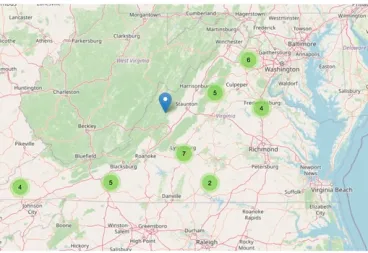
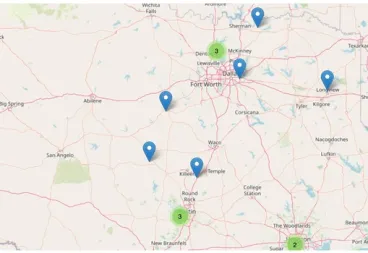
- Specialist breeders. A breeder can tell you the fish’s spawn date and line, show you the parents and photograph the fish flaring so you can see its true tail type. You can filter the betta breeders and clubs on Creatures by state. Most of those entries were gathered from public sources, so reach out and confirm what a breeder has before you plan around it.
- Clubs and shows. IBC chapters run shows where serious breeders bring their fish, and the IBC’s show manual notes that auctions follow most betta shows. A local betta or aquarium club is also a good place to ask about adult fish that need new homes.
- Pet stores. Fine for a pet if you choose carefully. Look at every fish, not just the one at the front.
Whoever you buy from, look for the same things. A healthy betta is alert, holds its fins open, swims and holds position easily and comes to the front of its container; a fish lying on the bottom, struggling to stay up or listing to one side is telling you something. Check the fin edges: clean, even margins are good, while sharp notches suggest fin biting and a ragged, discolored edge suggests rot. Ask what temperature the fish has been kept at, how old it is, and what the seller means by its tail-type name; a young fish sold as a future halfmoon may not finish as one. And be wary of anyone who sells a betta with a bowl and tells you it needs no heater or filter.
Bring the fish home to a tank that has already been cycled, and if you keep other fish, give the newcomer a tank of its own first. The Merck Veterinary Manual strongly recommends quarantine for pet fish, with 30 days as the minimum and separate nets and buckets for the quarantine tank.
Records to keep
A betta lives only a few years, and records help those years go well; they are also what separate a breeder’s documented line from an anonymous store fish. The IBC beginner’s guide’s own advice is to label each spawning tank with the spawn number and the parents and to write down three dates: the day the pair went in together, the day they spawned and the day the fry hatched. For any betta, it pays to record:
- where and when you got it, the seller, and its spawn date and line if known;
- its tail type, color and pattern, with dated photos (a marble’s colors can change several times as it grows, so photos are the only proof of what it looked like);
- tank checks: temperature, ammonia, nitrite and nitrate results, and every water change and filter clean;
- any symptoms, the vet’s diagnosis and treatment, and the outcome;
- for breeders, every pairing, spawn and hatch date, the fry count, and which young males were moved to their own tanks and when;
- for exhibitors, show entries and results. IBC self-bred classes are for fish the exhibitor bred and raised, and a bought fish must have been owned for at least a month before it can be shown in the collector classes, so your own spawn records are your proof.
A free Creatures profile is the place to keep all of this for each fish: photos, its line and every record above, plus repeating reminders for chores like the weekly water change or a monthly filter clean. If you breed, linking a fish’s sire and dam builds its family tree on the profile, and a fish you sell can be transferred to the buyer with its history attached. The help articles on adding a record, health and medical records and pedigree, family and lineage show each step. If the new fish still needs a name, try the betta fish name generator or the general fish name generator.
Frequently asked questions
How long do betta fish live?
RSPCA Queensland puts the average at 3 to 5 years in good care. Research colonies report about 2 years, and keepers often report longer lives in a well-kept home tank. Warm, clean, filtered water in a tank of 5 gallons or more, careful feeding and no other betta to fight are what give a fish its best chance.
What are the main types of betta fish?
Bettas are sorted by tail type, color and pattern. The International Betta Congress judges six fin forms: halfmoon, crowntail, plakat (short fin), doubletail, large pectoral (dumbo) and veiltail. Colors are judged as single color, bicolor or patterned, which covers names such as Cambodian, butterfly, marble, koi and dragon scale. Delta, super delta, rosetail and samurai are trade names rather than show classes.
What is the scientific name of the betta fish?
Betta splendens, also called the Siamese fighting fish. It is a labyrinth fish in the gourami family (Osphronemidae) from Thailand and neighboring countries, and nearly every pet-store betta, whatever its tail or color, is this one species (a few strains, such as aliens, are hybrids with its wild relatives).
How many species of betta are there?
FishBase lists 78 species in the genus Betta. Only one, Betta splendens, is the common pet; the rest are wild species kept mostly by specialists, divided by the IBC into bubble nesters and mouthbrooders. Wild Betta splendens is listed as Vulnerable on the IUCN Red List.
How much is a betta fish?
On October 7, 2026, one national pet chain listed bettas from $3.99 for a veiltail to $19.99 for a male halfmoon or dumbo halfmoon. Fish from specialist breeders and show lines cost more and vary too much to quote one figure. The tank, heater and filter usually cost several times what the fish does.
What size tank does a betta fish need?
At least 5 gallons (about 19 liters), with a lid, a heater and a gentle filter. A University of Illinois zoological medicine specialist recommends 5 gallons or larger, and a 2024 welfare study found male bettas were more active and showed fewer abnormal behaviors in a furnished 19.3-liter tank than in smaller containers.
Do betta fish need a heater?
Yes. Bettas are tropical fish, and a University of Illinois veterinarian recommends keeping their water at 76 to 81°F, which most homes cannot hold without a heater. Use an adjustable aquarium heater and check it with a thermometer.
What do betta fish eat?
Bettas are carnivores that eat insects and insect larvae in the wild. Feed a quality betta pellet or flake once or twice a day, only as much as the fish finishes in a few minutes, with brine shrimp or bloodworms as occasional treats. Plants are not food.
Can two betta fish live together?
Never two males: they fight, often to the death. Females can also be aggressive. Some experienced keepers house groups of females, with a spare tank ready for the first bully, but the simplest and safest rule is one betta per tank.
Do this next on Creatures
Whether you are choosing your first betta, setting up its tank or breeding your own line, these are the useful next steps, in the order most readers need them.
Get told when a betta is listed. Betta listings are scarce on Creatures right now, so set a free betta listing alert and Creatures emails you when bettas are posted, no account needed to start. Here is how saved searches work.
Find a breeder or club. Search the Creatures breeder directory, or go straight to betta fish breeders and clubs, and ask for a spawn date and a photo of the fish flaring.
See what is for sale. Check bettas on the Creatures marketplace, where sellers pass verification before they can list; bettas are listed only now and then, so the alert above is the faster route to the right fish.
Brought a betta home? Create a free profile for your betta with its tail type, color, photos and where it came from, no account needed to start. The walkthrough is in adding an animal to Creatures, and your animal’s profile page explains each tab.
Keep the tank and health records. Water tests, water changes, treatments and spawns: add a record. The record sheet opens for any visitor to look around, and a free account saves what you enter. See adding a record and reminders and upcoming care to have the weekly water change remind you.
Breed or sell bettas? Breeders and clubs can create a free breeder profile so buyers looking for a particular tail type or color can find you, no account needed to start. See getting listed in the breeder directory and adding your team.
Use the free name tools. Find a name in the betta fish name generator or browse the free fish name generator.