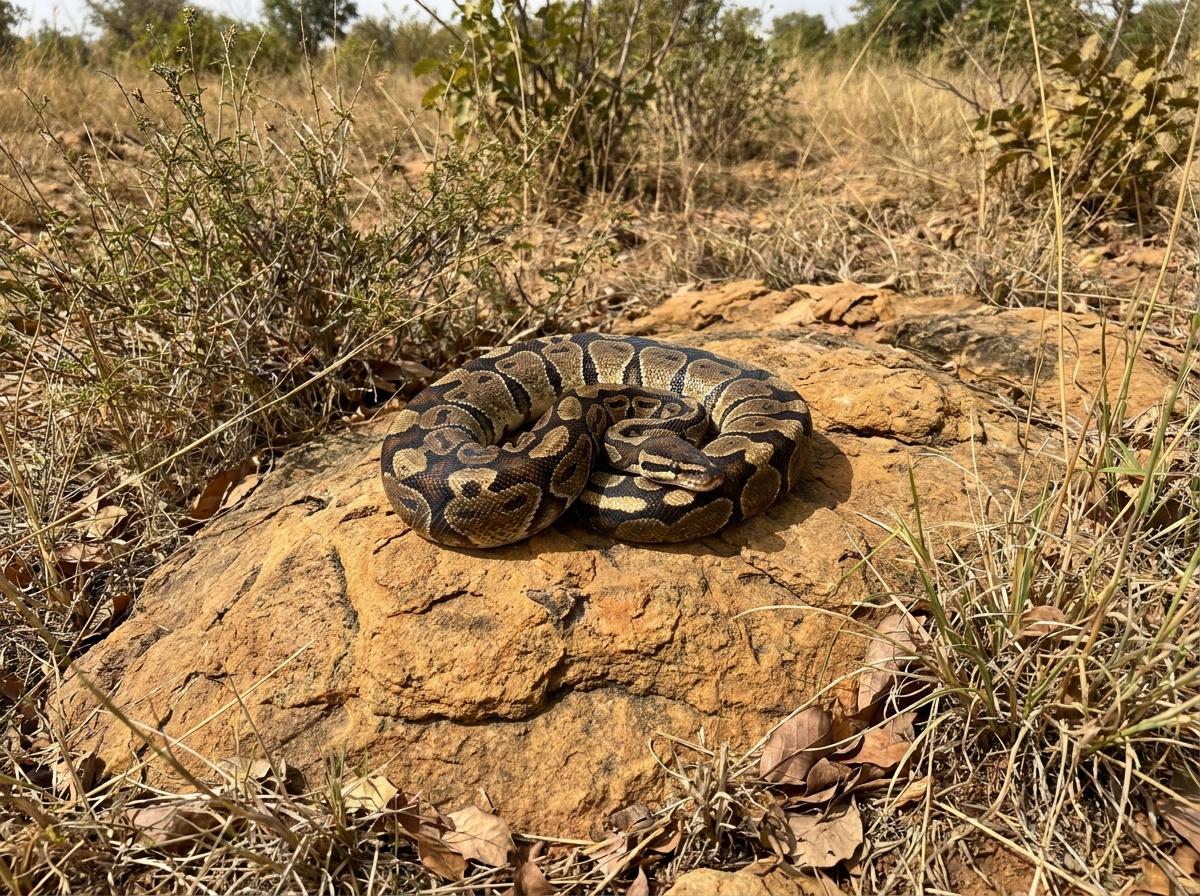
Het Pied
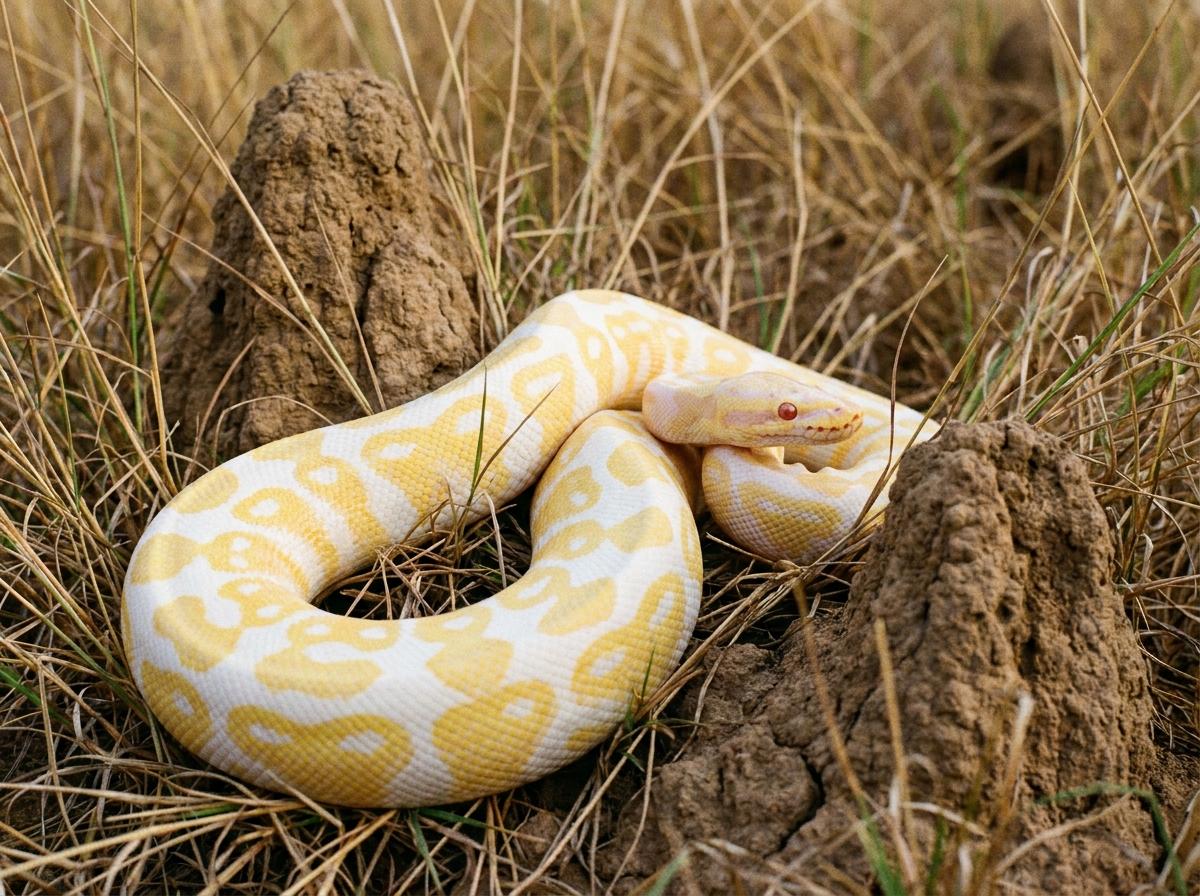
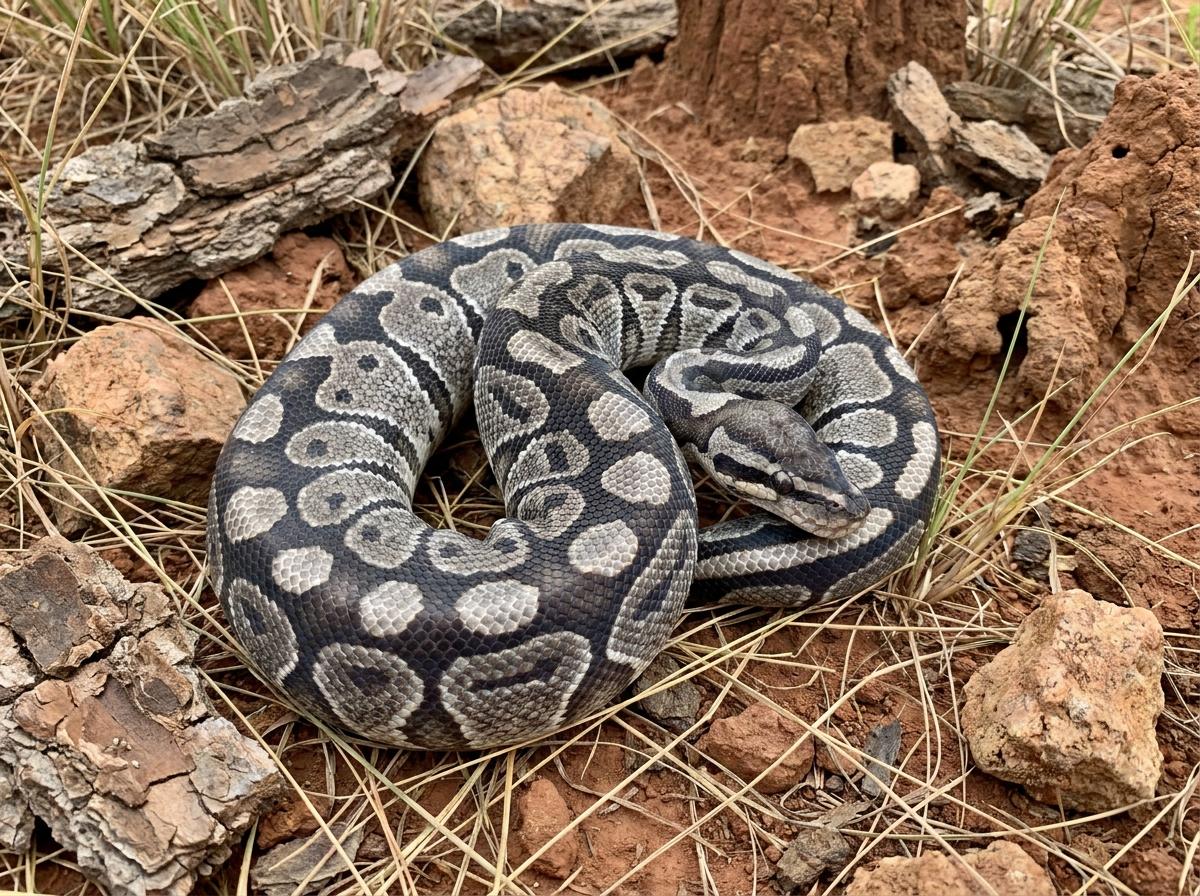
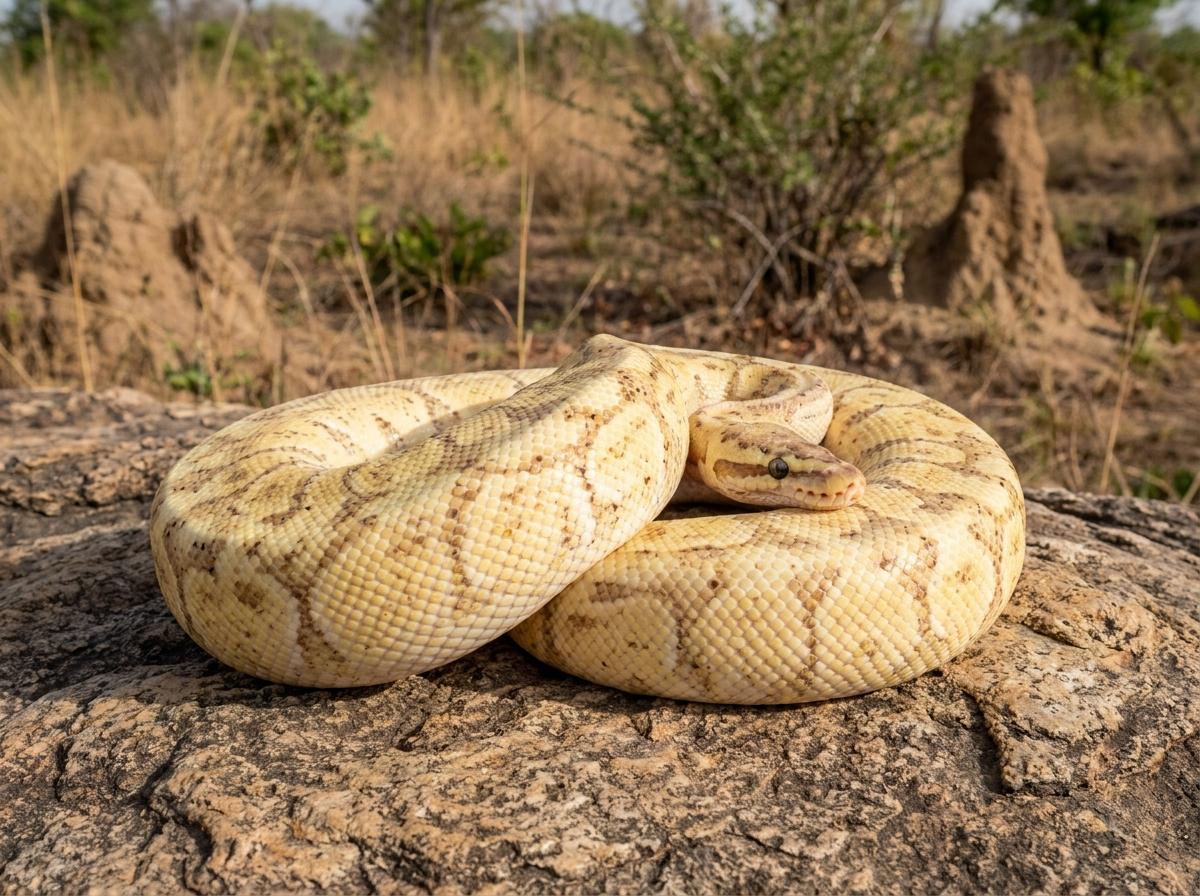
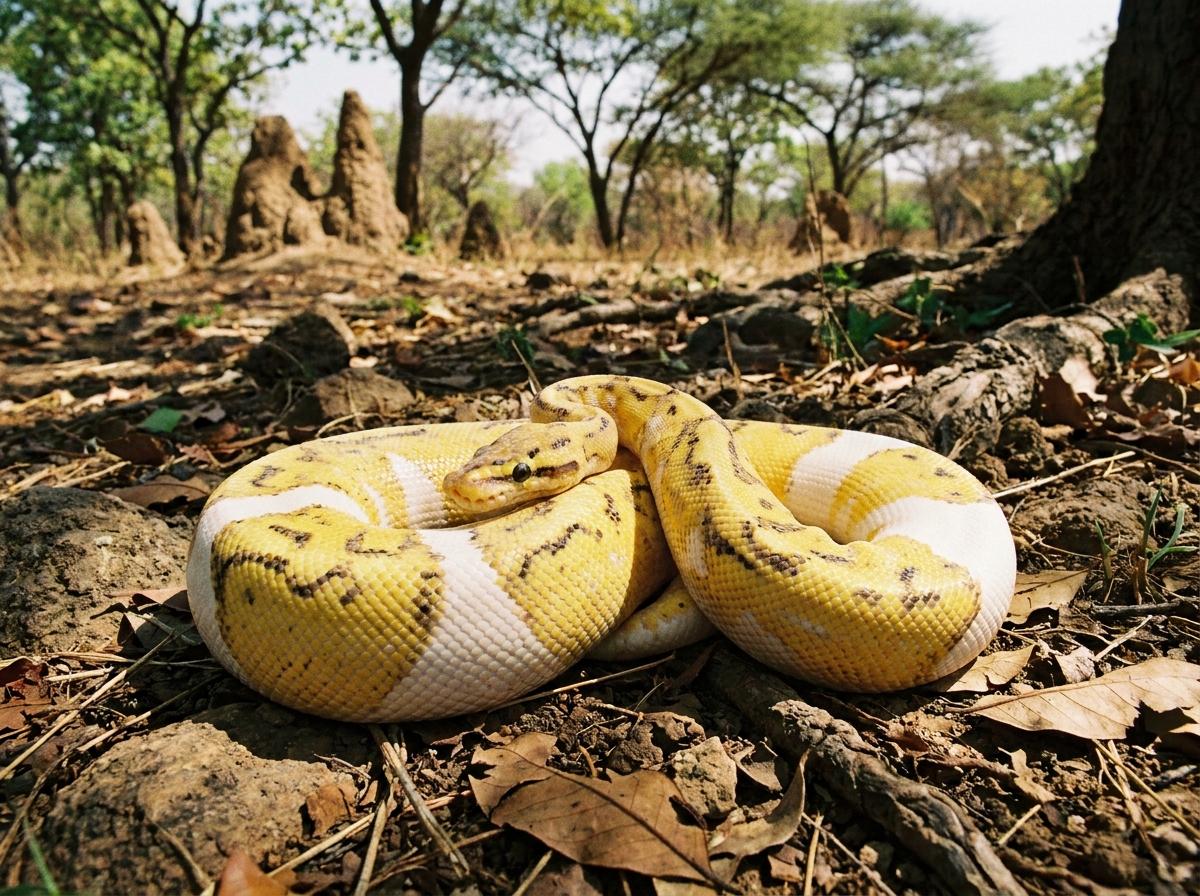
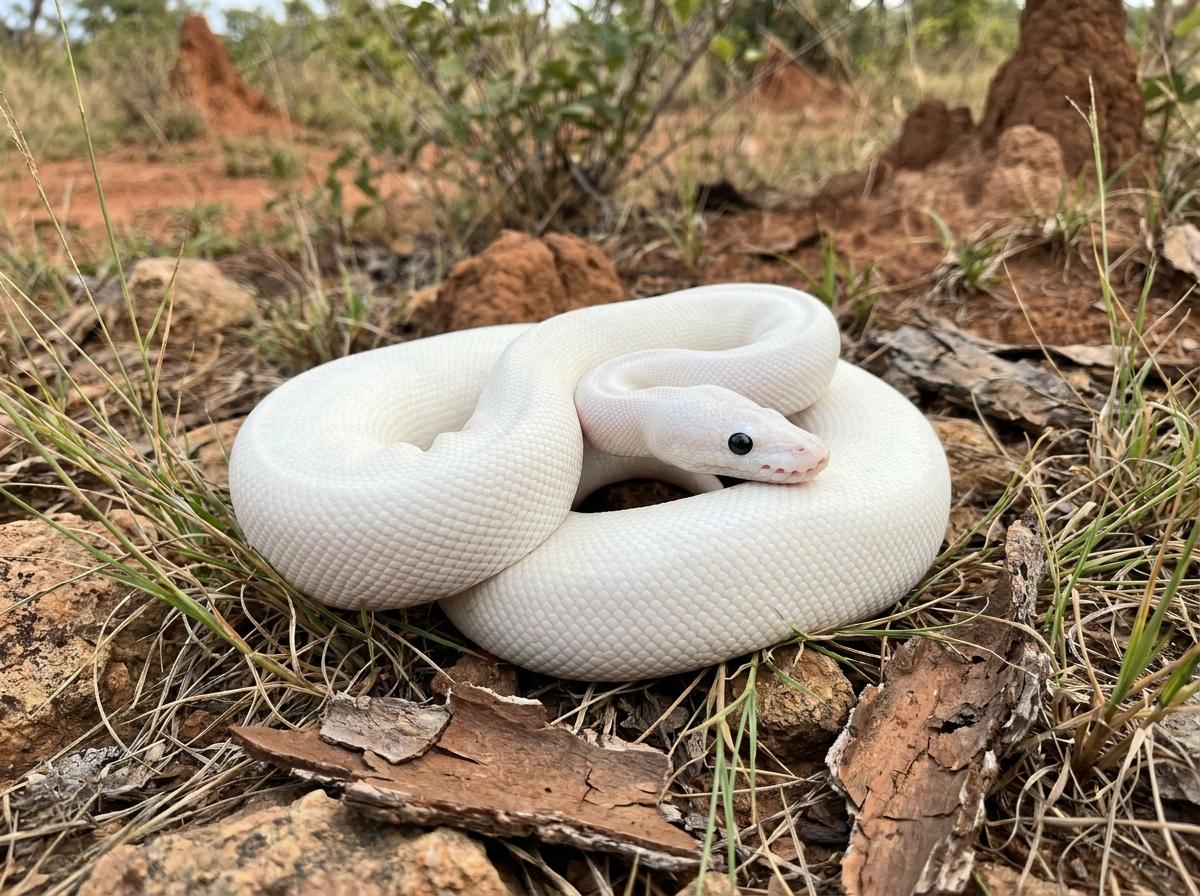
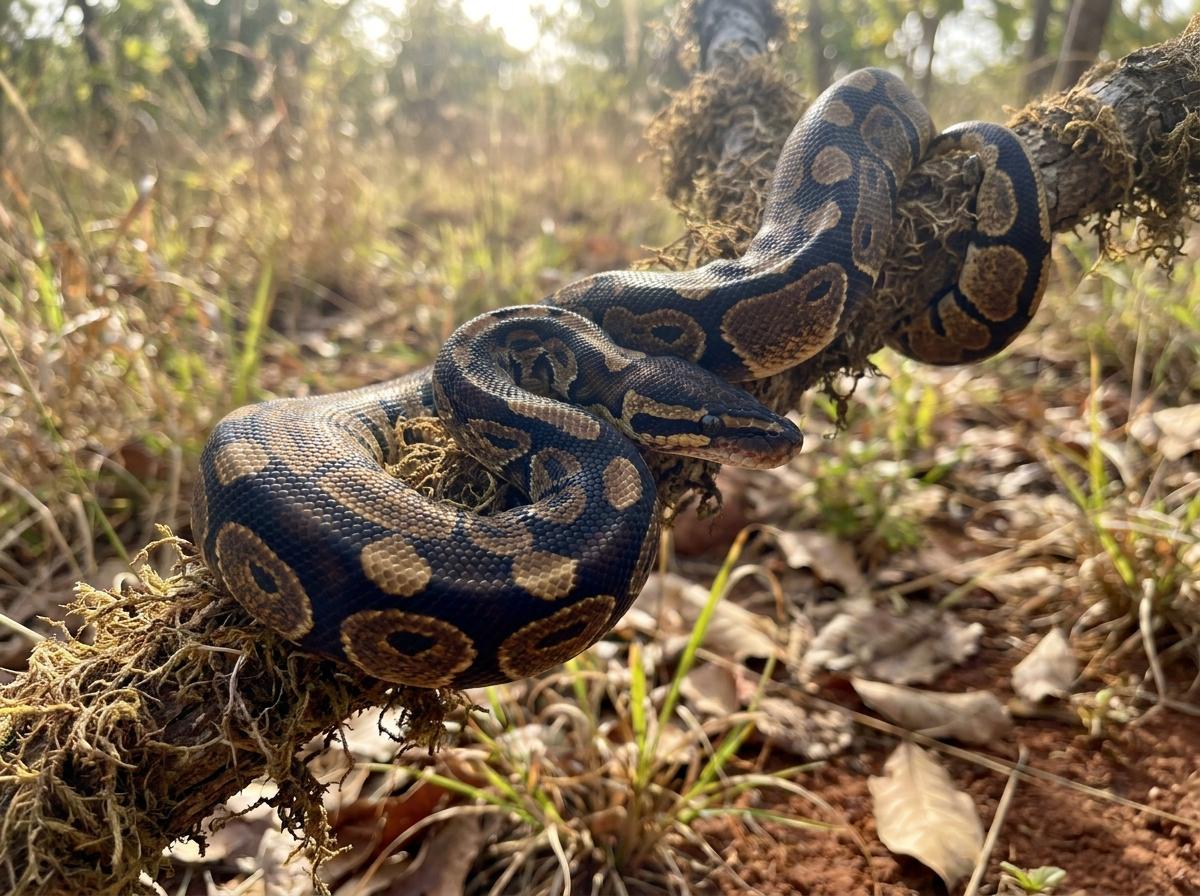
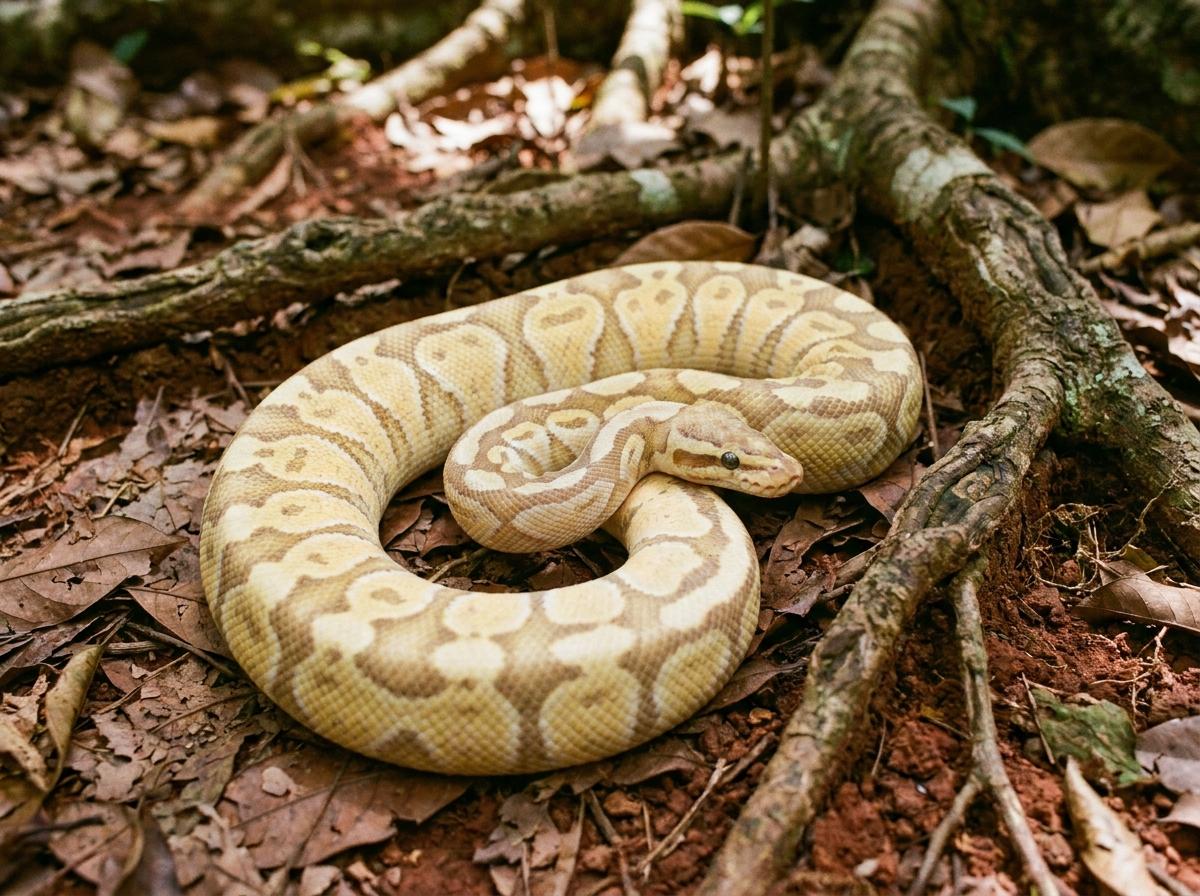
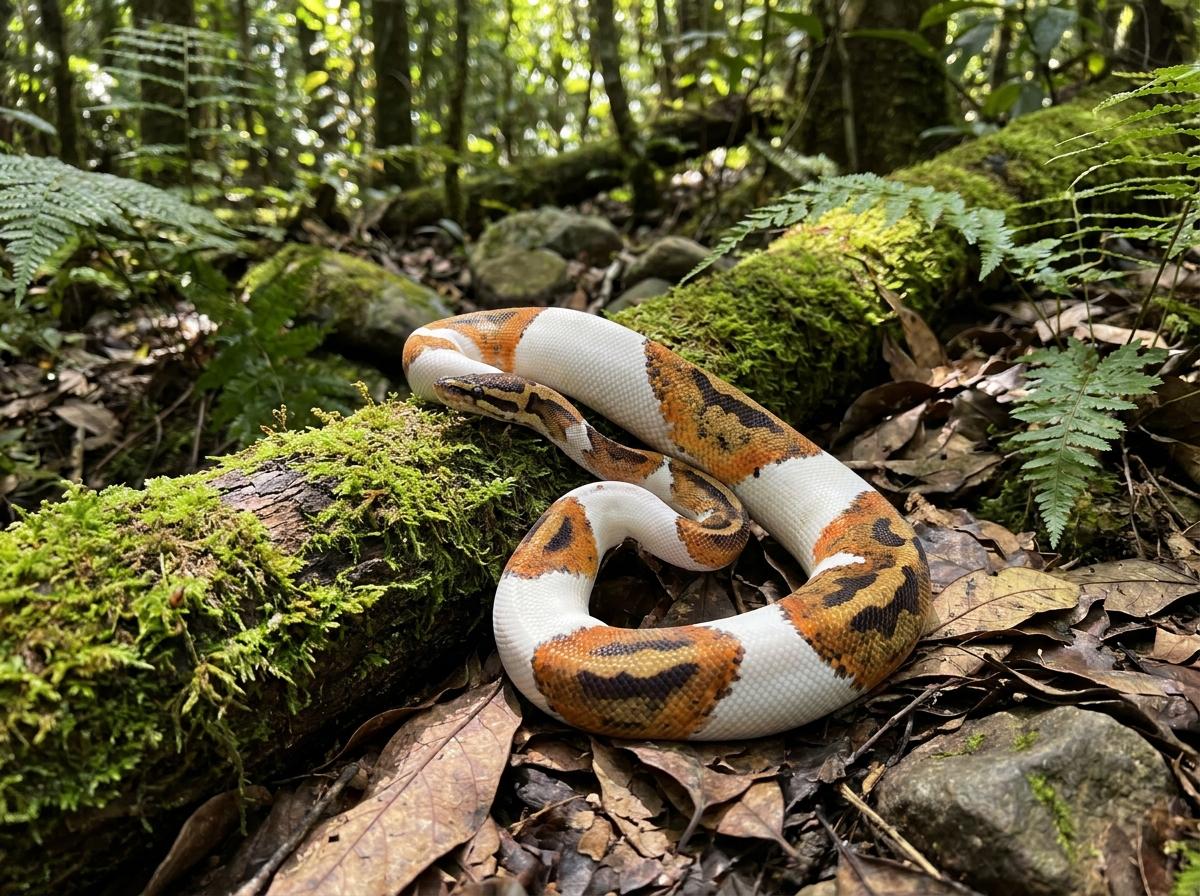
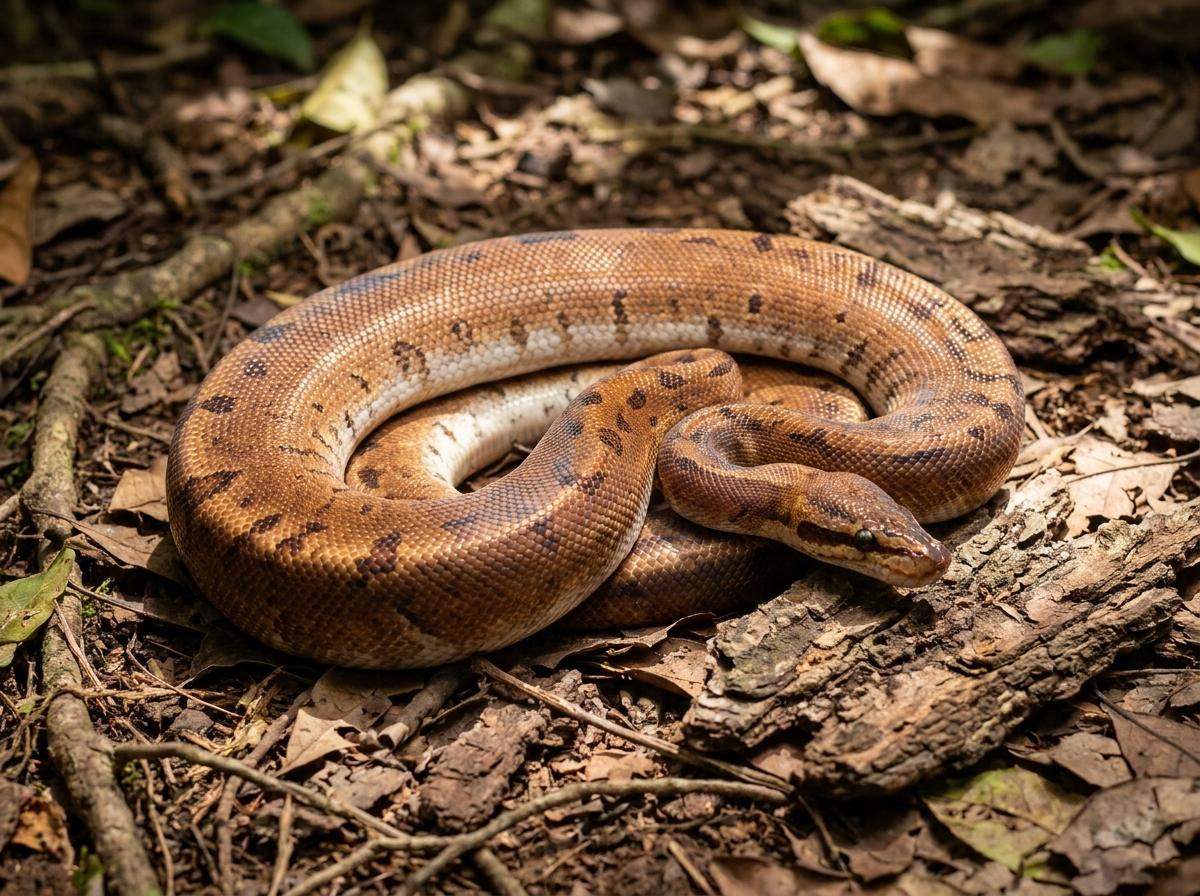
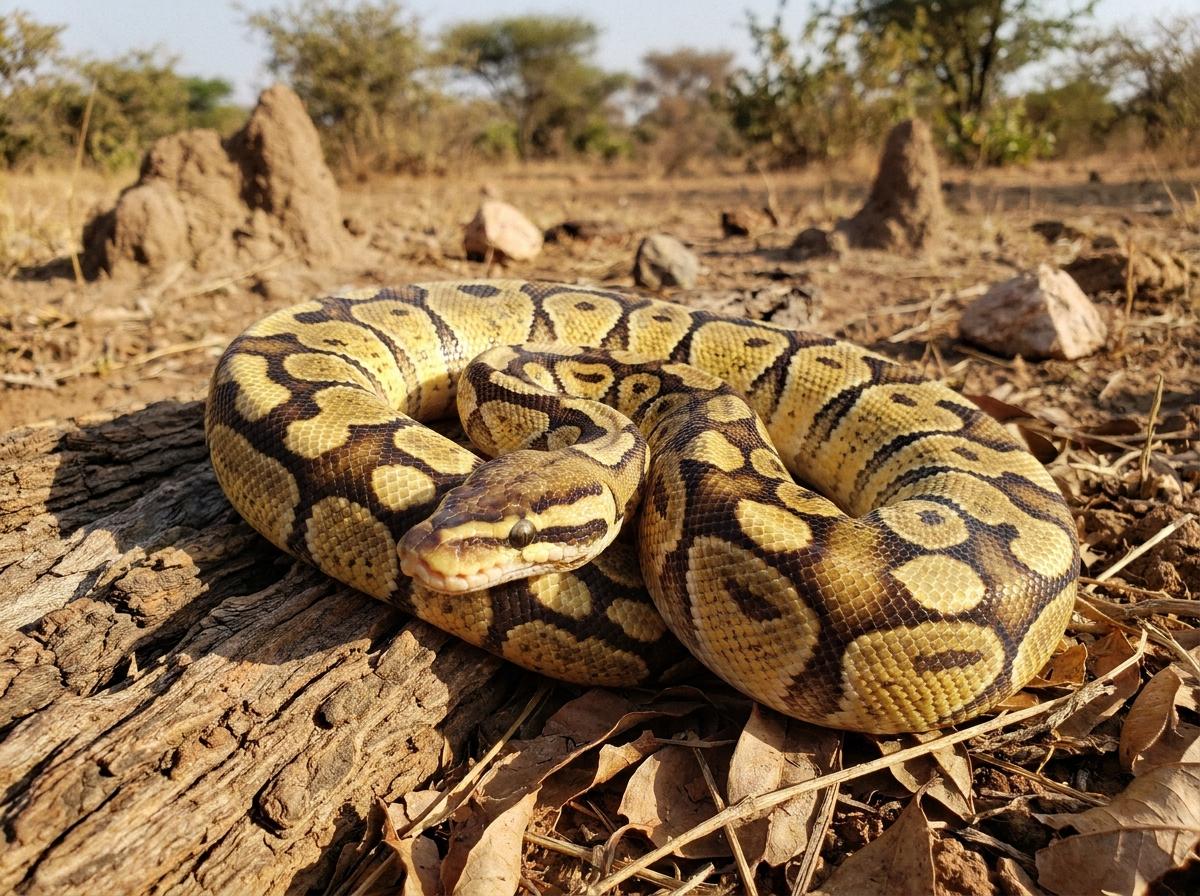
A het pied ball python carries one copy of the recessive piebald gene but does not show the full white-patched pied appearance. Some het pieds may have small belly or marker traits, but those signs are not dependable enough to replace parent records. The label tells breeders that the animal can produce visual pied offspring when paired correctly, even if it looks like a normal ball python or another non-pied morph.
Het pied care is the same as care for any ball python. The practical work is in documentation and honest representation. A proven het pied, possible het pied, and visual pied all mean different things for breeding outcomes and price. Buyers should ask for parent pairing information, hatch records, and whether any additional genes are present. Pet keepers do not need to treat the snake differently, but preserving paperwork helps prevent confusion later.
Colors: Albino, Axanthic, Banana, Banana Pied, Black-Eyed Leucistic, Black Pastel, Blue-Eyed Leucistic, Bumblebee, Butter, Calico, Cinnamon, Clown, Coral Glow, Desert Ghost, Enchi, Fire, Freeway, Genetic Stripe, Ghi, Ghost, Het Albino, Het Clown, Het Pied, Highway, High White, Hypo, Ivory, Killer Bee, Lavender Albino, Leopard, Lesser, Mahogany, Mojave, Monsoon, Normal, Orange Dream, Paradox, Pastel, Pastel Clown, Piebald, Pied, Pinstripe, Scaleless Head, Spider, Spotnose, Sunset, Super Pastel, Wild Type, Yellow Belly