

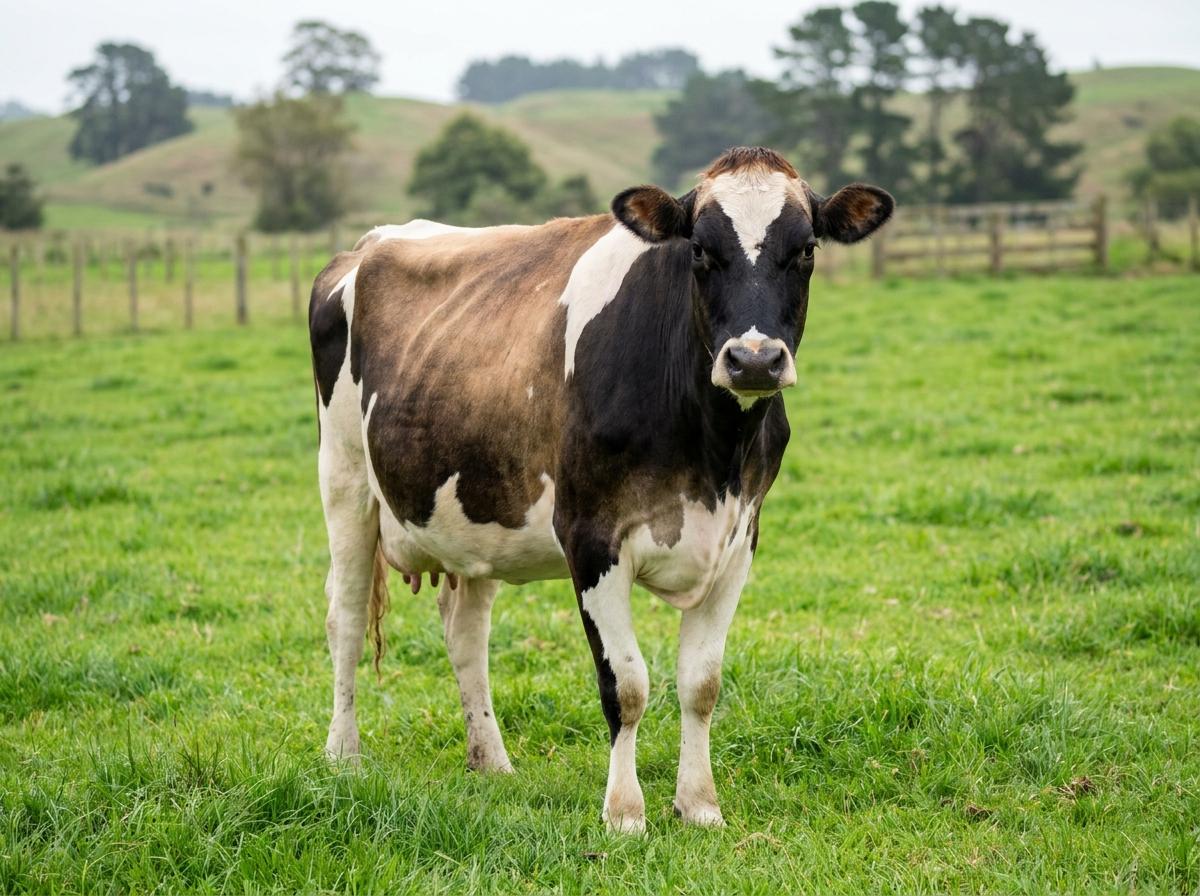
Dairy Crosses
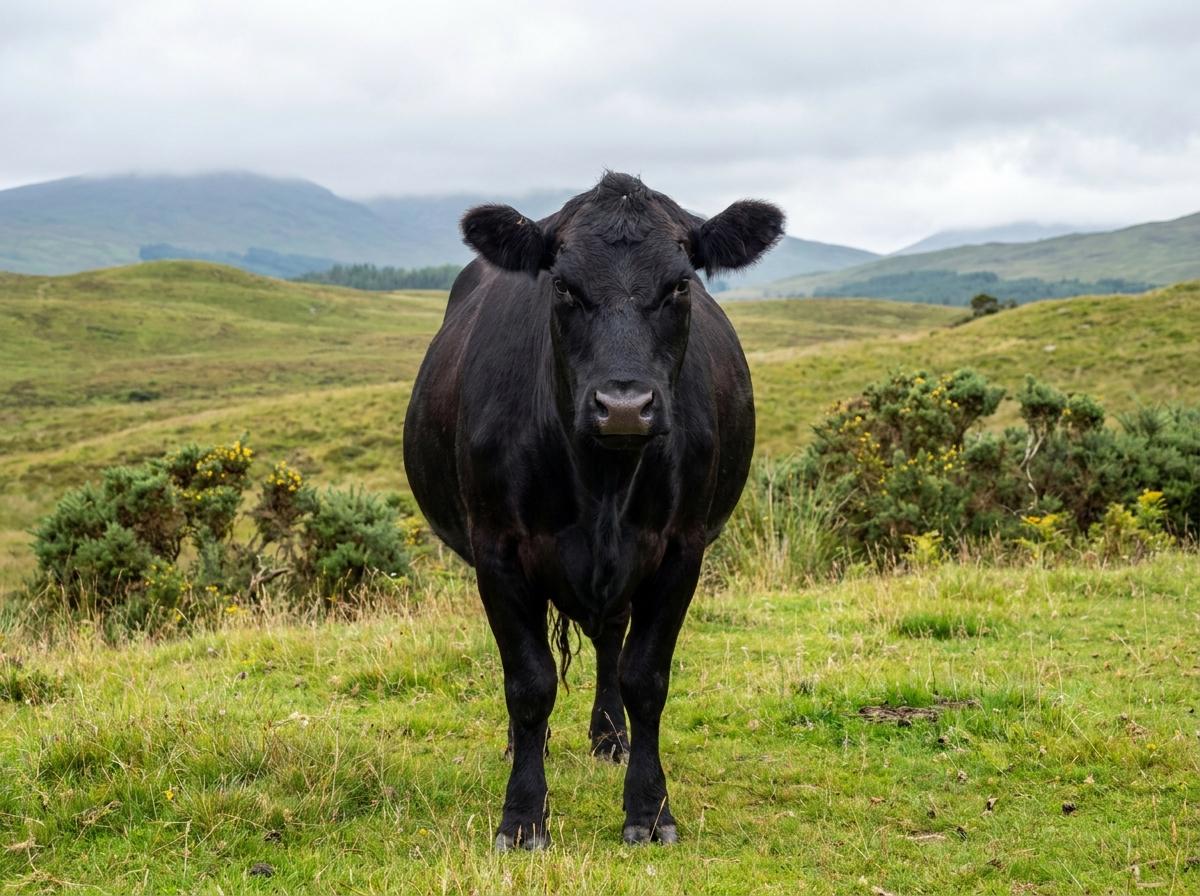
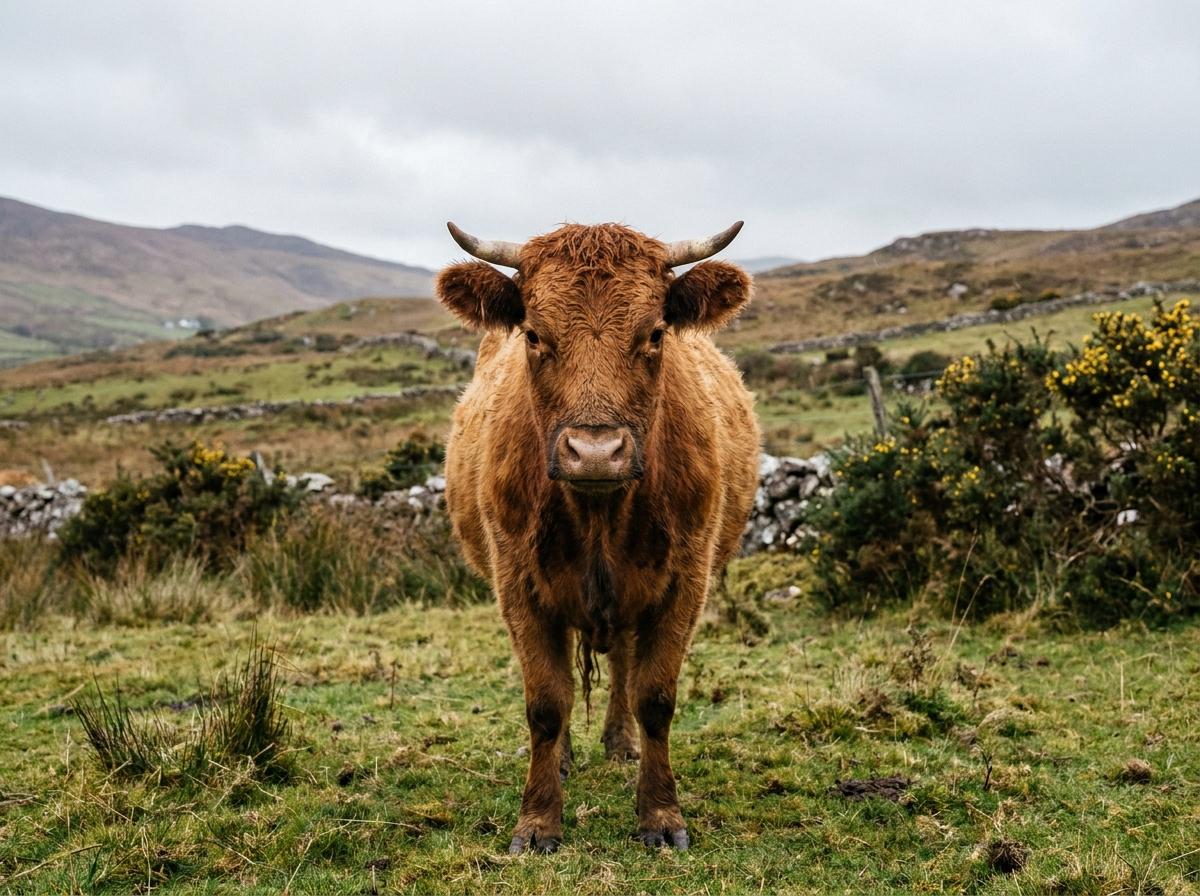
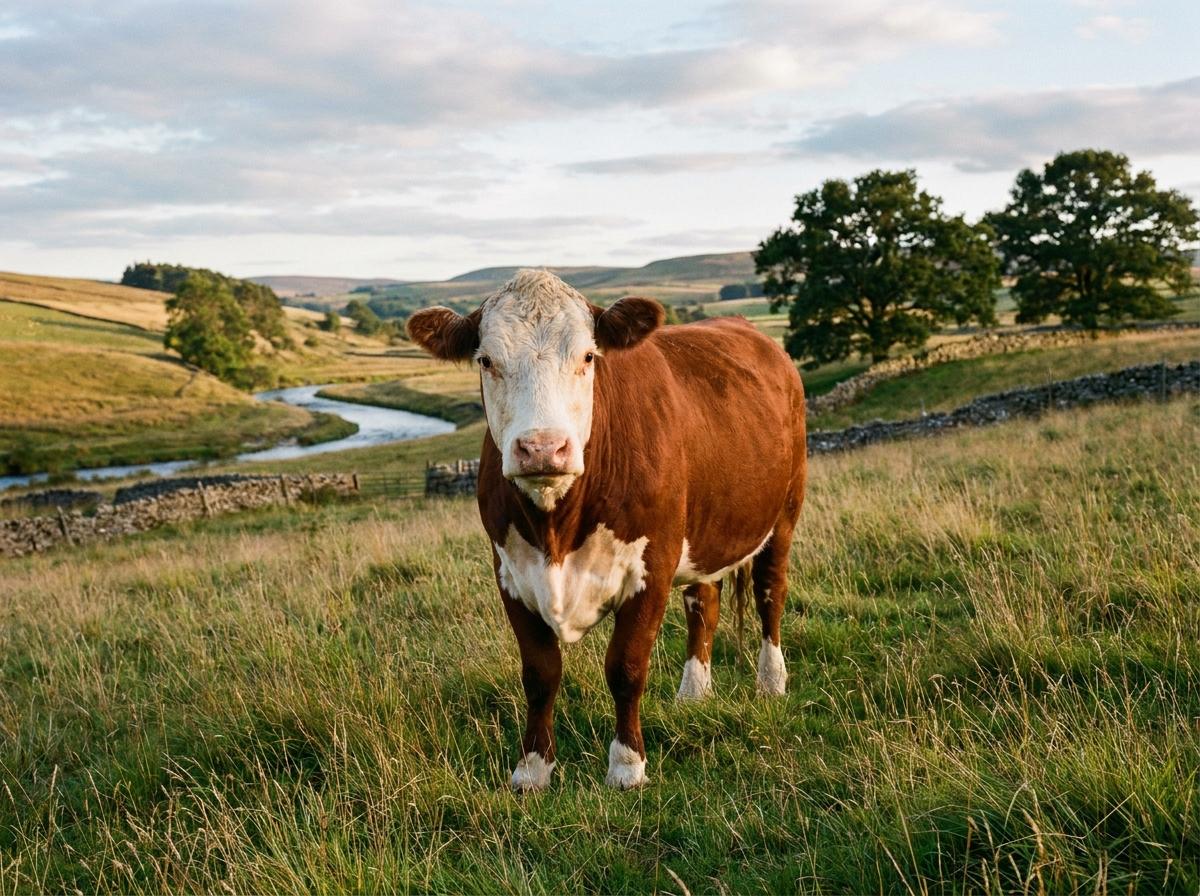
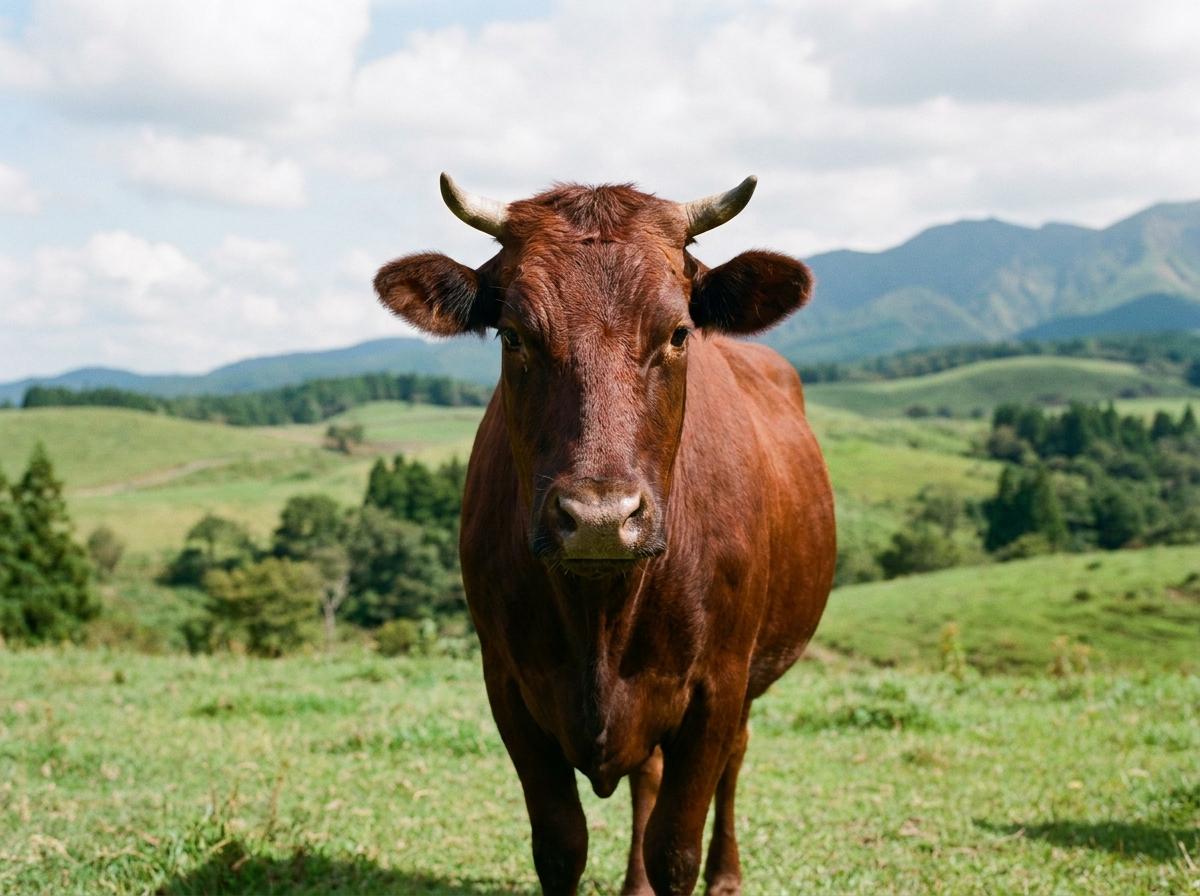
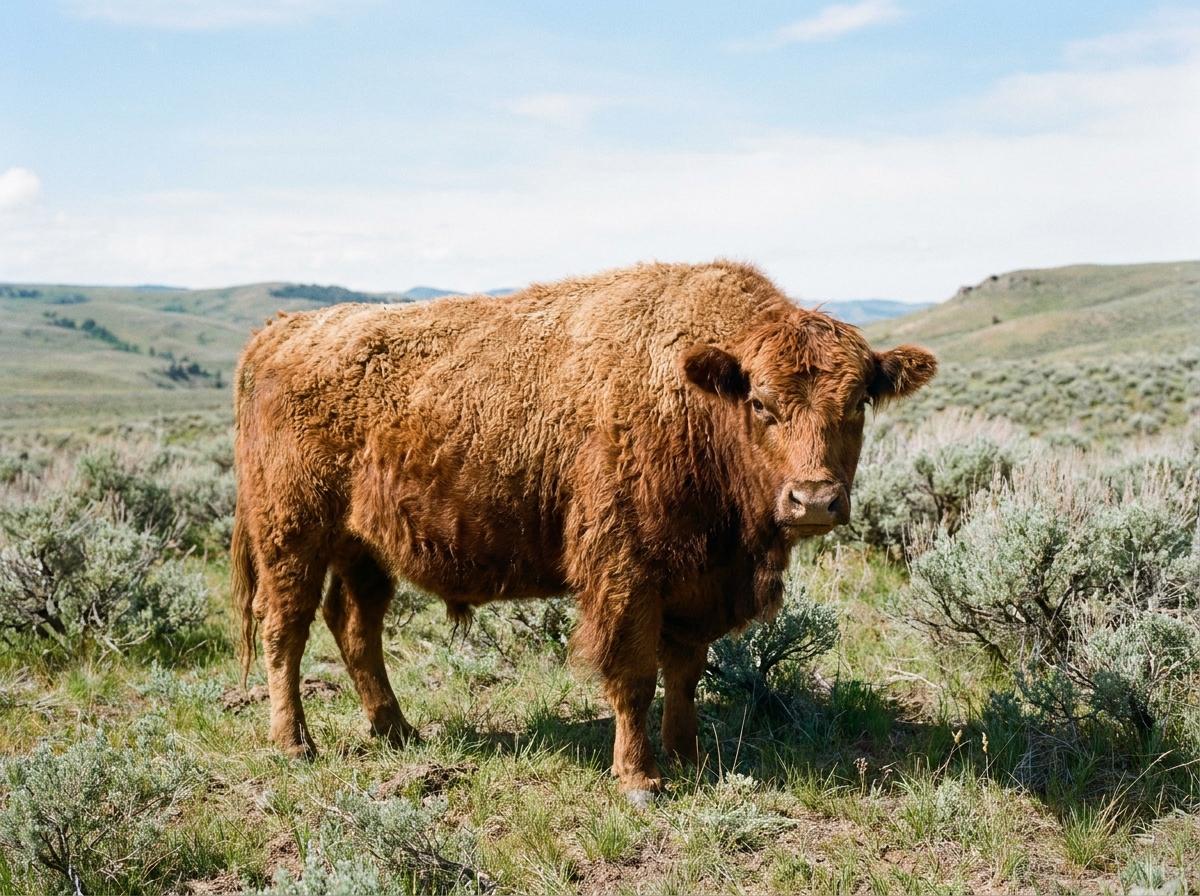
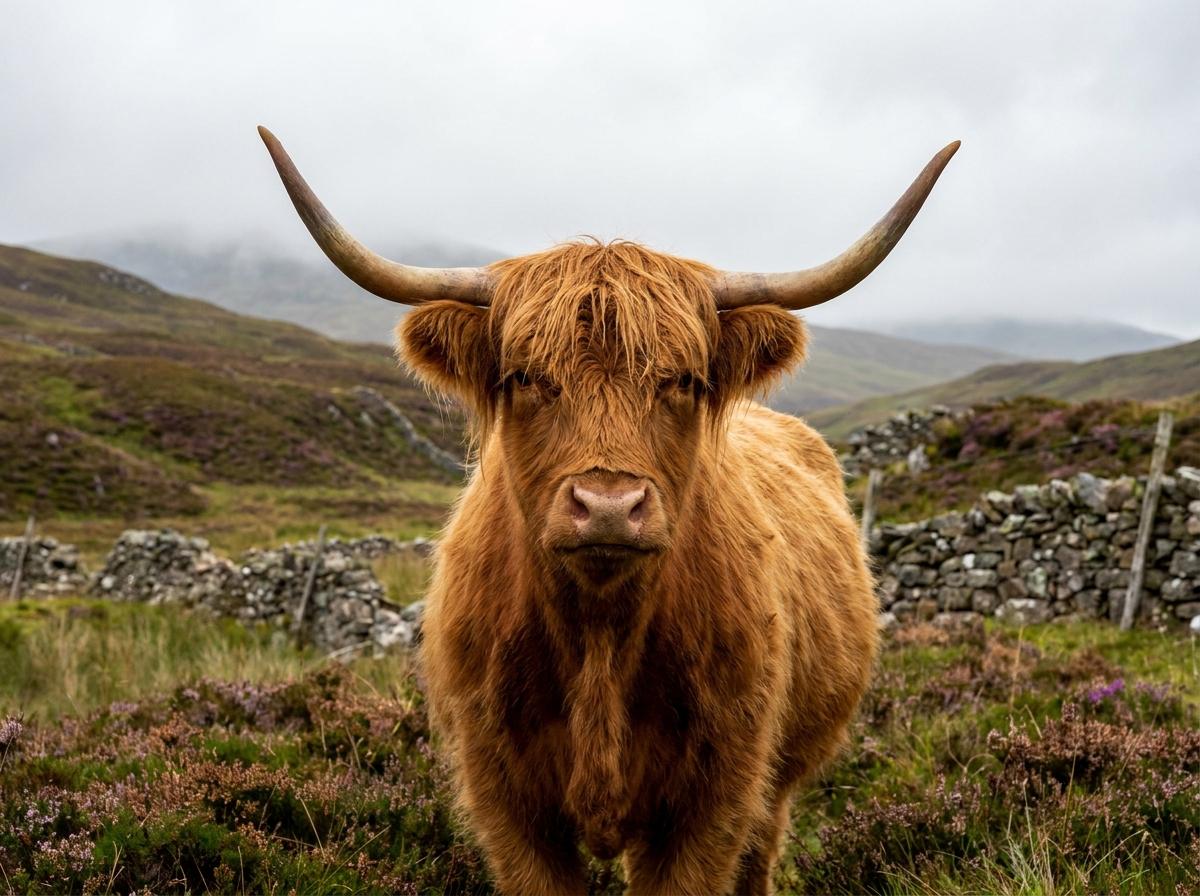
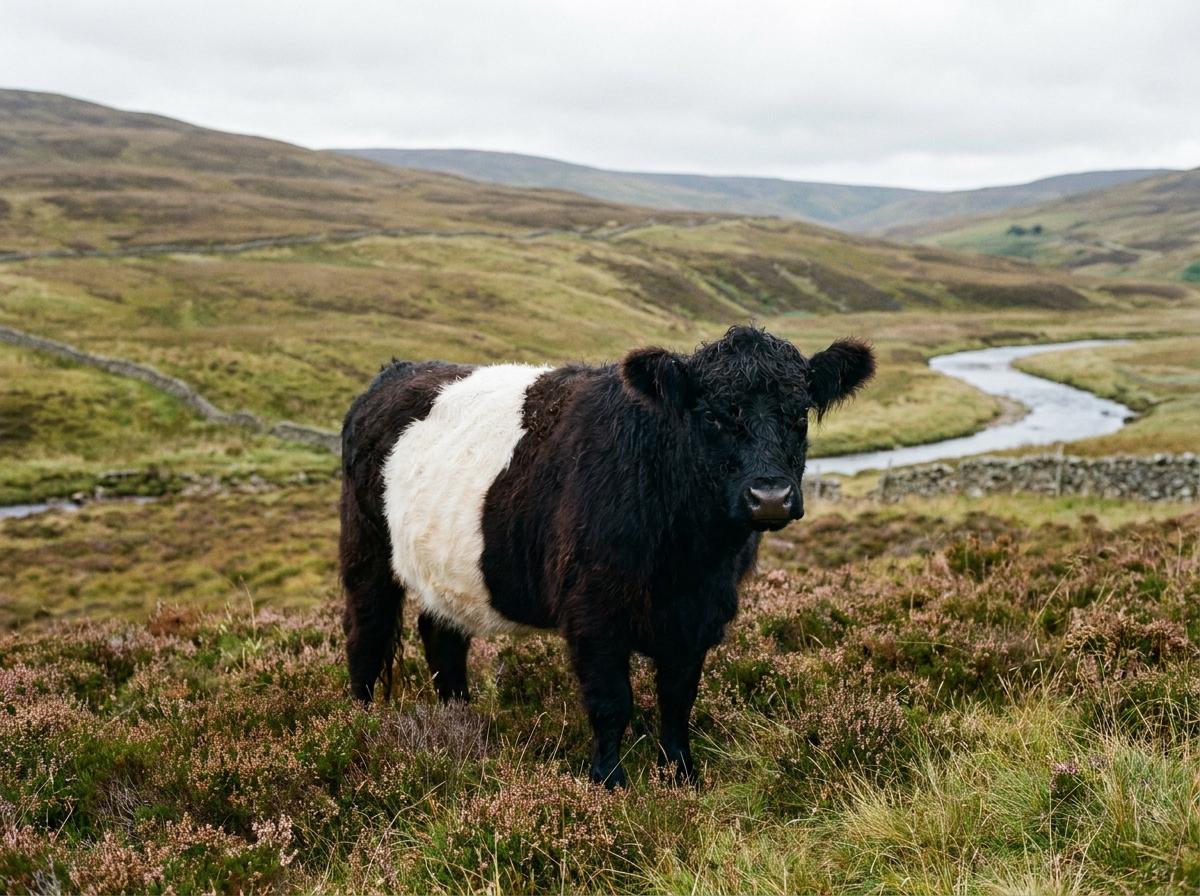
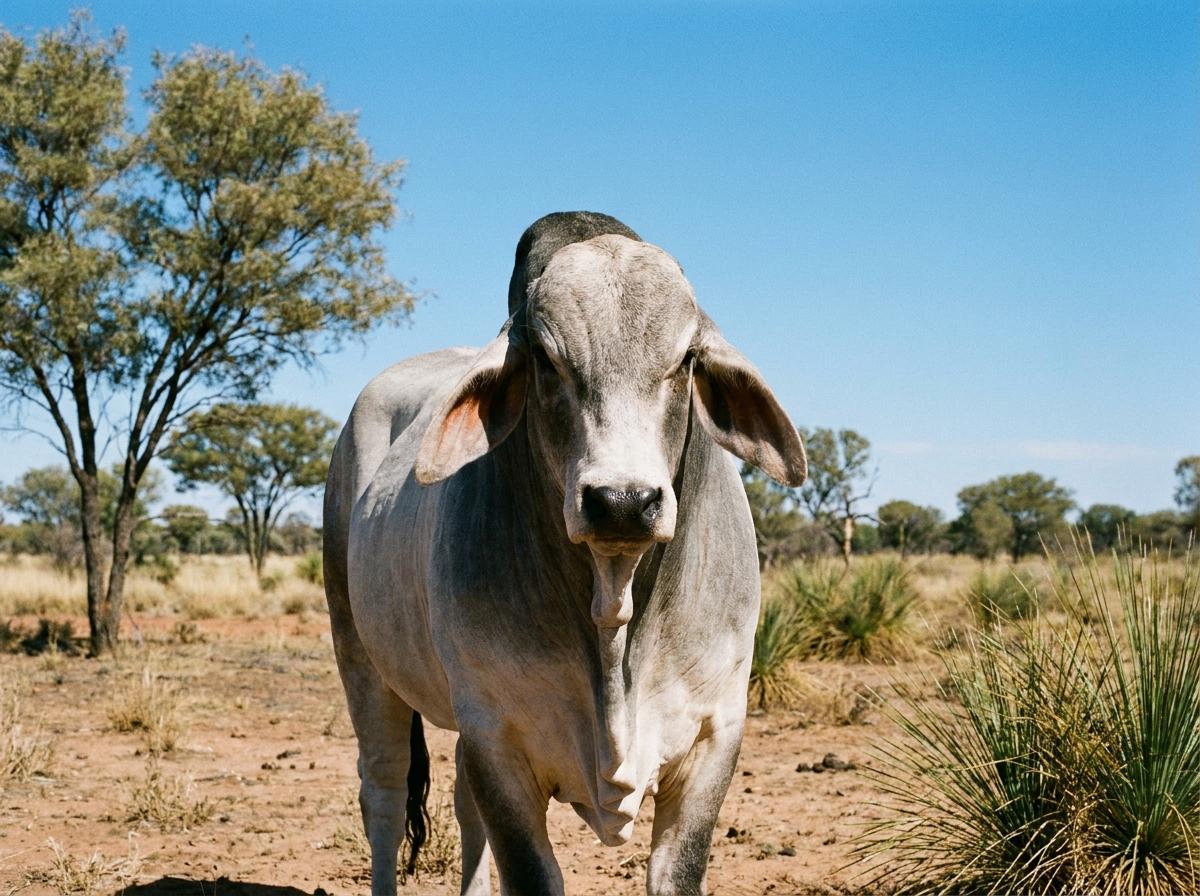
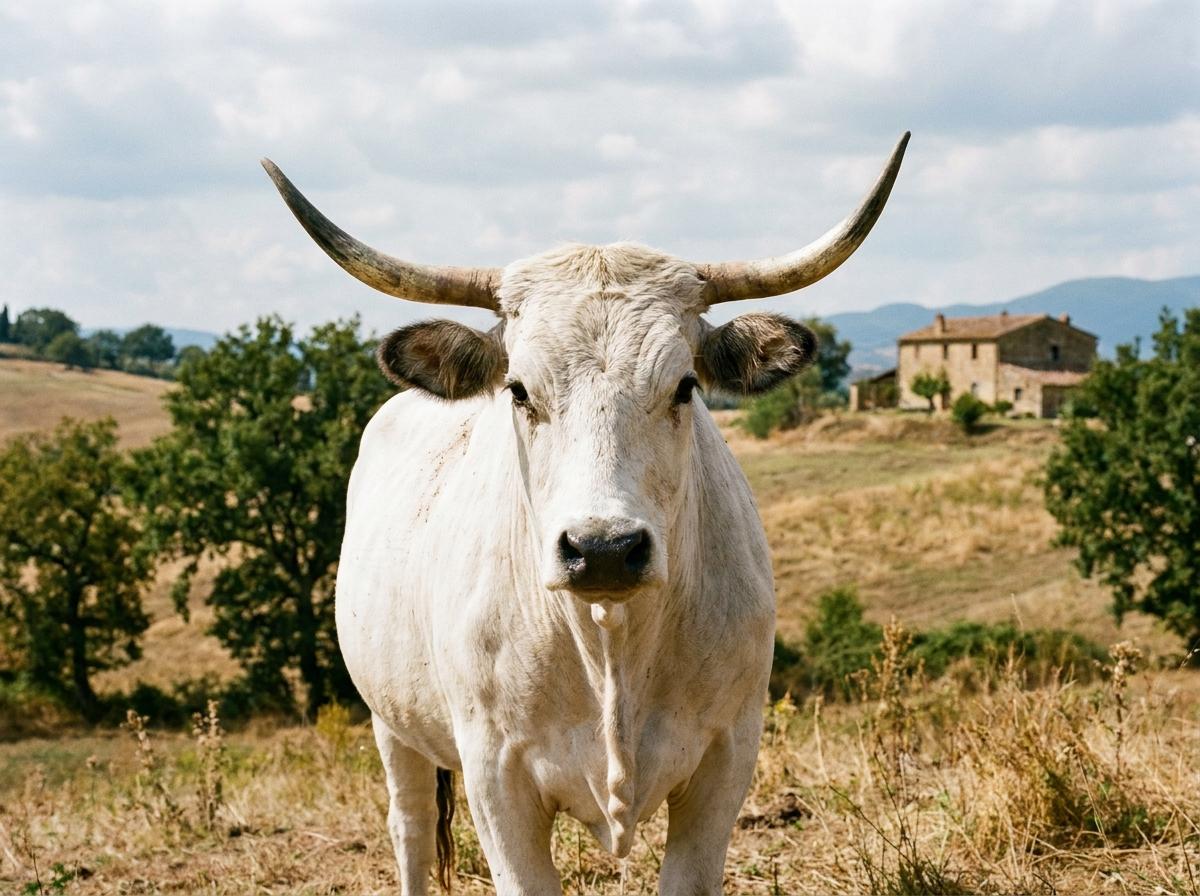
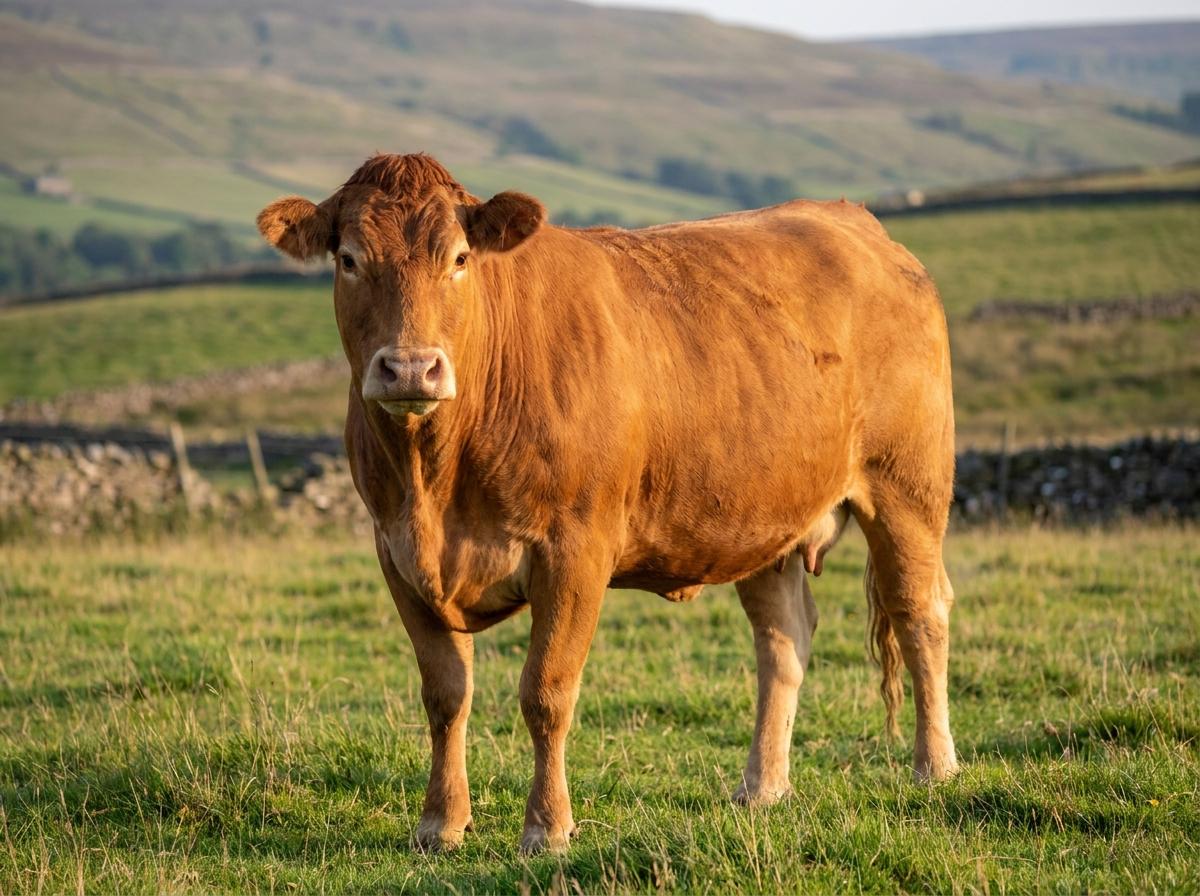
Dairy crosses are cattle produced by crossing dairy breeds with each other or, in some markets, by breeding dairy cows to beef sires. Holstein, Jersey, Brown Swiss, Ayrshire, Guernsey, Friesian, and Scandinavian or red dairy genetics may appear in dairy-to-dairy crosses, while Angus, Hereford, Charolais, or other beef sires are often used for dairy-beef calves. Appearance is therefore mixed: black and white, brown, roan, brindle, dun, or blaze-faced animals can all occur. The aim may be better fertility, milk solids, smaller cow size, heat tolerance, calf value, or a pasture cow that lasts longer than a very specialized line.
Management depends on which side of the cross matters most. A milking dairy cross still needs attention to udder structure, mastitis risk, feed balance, and milk recording, while a dairy-beef cross is usually judged on growth, frame, muscling, and market acceptance. Breed composition can affect butterfat, mature size, calving ease, and temperament, so labels such as Jersey cross or Holstein beef cross are more useful than the broad term alone. Clear breeding and health records make these animals easier to sell or select as replacements.
Colors: Belted, Black, Black and White, Blaze Faced, Blue, Blue Roan, Brindle, Brockle Faced, Brown, Brown and White, Bus Dubh, Dun, Gray, Grulla, Lineback, Mottled, Red, Red and White, Red Roan, Roan, Silver, Solid Black, Solid Red, Speckled, Spotted, White, White Faced, White with Black Points, White with Dun Points, White with Red Points, White with Silver Points, White with Yellow Points, Yellow