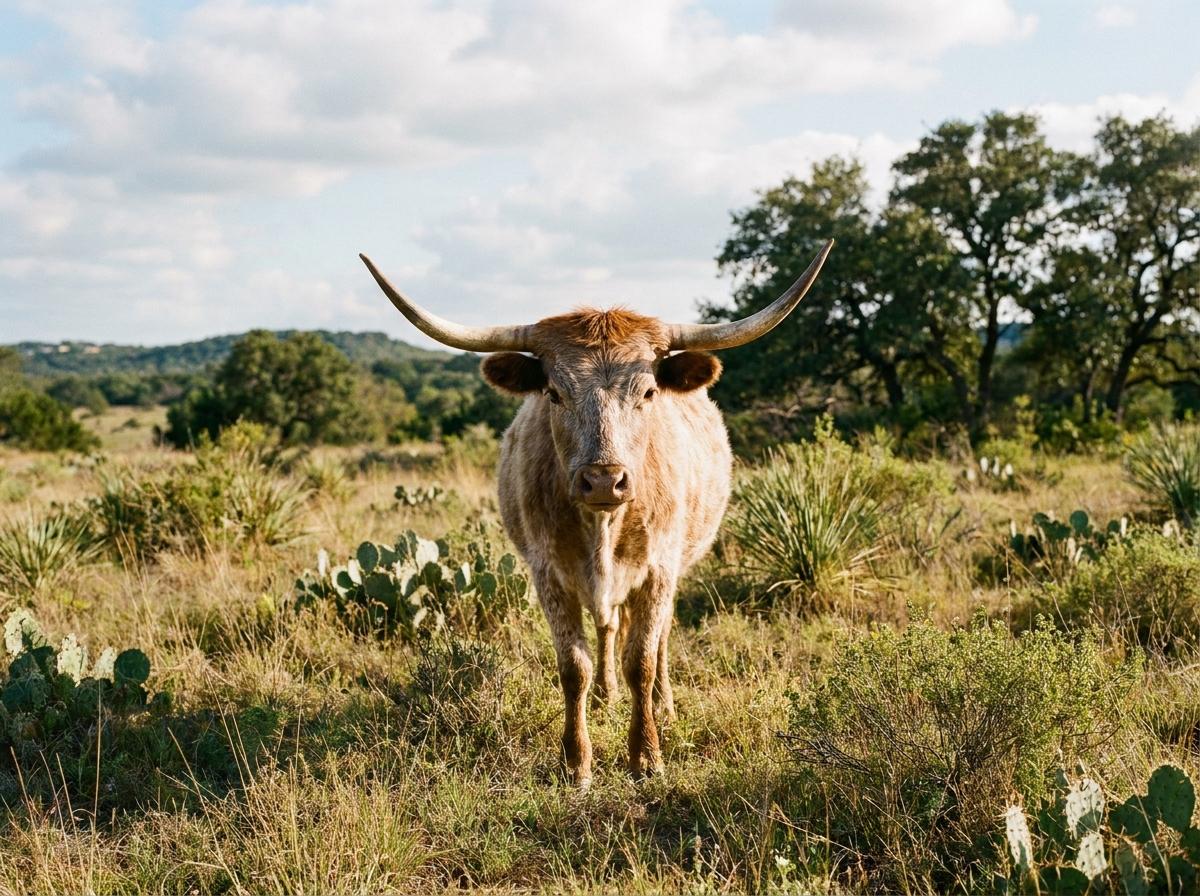
Miniature Texas Longhorn
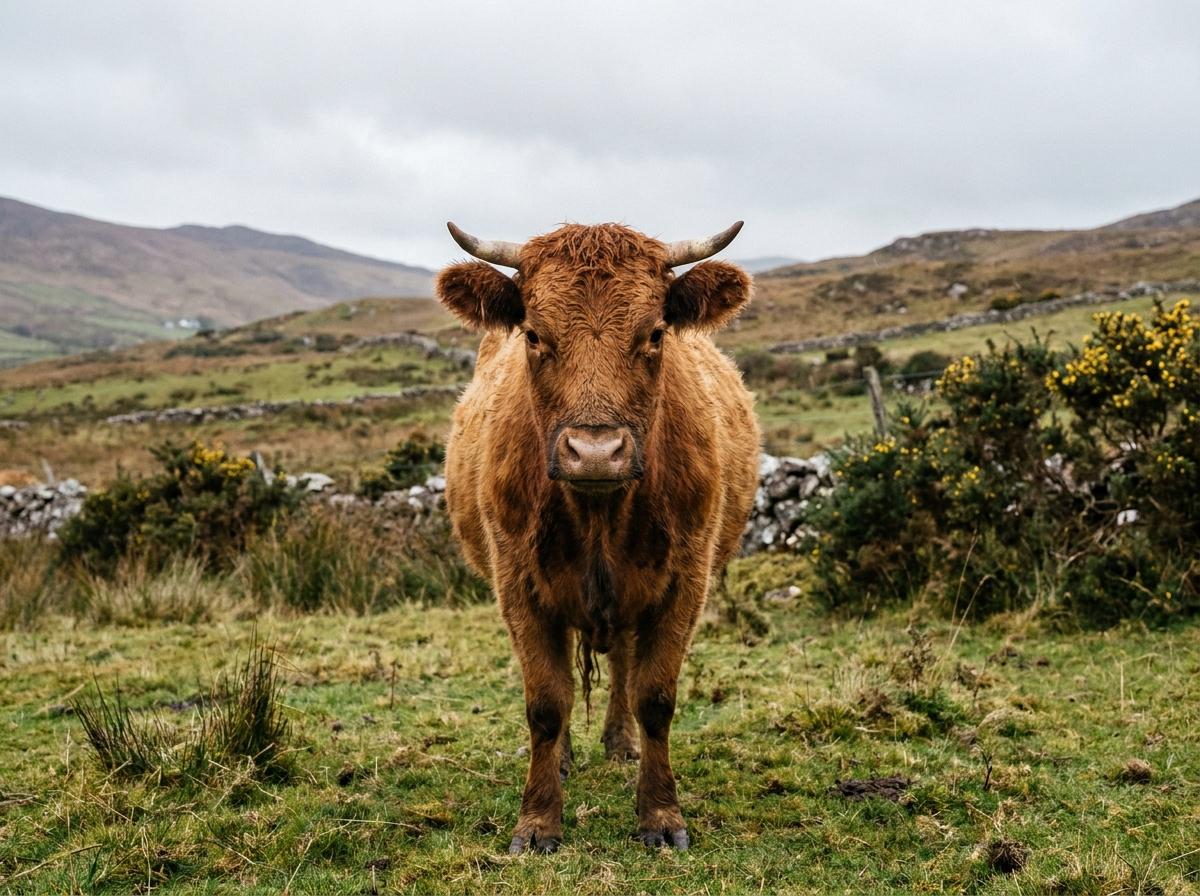
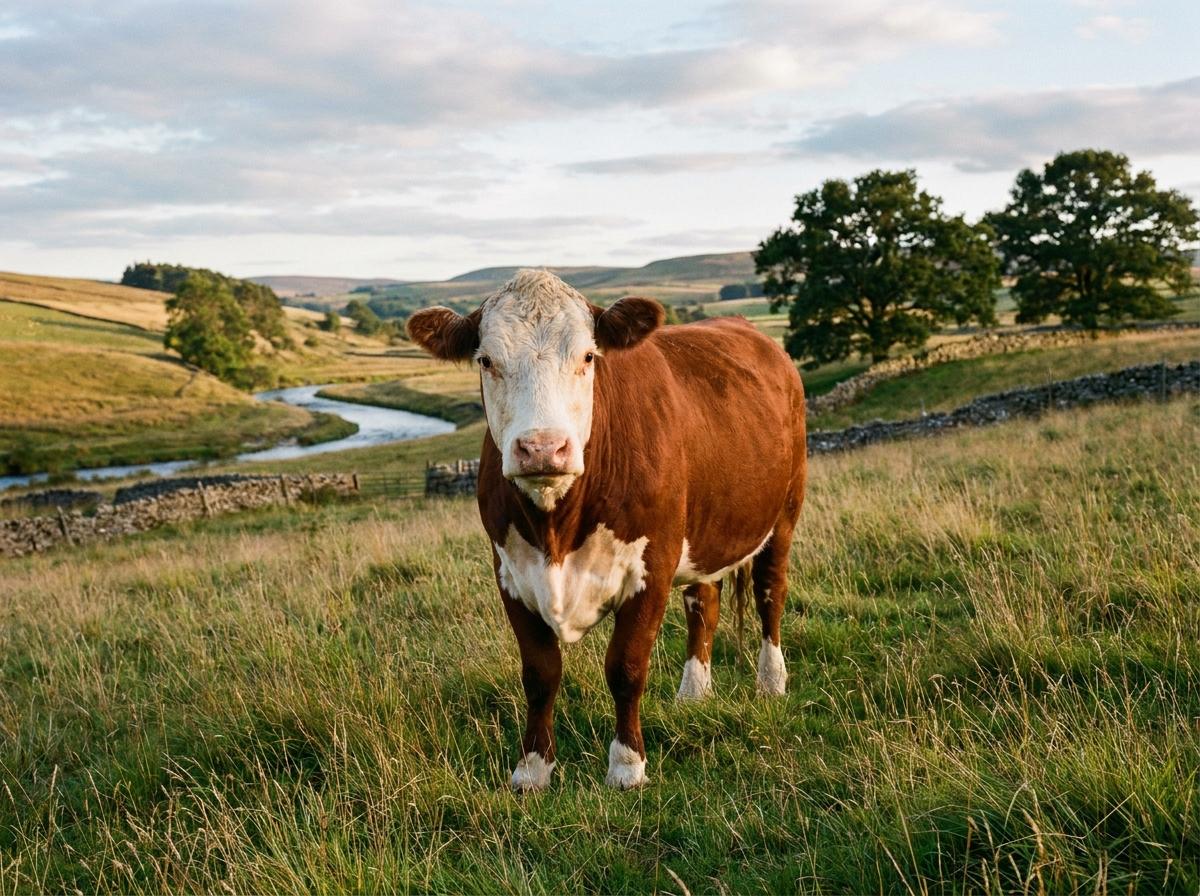
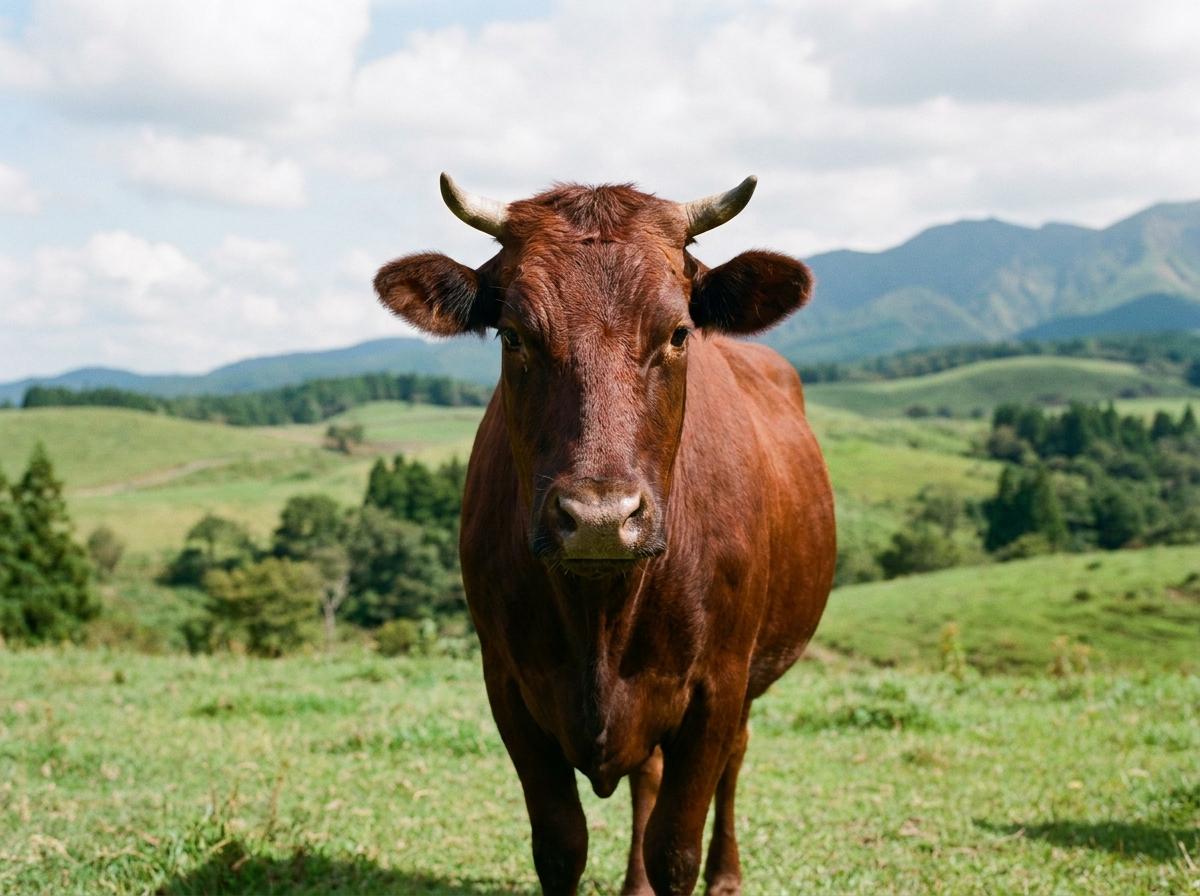
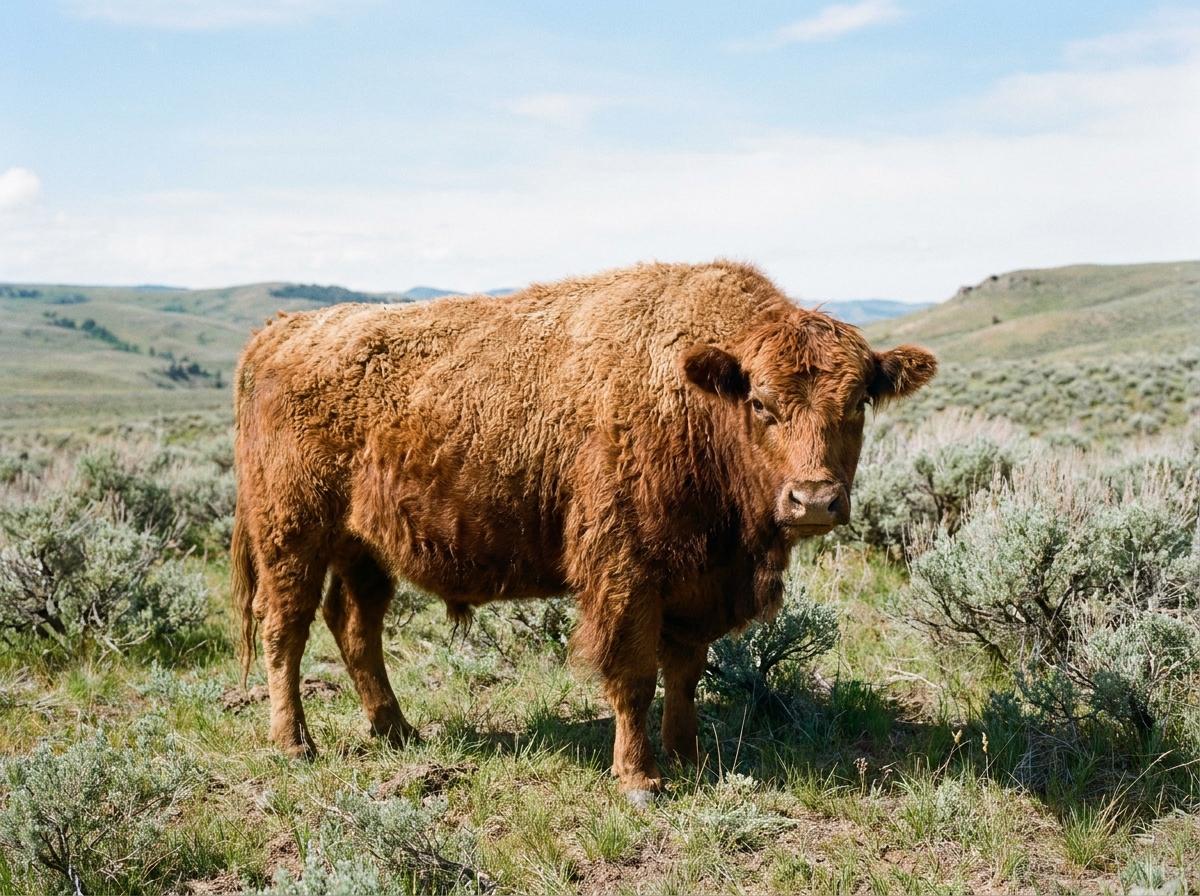
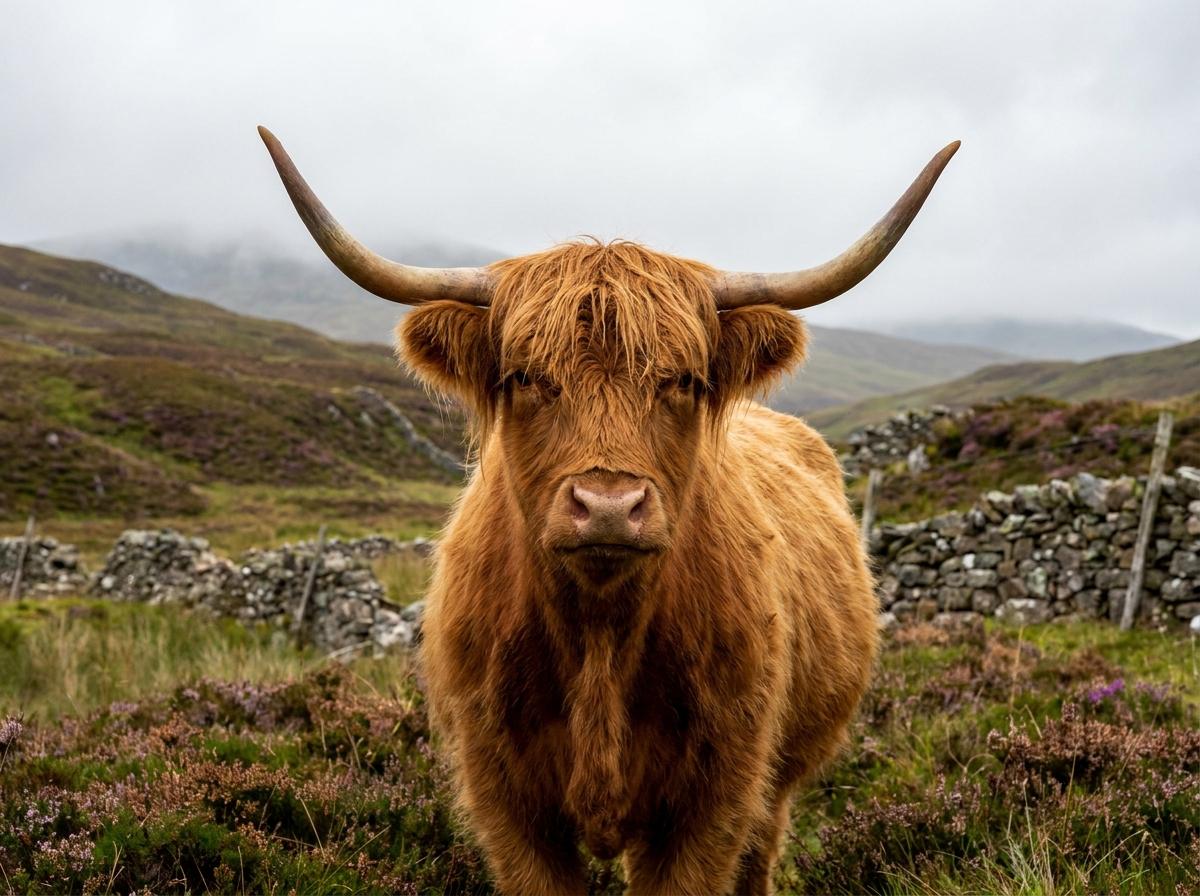
A Miniature Texas Longhorn is a Texas Longhorn selectively bred for small stature. It carries the same long, wide, gently curved horns and the same multicolored, speckled, brindled, or roan coat as the full-size breed, but on a small-framed animal, often standing around 36 to 45 inches at the hip. It is important to be clear from the start: “miniature” is a size selection within the Texas Longhorn breed, not a separate breed. Every registered Miniature Texas Longhorn descends from standard registered Texas Longhorns, and horn length and exact frame vary a lot from animal to animal. This page explains what these small Longhorns are, where the size comes from, how they are registered, what they look like, how they are used on small homesteads, and what to check before you buy one.

Browse listings, public profiles, breeders, or add your animal.
What is a Miniature Texas Longhorn?
A Miniature Texas Longhorn is exactly what the name says: a Texas Longhorn that has been bred for small size. The Texas Longhorn Breeders Association of America (TLBAA), the breed’s founding registry, describes miniature longhorns as “descendants of standard-sized longhorns that have been selectively bred to reduce their size.” In other words, breeders started with normal Texas Longhorns and, over generations, selected the smaller animals to produce a small-framed line that keeps the breed’s signature horns and color.
That distinction matters, so it is worth stating plainly. There is no separate “Miniature Texas Longhorn” species or breed with its own independent ancestry. These are Texas Longhorns, registered as Texas Longhorns, that happen to fall under a height cutoff. The TLBAA requires that all Miniature Texas Longhorns be descended from registered standard-sized Texas Longhorns, and it registers them within the standard Texas Longhorn registry rather than as a distinct breed.
Size within the group is a spectrum, not a single number. Some animals are genuinely miniature, while others sit in a “mid-size” or “small-frame” range that is smaller than a typical Longhorn but not as tiny as a true micro-mini. Because the parent breed itself varies so much, two animals both sold as “mini Longhorns” can look quite different in height and horn. If you are comparing small and heritage cattle, the broader Creatures cattle species page is a good place to see the Texas Longhorn alongside other breeds.
Where the small size comes from
To understand the miniature, it helps to understand the full-size Texas Longhorn first, because the mini inherits everything from it.
The Texas Longhorn is an American breed with deep Spanish roots. According to Oklahoma State University’s breed resources and the Texas State Historical Association, the breed descends from Spanish Criollo (retinto) cattle that reached the Americas beginning in the late 1400s, which then mixed with English cattle brought west by Anglo-American settlers in the 1820s and 1830s. For centuries these cattle ran semi-wild across Texas, and natural selection under heat, drought, predators, and thorny brush produced an animal that was hardy, fertile, disease and parasite resistant, and able to thrive on rough forage. The breed was nearly lost by the early twentieth century, and in 1927 a small herd of breeding stock was gathered for the Wichita Mountains Wildlife Refuge in Oklahoma to save it from probable extinction. The Livestock Conservancy still lists the Texas Longhorn’s conservation status as critical, so this is a genuine heritage breed.
The miniature is a modern development on top of that heritage. Rather than importing anything new, breeders simply selected for smaller frame within the existing gene pool, taking advantage of the natural size variation Texas Longhorns already carry. That is why a Miniature Texas Longhorn is best thought of as a small-frame chapter in a very old breed’s story, not as a new animal.

How miniatures are measured and registered
Because “miniature” is a size claim, registries handle it with height rules rather than a separate breed book.
The TLBAA height limits. The TLBAA measures an animal from the top of the hook (hip) bone to the ground, with the animal standing squarely on level footing. To be recorded as a Miniature Texas Longhorn, a cow must stand 45 inches or below, a bull 48 inches or below, and a steer 50 inches or below. Animals are measured at maturity, generally around three years of age, because a young animal is still growing and its final height cannot be assumed from a calf measurement.
Descent and inspection. The TLBAA requires that every Miniature Texas Longhorn descend from registered standard-sized Texas Longhorns, and animals qualify through visual inspection and, where needed, genetic testing, typically with photographs of the animal submitted for review. Reporting on the program notes that accepted miniatures are recorded within the standard registry with a distinguishing mark on the registration record. Because registry rules change over time, confirm the current process directly with the TLBAA before you register or buy on the strength of a certificate.
Frame scores and miniature-cattle registries. Separately from the Longhorn registries, general miniature-cattle registries such as the International Miniature Cattle Breeders Society track animals by frame score, a standardized way of predicting mature height. In that system, cattle are commonly grouped as micro-miniature (under about 36 inches at three years), standard or full miniature (roughly 36 to 42 inches), and mid-size or “classic” miniature (roughly 42 to 48 inches), all measured at maturity. Frame scoring is why you will see the same animal described as a “mini” by one seller and a “mid-size” by another. Ask which system and which measurement a given animal was scored under so you are comparing like with like.
The practical takeaway: a real Miniature Texas Longhorn should trace to registered Texas Longhorn parents and should actually measure under the registry’s height cutoff at maturity. Both parts matter.
What a Miniature Texas Longhorn looks like
A well-bred miniature is a scaled-down Texas Longhorn, so it shows the same diagnostic features as the full-size breed.
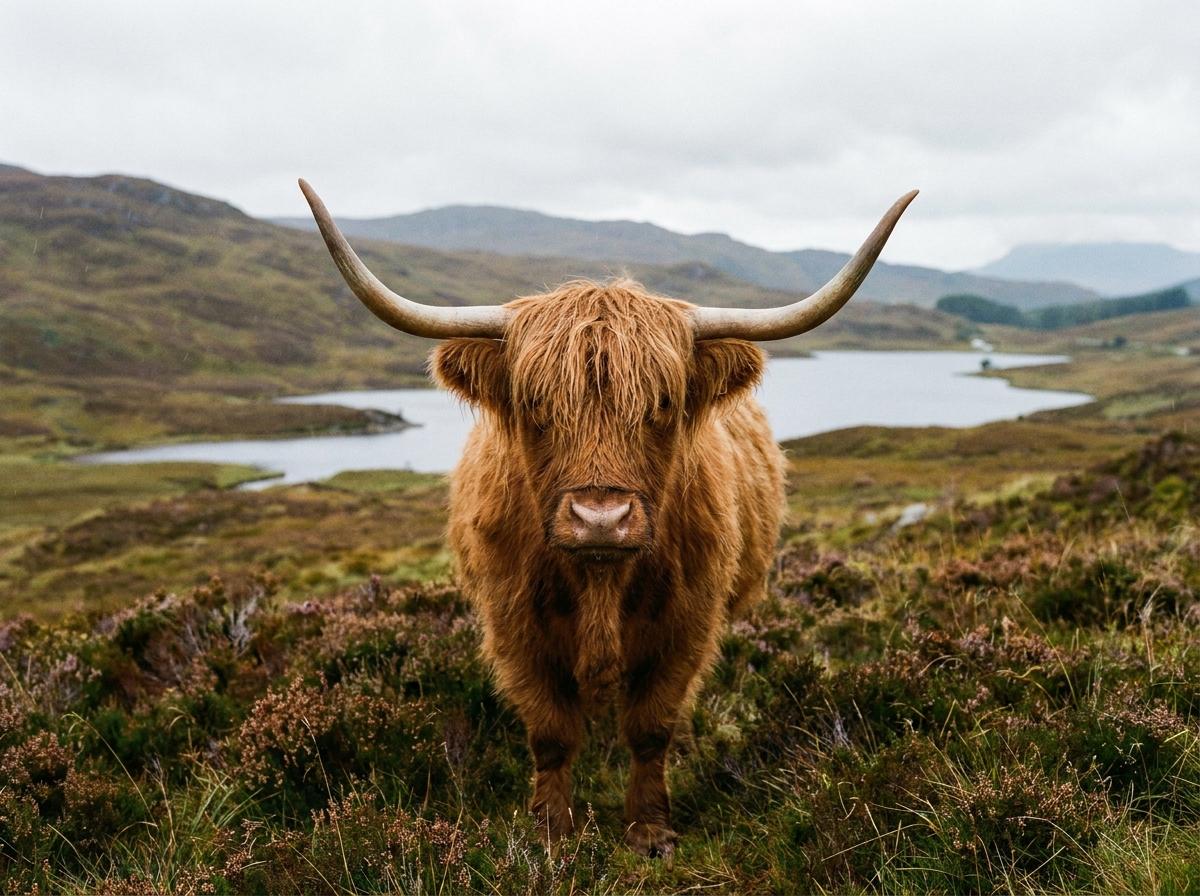
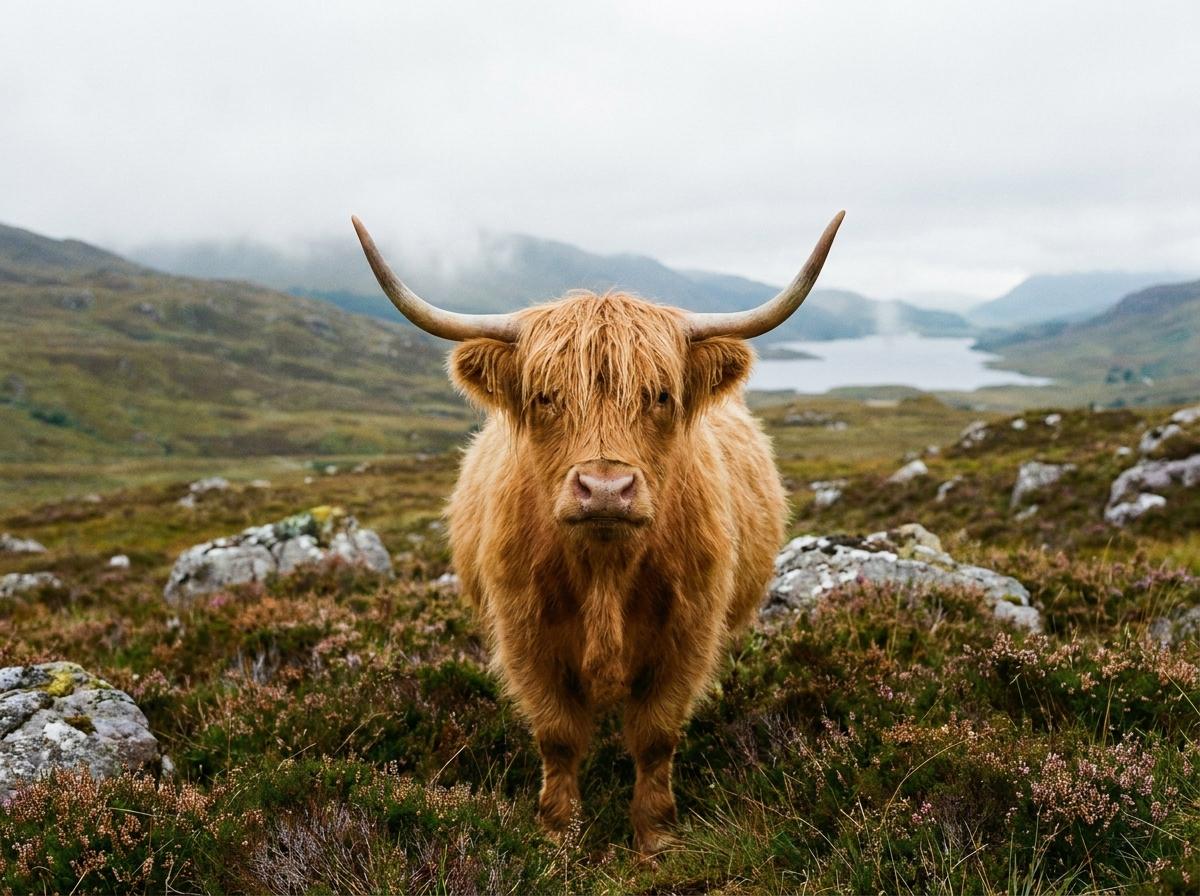
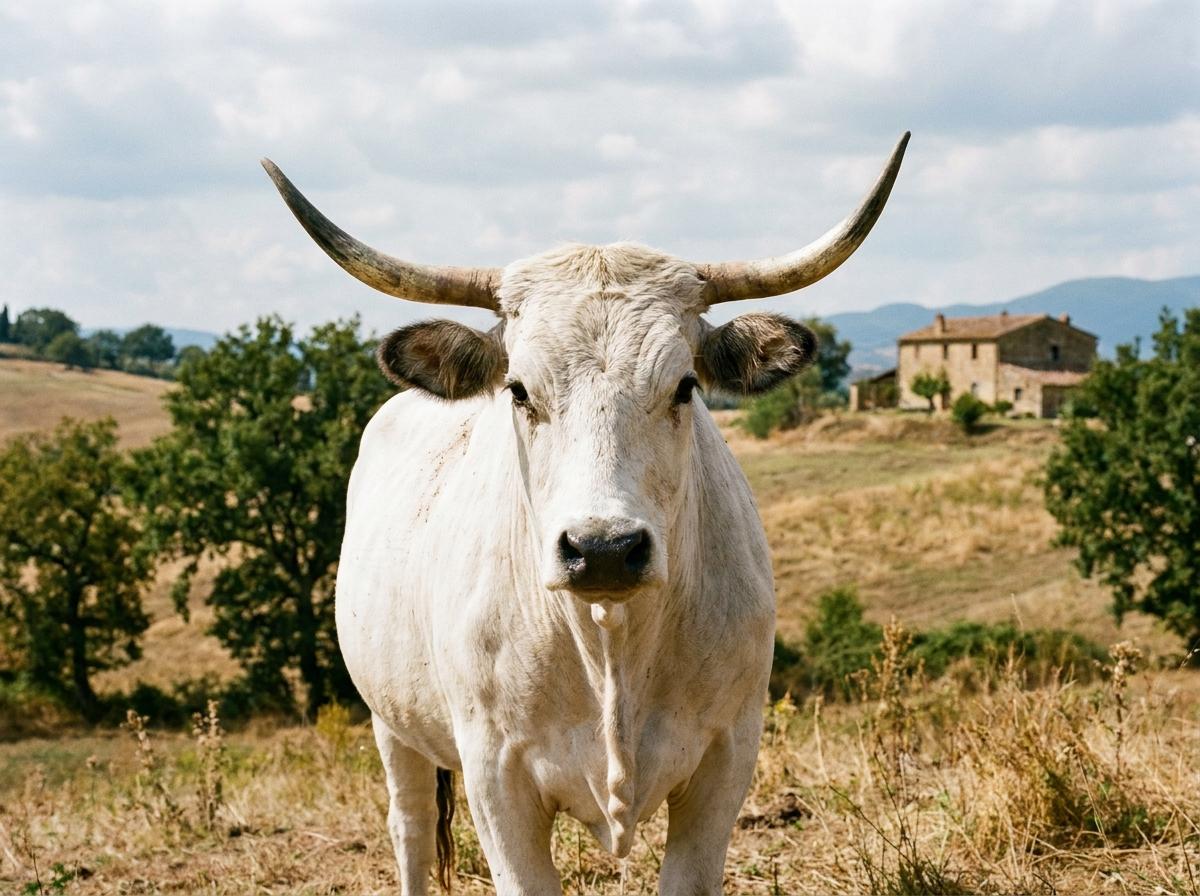
- Long, wide, gently curved horns. The horns are the breed’s signature and they carry over to the miniatures. In the full-size breed the TLBAA considers horns shorter than 48 inches at maturity highly objectionable, and record spreads on standard steers exceed 100 inches, with the Guinness-recognized steer Poncho Via measured at about 127 inches tip to tip in 2022. Miniatures will not reach those extremes on the same timeline or frame, and horn length varies a lot from animal to animal, but the long, out-swept, curved shape is the look breeders are selecting for. Cows tend to have out-swept horns with some twist or curl, while bulls and steers show more variety.
- Multicolored, speckled coat. Texas Longhorns come in essentially any color or mix of colors. Roughly 40 percent are some shade of red, and the breed also comes in black, brown, dun, grey, cream, yellow, and white, very often with speckling, spotting, roan patterning, or brindling (the striped pattern the breed’s Spanish heritage calls “gateada”). Miniatures inherit that whole palette, which is part of their appeal as colorful, eye-catching small cattle.
- A small, well-proportioned frame. The whole point of the selection is a compact animal that is easier to house, handle, and feed than a standard Longhorn, while keeping the horns and color.

Why people keep them: low-input homestead cattle
The main reason interest in small Longhorns has grown is the same reason interest in miniature cattle generally has grown: they fit small properties.
A standard Texas Longhorn is already prized for being low maintenance. The traits Oklahoma State University and the Livestock Conservancy attribute to the breed, hardiness, disease and parasite resistance, easy calving, fertility, longevity, foraging adaptability, and the ability to do well on marginal pasture, are exactly what a small-acreage keeper wants. A smaller version compounds that advantage. A lighter animal eats less, produces less waste, is easier and less intimidating to handle, and does less damage to pasture and fencing than a full-size cow, which is why many keepers run them on modest paddocks as pasture companions, agricultural-exemption stock, or family animals.
This mirrors the boom in miniature Highland cattle, where the same “same look and hardiness in a smaller, easier package” pitch has driven demand among homesteaders, hobby farmers, and even suburban acreage owners. If that comparison is useful to you, see the Creatures guides to the Highland cattle breed and specifically to miniature Highland cows, which walk through the same small-cattle trade-offs. Another related heritage option to contrast is the smaller-framed, Criollo-descended Corriente, which shares the Spanish-cattle background and rodeo use.
For a different take on brown heritage cattle, the Creatures guide to Braunvieh cattle covers another old, hardy, dual-purpose breed that small keepers often weigh alongside the Longhorn.
Small Longhorns are also used in youth programs. Breeders market calves for junior rodeo and for 4-H and FFA projects, where a smaller, calmer, more manageable animal is genuinely safer for a young handler than a full-size beef animal.
Be honest with yourself about what they are and are not. These are low-input cattle, not no-input pets. They are still cattle: they need appropriate fencing, forage or hay, clean water, minerals, veterinary care, and space, and their horns require careful handling and fencing design. A miniature reduces the scale of that commitment, it does not remove it.
Temperament and handling
Keepers commonly describe Texas Longhorns, and the miniatures selected from them, as intelligent, hardy, and manageable, and smaller animals are easier to handle simply because there is less of them. We flag temperament as practitioner observation rather than a formally studied trait, and it varies with handling, sex, and how much time the animals get with people. A halter-trained, hand-raised mini heifer is a very different animal from a range-raised bull.
The horns deserve specific respect. Even on a small animal, long horns change how you build gates, feeders, trailers, and handling chutes, and they mean an animal can reach and injure without meaning to. Wide, well-designed spaces and calm handling matter more with horned cattle than with polled breeds. Intact bulls, as always, are a different proposition from cows and steers and need appropriate facilities.
Cost and buying considerations
Prices for Miniature Texas Longhorns vary widely and depend on size, horn, color, pedigree, registration, and whether an animal is halter trained, so there is no single reliable market price and we will not invent one. As a general pattern in miniature cattle, small size, rare or flashy color, strong pedigree, and registration all push prices up, and the smallest, most colorful, registered animals from established breeders command the most. Get current pricing directly from sellers and compare several before you buy.
Because “miniature” is a selection within a variable breed, buying well is mostly about verifying claims:
- Confirm it is a real Texas Longhorn. A genuine Miniature Texas Longhorn descends from registered standard Texas Longhorns. Ask for registration papers or pending-registration status and the parents’ records, and confirm the animal actually traces to registered Longhorn stock.
- Confirm the size claim at maturity. A calf that is small today is not automatically a miniature. Ask how the animal was measured, at what age, and under which registry’s height or frame-score system, and be cautious about size promises on animals too young to have finished growing.
- Buy structure and health, not just horns and color. A sound, correctly built animal with good feet and legs, a clean bite, and calm temperament is worth more than an extreme head on a poorly built body. Have a veterinarian or experienced eye assess conformation.
- Ask for records. Calving history, health treatments, and any performance or measurement data tell you more than a single photo. Keep your own records once the animal is home so you can make breeding and culling decisions on evidence.
- Match the animal to your setup. Decide up front whether you want a family or pasture pet, breeding stock, or a youth-project animal, because that changes what “the right animal” looks like.

Health and care basics
Standard cattle care applies, and medical decisions belong with a veterinarian who can see the animal. The Texas Longhorn’s reputation for hardiness, disease and parasite resistance, and easy calving is one of its real strengths, and it carries into the miniatures, but “resistant” is not “immune.” A good program still includes a parasite and vaccination plan suited to your region and pasture, hoof care, clean calving, mineral supplementation, and constant access to clean water.
The two care points most specific to these animals are the horns and the frame. Horned cattle need feeders, gates, trailers, and handling facilities designed so an animal cannot catch or injure a horn, and so it cannot injure a handler or another animal. And while a small frame lowers feed and space needs, it does not change the basics: these are grazing cattle that need real forage or hay, not a lawn and a bag of feed. Keeping clear records of calvings, treatments, weights, and measurements lets you manage the herd on evidence rather than memory, and gives buyers the documentation that makes good stock easy to sell.
Frequently asked questions
Is a Miniature Texas Longhorn a separate breed?
No. It is a size selection within the Texas Longhorn breed. Registered miniatures descend from registered standard Texas Longhorns and are recorded within the Texas Longhorn registry, not as a distinct breed.
How tall is a Miniature Texas Longhorn?
Under TLBAA rules, a cow measures 45 inches or below and a bull 48 inches or below at the hip, measured at maturity (steers 50 inches or below). General miniature-cattle registries also group cattle by frame score into micro-mini, standard mini, and mid-size ranges, so ask which system and measurement a given animal was scored under.
Do miniature Longhorns still have the long horns?
Yes, the long, wide, curved horns are what breeders are selecting to keep, along with the color. Horn length varies by animal and will not match the extreme spreads seen on record-setting full-size steers, but the classic Longhorn shape is the goal.
Are they good for small farms or as pets?
That is their main appeal. They eat less, produce less waste, and are easier to handle than a full-size Longhorn, while keeping the breed’s hardiness, foraging efficiency, easy calving, and long life. They are still cattle, though, and need proper fencing, forage, water, minerals, veterinary care, and space, and horned cattle need thoughtfully designed handling facilities.
How much do they cost?
There is no single reliable price. Cost depends on size, horn, color, pedigree, registration, and training, with the smallest, most colorful, registered animals from established breeders costing the most. Get current pricing directly from sellers and compare several.
How long do they live?
Texas Longhorns are notably long-lived. The breed can pass 20 years, and cows commonly calve well into their late teens. Treat that as the breed’s general reputation rather than a guarantee for any individual animal.
Do this next on Creatures
Whether you are researching small Longhorns, hunting for genuine registered stock, or already keeping a herd, Creatures is the records, marketplace, and directory layer to do it in one place.
Find stock. Browse Miniature Texas Longhorns on the marketplace and search trusted breeders and farms in the Creatures directory. New to searching? See saving searches and using your watchlist.
Get alerted. Genuine small-frame registered stock can be hard to catch, so set a free Miniature Texas Longhorn listing alert and we will tell you when one is posted. No account needed to start.
Add your animal. Already keeping small Longhorns? Create a free animal profile in a few minutes, no account needed to start. The walkthrough is in adding an animal to Creatures.
Track measurements and health. Track height, calving, and health records on Creatures. The record sheet opens for any visitor to look around, and you will need a free account to save what you enter. See adding a record for the full how-to.
List your farm. Run a herd or ranch? Add your operation as an organization (no account needed to start) and get listed in the breeder directory so buyers searching for small Longhorns can reach you.
Sell with confidence. Planning to sell stock? Learn how seller payout works before you list.
If you are weighing small cattle options, the Creatures guide to miniature Highland cows covers the same small-acreage trade-offs from a different breed’s angle.