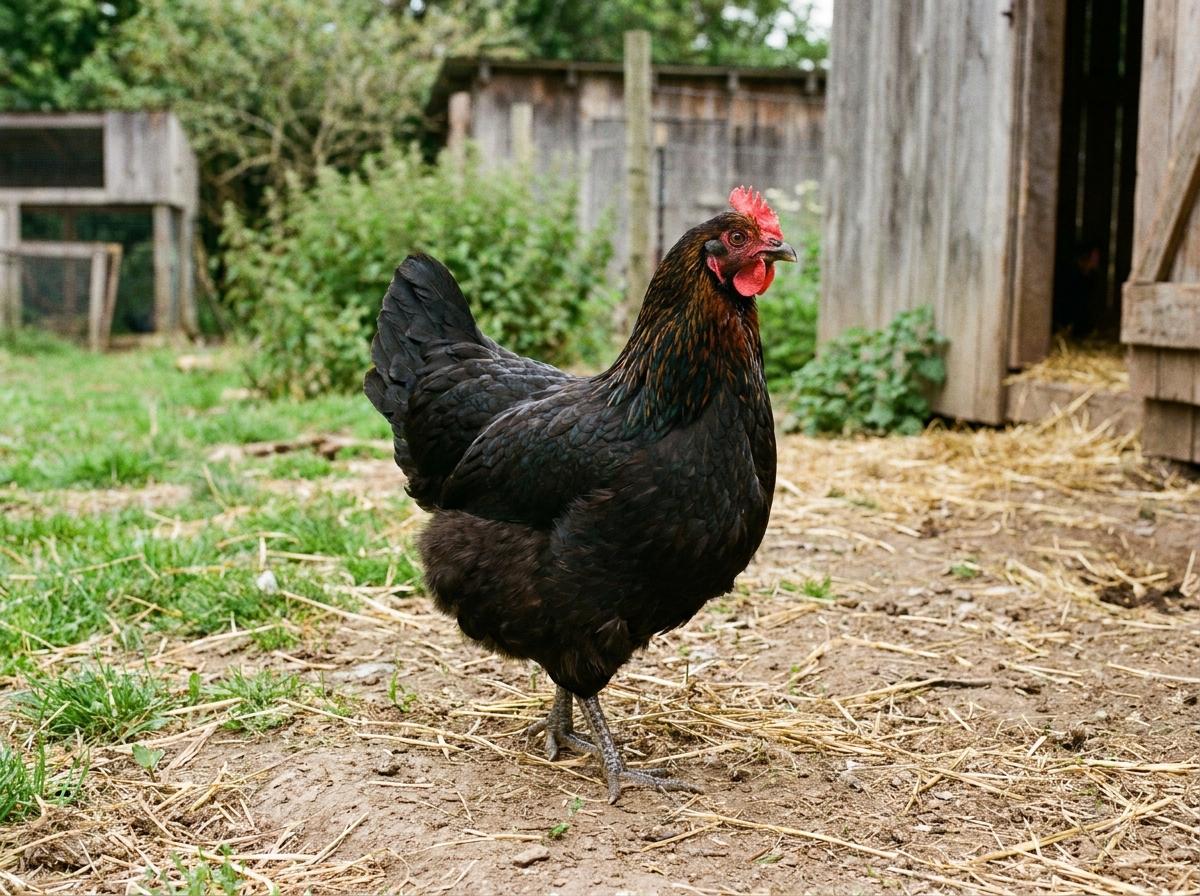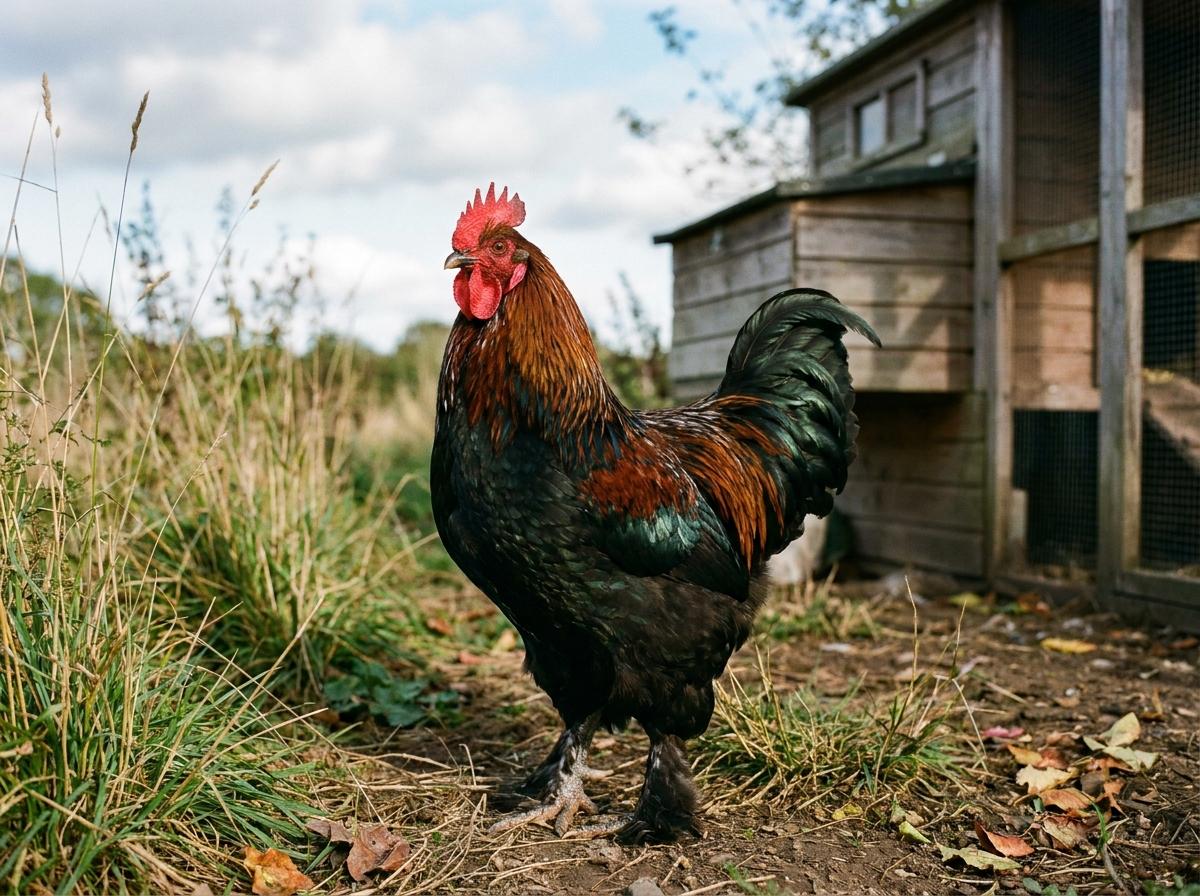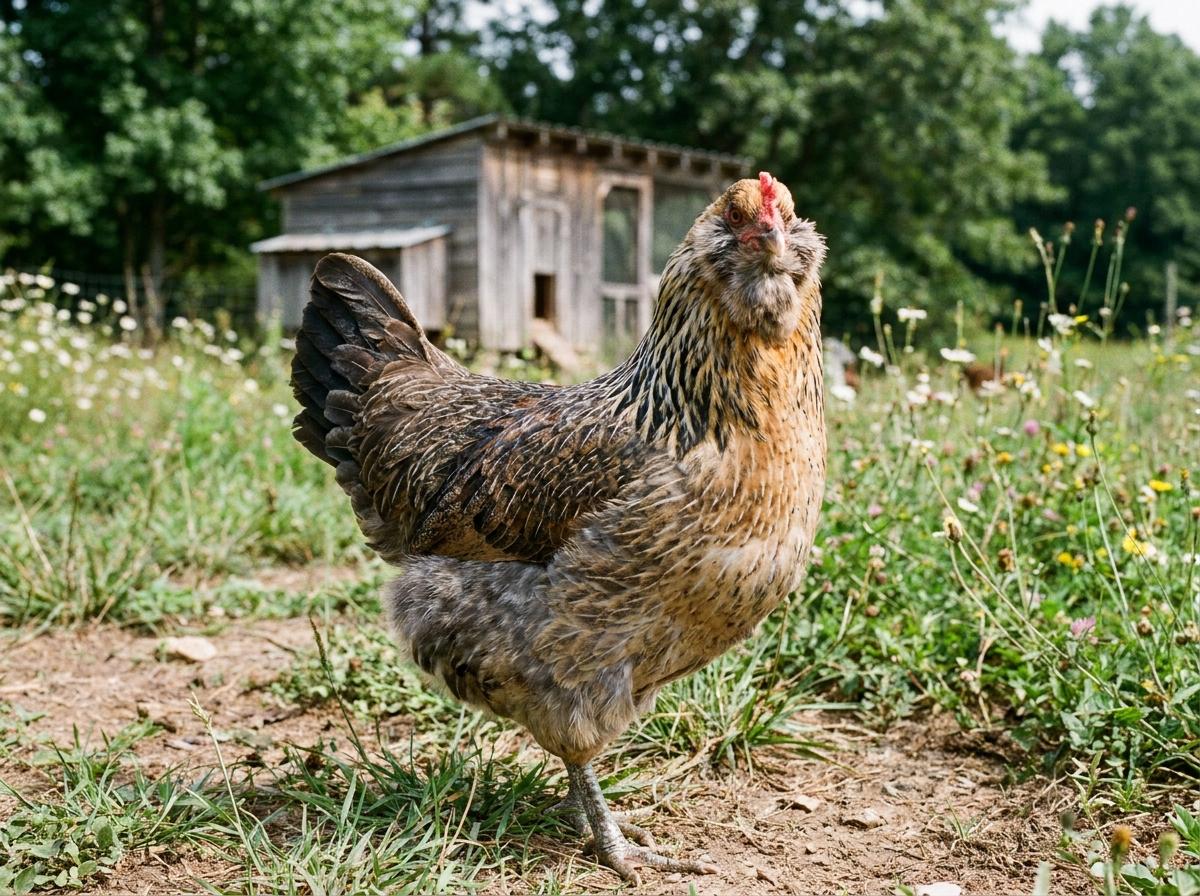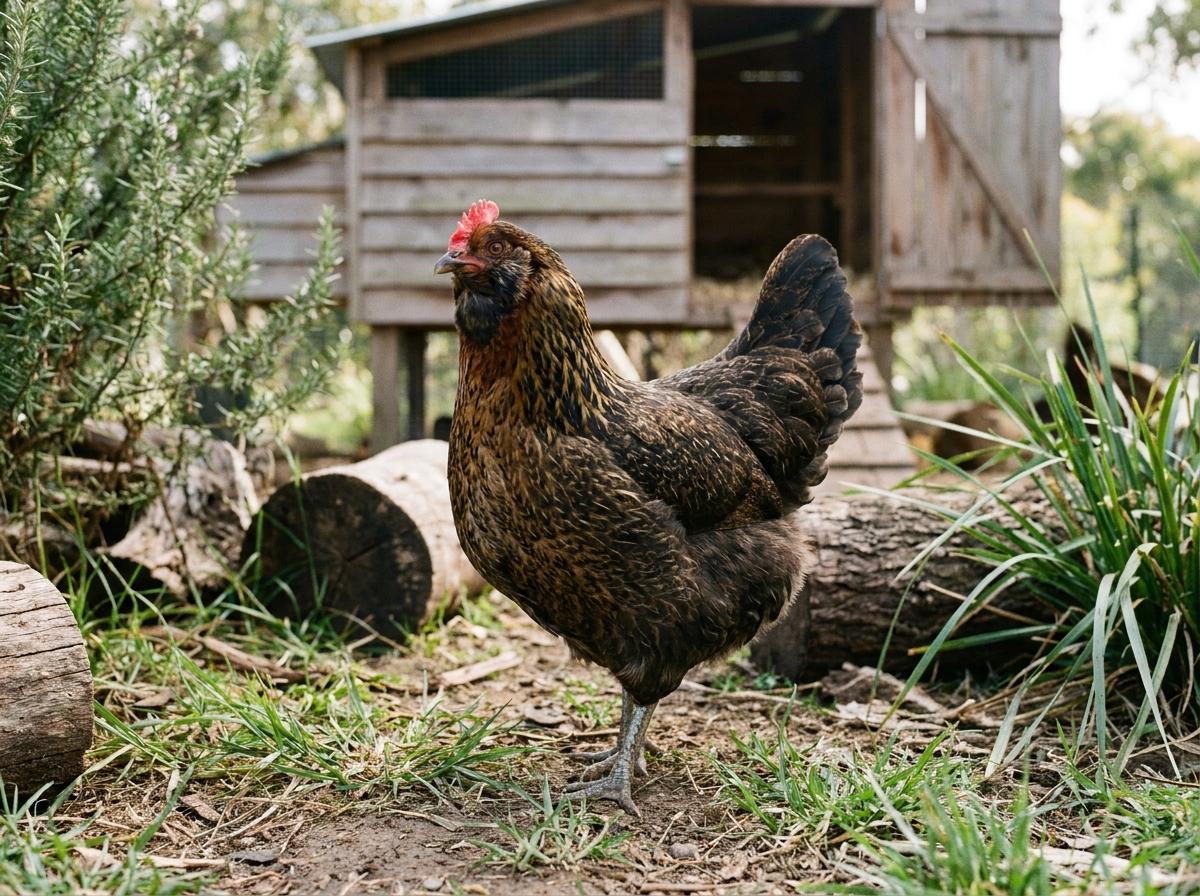


Banat Naked-Neck
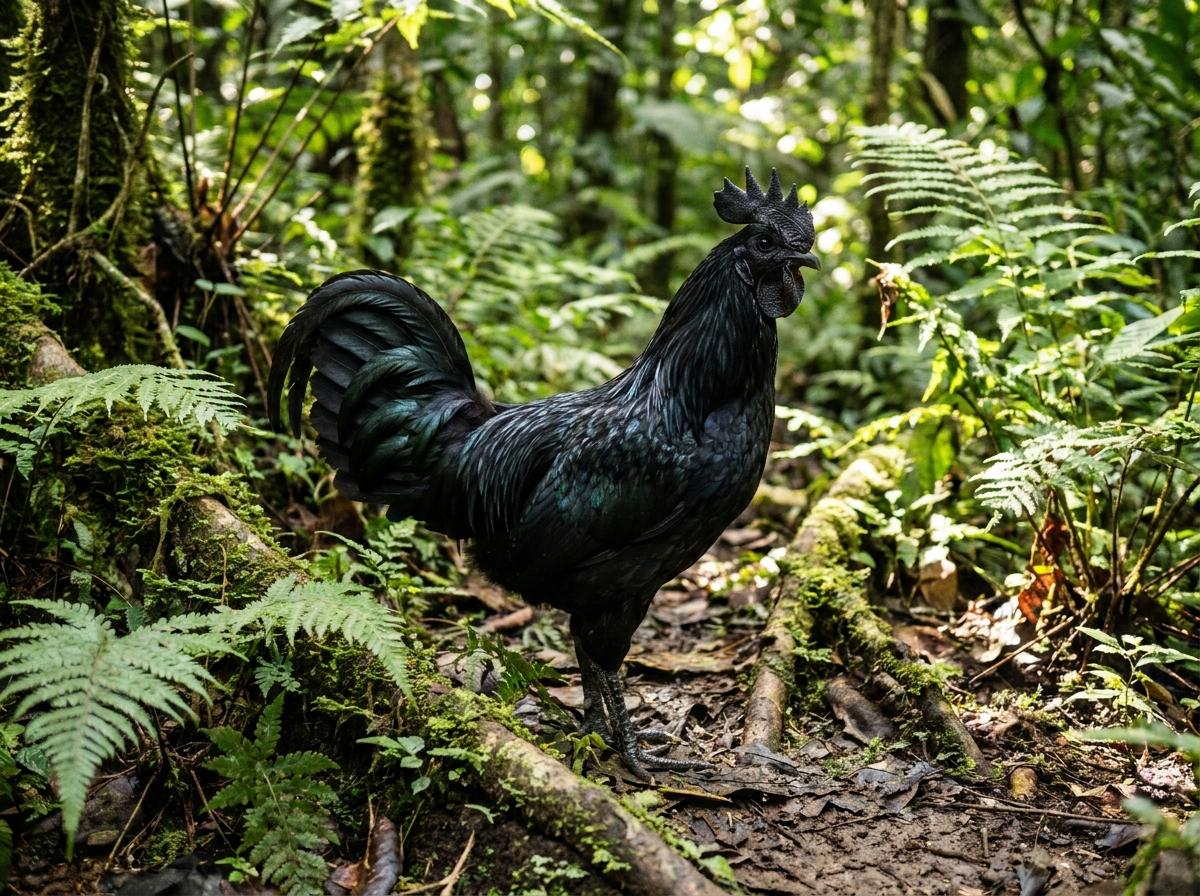
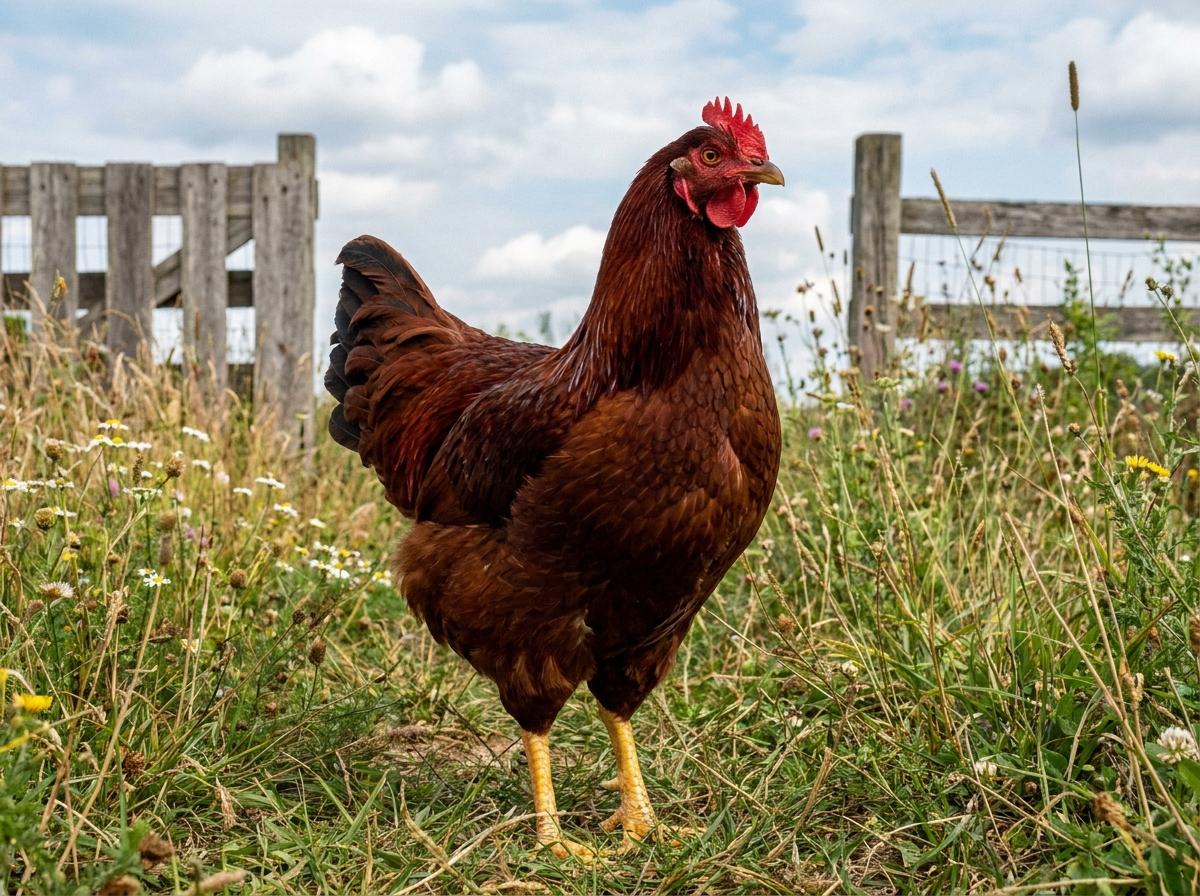
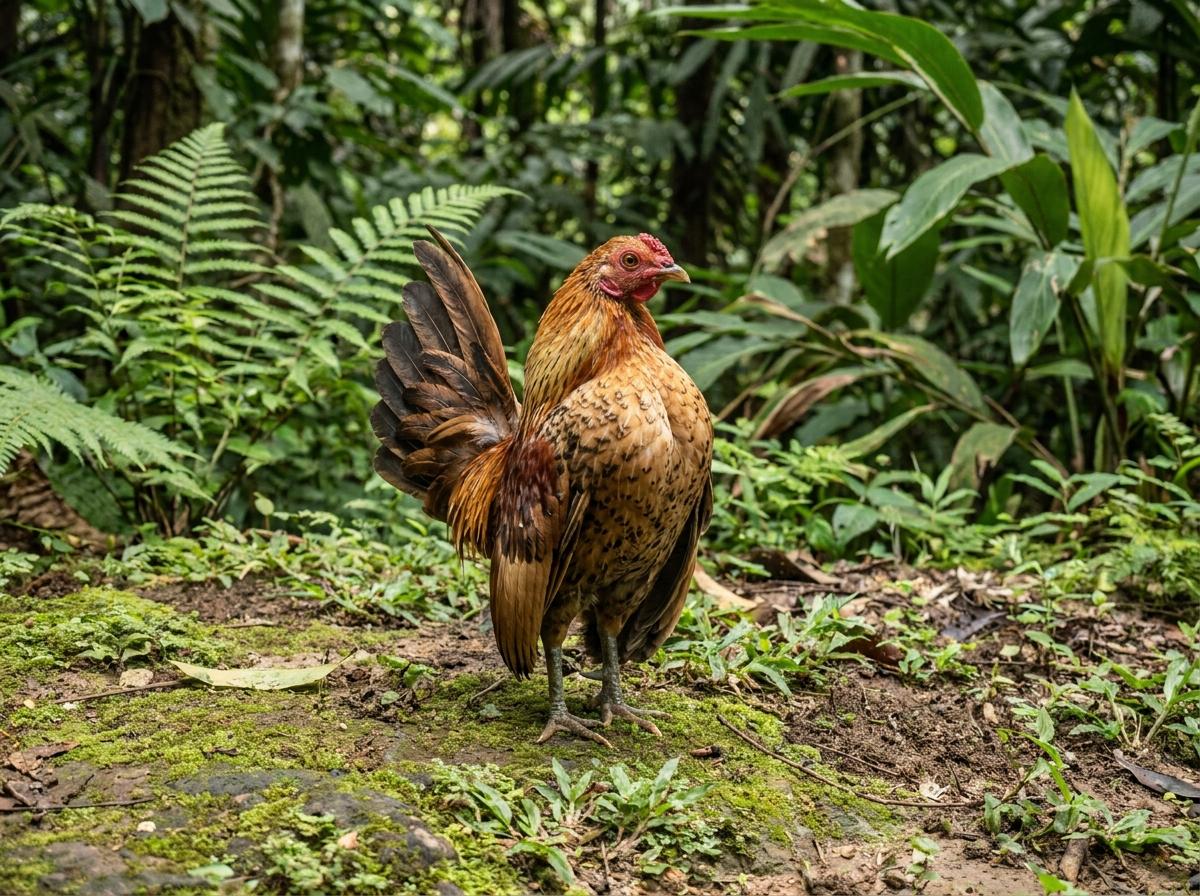
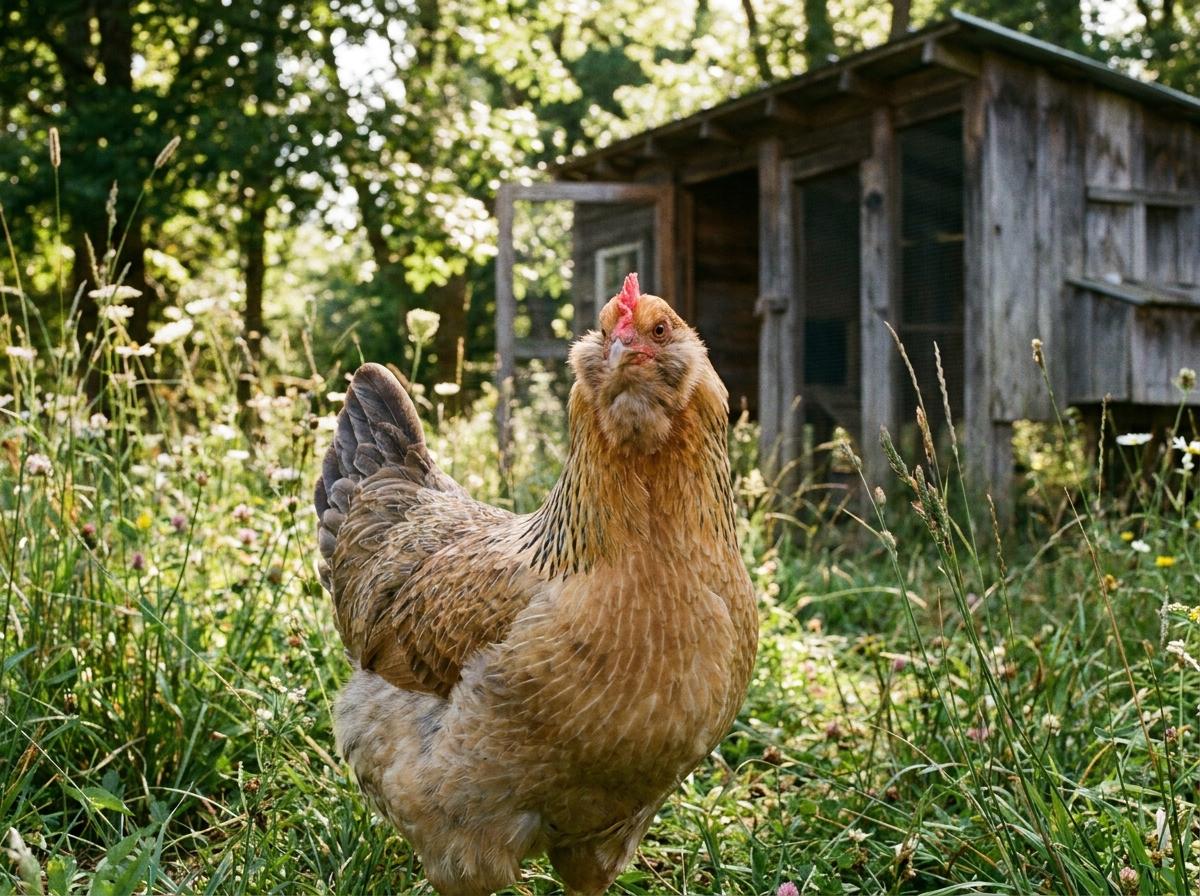
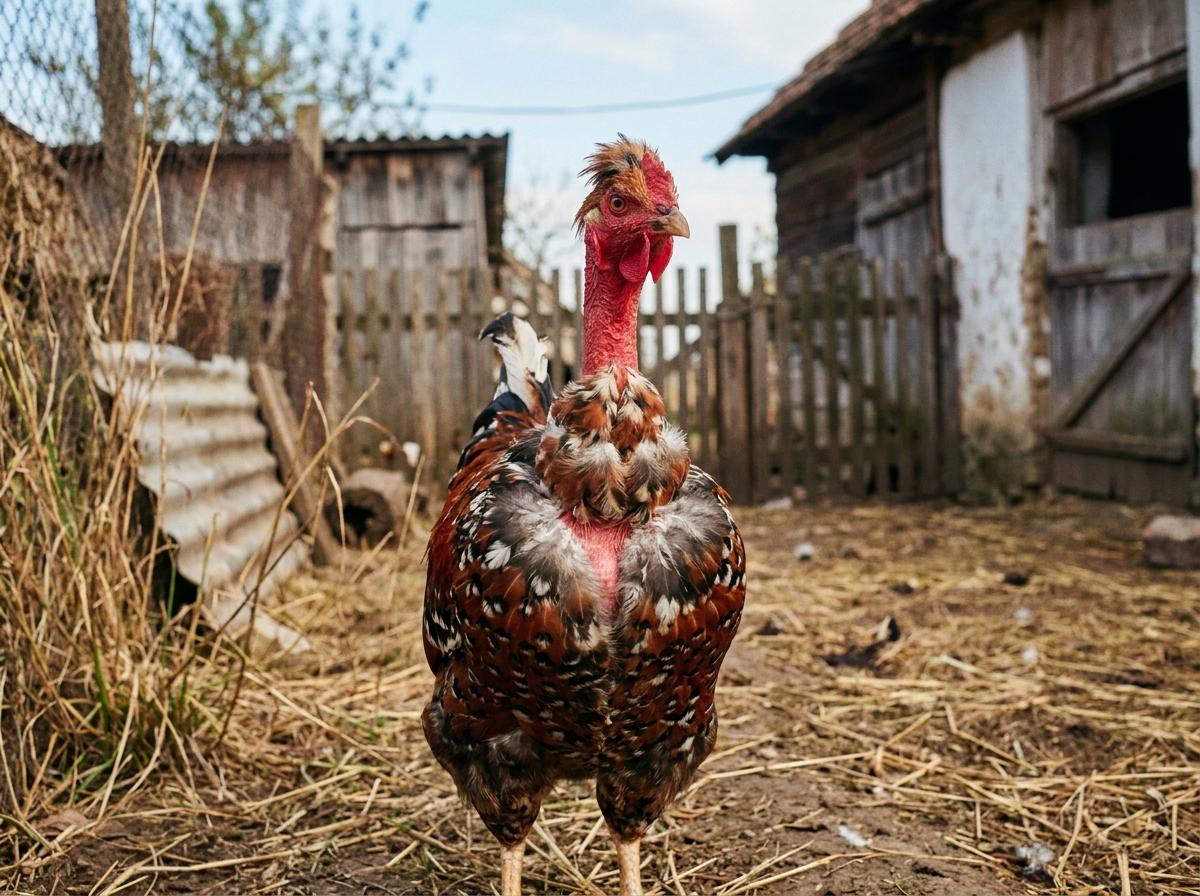
Banat naked-neck is a southeastern European naked-neck chicken associated with the Banat region, an area shared historically by parts of present-day Romania, Serbia, and Hungary. It overlaps in history and appearance with the Transylvanian naked neck, and some poultry communities use the names differently depending on local tradition. The defining trait is the naked-neck gene, which reduces feathering and leaves the neck, and sometimes parts of the breast, bare or sparsely feathered. Birds are usually medium to large, dual-purpose chickens, with color varying by line rather than a single universal pattern.
On farms, the reduced feather cover can be useful in hot weather and makes processing easier, but exposed skin still needs sensible management in strong sun, freezing wind, or rough mixed flocks. The unusual look is part of their appeal, but productive utility has long mattered. Breeding requires attention to the naked-neck gene: matings to fully feathered birds may produce a mix of chick types, and selection for sound bodies matters as much as bare necks. They should not be described as turkey hybrids; they are fully domestic chickens.
Colors: Barred, Birchen, Black, Blue, Brown, Buff, Columbian, Crele, Cuckoo, Duckwing, Gold, Gold Laced, Laced, Lavender, Mille Fleur, Mottled, Partridge, Penciled, Porcelain, Red, Silver, Silver Laced, Spangled, Splash, Wheaten, White