Cambar
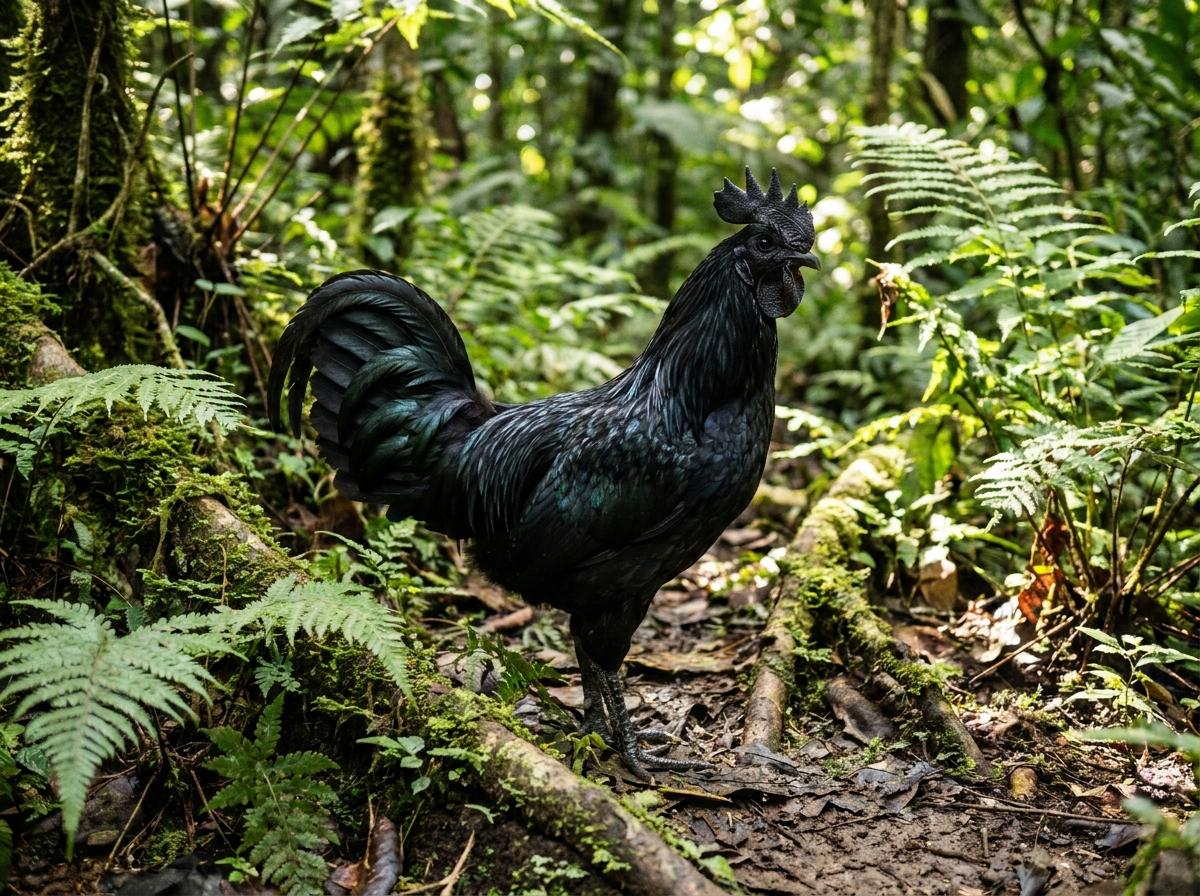
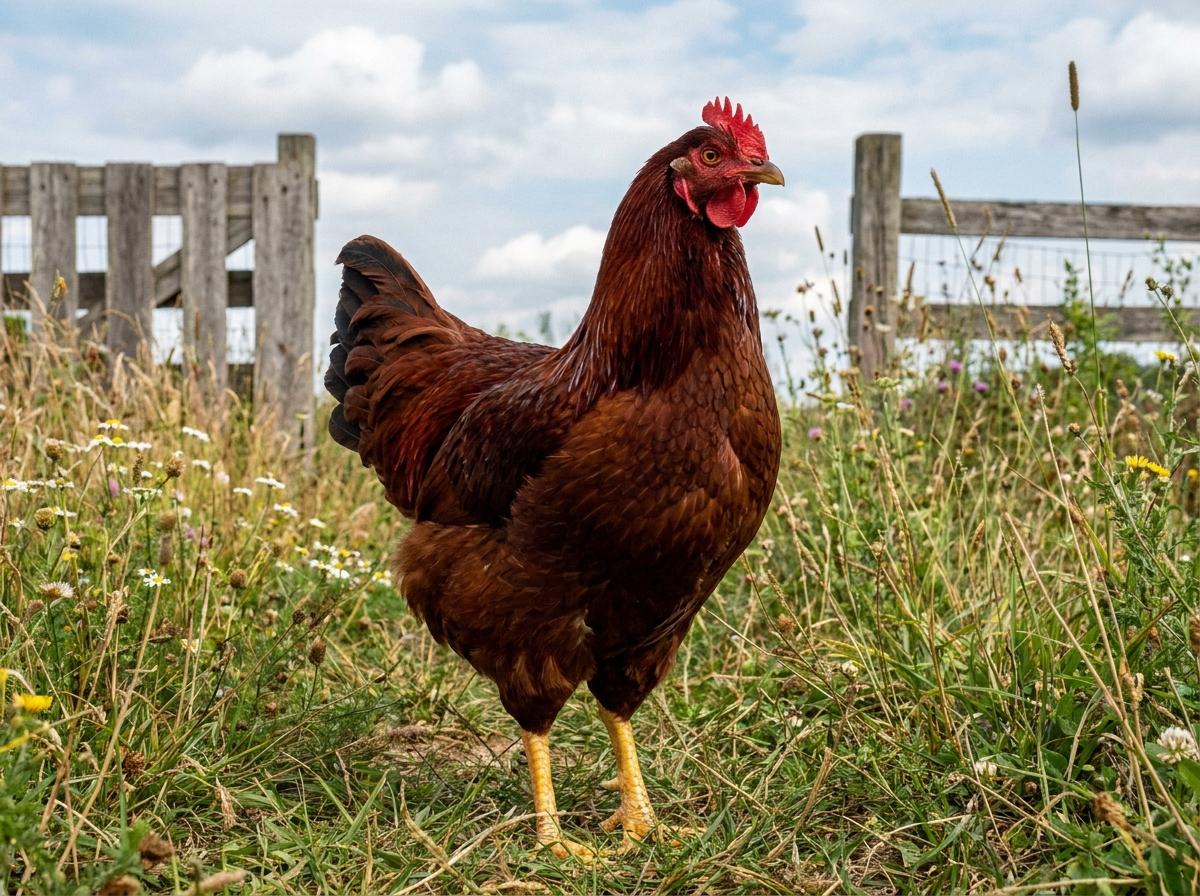
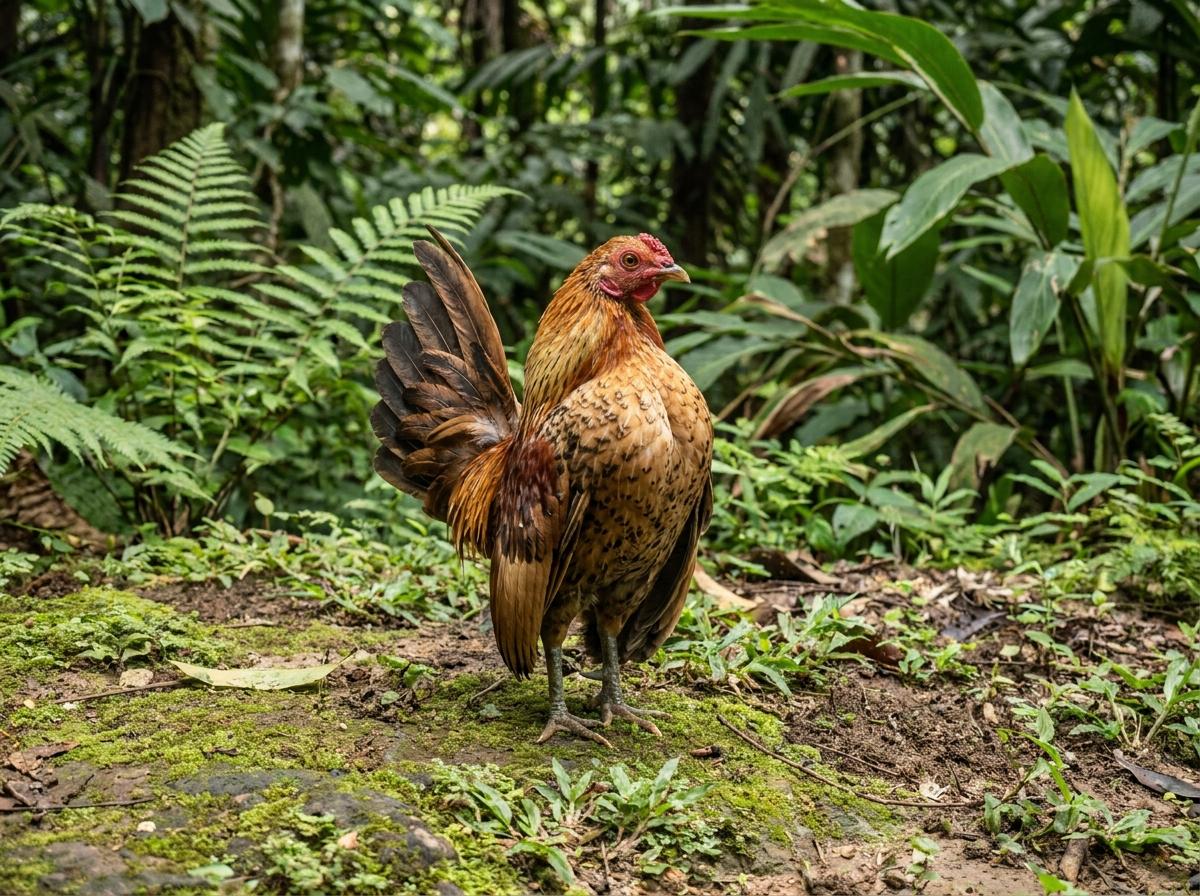
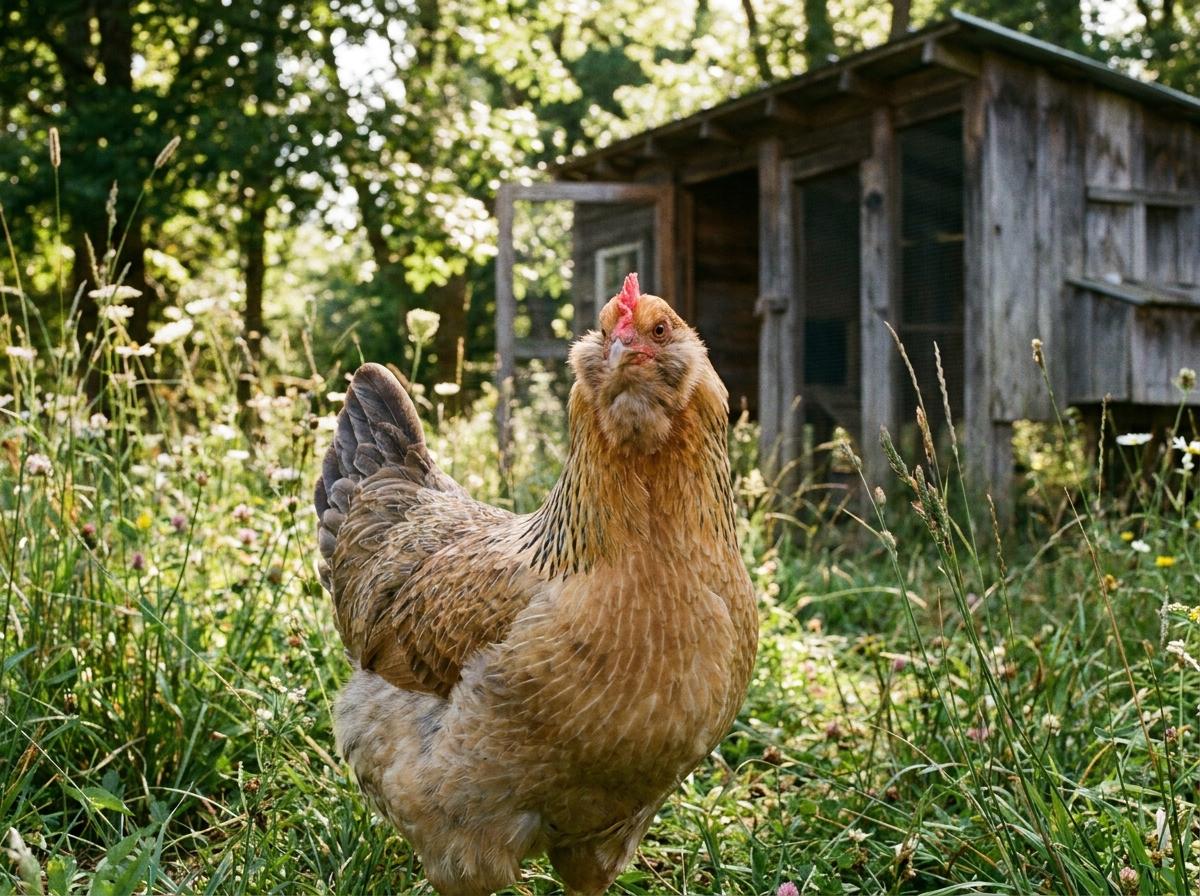
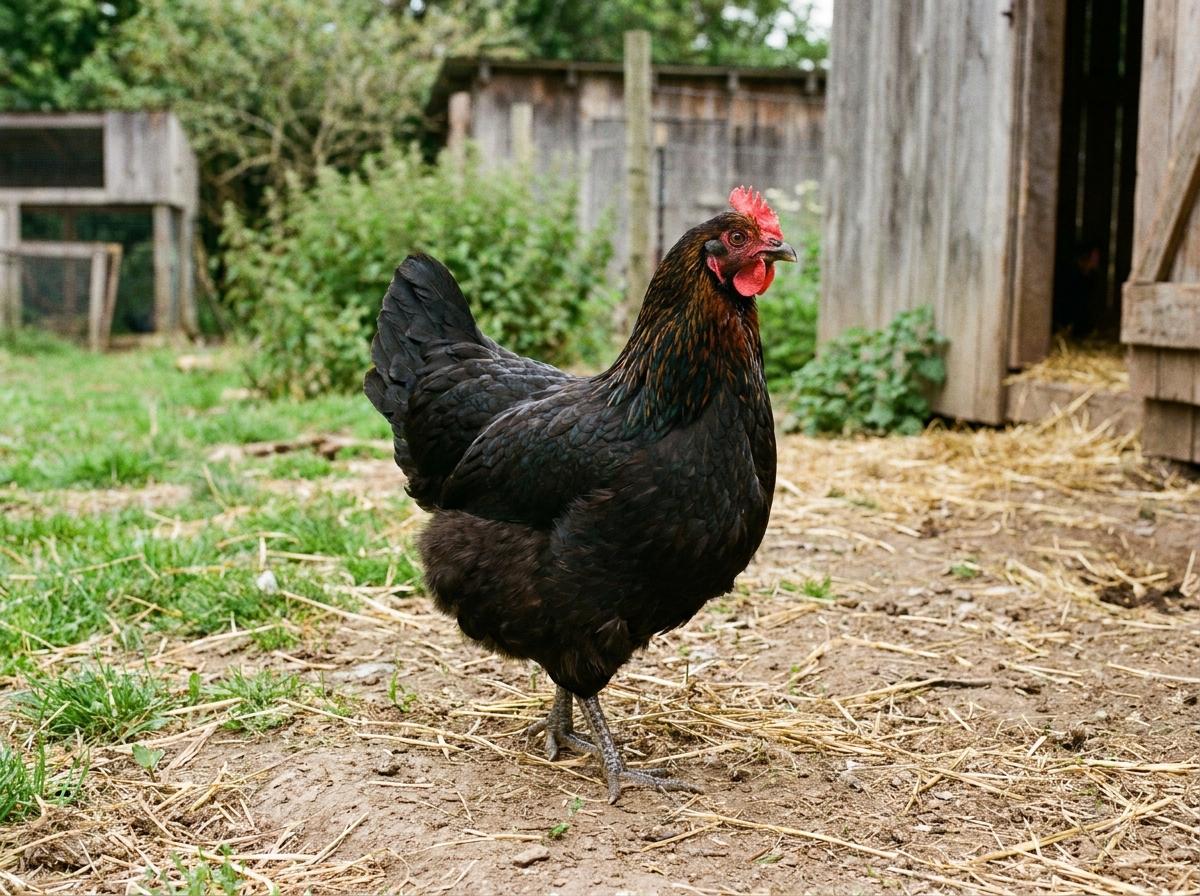
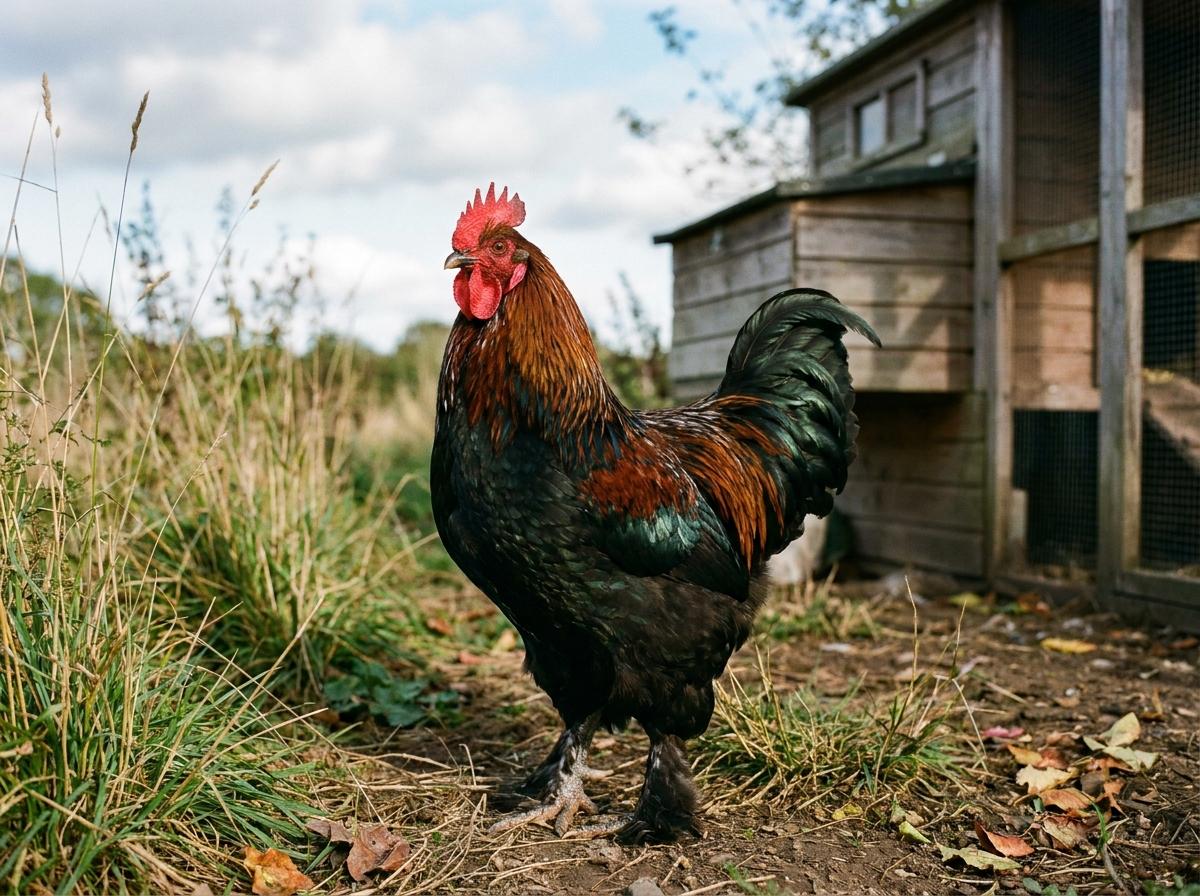
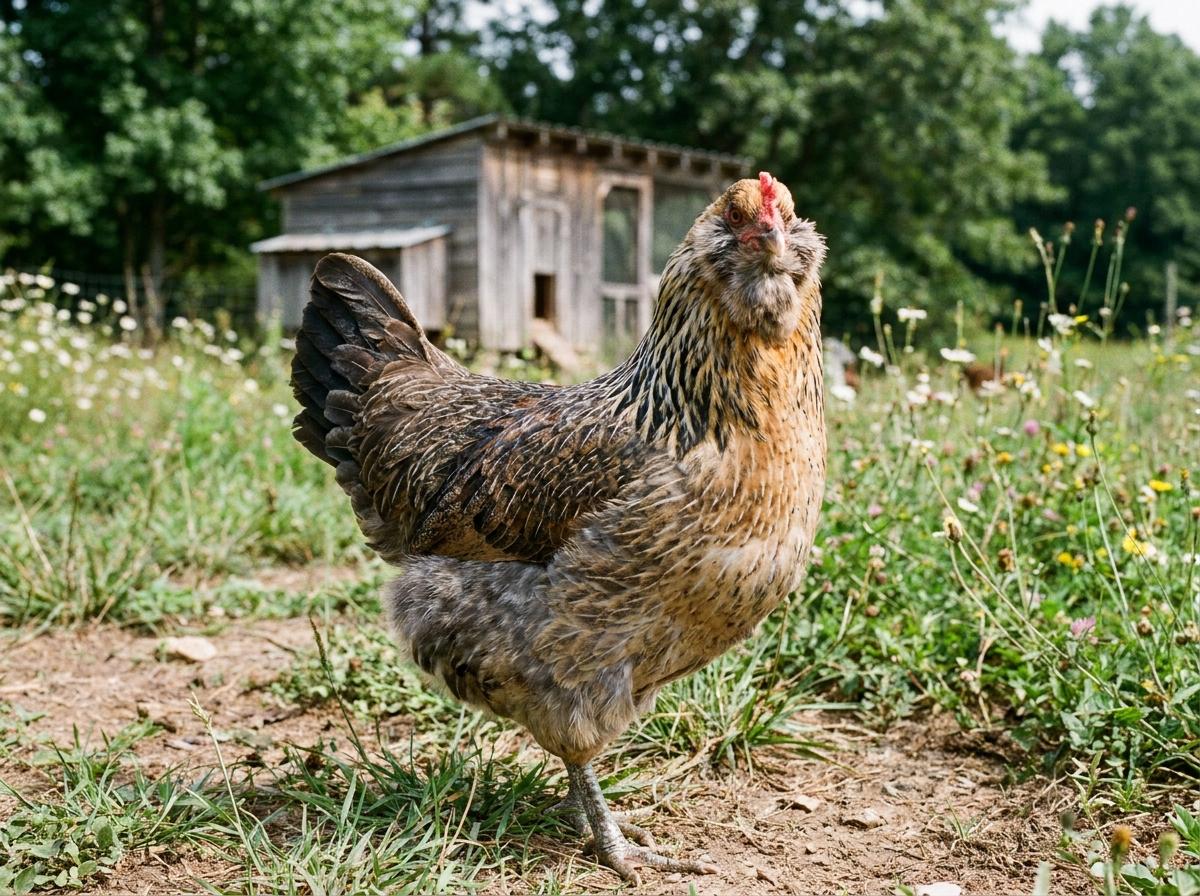
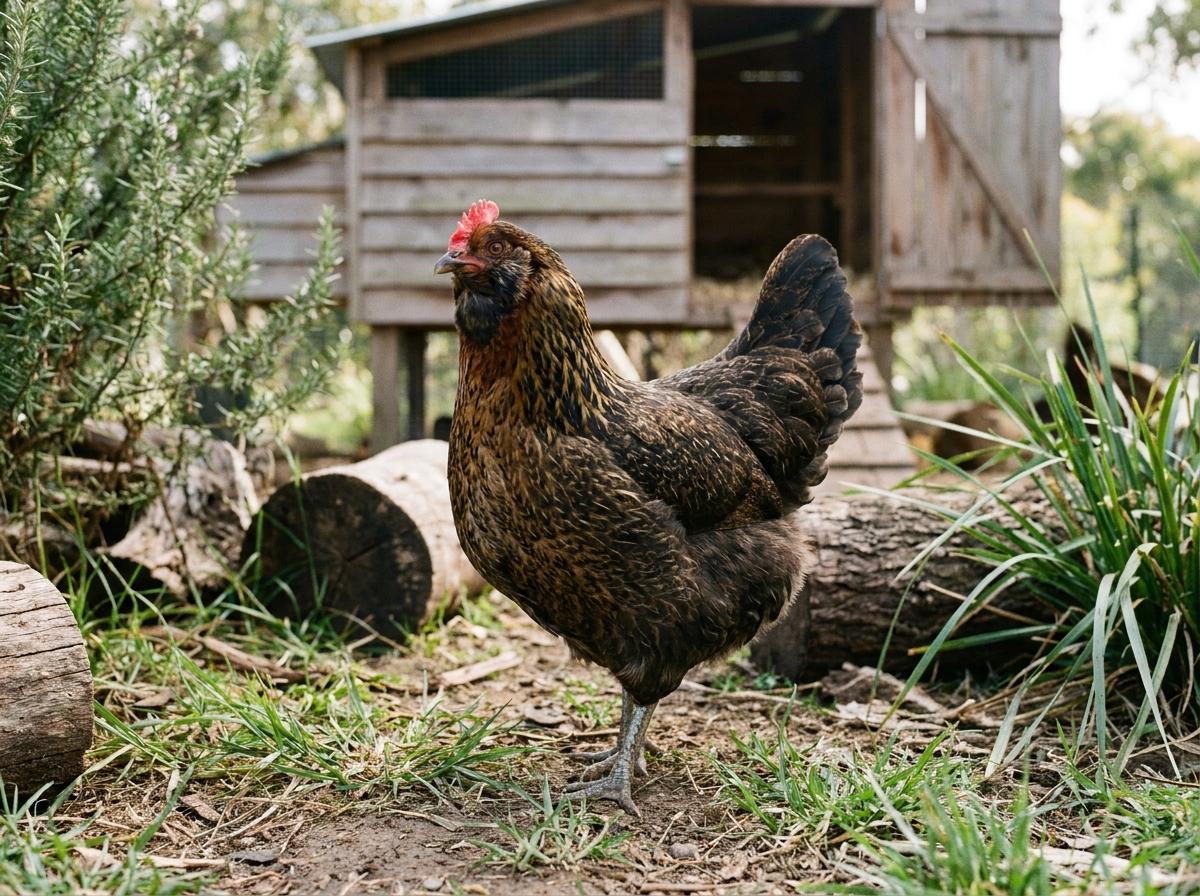
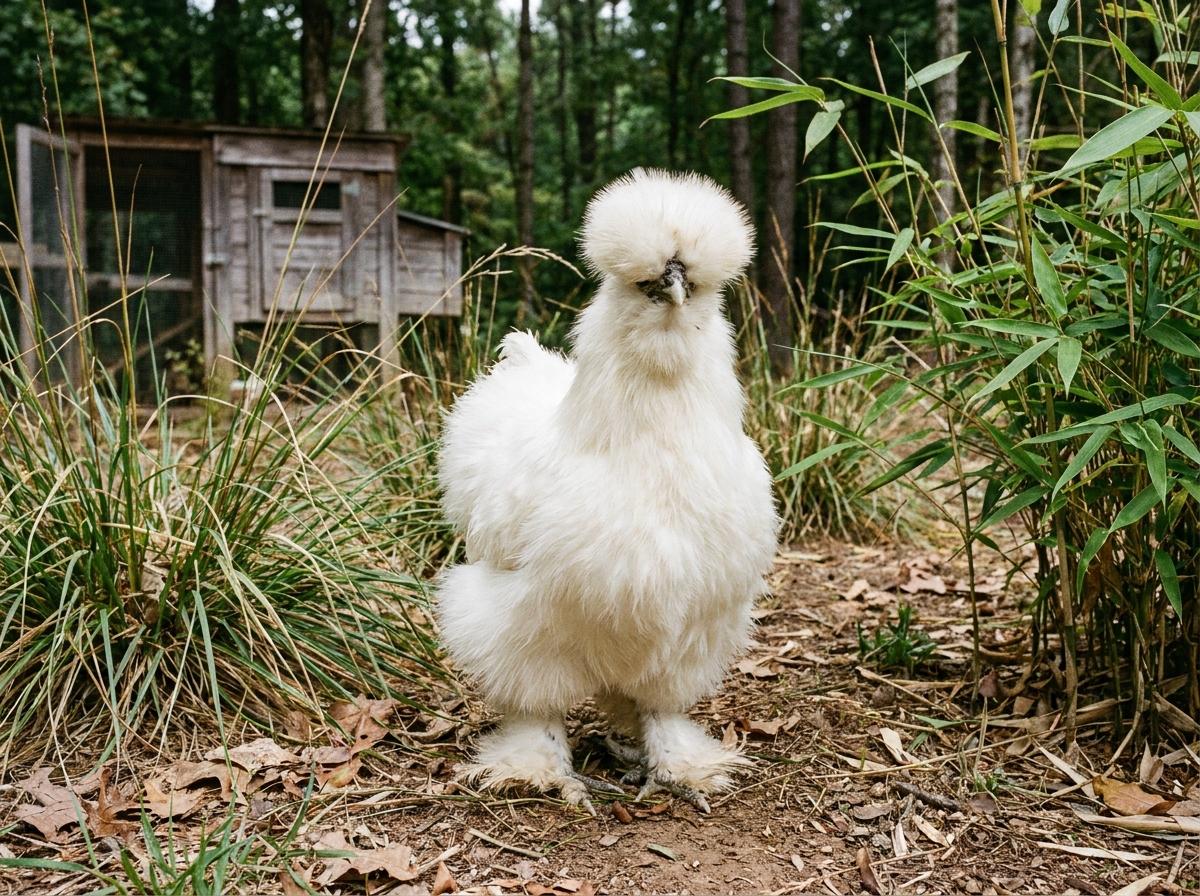
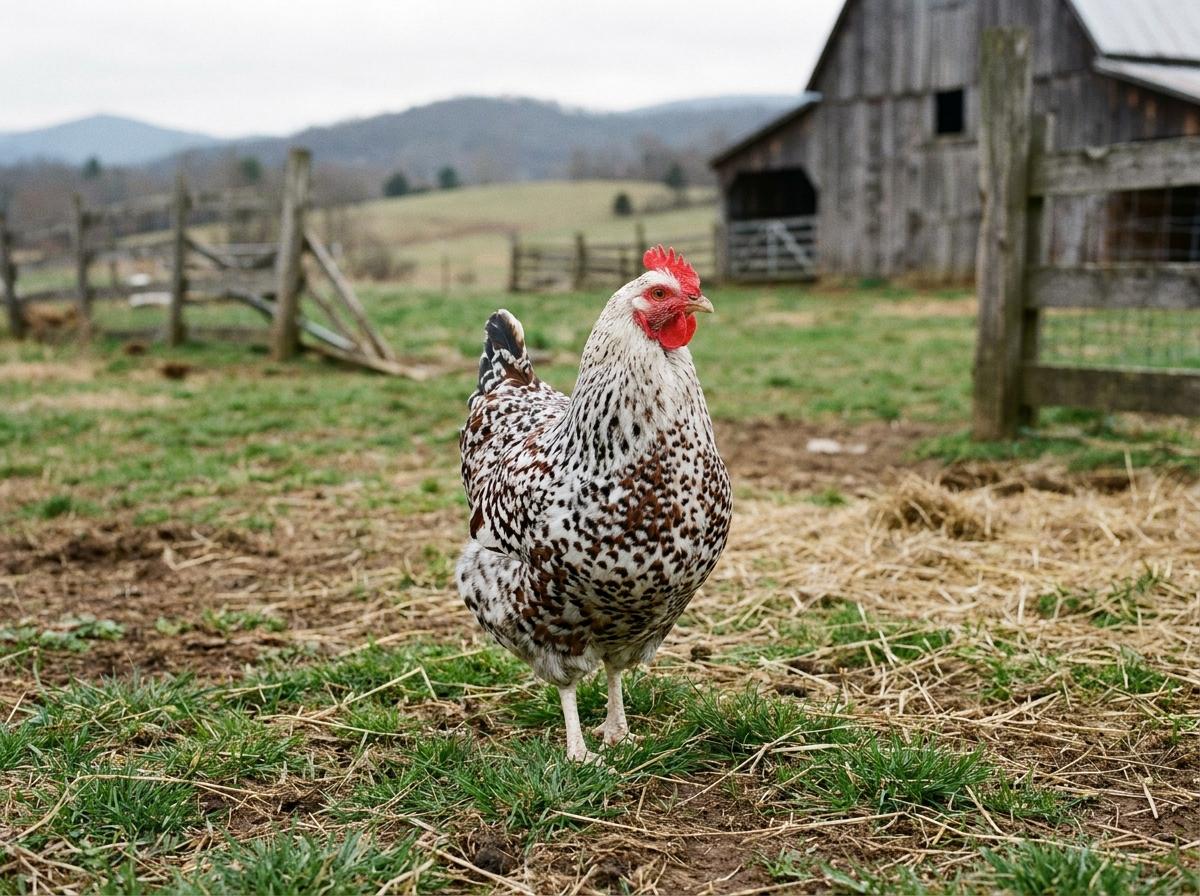
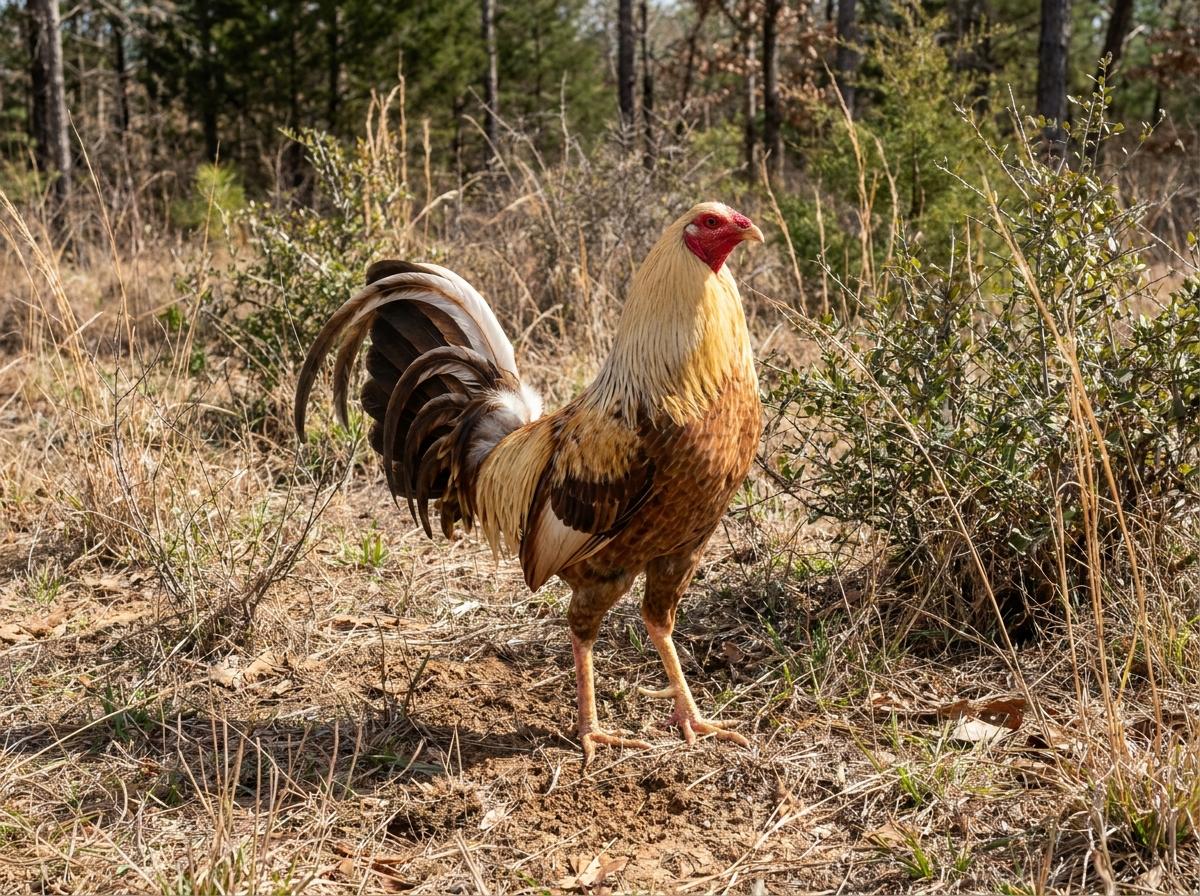
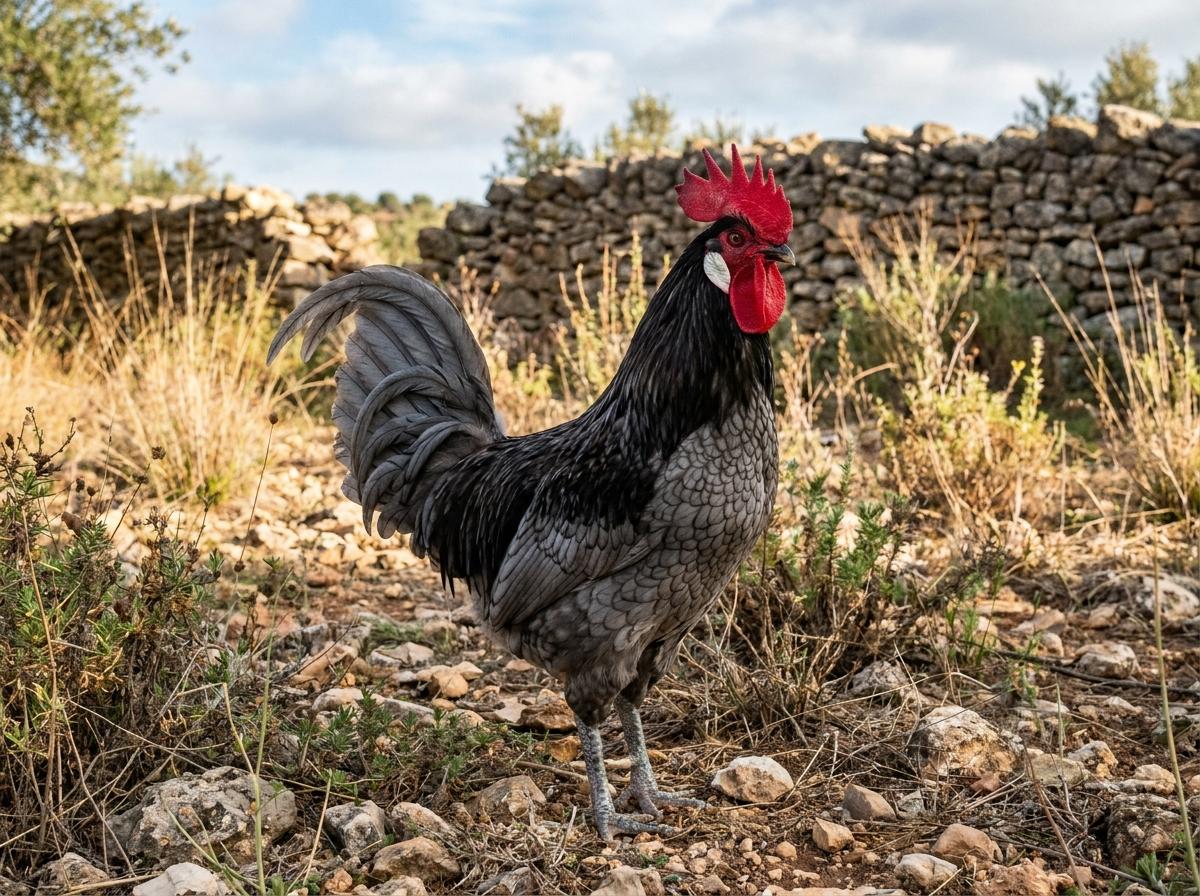
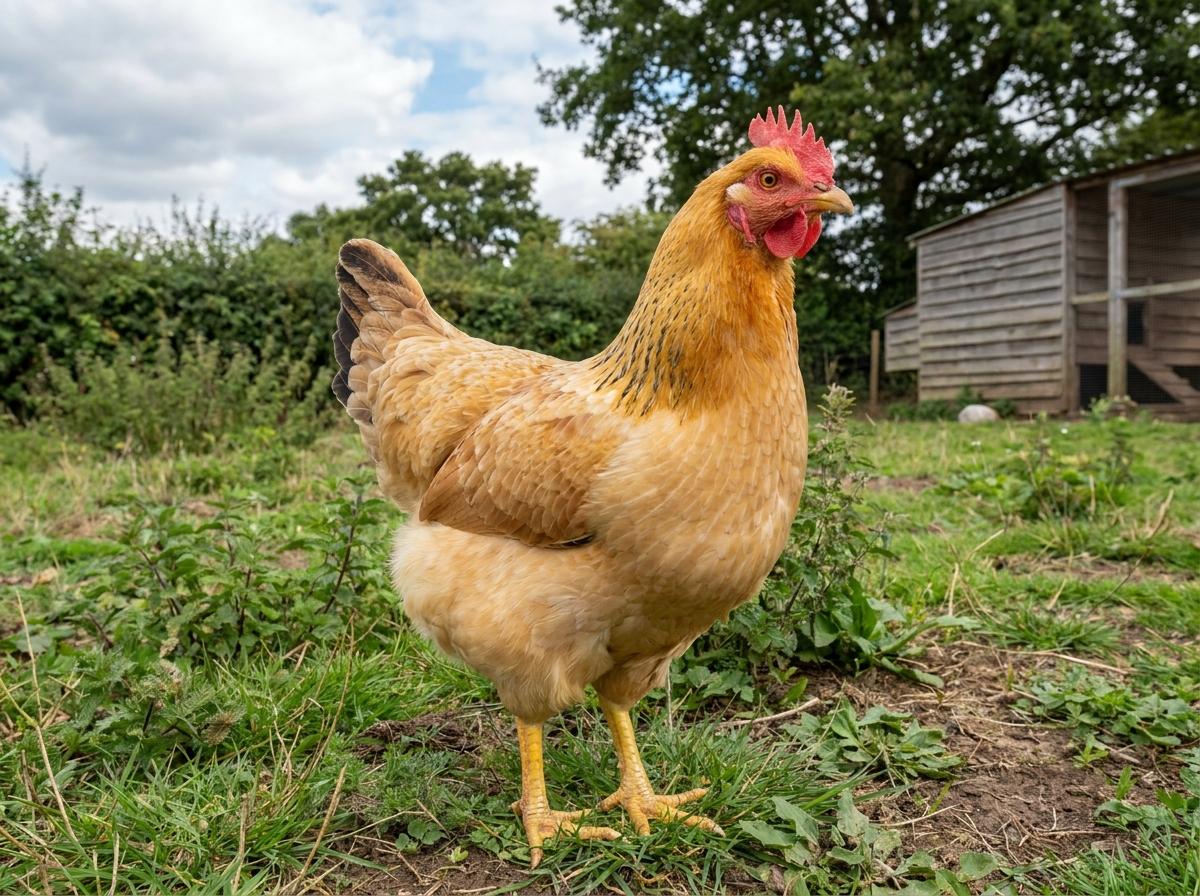
The Cambar is a rare autosexing chicken associated with the poultry genetics work of Reginald Punnett at Cambridge in the early twentieth century. Its name reflects the use of Campine and barred ancestry, especially the Barred Plymouth Rock, to produce chicks whose sex can be read from down color and head markings soon after hatch. Adult birds are light utility fowl with a barred or cuckoo appearance rather than heavy table chickens, and they are now far less common than later autosexing breeds.
People who keep Cambars usually do so for breed preservation, genetic interest, or small-flock egg production. The practical value is the hatch-day sorting trait, but it only remains useful when selection is strict; unclear head spots, mixed down colors, or crossing with unrelated barred birds can quickly blur the signal. Breeding pens need accurate records and enough unrelated stock to avoid narrowing the line. As with many active light chickens, secure fencing, dry roosting space, and a productive but not overfat diet suit them better than close confinement.
Colors: Barred, Birchen, Black, Blue, Brown, Buff, Columbian, Crele, Cuckoo, Duckwing, Gold, Gold Laced, Laced, Lavender, Mille Fleur, Mottled, Partridge, Penciled, Porcelain, Red, Silver, Silver Laced, Spangled, Splash, Wheaten, White