



Iowa Blue
The Iowa Blue is a rare American heritage chicken that, despite its name, is not blue at all. It is a dual-purpose farm fowl developed near Decorah, Iowa, in the first half of the twentieth century, and the standard bird shows a striking silver-and-charcoal pattern rather than any solid blue color: a clean silvery-white head and neck, a dark slate-grey body finely penciled and laced with silver, red single comb, and clean yellow legs. It nearly vanished when the small Iowa hatcheries that once sold it closed, and it survives today only because a scattered group of heritage breeders pulled it back from the brink. This page covers what the breed actually is, where the “blue” name and its colorful origin legend come from, how it looks, how it behaves, its conservation status, and what to check before you take one on. If you are weighing rare American heritage chickens, it is worth reading alongside another revival-story breed in the same family, the La Fleche.

Browse listings, public profiles, breeders, or add your animal.
What is an Iowa Blue chicken?
The Iowa Blue is one of a small handful of chicken breeds that can genuinely call themselves American. It was developed near the town of Decorah in northeastern Iowa in the early twentieth century as a practical farm bird: a dual-purpose fowl that would lay a useful number of brown eggs, put enough meat on the table to matter, and get on with foraging for much of its own living through Iowa’s hot, humid summers and cold winters. In other words, it was bred to be useful on a working farm rather than to win prizes, which is exactly the kind of hardy regional utility breed that once populated the rural United States.
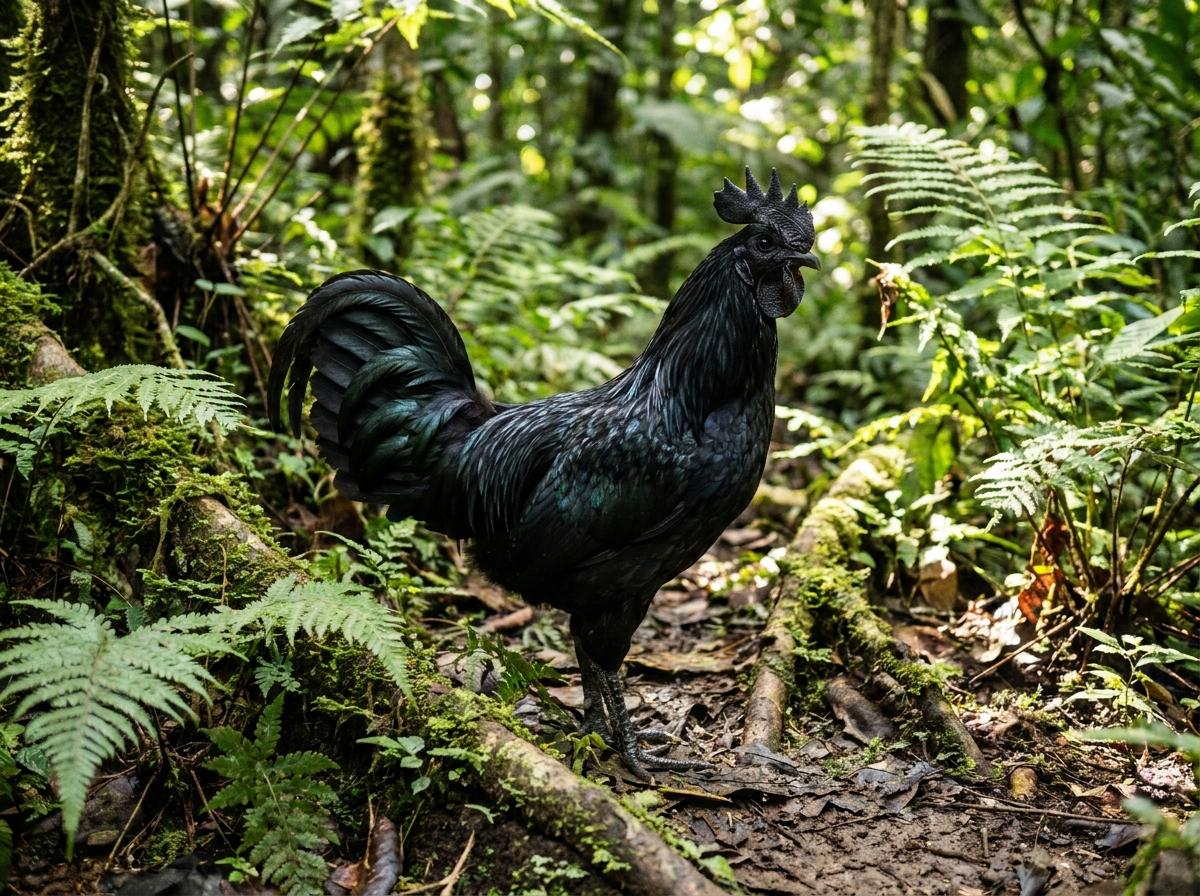
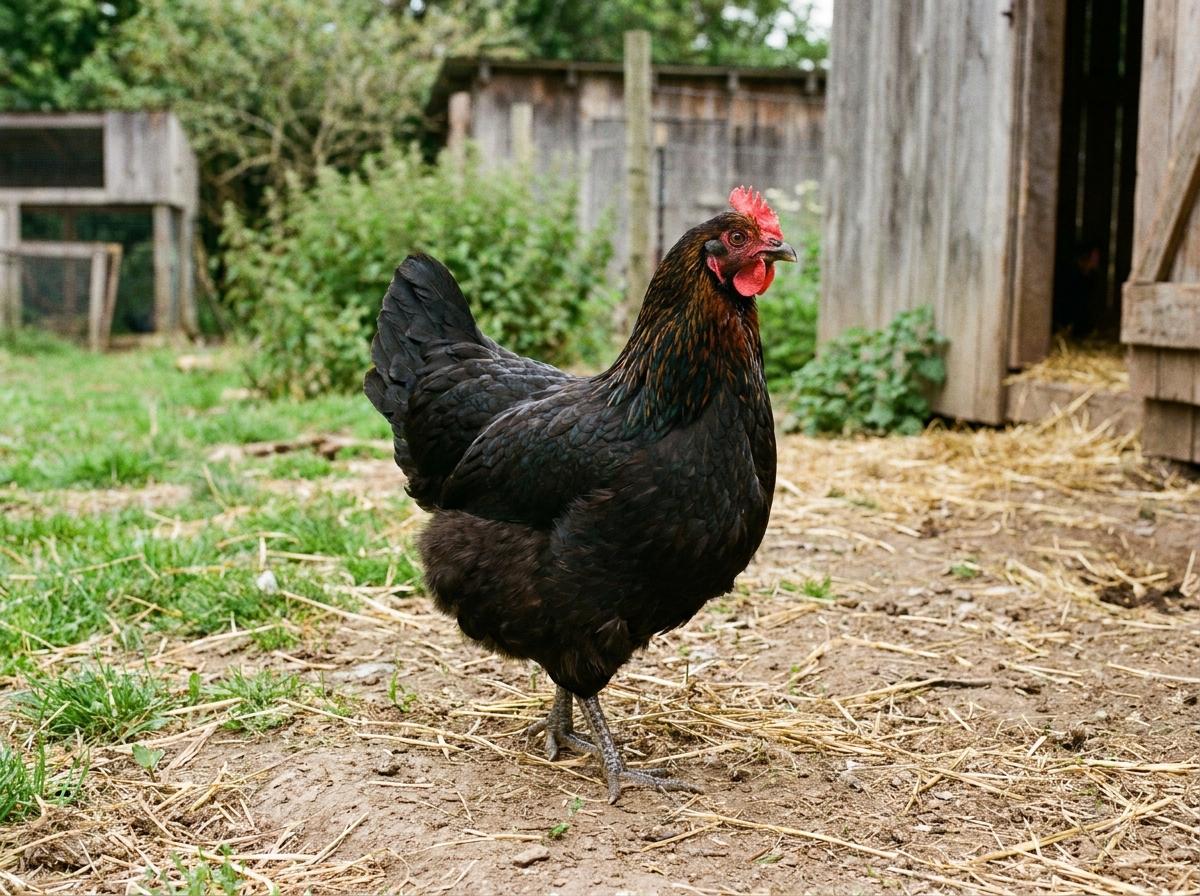
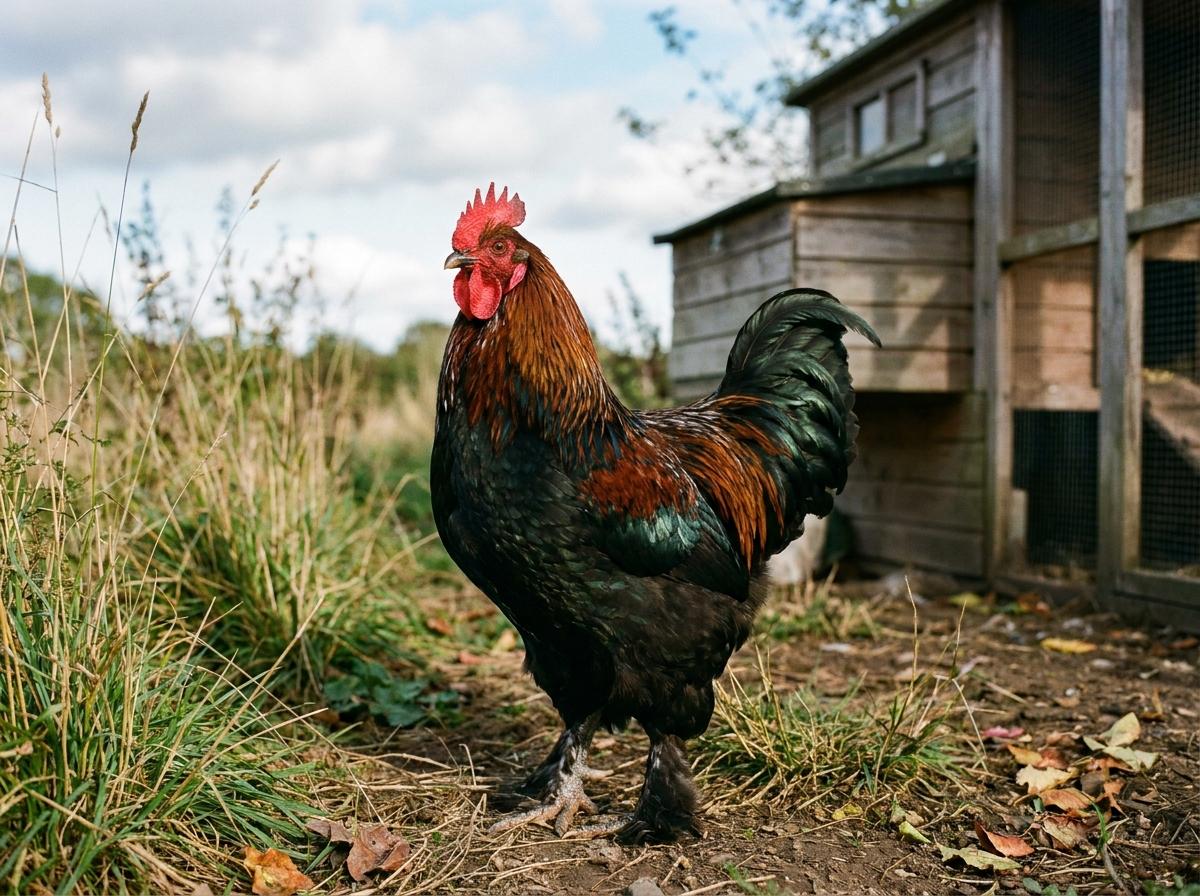
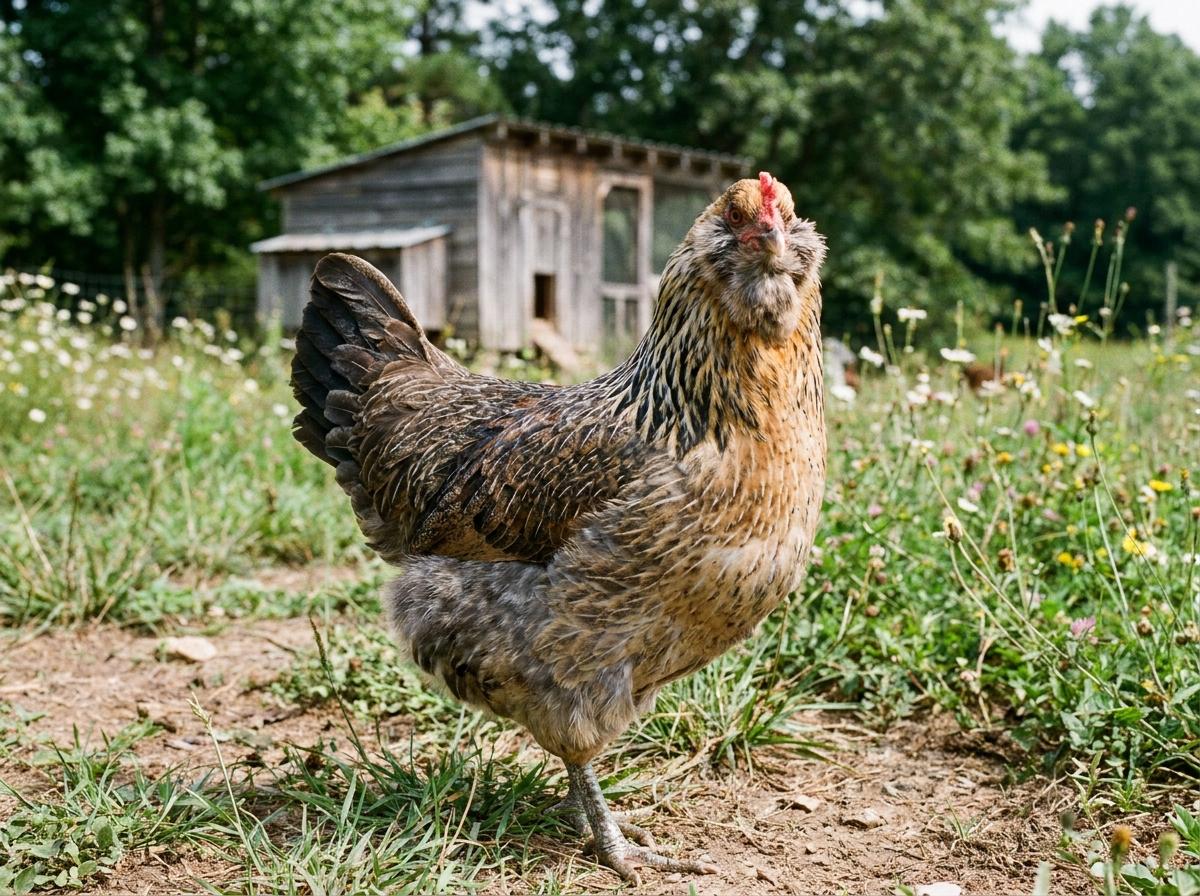
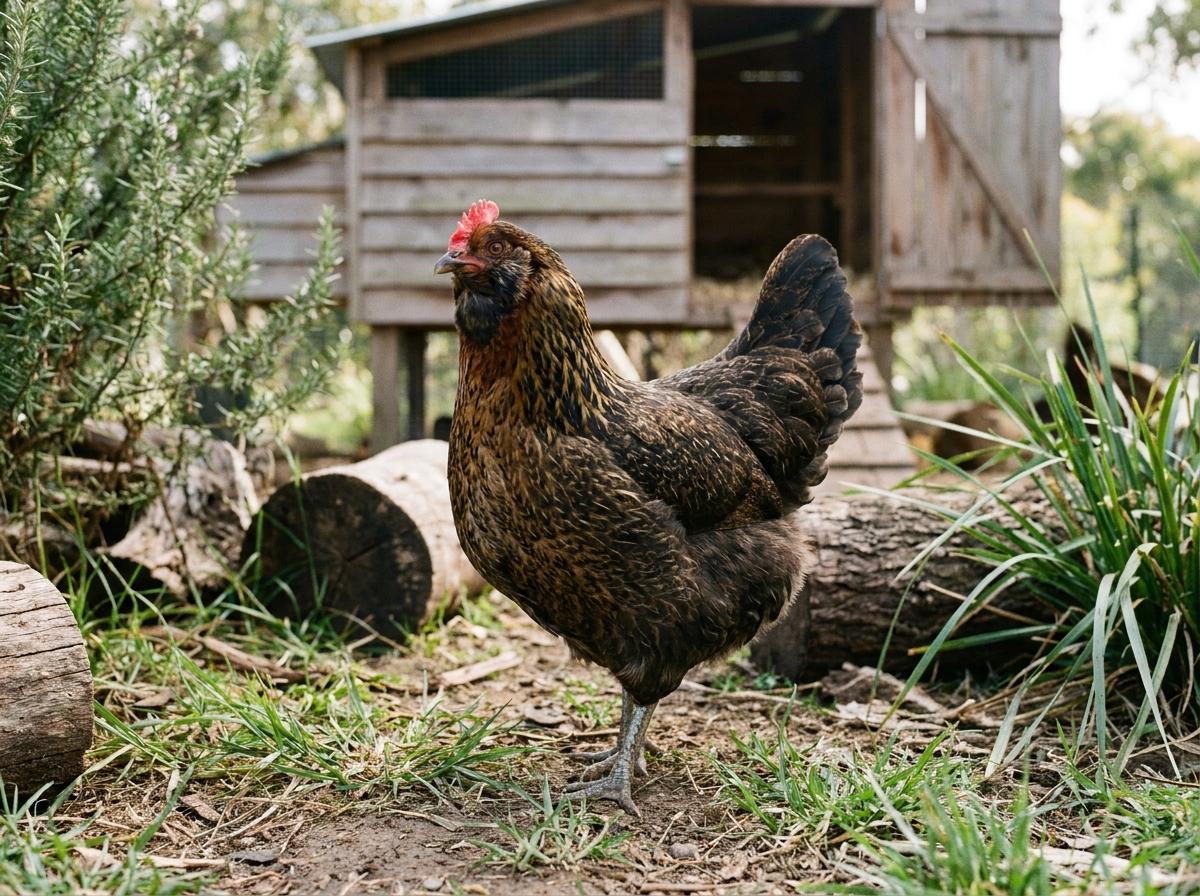
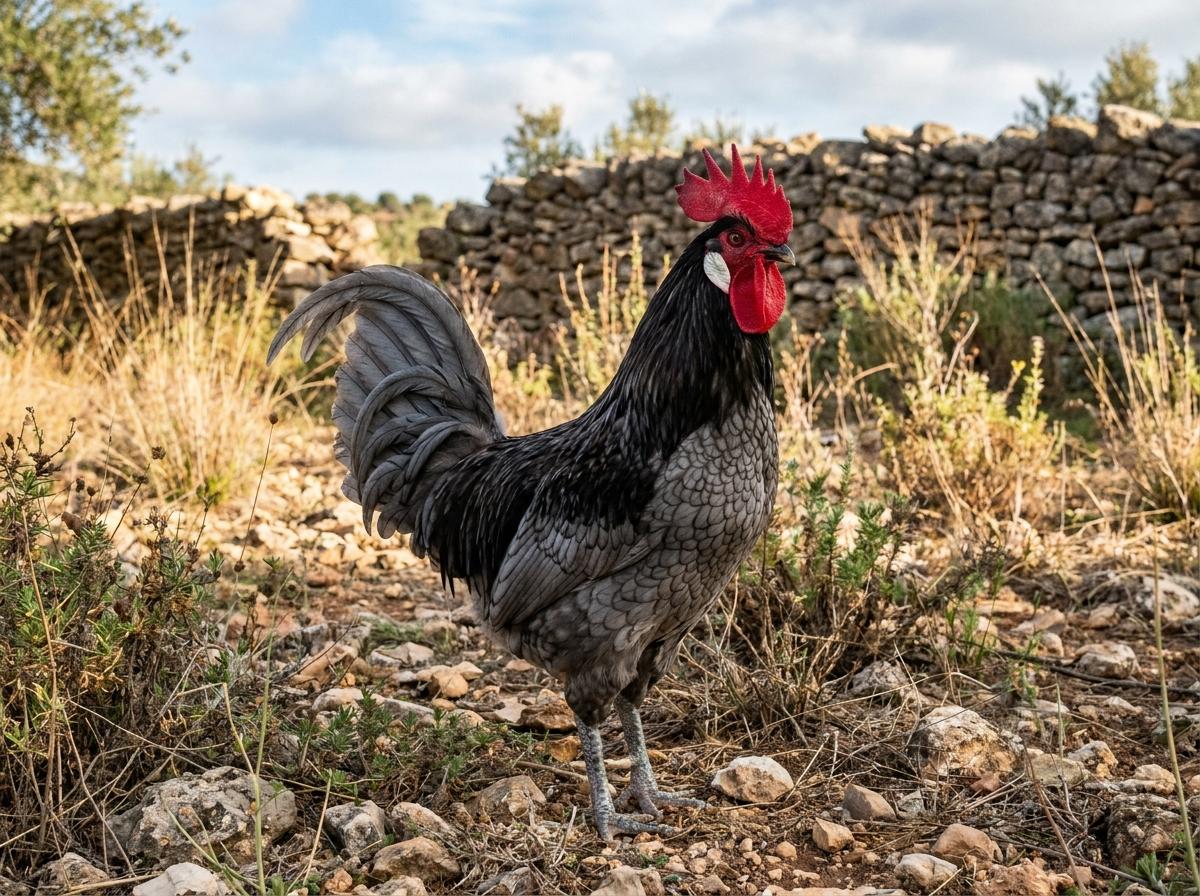
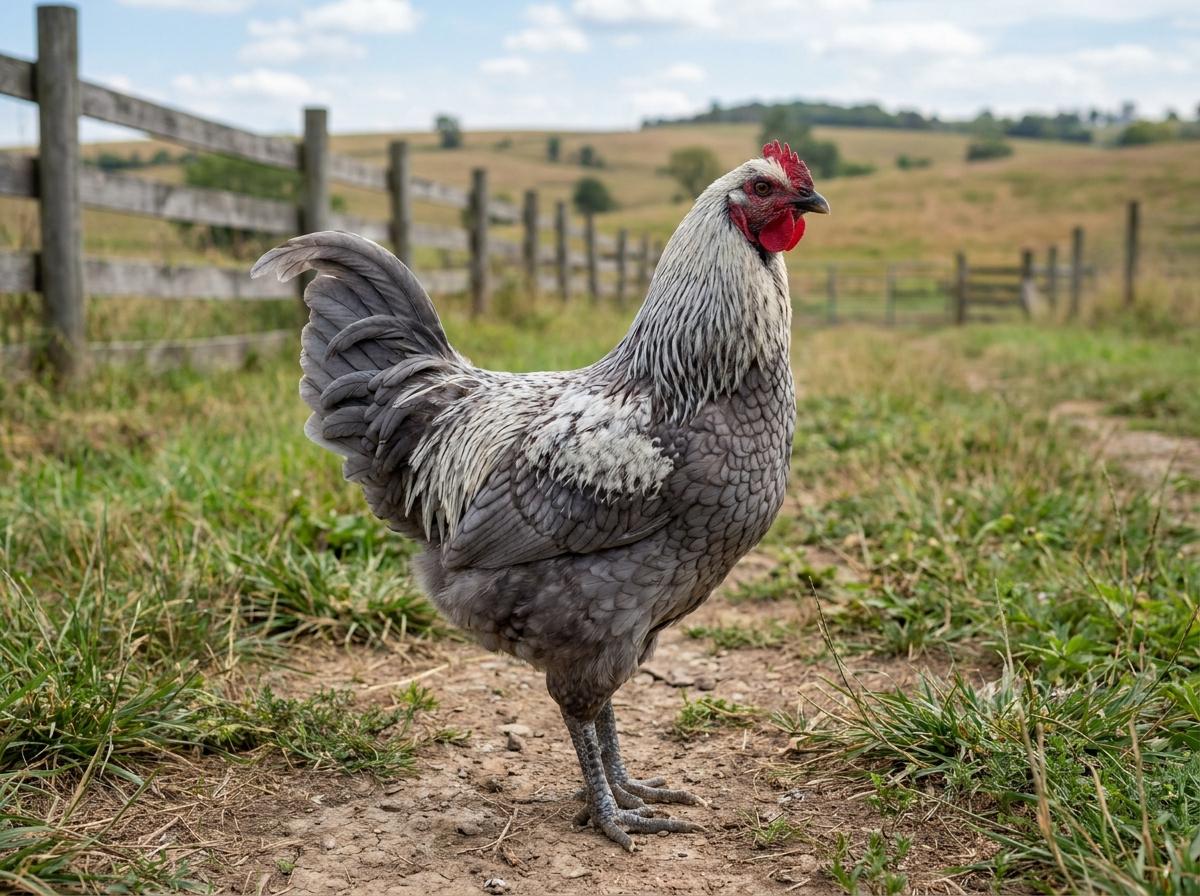
The single most important thing to understand about the breed is that the name is misleading. An Iowa Blue is not a blue chicken. There is no solid slate or lavender plumage of the sort you see in an Andalusian or a “blue” Orpington. Instead, as Wikipedia and multiple heritage-poultry sources describe it, the standard bird has a silvery-white head and neck marked with fine black striping, shading into a dark, charcoal-to-black body whose feathers are laced and penciled with silver. Seen up close it reads as a silver-and-charcoal bird. Seen at a distance, that fine stippled silver-on-dark pattern can take on a soft blue-grey cast, and that visual impression, more than any true blue gene, is the likeliest reason the “blue” name stuck. We unpack the name and the plumage in detail below.
If you are still comparing options, the broader Creatures chicken species page is a good place to weigh the Iowa Blue against other breeds. Two useful heritage points of contrast are the La Fleche, an old French breed with its own dramatic looks and comeback story, and the Rhodebar, a rare British autosexing utility fowl. The Iowa Blue sits apart from both as a home-grown American farm breed defined by regional hardiness and a colorful, half-legendary origin.
Origin, history, and the folklore
The honest starting point is that the exact genetic origin of the Iowa Blue is not documented with any certainty, and the breed’s own history is wrapped in a well-known folk legend.
The most-repeated story goes like this: on a farm near Decorah, a White Leghorn hen went missing, then reappeared from a hidden nest, often described as tucked beneath a farmhouse porch or building, leading a clutch of chicks that were striped and spotted “like little chipmunks,” quite unlike ordinary Leghorn chicks. Because the coloring was so unexpected, local lore held that the chicks must have been fathered by a wild pheasant. Cornell University Library’s heritage-poultry exhibition retells exactly this version, of a Leghorn emerging with chipmunk-striped chicks and neighbors crediting a pheasant.
That pheasant story is where honesty matters. As a literal account of the breed’s ancestry, it does not hold up: pheasants and chickens are different species and do not reliably interbreed to produce fertile farm stock, so a pheasant father is a genetic impossibility rather than history. Wikipedia flags the legend as exactly that, “a genetic impossibility.” The right way to read the tale is as folklore, a charming barnyard explanation for a surprising color, not as a breeding record. What almost certainly happened is more ordinary: a farmer, most often named in breed histories as John Logsdon, worked over years to fix an unusual color pattern in his flock using the standard chicken breeds around at the time, with breeds such as Leghorns, Minorcas, and Rhode Island Reds commonly cited in the mix. Several accounts date that development work to roughly the 1920s through the 1950s. Treat the specific crosses as plausible tradition rather than proven pedigree, because the paperwork simply does not exist.
By the mid-twentieth century the Iowa Blue had a real, if regional, foothold. Into the 1960s a number of small Iowa hatcheries sold the breed to local farmers. Then the bottom fell out. As those hatcheries closed or dropped the breed, the Iowa Blue came, in Cornell’s words, “perilously close to disappearing.” For a while it survived only in a few scattered backyard flocks, and it is fair to say the breed nearly went extinct.
Its survival is a conservation story. Cornell credits Ken Whealy of the Iowa-based Seed Savers Exchange, an organization better known for heirloom seeds, with directing early rescue and recovery work for the breed. From the 2010s a dedicated circle of enthusiasts organized more formally, forming a breed club to document the bird, agree on a written description, and rebuild numbers from the small stock that remained. That effort is why the Iowa Blue exists at all today, and it is also why anyone keeping the breed now is, in a small way, part of its continued preservation.
What an Iowa Blue looks like
Set the name aside and look at the bird, and the Iowa Blue is a handsome, clearly patterned fowl rather than a solid-colored one.
- Silvery-white head and neck. The head, neck hackles, and often the upper breast are white to silvery-white, usually marked with a fine, thin black stripe through the feathers. This bright front end is the breed’s most recognizable feature and the first thing that tells you it is not simply a grey chicken.
- Charcoal, silver-penciled body. Below and behind that pale front, the body plumage is dark, running from slate-grey to near-black, with each feather laced and penciled in silver. Heritage descriptions call this a penciled or stippled pattern, and it is what gives the bird its intricate, almost lacy look on close inspection.
- The “blue” that isn’t blue. There is no true blue feather pigment here. The historic silver-penciled pattern, finely stippled over a dark ground, is what can look blue-grey from across a yard. So the breed’s name describes an optical impression of the pattern, not a blue color gene. Being clear about this saves buyers from expecting a slate-blue bird and getting a silver-and-charcoal one.
- Single comb, red points, yellow legs. The Iowa Blue carries a single upright red comb, with red wattles and earlobes, and clean, unfeathered yellow legs, the workmanlike combination you would expect on a practical American farm chicken.
On size, this is a solid mid-weight bird rather than a giant. Breed descriptions put a mature cock at around 7 pounds (roughly 3.2 kg) and a hen at around 6 pounds (roughly 2.7 kg), which is squarely in dual-purpose territory: heavy enough to be worth dressing out, light enough to keep laying well.

Why the name causes confusion
It is worth pausing on the “blue” question because it is the single most common point of confusion about the breed, and it comes up constantly from people who find the name before they find a photo.
In chicken genetics, “blue” is a specific, well-understood color caused by a dilution gene that turns black plumage into an even slate-grey, the look of a Blue Andalusian or a blue Orpington. The Iowa Blue is not that. Its pattern is built from silver and dark feathers arranged in penciling, and the blue-grey impression is a trick of that fine pattern at distance. So if you are shopping and a seller offers you a solid, evenly slate-blue bird as an “Iowa Blue,” that is a reason to ask questions: the correct standard bird has the bright silver head and the penciled charcoal body described above, not a uniform blue coat. Getting this right protects both your money and the integrity of a rare breed’s gene pool.
Temperament and behavior
The consistent picture from keepers is of an active, alert, self-reliant bird well suited to free range. Iowa Blues are described as excellent foragers that do a good share of feeding themselves when given room to roam, which fits their origin as a practical farm fowl expected to earn their keep on the land.
Two behavioral notes come up repeatedly and are worth reporting carefully. First, the birds are often called a little skittish or flighty rather than lap-tame, in keeping with an alert foraging breed. Second, and more colorfully, Iowa Blue roosters have a reputation among breeders as capable flock guardians, with some describing the males as unusually willing to face down aerial predators such as hawks. We flag this as consistent practitioner and breed-club reputation rather than a formally studied trait, because there is very little scientific literature on the behavior of a breed this rare. Treat the hawk-savvy guardian reputation as a genuine part of the breed’s lore and appeal, not as a guarantee that any individual rooster will protect your flock. As always, temperament varies with the hatching source, how the birds are handled, and how much space and human contact they get, and a mature cockerel in breeding condition behaves differently from the hens.

Eggs and production
The Iowa Blue was bred as a dual-purpose farm bird, and that is still the fairest way to describe its output: a dependable, all-round performer rather than a specialist.
On eggs, hens lay brown eggs and are generally reported as good, steady layers for a heritage breed, with the useful trait that they will go broody and can hatch and raise their own chicks. That broodiness is a plus if you want the flock to reproduce itself and a minor drawback if you only want a constant egg supply, since a broody hen stops laying while she sits. We deliberately avoid quoting a precise “X eggs per year” figure here, because there is no authoritative, breed-club-standardized production number for the Iowa Blue that we can stand behind, and inventing one would be exactly the kind of false precision a rare breed does not need. Expect a solid, practical brown-egg output from well-kept birds rather than the extreme numbers of a purpose-built commercial hybrid.
On meat, the roughly 7-pound cocks and 6-pound hens carry enough frame to make surplus cockerels worth raising for the table in the traditional dual-purpose way. None of this makes the Iowa Blue a production champion at either job. Its value is being reasonably good at both while staying hardy, self-sufficient, and rare, which is precisely the profile heritage keepers are looking for.
Cold hardiness and keeping Iowa Blues
Part of the breed’s original appeal was durability in an Iowa climate, hot, humid summers and genuinely cold winters, and cold-hardiness remains one of its selling points. In day-to-day terms, though, an Iowa Blue is a standard traditional dual-purpose chicken and needs what any such bird needs rather than anything exotic. The headlines below cover the shape of good management; defer any medical decision to a veterinarian who can see the bird.
- Housing. Dry, draft-free, predator-proof housing with good ventilation, clean dry bedding, perches, and nest boxes, plus enough space to avoid crowding and feather picking. A single-combed bird in a cold climate benefits from a coop that stays dry and out of hard wind, which is the practical way to reduce frostbite risk on the comb and wattles in deep winter. As strong foragers, Iowa Blues do best where they can range safely.
- Feeding. A complete, age-appropriate feed (chick starter, then grower, then a layer ration for hens in lay) with constant access to clean water, plus grit and, for layers, a calcium source such as oyster shell. Good foragers will supplement their own diet on range, but the balanced feed should still do the real nutritional work; treats and scraps stay a small share.
- Health and records. Routine backyard-poultry care applies: a parasite plan suited to your setup (worming, plus checks for red mite and lice), attention to feet and vent, and whatever biosecurity, vaccination, or notifiable-disease rules apply where you live. Because the breed is scarce, hatch, lay, and breeding records matter more than they would for a common hybrid: they help you make sound selection decisions and they document the birds for the wider preservation effort. You can keep those records, set worming and vaccination reminders, and store a hatch and breeding history for each bird on a free Creatures animal profile.
Because so few Iowa Blues exist, anyone keeping them is effectively a custodian of the genetics, so careful, deliberate breeding and honest record-keeping are part of the deal in a way they are not for a backyard flock of common hybrids.
Recognition and conservation status
Two facts about the Iowa Blue’s official standing are important, and both are easy to get slightly wrong, so it is worth stating them precisely.
First, the Iowa Blue is not recognized by the American Poultry Association (APA), the body that maintains the American Standard of Perfection for exhibition poultry, and it has likewise not been admitted to the American Bantam Association. In practical terms that means there is no APA-sanctioned show standard for the breed; the written descriptions in use come from the breed’s own club and heritage-poultry community rather than from the APA Standard. That is a normal situation for a rare, regionally developed farm breed, but it is a genuine distinction from an APA-recognized breed, and reputable sources should not describe the Iowa Blue as APA-recognized.
Second, the breed is tracked by The Livestock Conservancy, the leading United States nonprofit for heritage-breed conservation, but not on the main Conservation Priority List. The Iowa Blue sits in the Conservancy’s Study category. Study, in the Conservancy’s own framing, is for breeds of conservation interest that need further research into their history, genetic makeup, and numbers before they can be firmly placed on the priority list. So the accurate statement is that the Iowa Blue is a breed The Livestock Conservancy is watching and studying, reflecting both its rarity and the gaps in its documented history, rather than one already assigned a definitive threat category. Either way, the takeaway for a buyer is the same: this is a genuinely rare bird, and genuine standard-type stock takes some effort to find.

Cost and finding stock
Because the Iowa Blue is rare, there is no single reliable published price for one, and we will not invent a number. In practice, availability rather than headline price is the real constraint. The pool of breeders keeping true standard-type stock is small, hatching eggs and chicks tend to appear seasonally, and you may need to join a waiting list or reach out to a specialist heritage breeder rather than buy locally on demand. As a general pattern, heritage and conservation-listed poultry usually cost more than commercial hybrids, and started or point-of-lay birds cost more than day-old chicks or hatching eggs, but the exact figure depends heavily on your location, the breeder, and whether you are buying eggs, chicks, or grown birds.
A few things to check when you do find stock:
- Confirm it is a true standard-type Iowa Blue. The correct bird has the bright silvery-white head and neck over a penciled charcoal body, not a solid, evenly slate-blue coat. If someone sells you a uniform blue bird under the name, ask questions before you buy.
- Buy from someone who keeps records. Hatch dates, lay history, and any health treatments tell you far more than a single flattering photo, and they matter more for a rare breed you may end up breeding.
- Ask about the line and its provenance. With a breed this scarce, knowing where a strain traces back and how closely it matches the club description is worth a real conversation.
- Sort out biosecurity and any local disease or movement rules before the birds arrive, especially if you are adding them to an existing flock.
You can browse current listings on the Creatures marketplace and look for breeders and farms in the Creatures directory. Because standard-type stock is scarce and often seasonal, a saved listing alert (below) is usually the most practical way to catch one when it appears.
Frequently asked questions
Is the Iowa Blue chicken actually blue?
No. Despite the name, the Iowa Blue is not a blue-colored breed. The standard bird has a silvery-white head and neck over a dark, charcoal-to-slate body that is finely penciled and laced with silver. That penciled pattern can look blue-grey from a distance, which is the likeliest reason the “blue” name stuck, but there is no true blue plumage gene at work.
Is the pheasant origin story true?
It is folklore, not fact. The famous legend, of a Leghorn hen appearing with chipmunk-striped chicks supposedly fathered by a pheasant, is a genetic impossibility, because pheasants and chickens are different species that do not reliably interbreed to produce fertile farm stock. The real breed was almost certainly developed over years by an Iowa farmer using ordinary chicken breeds of the day. Enjoy the story, but do not treat it as a breeding record.
Where does the Iowa Blue come from?
It was developed near Decorah in northeastern Iowa in the early twentieth century, with breed histories commonly dating the work to roughly the 1920s through the 1950s. It is one of the relatively few chicken breeds developed in the United States.
Is the Iowa Blue a rare breed?
Yes. It nearly disappeared when the small Iowa hatcheries that once sold it closed, and it survives today through a small circle of heritage breeders. It is tracked by The Livestock Conservancy in the Study category and is not recognized by the American Poultry Association, so finding genuine standard-type stock takes some effort.
What is the Iowa Blue used for?
It is a dual-purpose farm chicken: a dependable brown-egg layer that will also go broody and raise chicks, with enough size (cocks around 7 pounds, hens around 6 pounds) to be useful for meat. It is prized more for hardiness, foraging ability, and heritage value than for record production at either job.
Are Iowa Blues good with predators?
Iowa Blue roosters have a breed-club reputation as alert flock guardians, and some keepers describe the males as unusually willing to confront aerial predators such as hawks. Treat that as genuine breed lore and part of the appeal rather than a guarantee, since it is practitioner reputation rather than a formally studied trait.
Do this next on Creatures
Whether you are researching the breed, hunting for genuine stock, or already keeping Iowa Blues, Creatures is the records, marketplace, and directory layer to do it in one place.
Find stock. Browse Iowa Blues on the marketplace and search trusted breeders and farms in the Creatures directory. New to searching? See saving searches and using your watchlist.
Get alerted. Standard-type Iowa Blues are scarce and often seasonal, so set a free Iowa Blue listing alert and we will tell you when one is posted. No account needed to start.
Add your bird. Already keeping Iowa Blues? Create a free animal profile in a few minutes. The walkthrough is in adding an animal to Creatures. No account needed to start.
Track lay, hatches, and health. Track laying, hatch, and health records on Creatures. The record sheet opens for any visitor to look around, and you will need a free account to save what you enter. See adding a record, and set worming and vaccination nudges with reminders and upcoming care.
List your flock. Keep a heritage flock? Create a free breeder or farm profile so buyers searching for this hard-to-find breed can reach you, and read getting listed in the breeder directory. No account needed to start.
Sell with confidence. Planning to sell chicks, hatching eggs, or grown birds? Learn how seller payout works before you list.
If you keep a flock or farm, you can also list your operation in the Creatures directory so buyers searching for this hard-to-find breed can reach you. For another rare American-and-European heritage comparison, see the La Fleche and Rhodebar pages.