

Africanis
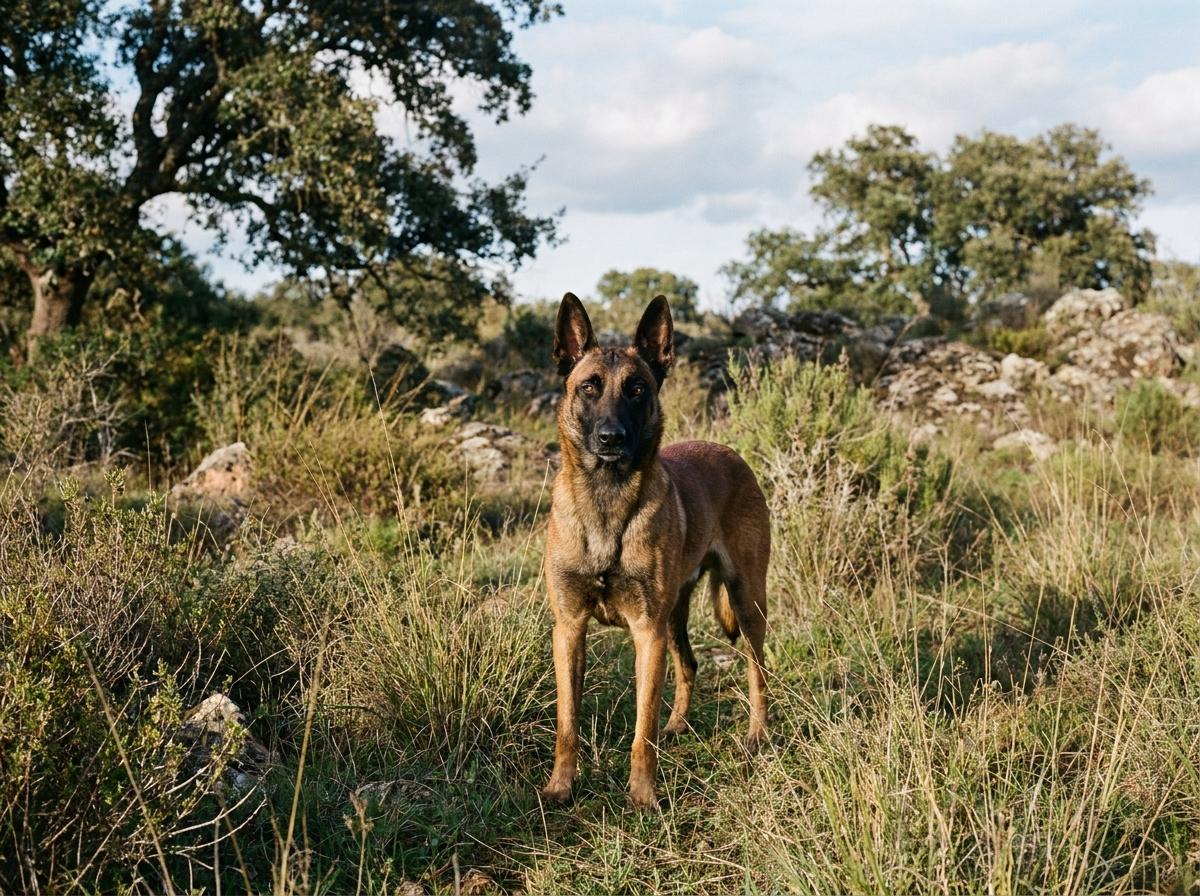
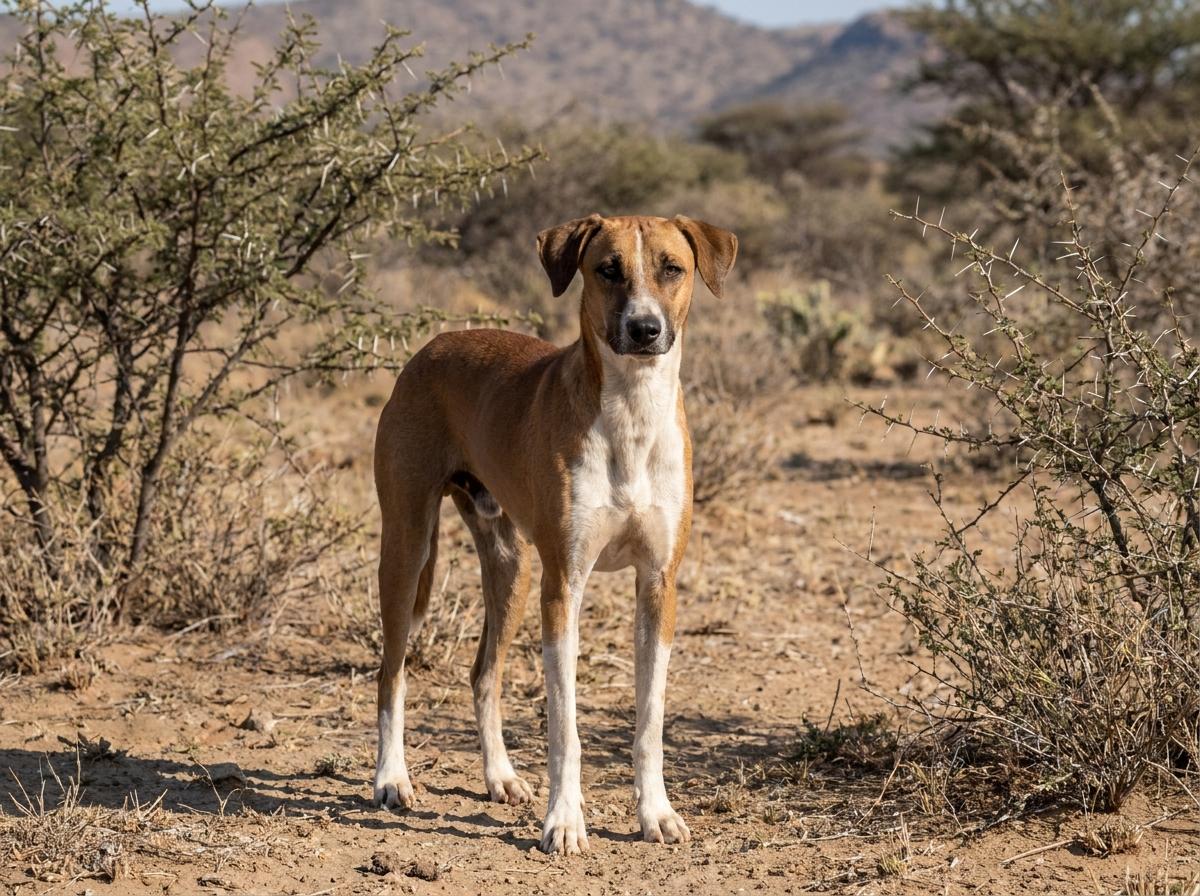
The Africanis is a southern African landrace dog rather than a tightly standardized show breed. These dogs developed through long association with rural households, herders, and village communities, where survival depended on sound movement, heat tolerance, alertness, and the ability to live alongside people and livestock. Appearance varies: many are medium-sized, short-coated, wedge-headed dogs with prick or semi-prick ears, but color and build can differ from one region or family line to another.
Keeping an Africanis is closer to living with an adaptable working village dog than with a breed selected mainly for uniform looks. They usually need room to move, social contact, and steady early guidance so their independence and alertness do not turn into roaming or suspicion. In southern Africa, preservation efforts have often emphasized local origin, health, and function over narrow pedigree selection. Outside the region, buyers should be careful with the name, since mixed-breed dogs may be marketed as Africanis without any connection to the landrace. Routine veterinary care, parasite control, and secure fencing matter as much as breed identity.
Colors: Albino, Apricot, Bicolor, Black, Black and Tan, Black and White, Black Mask, Blue, Blue and Tan, Blue Merle, Blue Roan, Blue Tick, Brindle, Brown, Brown and Tan, Brown and White, Chocolate, Cream, Dapple, Domino, Fawn, Fawn and White, Gold, Gray, Grey, Harlequin, Irish Marked, Leucistic, Liver, Liver Mask, Mantle, Mask, Melanistic, Merle, Mottled, Parti-Color, Piebald, Red, Red and White, Red Merle, Red Roan, Red Tick, Reverse Brindle, Roan, Sable, Saddle, Silver, Speckled, Spotted, Tan, Ticked, Tricolor, Tuxedo, White, Yellow