

Alaskan Klee Kai
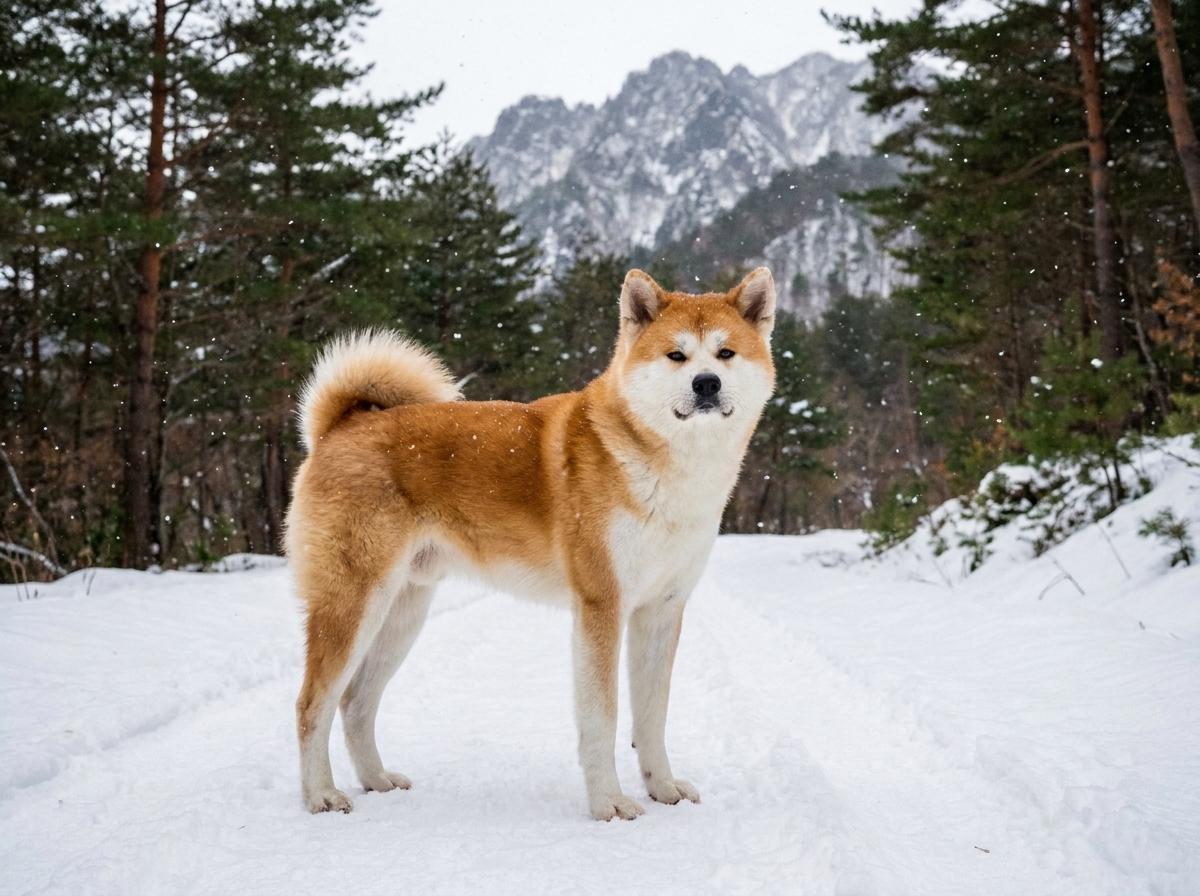
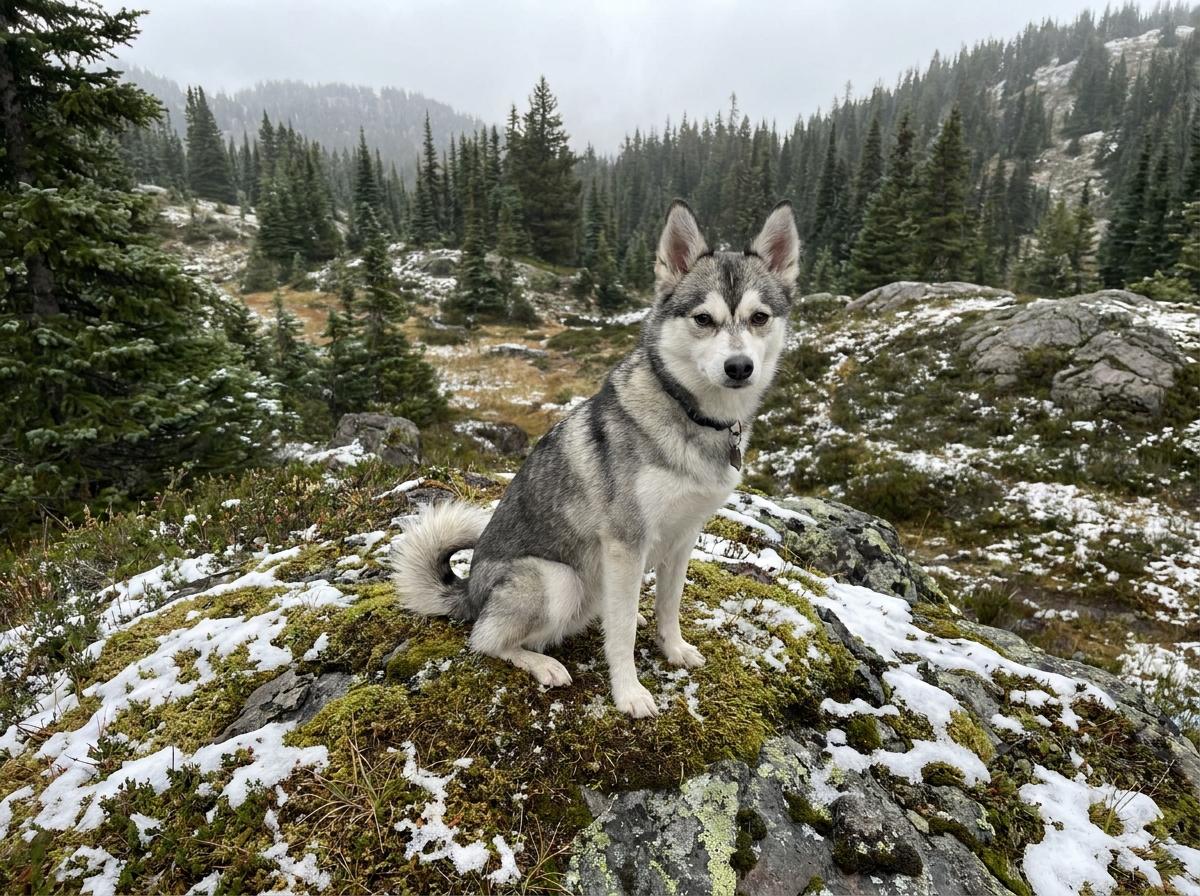
The Alaskan Klee Kai is a small northern-type companion dog developed in Alaska beginning in the 1970s. It was bred to resemble a miniature husky, using Alaskan and Siberian husky ancestry along with smaller spitz-type dogs in its background. The breed has a wedge-shaped head, erect ears, a curled or well-furnished tail, a double coat, and a facial mask that is important in many standards. Sizes are commonly described as toy, miniature, and standard, depending on height.
Although compact, the Alaskan Klee Kai is alert, quick, and often reserved with strangers. Early socialization is especially useful so caution does not turn into chronic fearfulness or noise. The coat sheds heavily at seasonal coat drops and needs regular brushing, but trimming is usually unnecessary. These dogs enjoy training games, brisk walks, and household interaction more than long periods alone in a yard. Sensible breeders screen for issues such as patellar luxation, eye disease, thyroid concerns, and clotting disorders reported in the breed, and they should be clear about registration, size expectations, and temperament.
Colors: Apricot, Bicolor, Black, Black and Tan, Black and White, Black Mask, Blue, Blue and Tan, Blue Merle, Blue Roan, Blue Tick, Brindle, Brown, Brown and Tan, Brown and White, Chocolate, Cream, Dapple, Domino, Fawn, Fawn and White, Gold, Gray, Gray and White, Harlequin, Irish Marked, Liver, Liver Mask, Mantle, Mask, Merle, Mottled, Parti-Color, Piebald, Red, Red and White, Red Merle, Red Roan, Red Tick, Reverse Brindle, Roan, Sable, Saddle, Silver, Speckled, Spotted, Tan, Ticked, Tricolor, Tuxedo, White, Yellow