



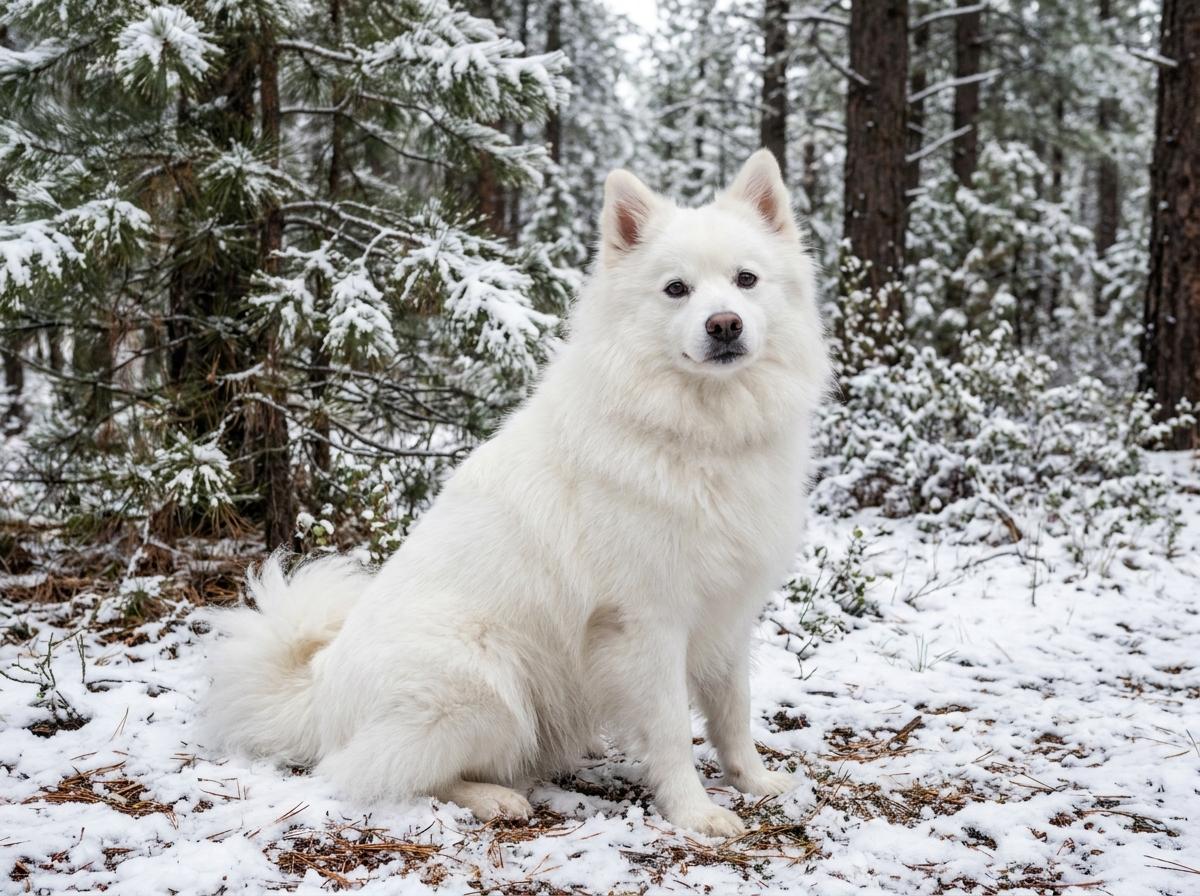
American Eskimo Dog
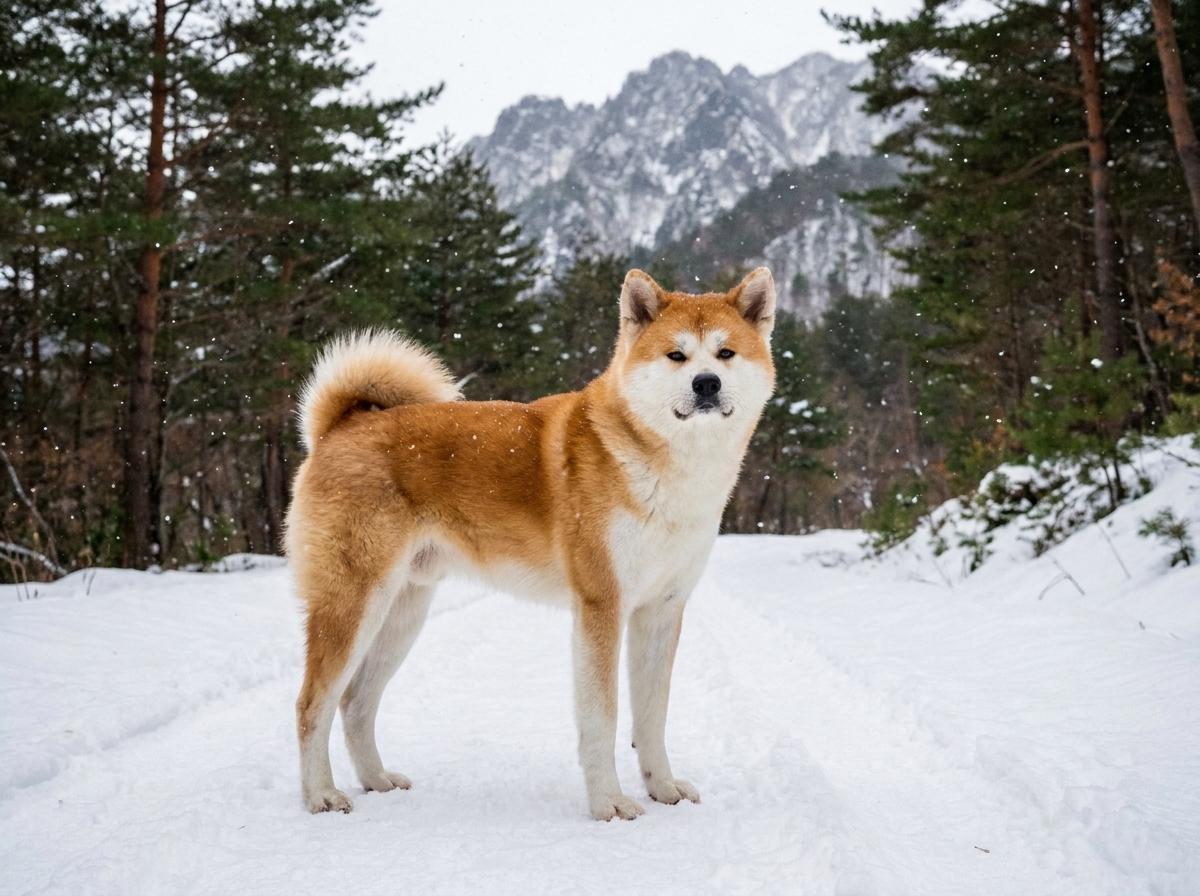
The American Eskimo Dog is a white spitz breed developed in the United States from German spitz-type dogs, not from Arctic sled dogs. The name changed during the World War One era, and the breed later became familiar through traveling circuses, where its quick learning and showy appearance were useful. It comes in toy, miniature, and standard sizes depending on registry, with a wedge-shaped head, upright ears, dark eyes, a plumed tail, and a dense double coat that is white or white with biscuit cream.
In everyday homes, an American Eskimo Dog is often alert, clever, and vocal, making early training and visitor socialization important. It tends to enjoy tricks, obedience, agility, and puzzle work, but boredom can turn into barking or nuisance guarding. The coat sheds heavily in season and needs brushing down to the undercoat; shaving is usually avoided because the double coat helps with insulation. Owners in warm climates should plan exercise for cooler hours. Health-minded breeders watch patellas, hips, eyes, and progressive retinal atrophy in lines where testing is available.
Colors: Apricot, Bicolor, Black, Black and Tan, Black and White, Black Mask, Blue, Blue and Tan, Blue Merle, Blue Roan, Blue Tick, Brindle, Brown, Brown and Tan, Brown and White, Chocolate, Cream, Dapple, Domino, Fawn, Fawn and White, Gold, Gray, Harlequin, Irish Marked, Liver, Liver Mask, Mantle, Mask, Merle, Mottled, Parti-Color, Piebald, Red, Red and White, Red Merle, Red Roan, Red Tick, Reverse Brindle, Roan, Sable, Saddle, Silver, Speckled, Spotted, Tan, Ticked, Tricolor, Tuxedo, White, White and Biscuit, Yellow