Blue Lacy
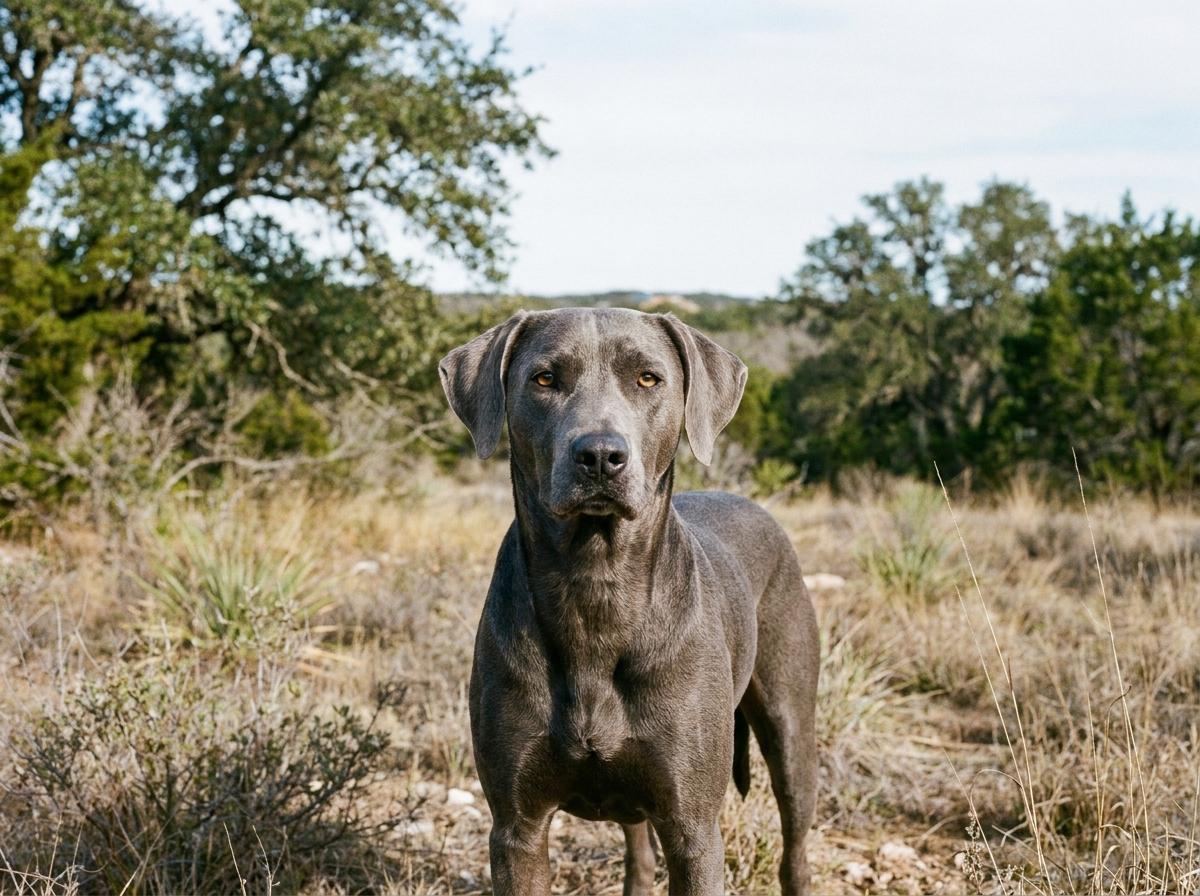
The Blue Lacy, or Lacy dog, is a medium-sized working dog developed in Texas by the Lacy family during the nineteenth century. It is not a blue-coated version of another breed; the name refers to a distinct ranch and hunting dog, often seen in slate blue, red, or tricolor coats with a short, close hair coat. Compact, leggy, and quick, Laceys were bred to handle feral hogs, drive cattle, trail wounded game, and work long days in rough Hill Country terrain.
In homes, the Blue Lacy fits best where it has regular work or structured outlets such as stock work, blood tracking, scent sports, or running with an active handler. The coat is easy to maintain, but the mind is busy and the prey drive can be serious around cats, poultry, and wildlife. Early socialization matters, especially because many lines retain strong alertness and independence. Prospective buyers should ask about working purpose, temperament, and health testing rather than color alone; registry recognition varies, and some dogs are bred more for ranch utility than standardized appearance.
Colors: Albino, Apricot, Bicolor, Black, Black and Tan, Black and White, Black Mask, Blue, Blue and Tan, Blue Merle, Blue Roan, Blue Tick, Brindle, Brown, Brown and Tan, Brown and White, Chocolate, Cream, Dapple, Domino, Fawn, Fawn and White, Gold, Gray, Grey, Harlequin, Irish Marked, Leucistic, Liver, Liver Mask, Mantle, Mask, Melanistic, Merle, Mottled, Parti-Color, Piebald, Red, Red and White, Red Merle, Red Roan, Red Tick, Reverse Brindle, Roan, Sable, Saddle, Silver, Speckled, Spotted, Tan, Ticked, Tricolor, Tuxedo, White, Yellow