


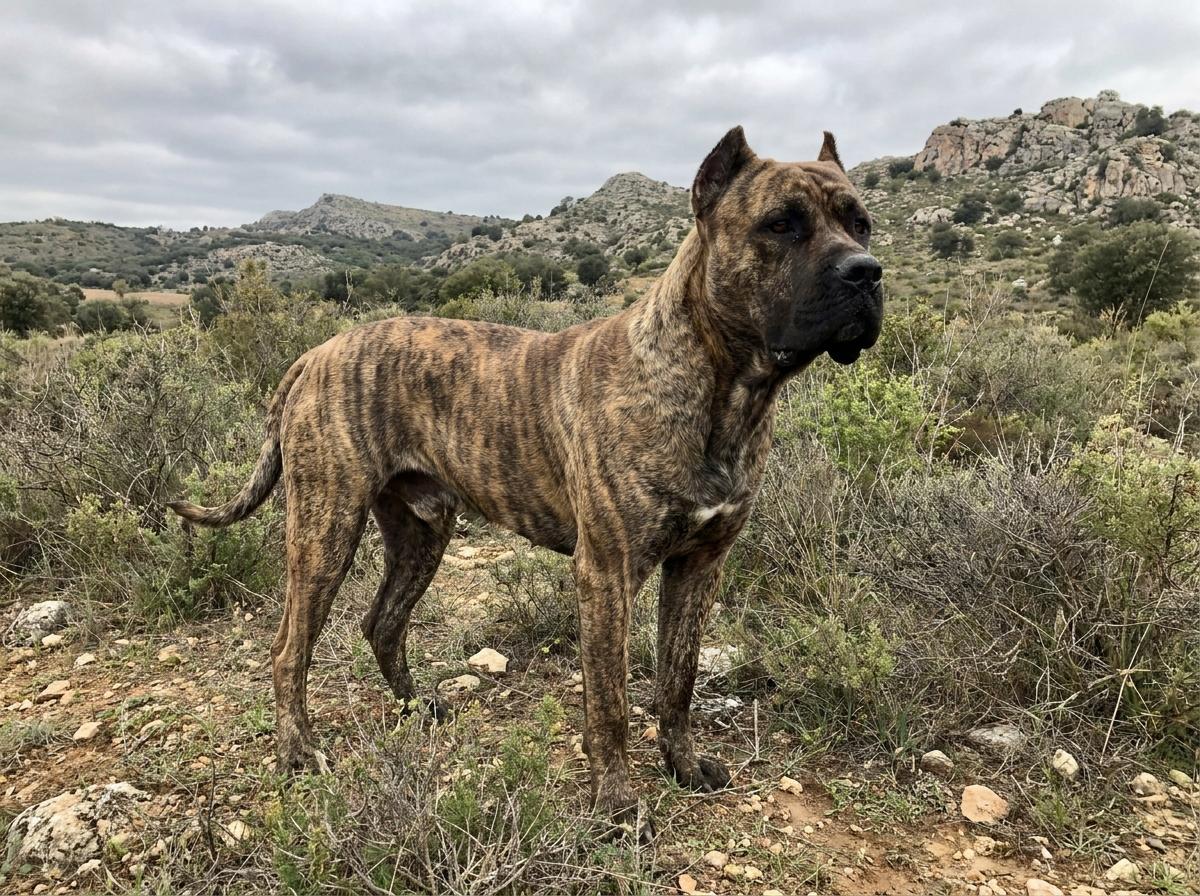
Bullenbeisser
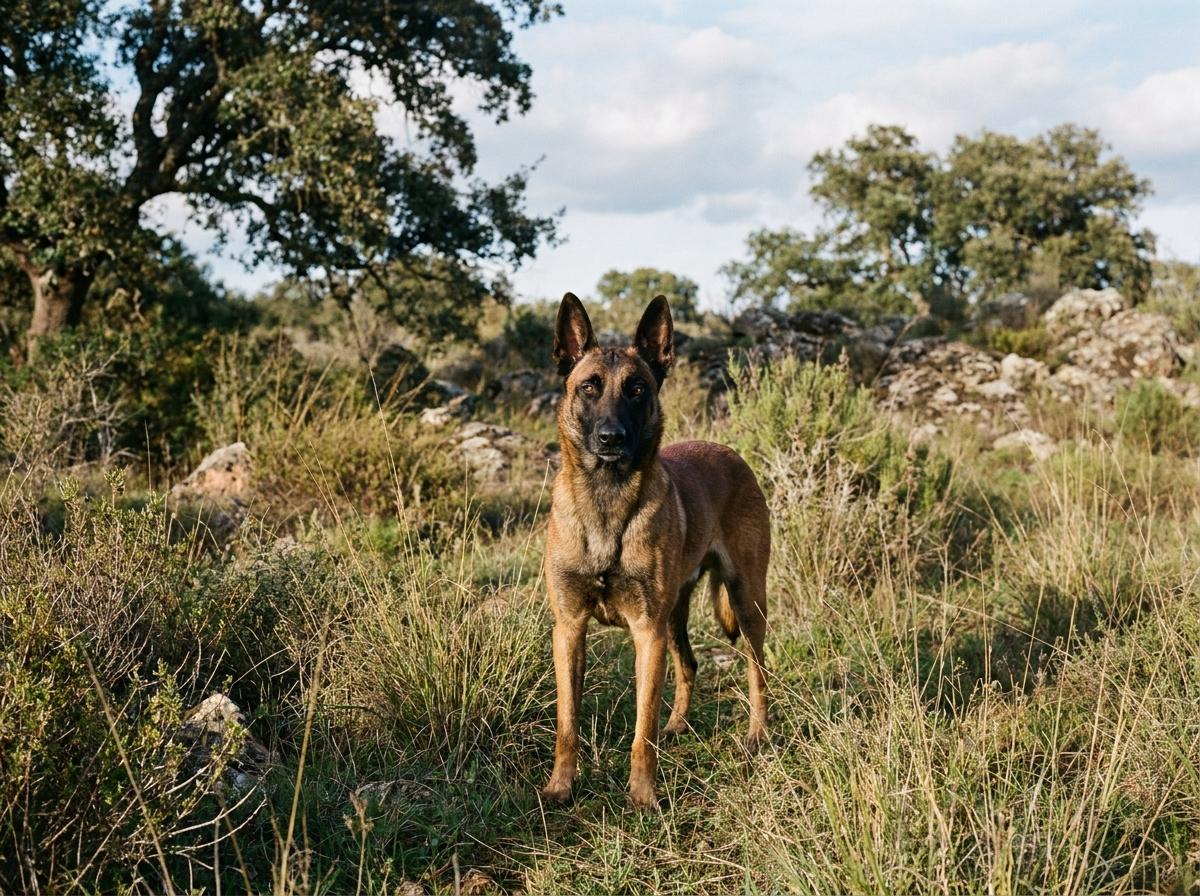
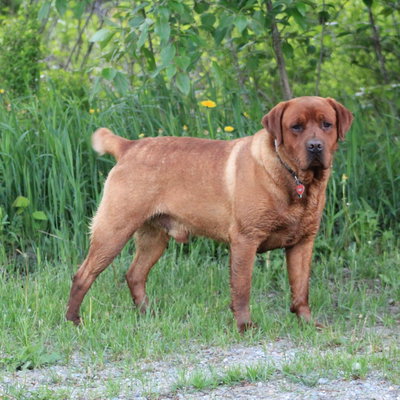
The Bullenbeisser was a now-extinct mastiff-type dog of German-speaking Europe, also called the German Bulldog in some English histories. Its name is usually translated as bull-biter, a reference to the gripping work expected of powerful catch dogs before modern breed standards. Regional Bullenbeissers varied in size, but accounts describe an athletic, short-coated dog with a broad head, strong jaws, and enough speed to help hunters hold boar, bear, and other large game. Smaller Brabanter-type dogs from this family were among the ancestors used in the formation of the Boxer, while related catch-dog blood influenced later European bulldog and mastiff lines.
No verified pure Bullenbeisser population survives, so buyers should be wary of advertisements offering the breed as if it were a recognized modern kennel-club dog. Today the name is most useful in breed history, Boxer ancestry, and discussions of recreated working mastiffs. People drawn to Bullenbeisser-type dogs usually need to evaluate living breeds on health, temperament, handling ability, and local law rather than on a historical label. Ethical breeding in descendant types favors stable nerves, functional breathing, sound hips and elbows, and firm early training for a powerful dog.
Colors: Albino, Apricot, Bicolor, Black, Black and Tan, Black and White, Black Mask, Blue, Blue and Tan, Blue Merle, Blue Roan, Blue Tick, Brindle, Brown, Brown and Tan, Brown and White, Chocolate, Cream, Dapple, Domino, Fawn, Fawn and White, Gold, Gray, Grey, Harlequin, Irish Marked, Leucistic, Liver, Liver Mask, Mantle, Mask, Melanistic, Merle, Mottled, Parti-Color, Piebald, Red, Red and White, Red Merle, Red Roan, Red Tick, Reverse Brindle, Roan, Sable, Saddle, Silver, Speckled, Spotted, Tan, Ticked, Tricolor, Tuxedo, White, Yellow