Chukotka Sled Dog
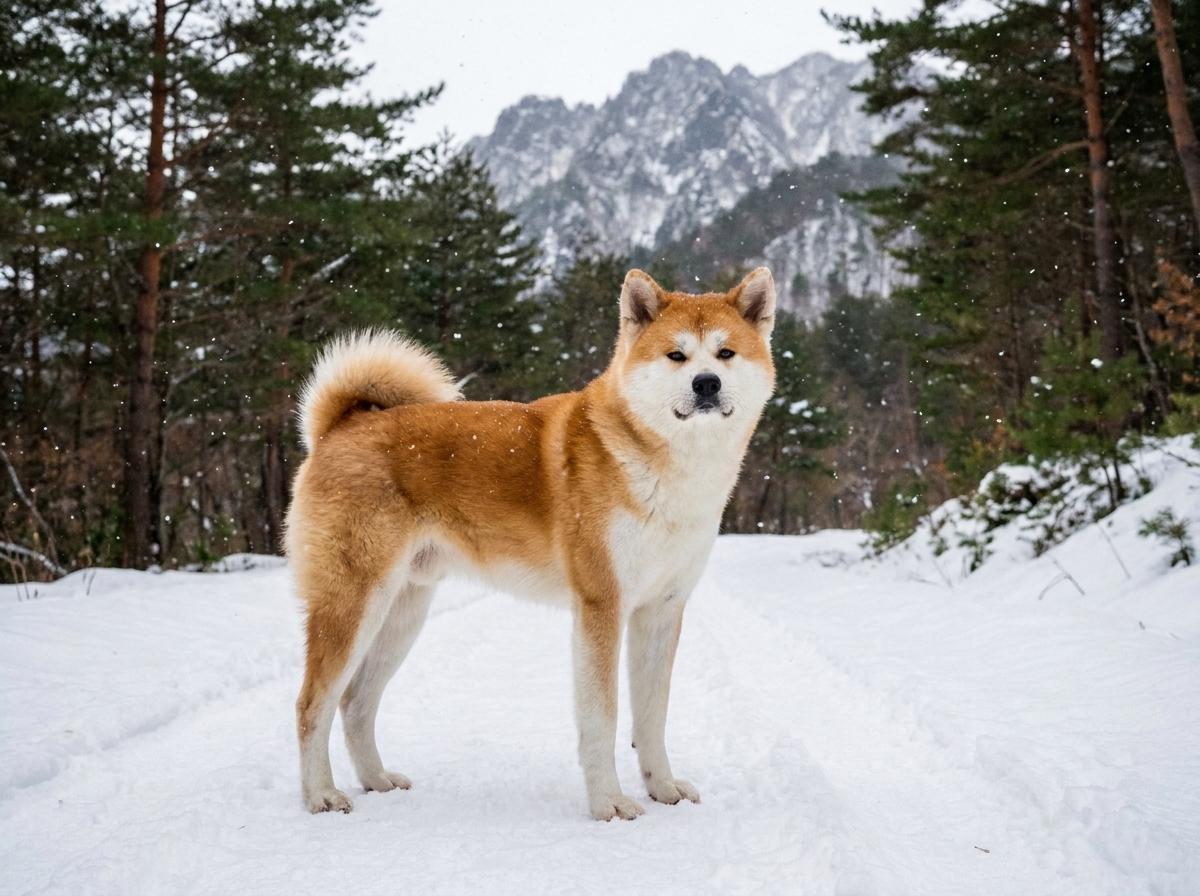
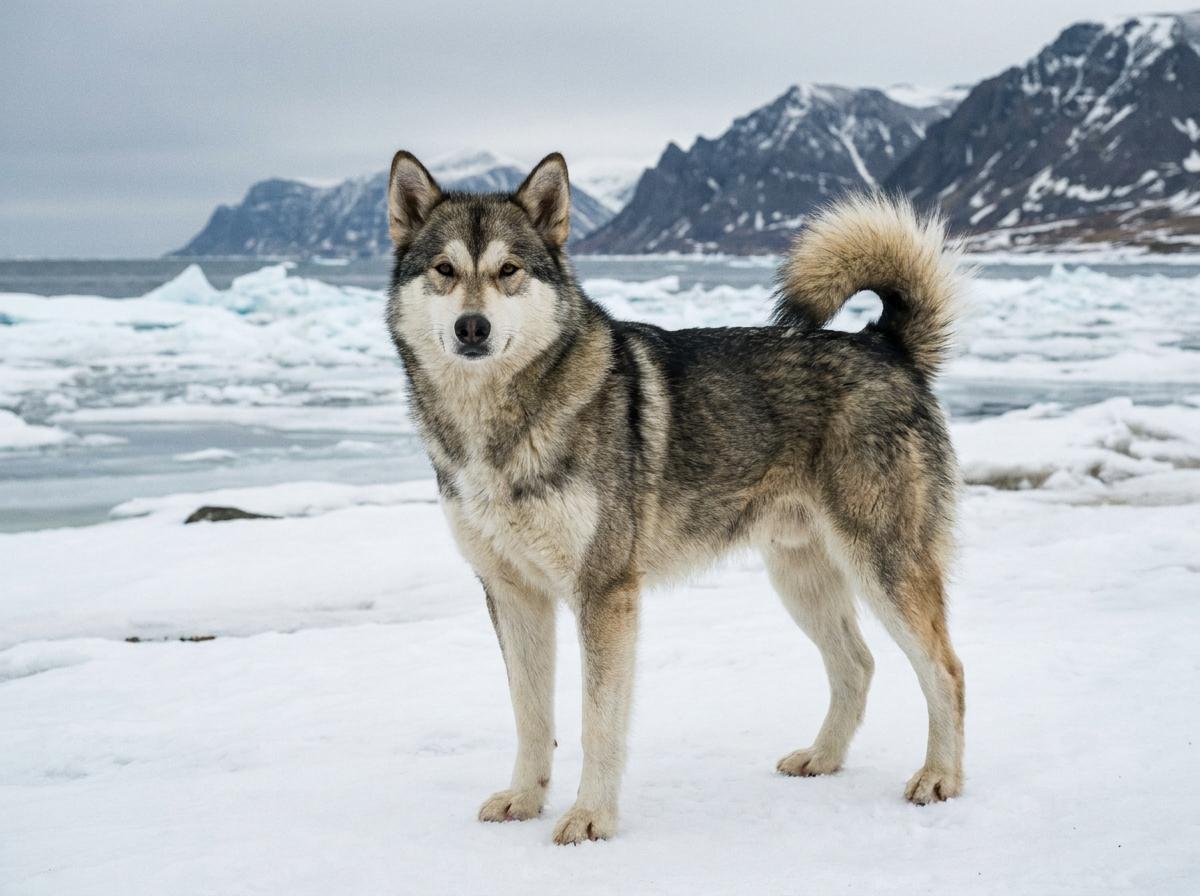
The Chukotka sled dog is an Arctic working dog from the Chukchi and Yupik peoples' region of Chukotka in far northeastern Siberia. It is a landrace-type sled dog rather than a modern show-derived sled breed, shaped by travel, hauling, hunting support, and life in coastal villages under severe cold. Dogs are typically medium-sized, thick-coated, efficient movers with pricked ears or semi-pricked ears and a practical build for pulling in teams over snow and sea ice. The Chukotka population is historically important because dogs from this region contributed to the Siberian Husky lines developed in Alaska.
Keeping Chukotka sled dogs well means giving them work, space, and cold-weather management that respects their background. Team exercise, skijoring, bikejoring in cool conditions, or other pulling outlets are more appropriate than a sedentary yard life. Working dogs need calories matched to mileage, attentive paw and harness care, and shelter that blocks wind while allowing acclimated coats to function. They can be social with people and other dogs when raised in a team culture, but prey drive and wandering tendencies require secure containment. Outside the Russian Far East the breed is uncommon, so preservation-minded breeding tends to value endurance, feet, coat, appetite, and stable team behavior over cosmetic uniformity.
Colors: Albino, Apricot, Bicolor, Black, Black and Tan, Black and White, Black Mask, Blue, Blue and Tan, Blue Merle, Blue Roan, Blue Tick, Brindle, Brown, Brown and Tan, Brown and White, Chocolate, Cream, Dapple, Domino, Fawn, Fawn and White, Gold, Gray, Grey, Harlequin, Irish Marked, Leucistic, Liver, Liver Mask, Mantle, Mask, Melanistic, Merle, Mottled, Parti-Color, Piebald, Red, Red and White, Red Merle, Red Roan, Red Tick, Reverse Brindle, Roan, Sable, Saddle, Silver, Speckled, Spotted, Tan, Ticked, Tricolor, Tuxedo, White, Yellow