


Cimarrón Uruguayo
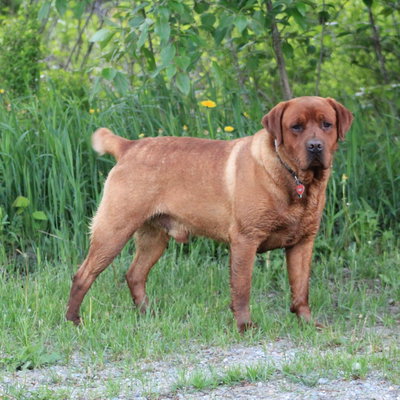
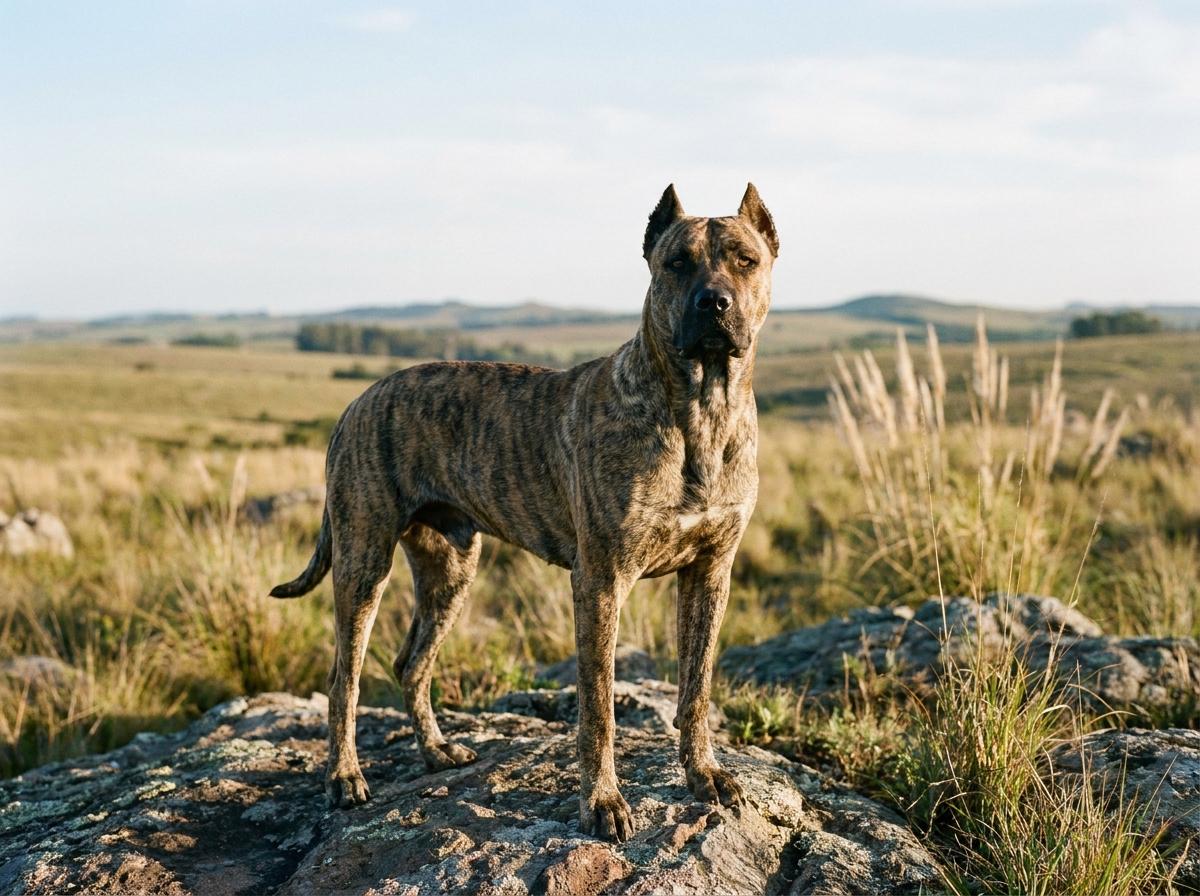
The Cimarrón Uruguayo is Uruguay's national dog, a powerful working breed descended from colonial-era dogs that survived feral in the countryside before being reclaimed for ranch and guard work. Its name reflects that history: cimarrón is commonly used in Spanish for an animal gone wild or living free. The breed is medium-large, muscular, and athletic, with a broad head, strong jaws, drop or rose ears, and a short coat most often seen in brindle or fawn with a dark mask. On estancias it has been used for cattle handling, property protection, and hunting tough game such as wild boar.
A Cimarrón Uruguayo suits people who can manage a confident, physical dog without relying on harshness. Early socialization, controlled introductions, and steady obedience work help channel its guarding instincts and prevent overreaction around strangers or other dogs. It needs secure fencing, daily exercise, and jobs that use its nose, strength, and problem-solving ability. Grooming is simple, but the short coat does not make the dog low-maintenance in behavior. Breeding programs should pay attention to hip and elbow soundness, stable nerves, and bite/structure; ear cropping or docking may appear in some countries, but legality and preference vary. Prospective buyers should look for transparent working goals and dogs that are biddable as well as protective.
Colors: Albino, Apricot, Bicolor, Black, Black and Tan, Black and White, Black Mask, Blue, Blue and Tan, Blue Merle, Blue Roan, Blue Tick, Brindle, Brown, Brown and Tan, Brown and White, Chocolate, Cream, Dapple, Domino, Fawn, Fawn and White, Gold, Gray, Grey, Harlequin, Irish Marked, Leucistic, Liver, Liver Mask, Mantle, Mask, Melanistic, Merle, Mottled, Parti-Color, Piebald, Red, Red and White, Red Merle, Red Roan, Red Tick, Reverse Brindle, Roan, Sable, Saddle, Silver, Speckled, Spotted, Tan, Ticked, Tricolor, Tuxedo, White, Yellow