

Cur
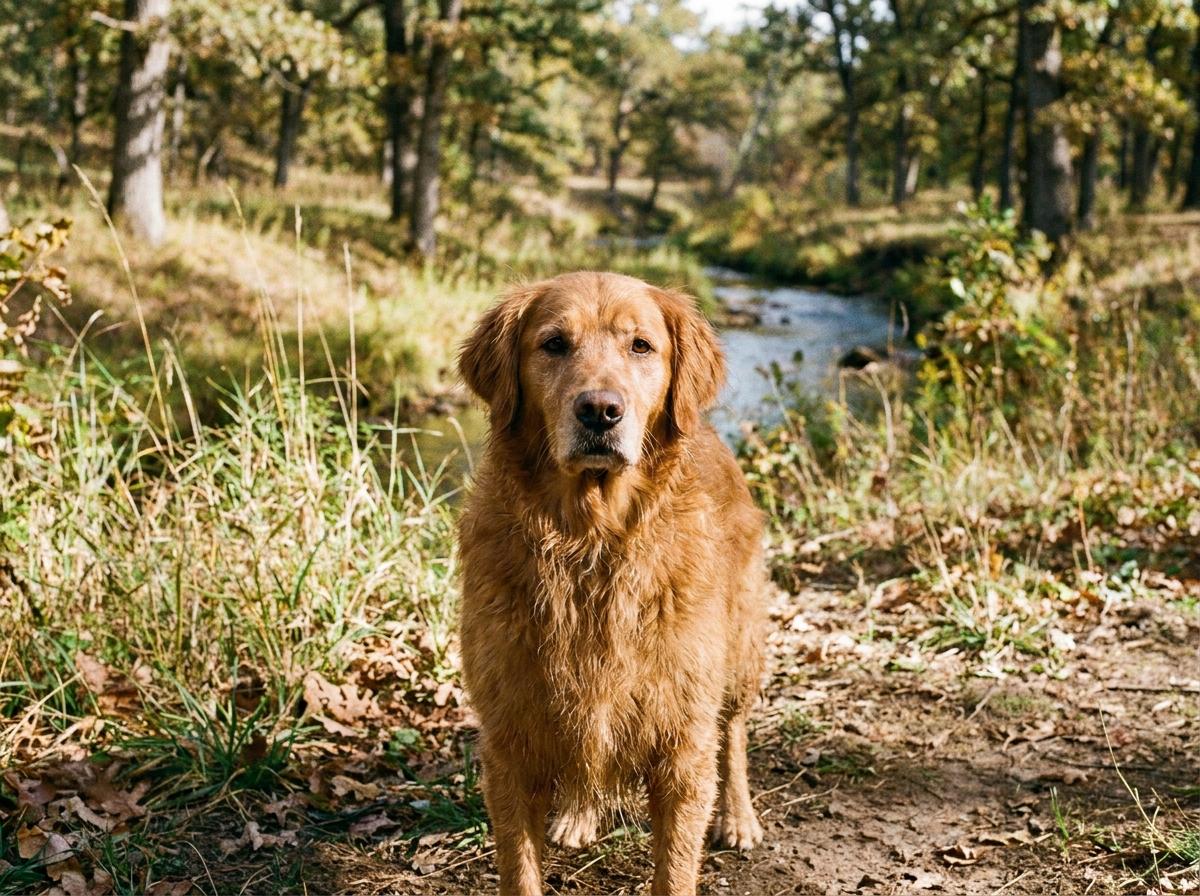
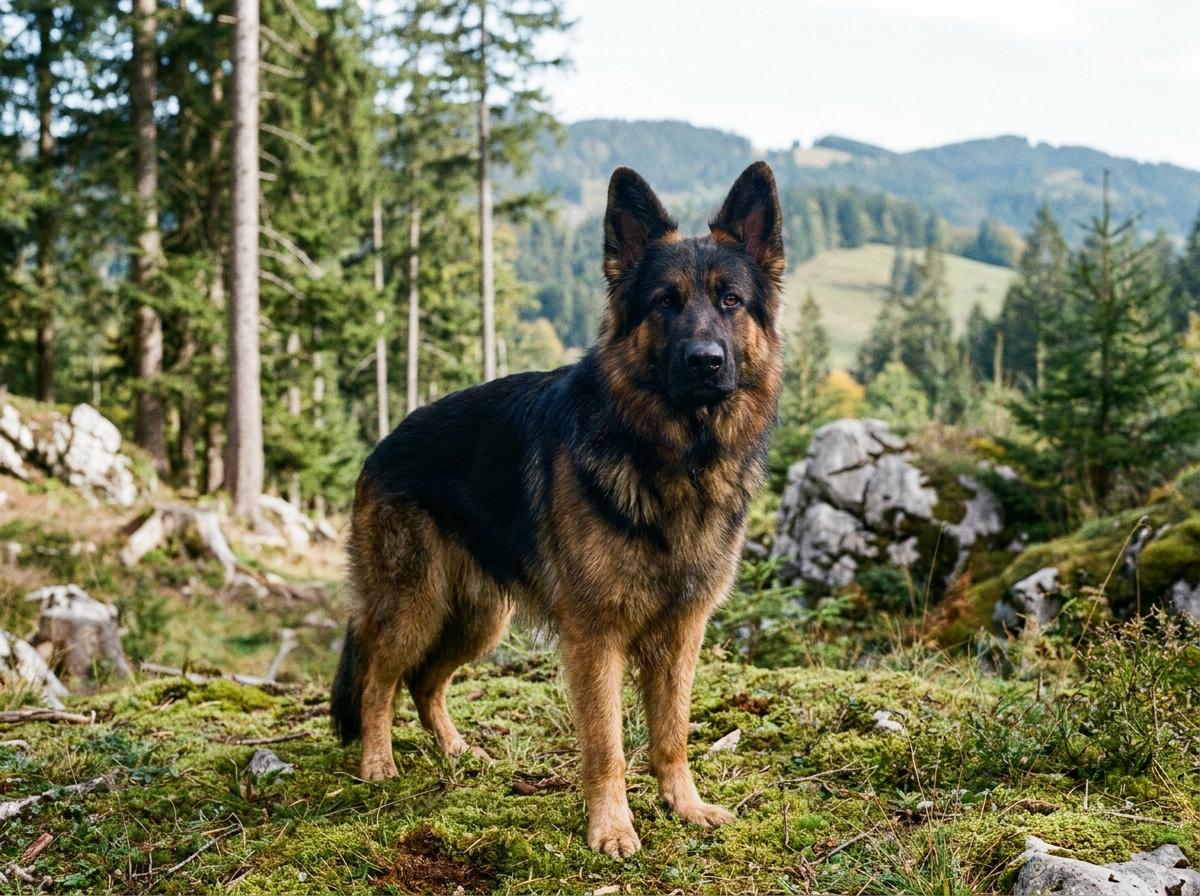
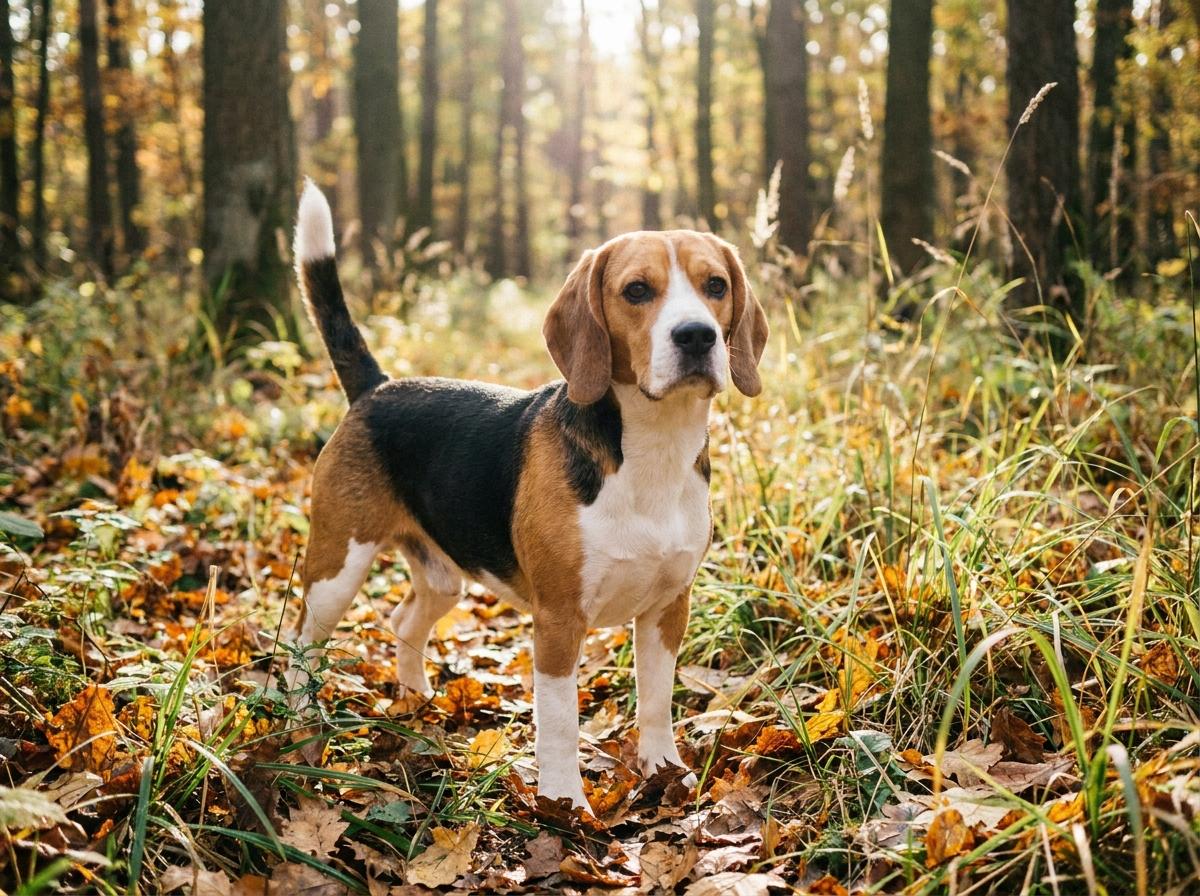
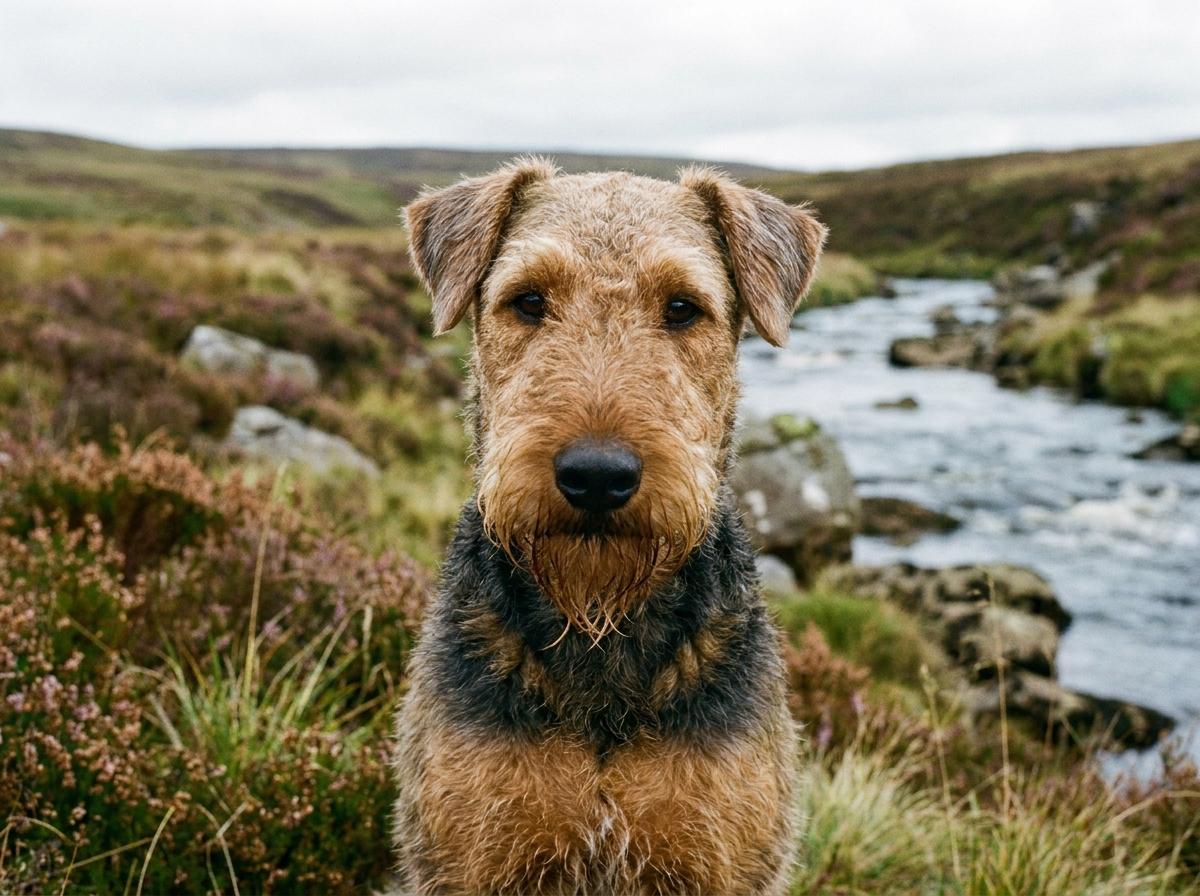
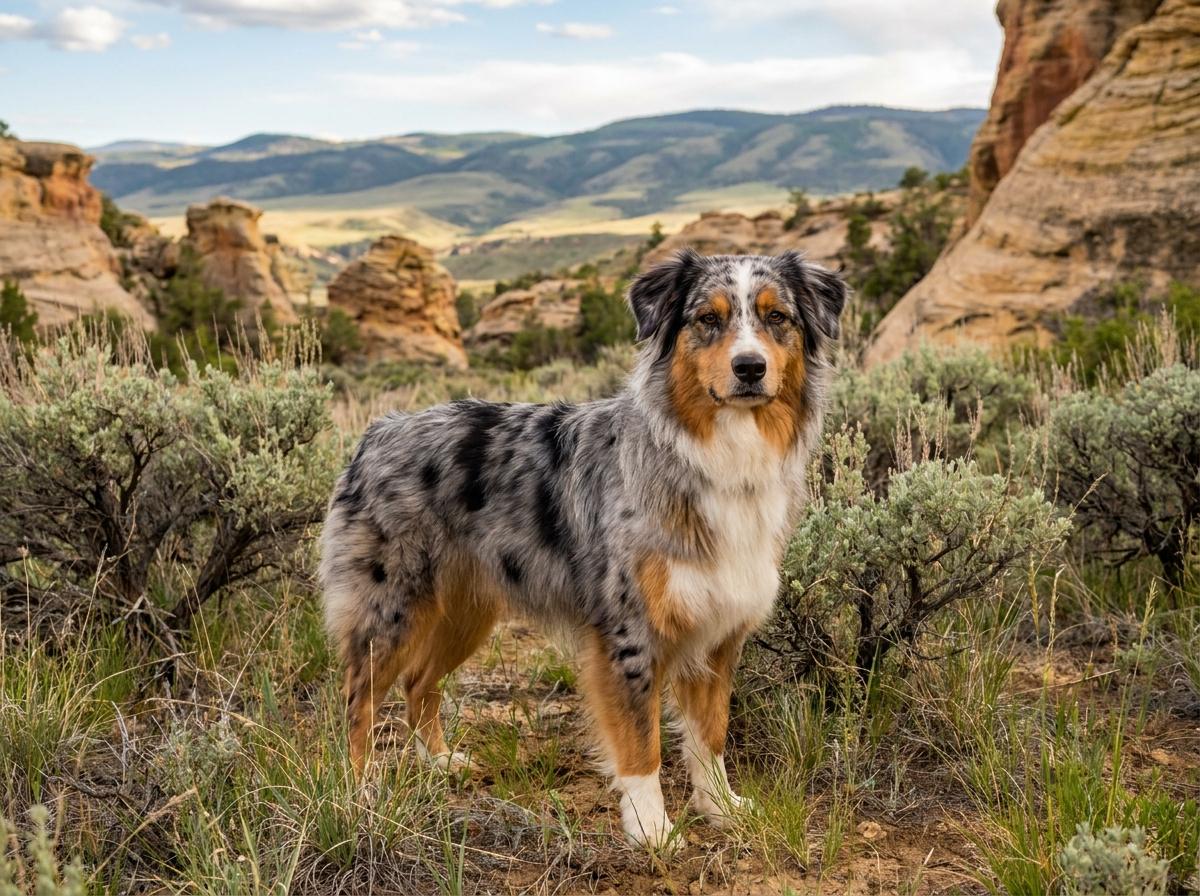
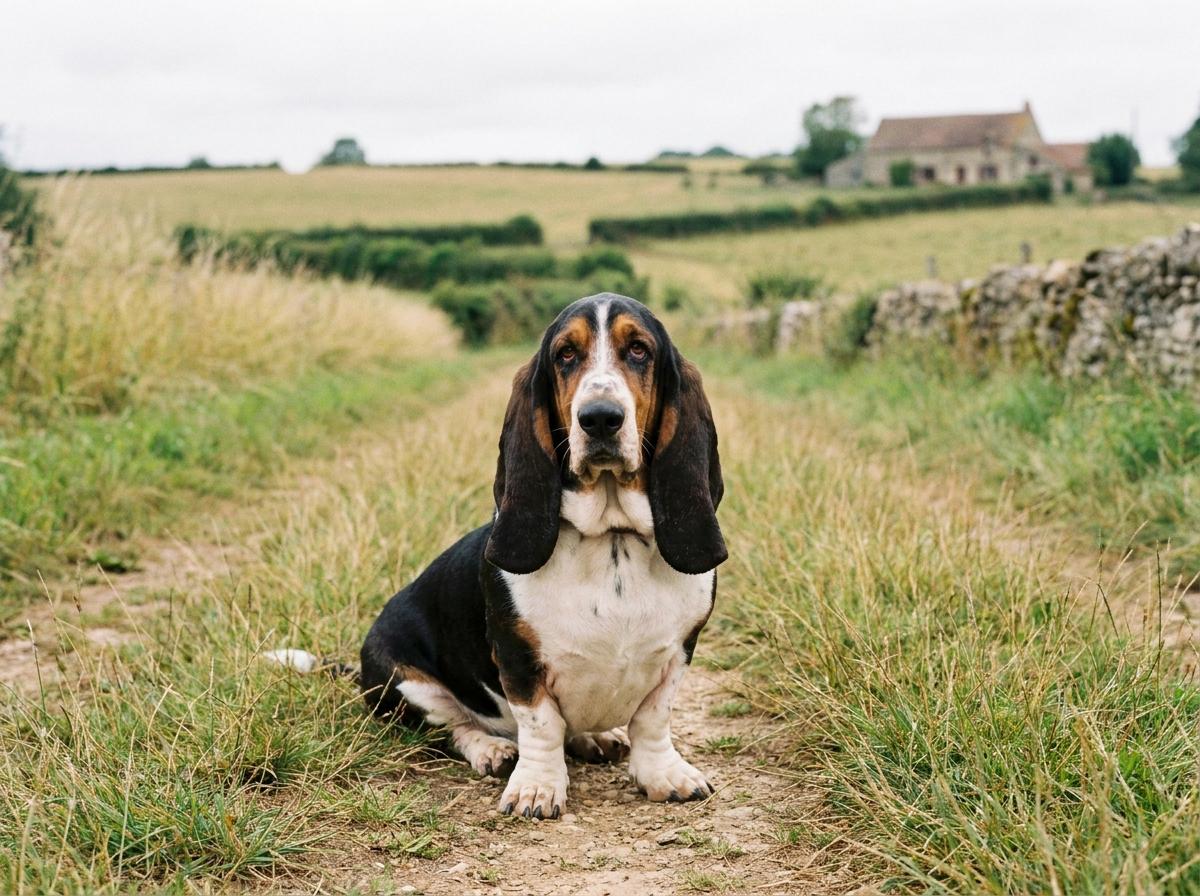
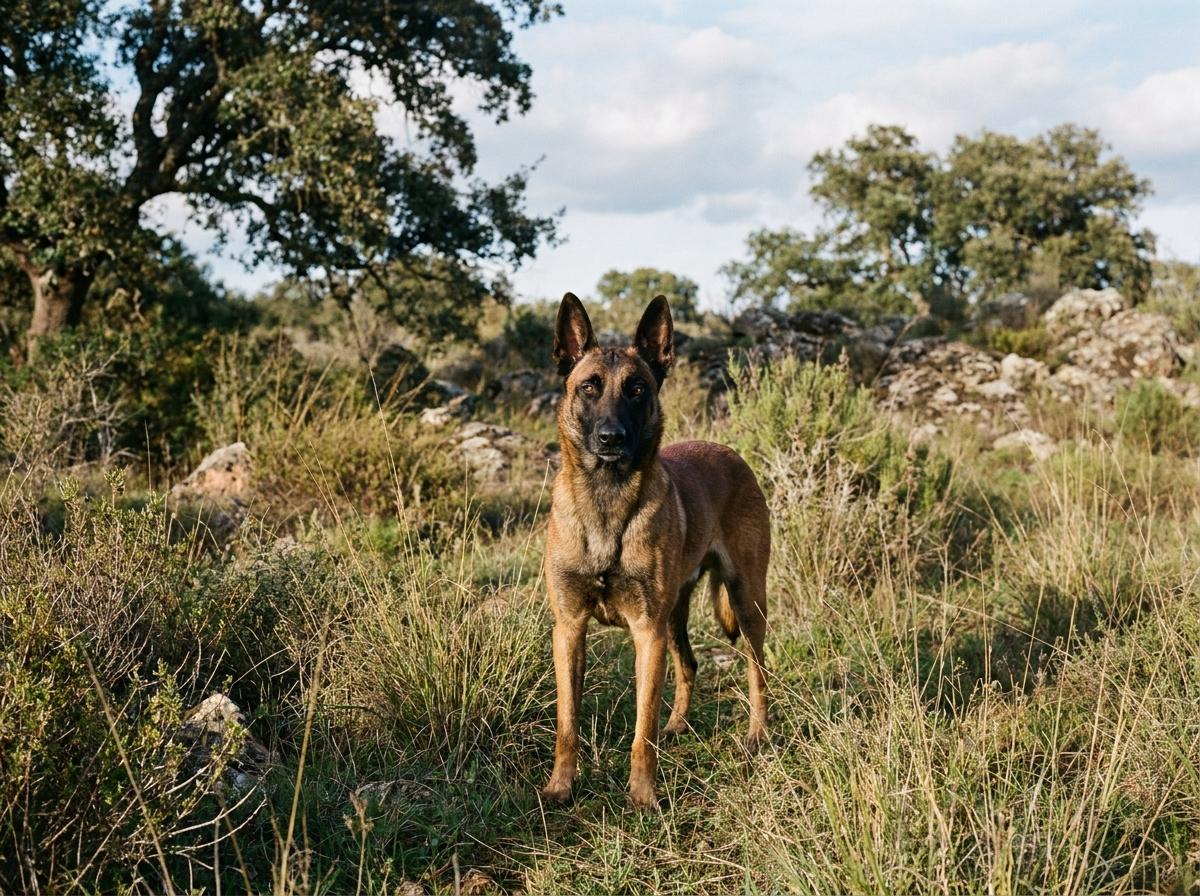
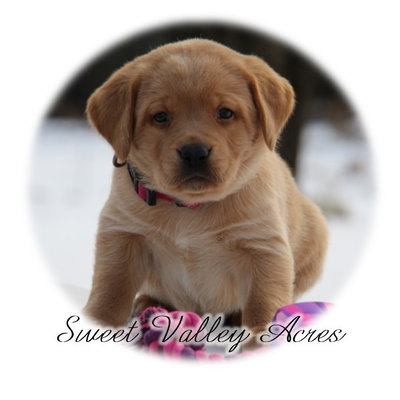
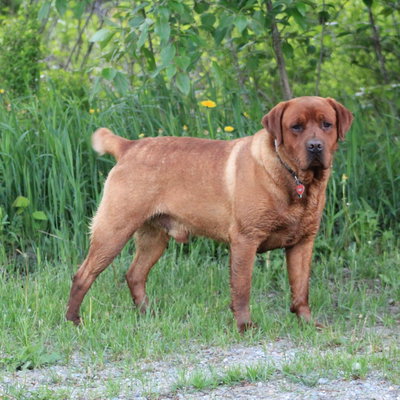
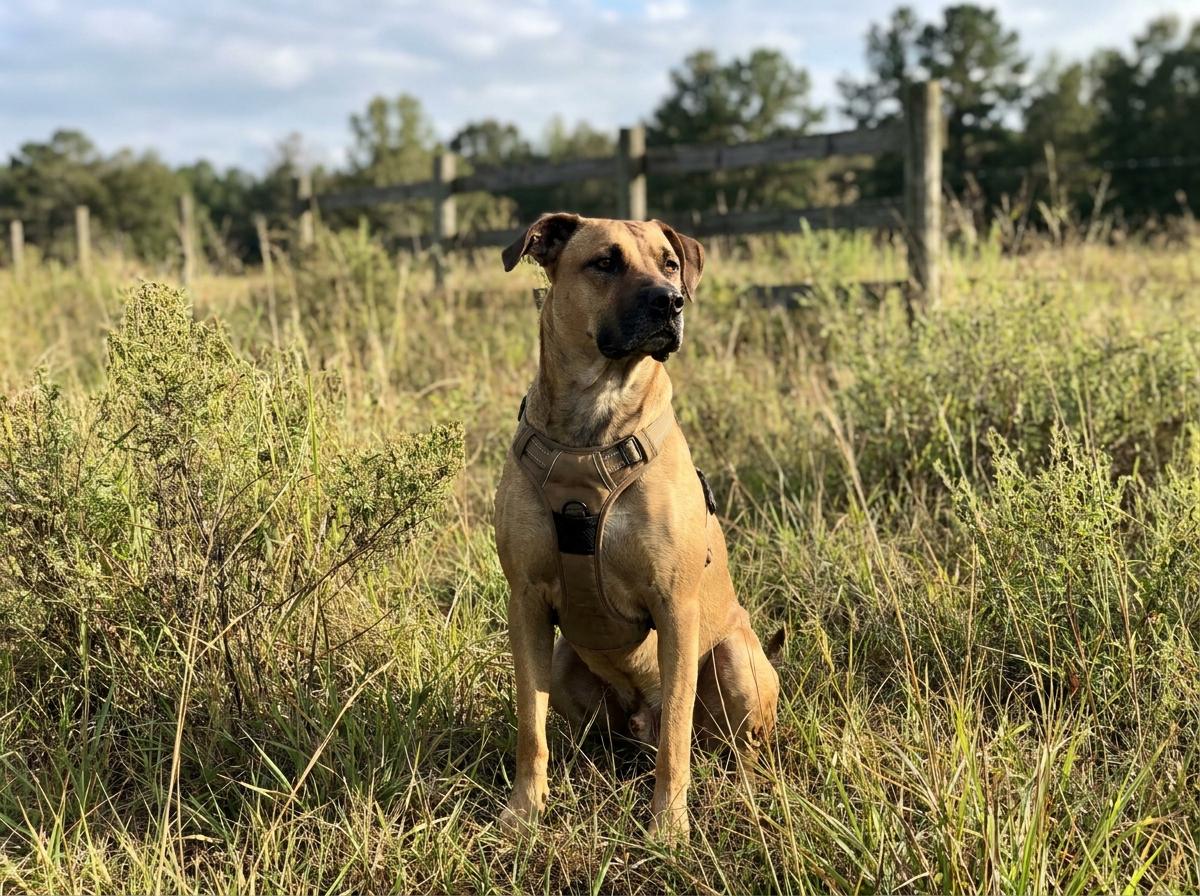
Cur is a broad working-dog label, especially in the rural southern United States and Appalachia, rather than one tightly standardized breed. It covers practical farm and hunting dogs such as Mountain Curs, Black Mouth Curs, Treeing Curs, and local strains selected for grit, nose, voice, and usefulness. Depending on the line, a cur may tree squirrels and raccoons, bay hogs, help with cattle, guard the home place, or do several jobs in one day. Coats are usually short and colors vary widely.
People keep curs because they work; a quiet suburban companion is not what many lines were built to be. Good ones need purposeful exercise, early stock and family socialization, and clear handling that does not dull their initiative. Hunters and ranchers should ask how the parents are actually used, since a tree dog, catch dog, and stock dog can have very different temperaments. Rescue adopters need to plan for prey drive, strong attachment to people, and the possibility of fence-testing or vocal behavior when underemployed.
Colors: Albino, Apricot, Bicolor, Black, Black and Tan, Black and White, Black Mask, Blue, Blue and Tan, Blue Merle, Blue Roan, Blue Tick, Brindle, Brown, Brown and Tan, Brown and White, Chocolate, Cream, Dapple, Domino, Fawn, Fawn and White, Gold, Gray, Grey, Harlequin, Irish Marked, Leucistic, Liver, Liver Mask, Mantle, Mask, Melanistic, Merle, Mottled, Parti-Color, Piebald, Red, Red and White, Red Merle, Red Roan, Red Tick, Reverse Brindle, Roan, Sable, Saddle, Silver, Speckled, Spotted, Tan, Ticked, Tricolor, Tuxedo, White, Yellow