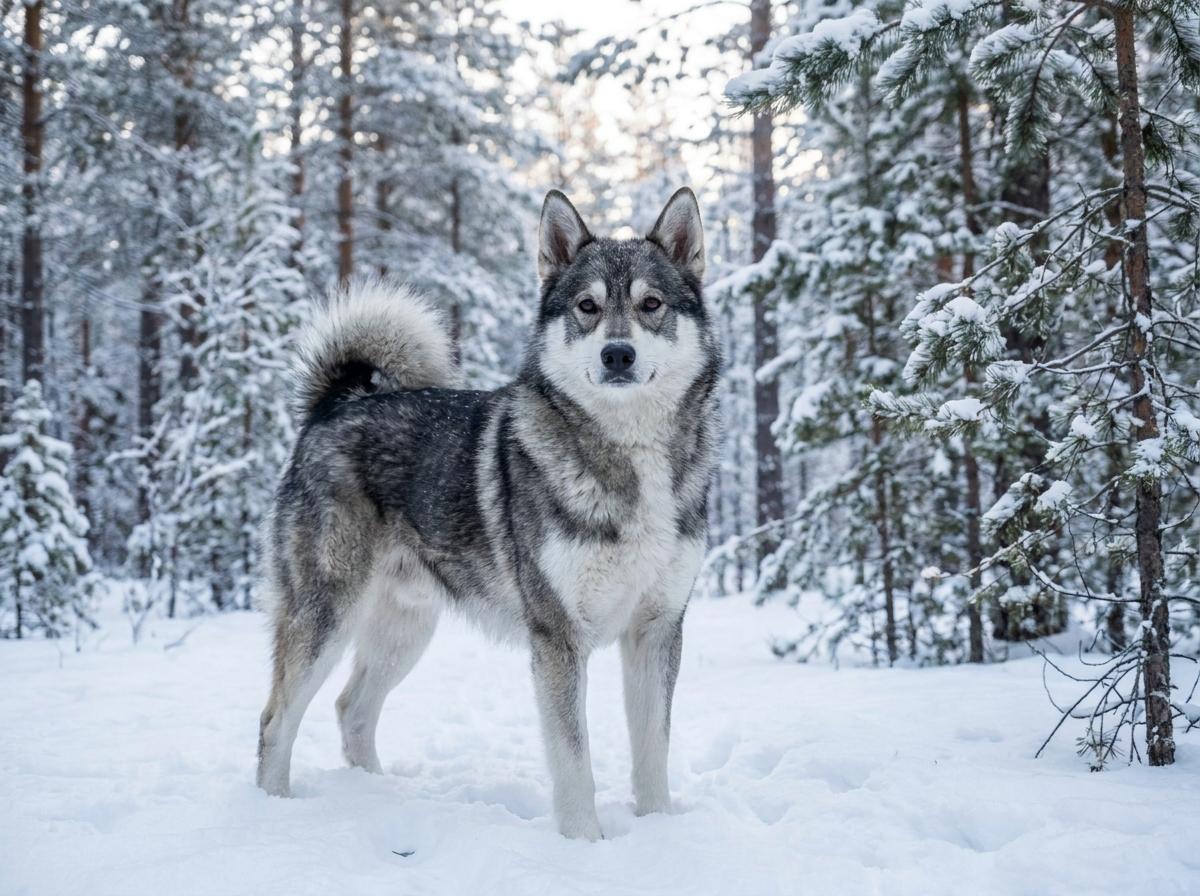
East Siberian Laika
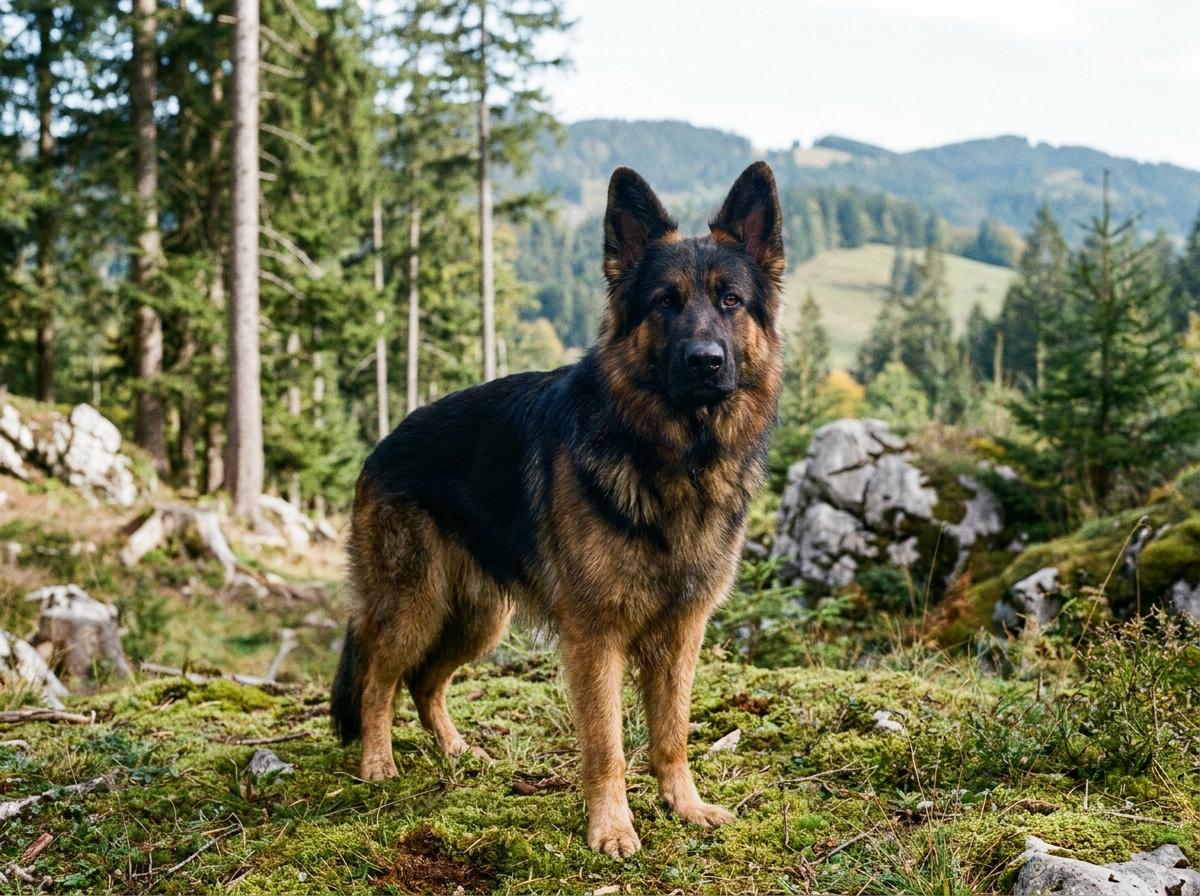
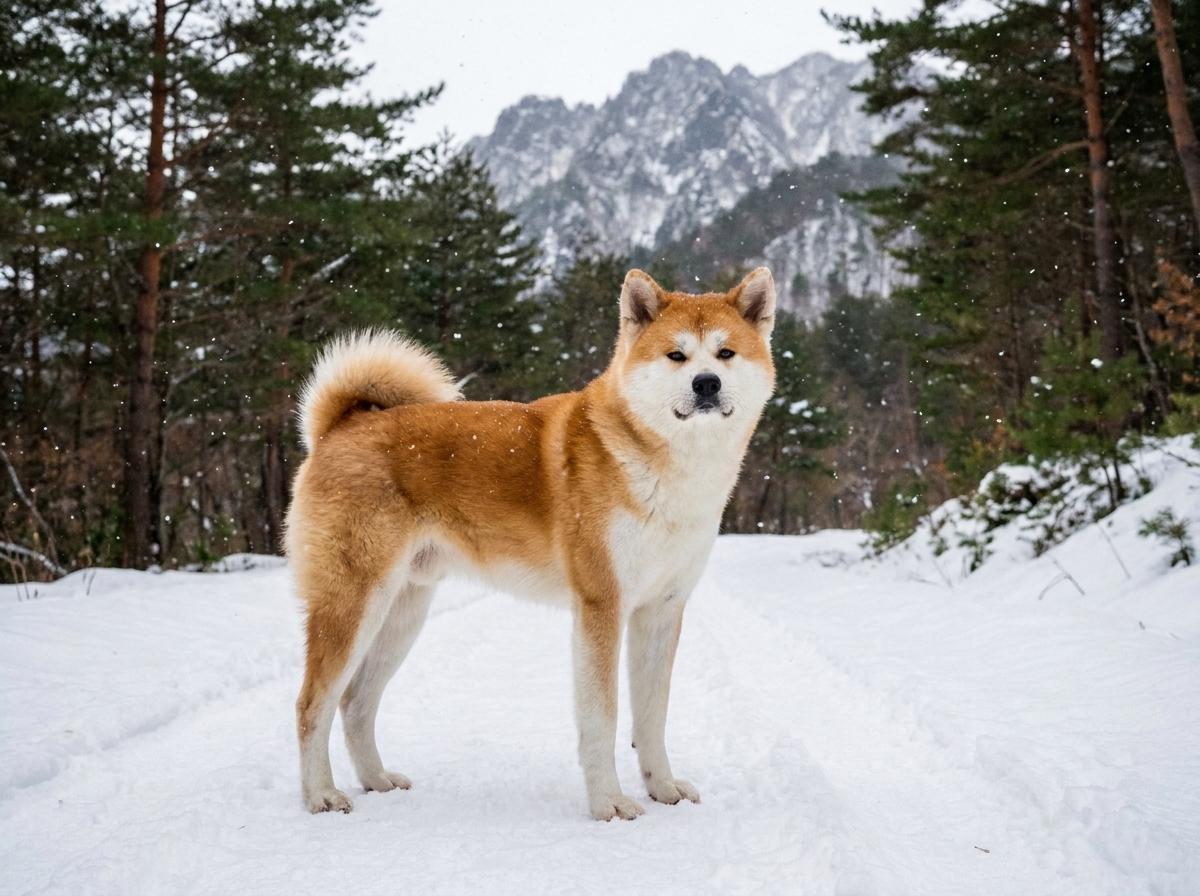
The East Siberian Laika is a large Russian spitz-type hunting dog from the taiga regions east of the Yenisei River, with roots in Indigenous and village dogs used by hunters for many kinds of game. It has prick ears, a wedge-shaped head, a curled or sickle tail, strong feet, and a thick double coat that may appear in black, white, gray, red, brown, or marked combinations depending on line. Compared with some other laikas, it is often bigger and more powerful, valued for endurance and the ability to locate, hold, and bark game such as squirrel, sable, elk, boar, or bear.
Field work is still the clearest context for an East Siberian Laika; it is a hunting spitz, not a decorative northern dog. Its independence, wildlife interest, and tendency to bark when game is located call for secure fencing and steady training. Active homes can channel that drive through tracking games, canicross, skijoring, or regular work in the field, while small pets and livestock need careful management. The dense coat handles cold weather well and drops heavily during seasonal sheds. Selection in this uncommon breed is strongest when working ability, sound joints, and stable temperament stay ahead of looks.
Colors: Albino, Apricot, Bicolor, Black, Black and Tan, Black and White, Black Mask, Blue, Blue and Tan, Blue Merle, Blue Roan, Blue Tick, Brindle, Brown, Brown and Tan, Brown and White, Chocolate, Cream, Dapple, Domino, Fawn, Fawn and White, Gold, Gray, Grey, Harlequin, Irish Marked, Leucistic, Liver, Liver Mask, Mantle, Mask, Melanistic, Merle, Mottled, Parti-Color, Piebald, Red, Red and White, Red Merle, Red Roan, Red Tick, Reverse Brindle, Roan, Sable, Saddle, Silver, Speckled, Spotted, Tan, Ticked, Tricolor, Tuxedo, White, Yellow