

German Spitz
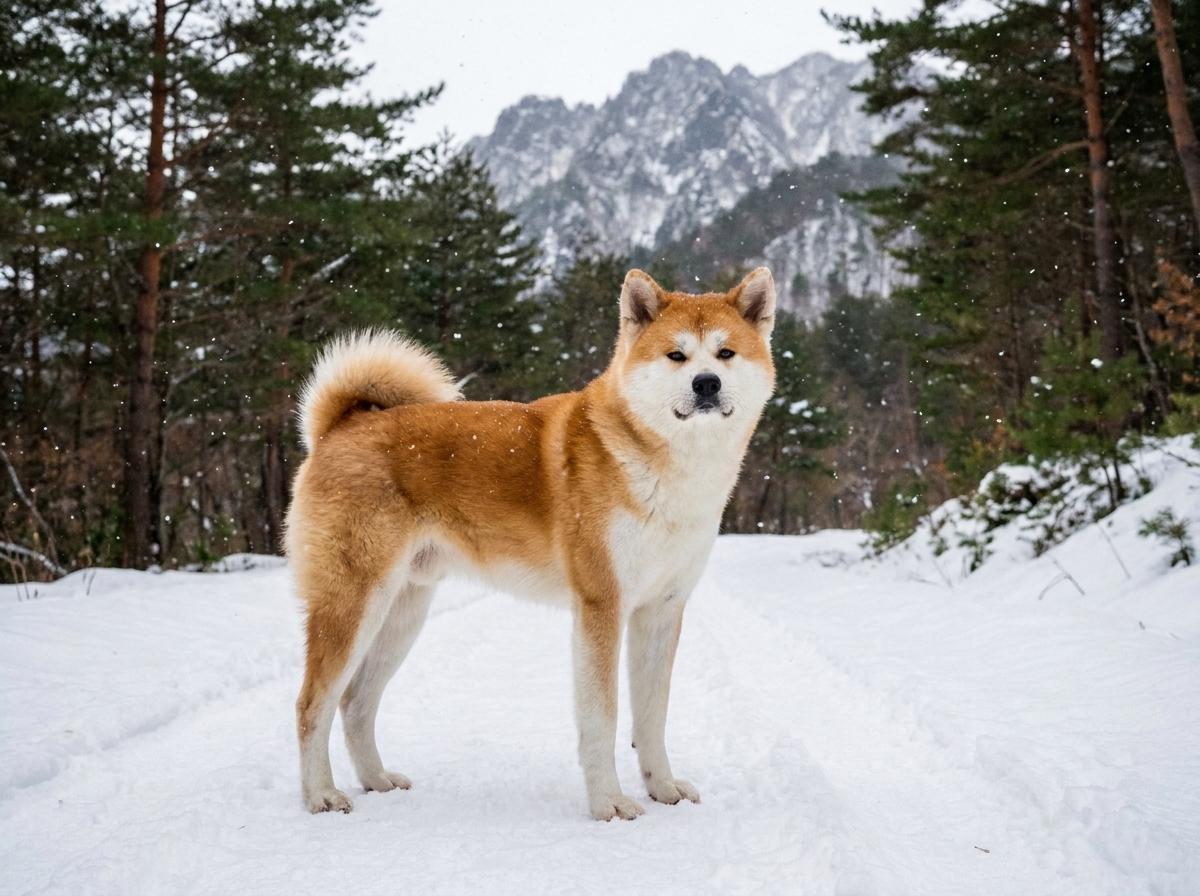
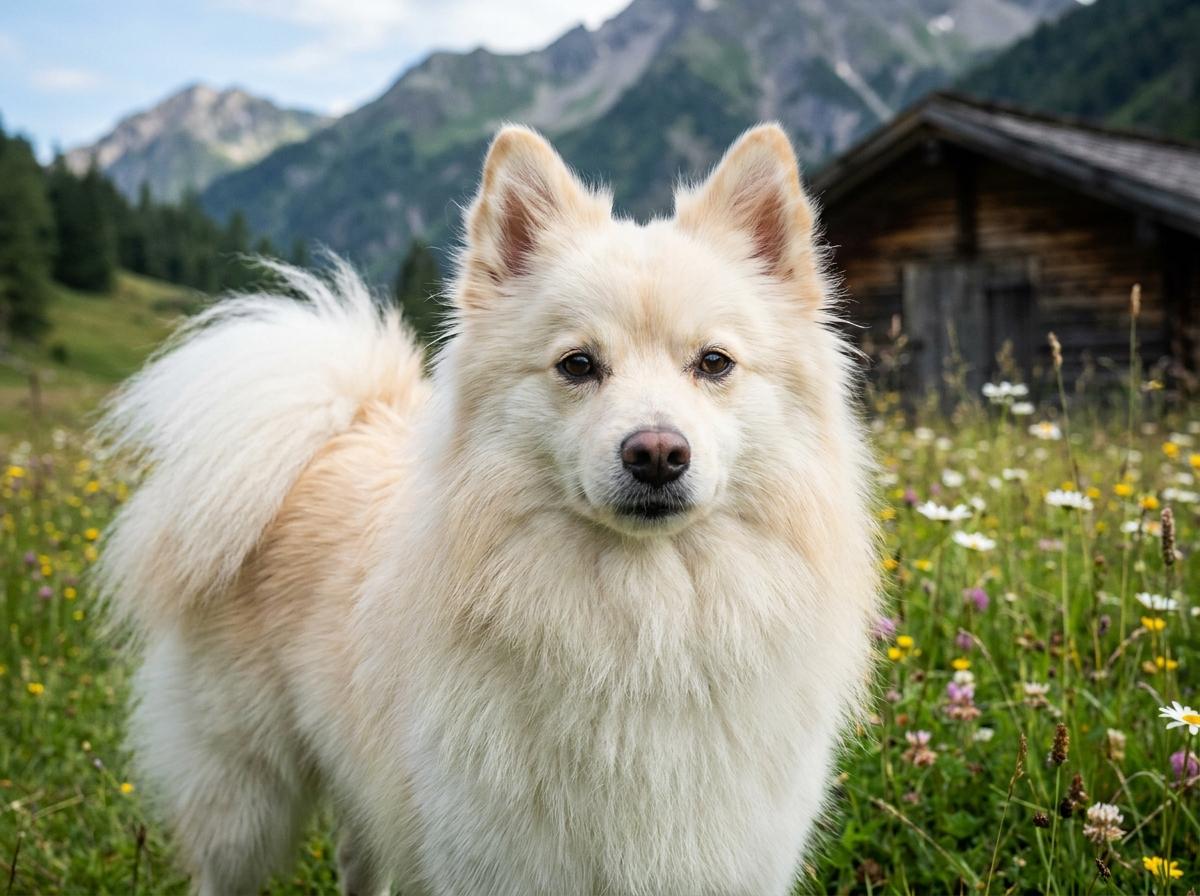
German spitz describes a group of old European spitz dogs rather than one identical size everywhere. Depending on the registry, the name may cover varieties such as Klein, Mittel, Giant, Wolfspitz or Keeshond-related types, and the tiny Zwergspitz known in many places as the Pomeranian. Shared traits include a compact square body, wedge-shaped head, prick ears, tail curled over the back, and a dense double coat that can stand off dramatically from the body. Historically, these dogs served as alert farm and household watchdogs as well as companions.
The type is usually bright, quick to learn, and vocal enough that barking habits should be shaped early. Exercise needs are moderate, but mental engagement and polite leash manners prevent a small spitz from becoming pushy. The coat sheds and needs thorough brushing to the skin; shaving is usually avoided because it can spoil insulation and texture. Smaller varieties may need extra dental and patella attention, while larger ones still benefit from sensible weight control. Anyone comparing German spitz puppies should confirm the expected adult size and which variety a breeder is actually producing.
Colors: Apricot, Bicolor, Black, Black and Tan, Black and White, Black Mask, Blue, Blue and Tan, Blue Merle, Blue Roan, Blue Tick, Brindle, Brown, Brown and Tan, Brown and White, Chocolate, Cream, Dapple, Domino, Fawn, Fawn and White, Gold, Gray, Harlequin, Irish Marked, Liver, Liver Mask, Mantle, Mask, Merle, Mottled, Orange, Parti-Color, Particolor, Piebald, Red, Red and White, Red Merle, Red Roan, Red Tick, Reverse Brindle, Roan, Sable, Saddle, Silver, Speckled, Spotted, Tan, Ticked, Tricolor, Tuxedo, White, Wolf Sable, Yellow