

Halls Heeler
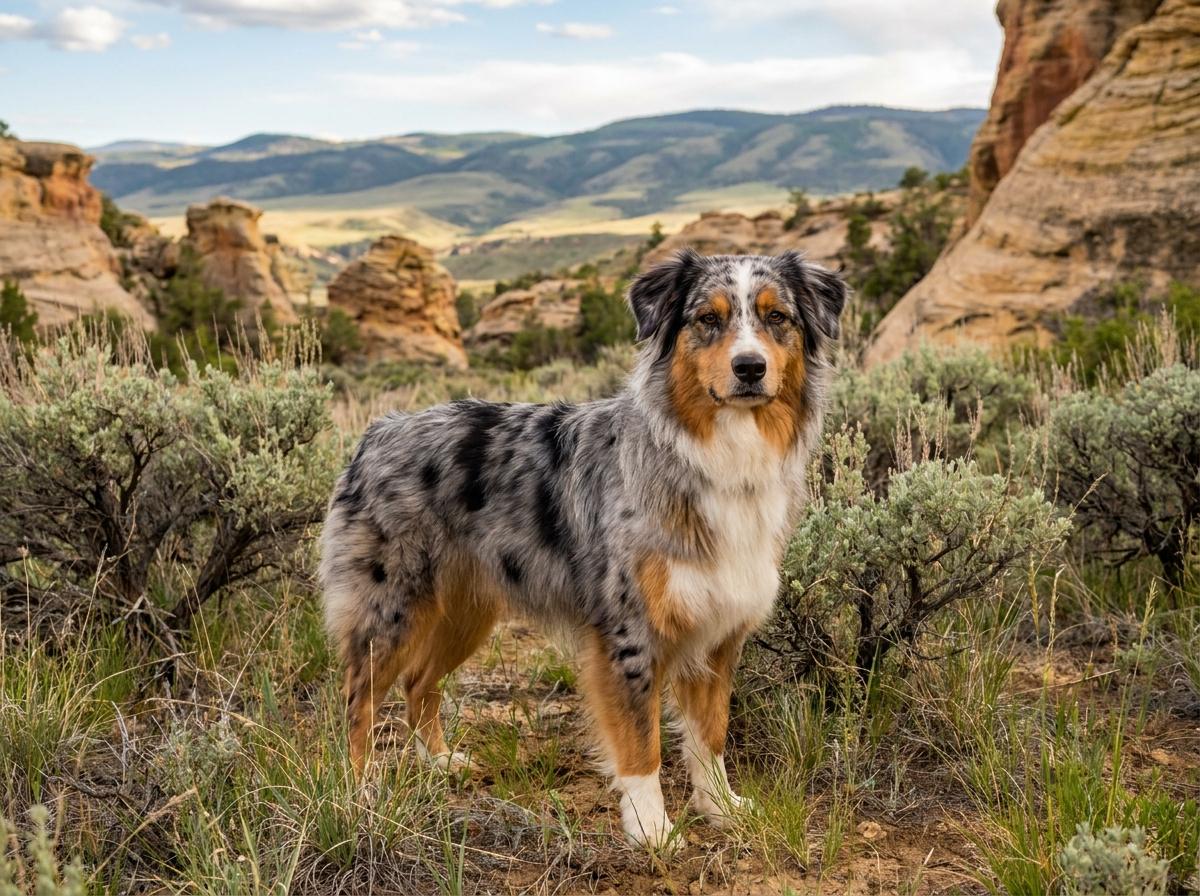
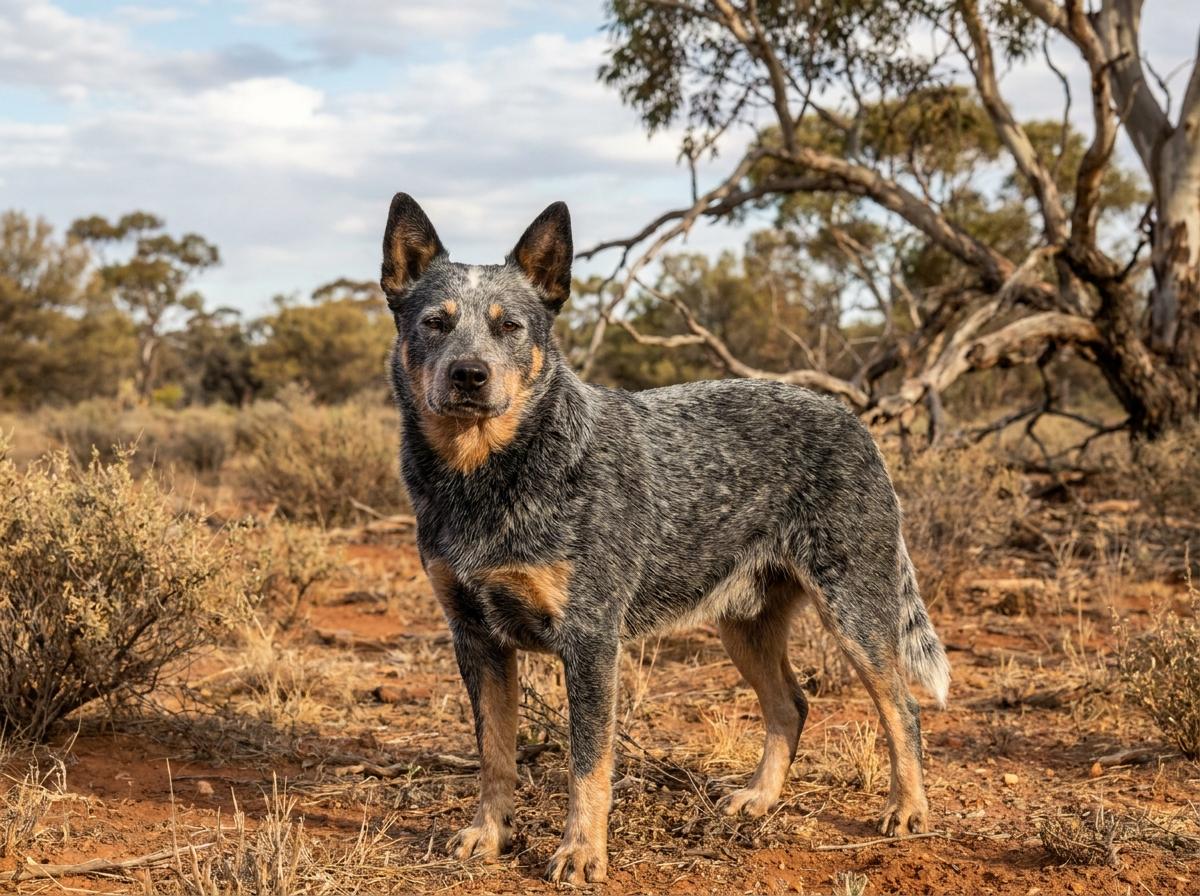
The Halls heeler was a historical Australian cattle dog strain developed by Thomas Simpson Hall and his family in nineteenth-century New South Wales. Hall is said to have crossed British droving dogs with dingo ancestry to produce tough, blue or red speckled heelers that could move semi-wild cattle across large pastoral holdings. These dogs were valued for endurance, low heeling style, heat tolerance, and the ability to work at distance in rough country.
As a separate strain, the Halls heeler is generally considered extinct, though it was an important foundation behind the modern Australian Cattle Dog and related stumpy-tailed cattle dogs. People using the name today should treat it as a historical reference unless a breeder can explain exactly what is meant. Modern descendants of this working tradition need stock sense, training, and a job for their minds; without that outlet, the same nipping, chasing, and persistence that helped on cattle can become difficult in a household.
Colors: Albino, Apricot, Bicolor, Black, Black and Tan, Black and White, Black Mask, Blue, Blue and Tan, Blue Merle, Blue Roan, Blue Tick, Brindle, Brown, Brown and Tan, Brown and White, Chocolate, Cream, Dapple, Domino, Fawn, Fawn and White, Gold, Gray, Grey, Harlequin, Irish Marked, Leucistic, Liver, Liver Mask, Mantle, Mask, Melanistic, Merle, Mottled, Parti-Color, Piebald, Red, Red and White, Red Merle, Red Roan, Red Tick, Reverse Brindle, Roan, Sable, Saddle, Silver, Speckled, Spotted, Tan, Ticked, Tricolor, Tuxedo, White, Yellow