

Hare Indian Dog
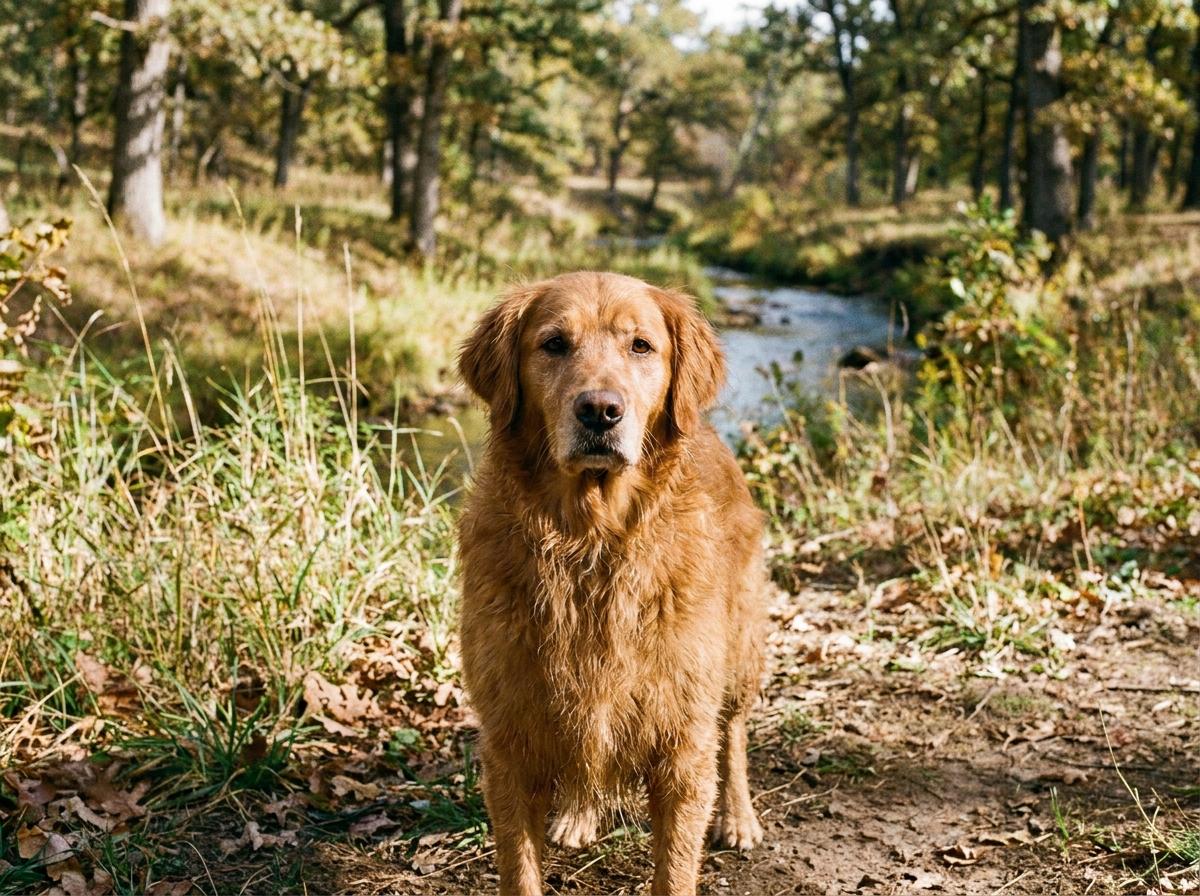
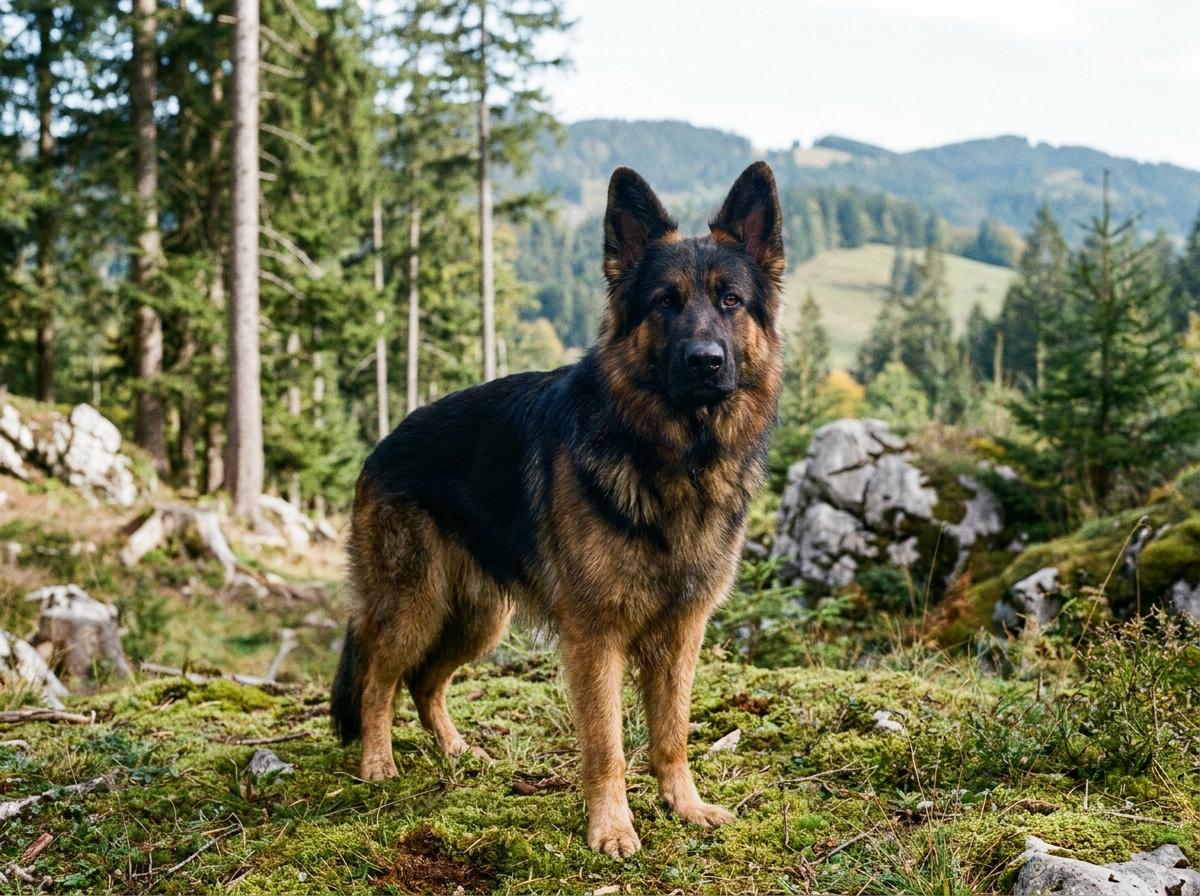
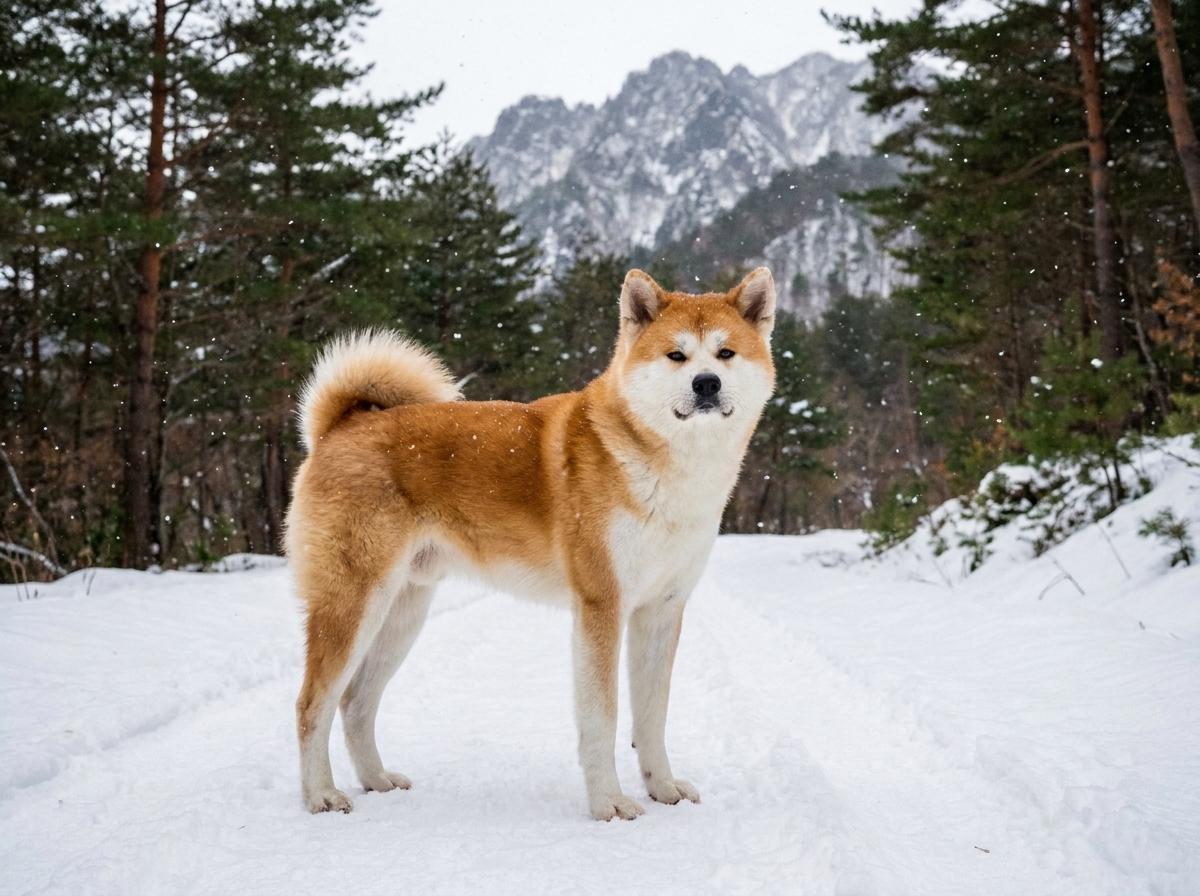
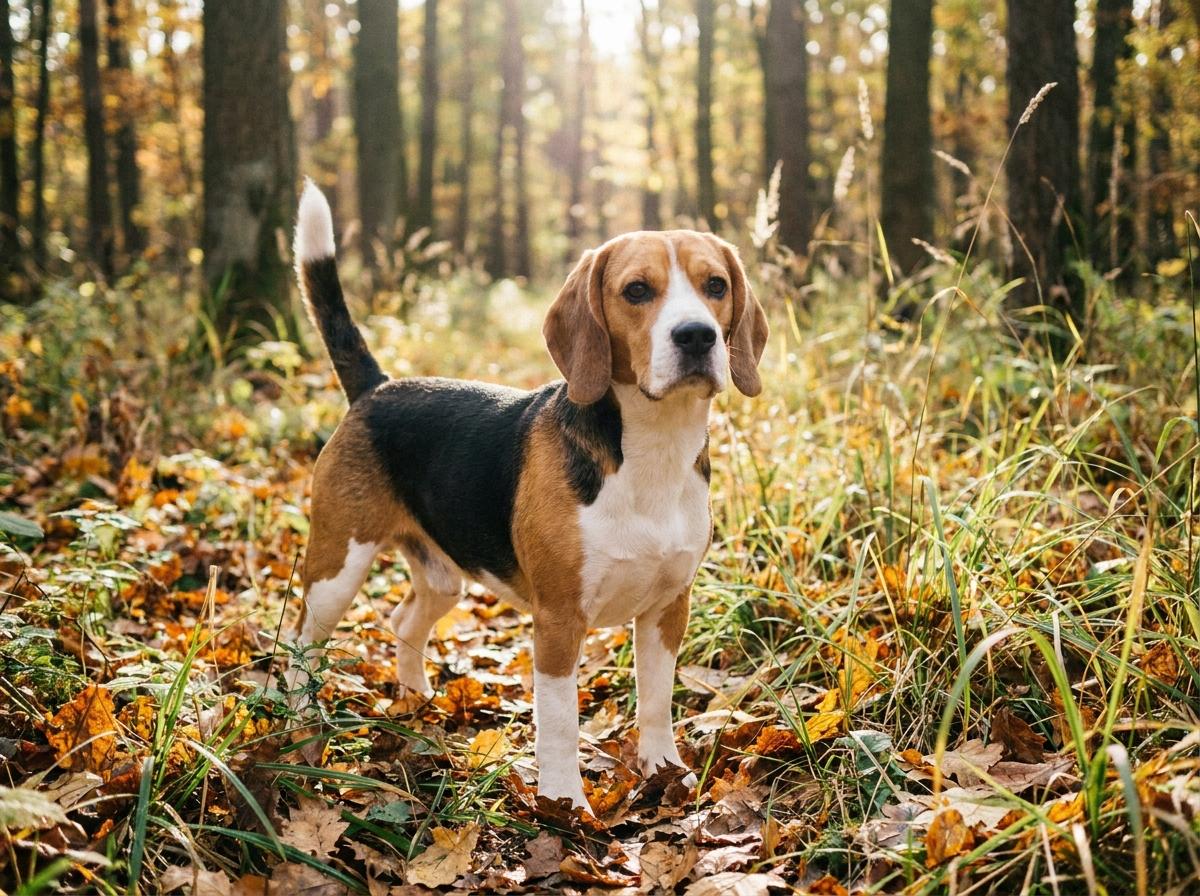
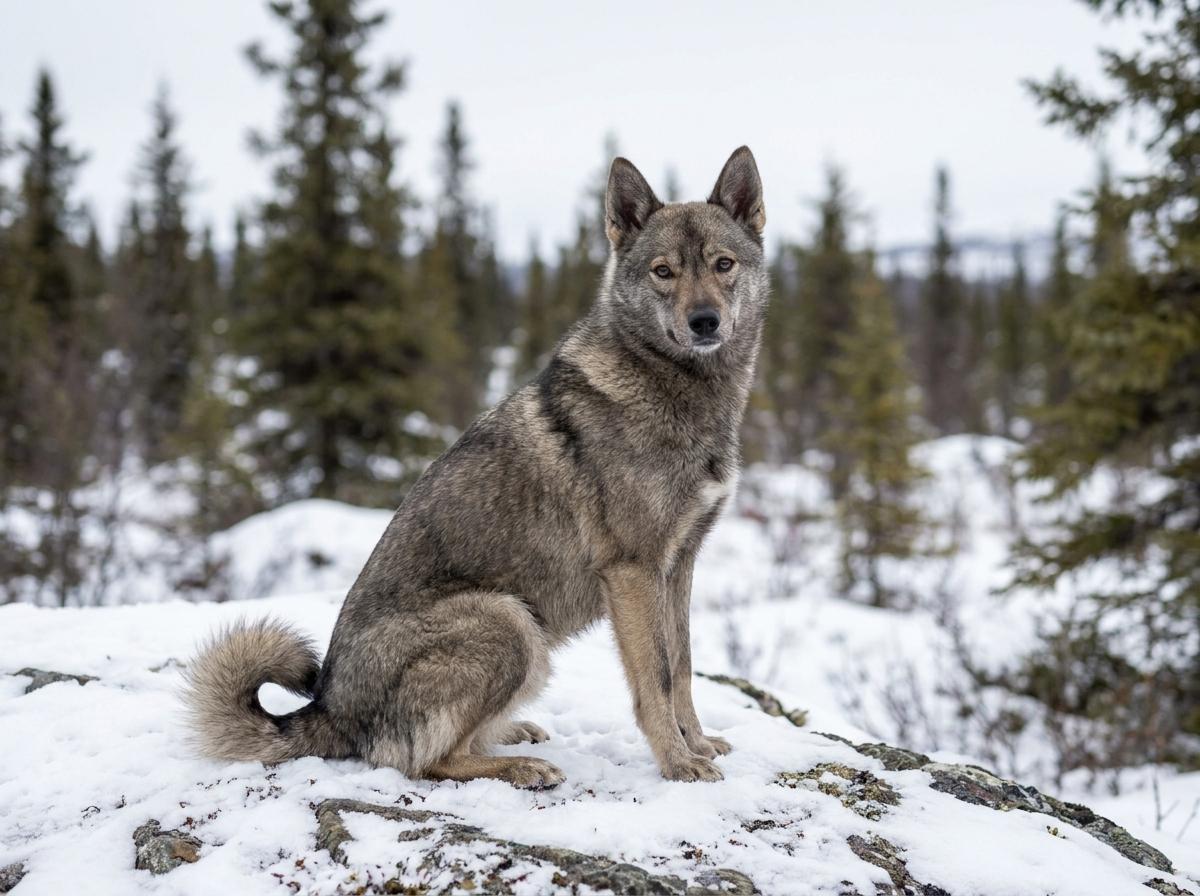
The Hare Indian dog was a small to medium northern dog associated with the Hare people and neighboring Indigenous communities in the Mackenzie River and Great Bear Lake region of Canada. Early written accounts describe a light, foxlike animal with prick ears, a pointed muzzle, a bushy tail, and great speed over snow and tundra. It was used in hunting and camp life, but its exact ancestry is debated because descriptions suggest influence from domestic dogs and possibly wild canids.
The Hare Indian dog is considered extinct as a distinct landrace after imported dogs became common and local populations interbred. It is therefore not a breed that can be responsibly bought, registered, or recreated from appearance alone. Modern references are best treated as historical and ethnographic, with respect for the Indigenous communities connected to the name. Researchers may discuss it in the context of Arctic dog history, museum specimens, and ancient DNA, while buyers should be skeptical of any current litter marketed as pure Hare Indian dog.
Colors: Albino, Apricot, Bicolor, Black, Black and Tan, Black and White, Black Mask, Blue, Blue and Tan, Blue Merle, Blue Roan, Blue Tick, Brindle, Brown, Brown and Tan, Brown and White, Chocolate, Cream, Dapple, Domino, Fawn, Fawn and White, Gold, Gray, Grey, Harlequin, Irish Marked, Leucistic, Liver, Liver Mask, Mantle, Mask, Melanistic, Merle, Mottled, Parti-Color, Piebald, Red, Red and White, Red Merle, Red Roan, Red Tick, Reverse Brindle, Roan, Sable, Saddle, Silver, Speckled, Spotted, Tan, Ticked, Tricolor, Tuxedo, White, Yellow