

Hovawart
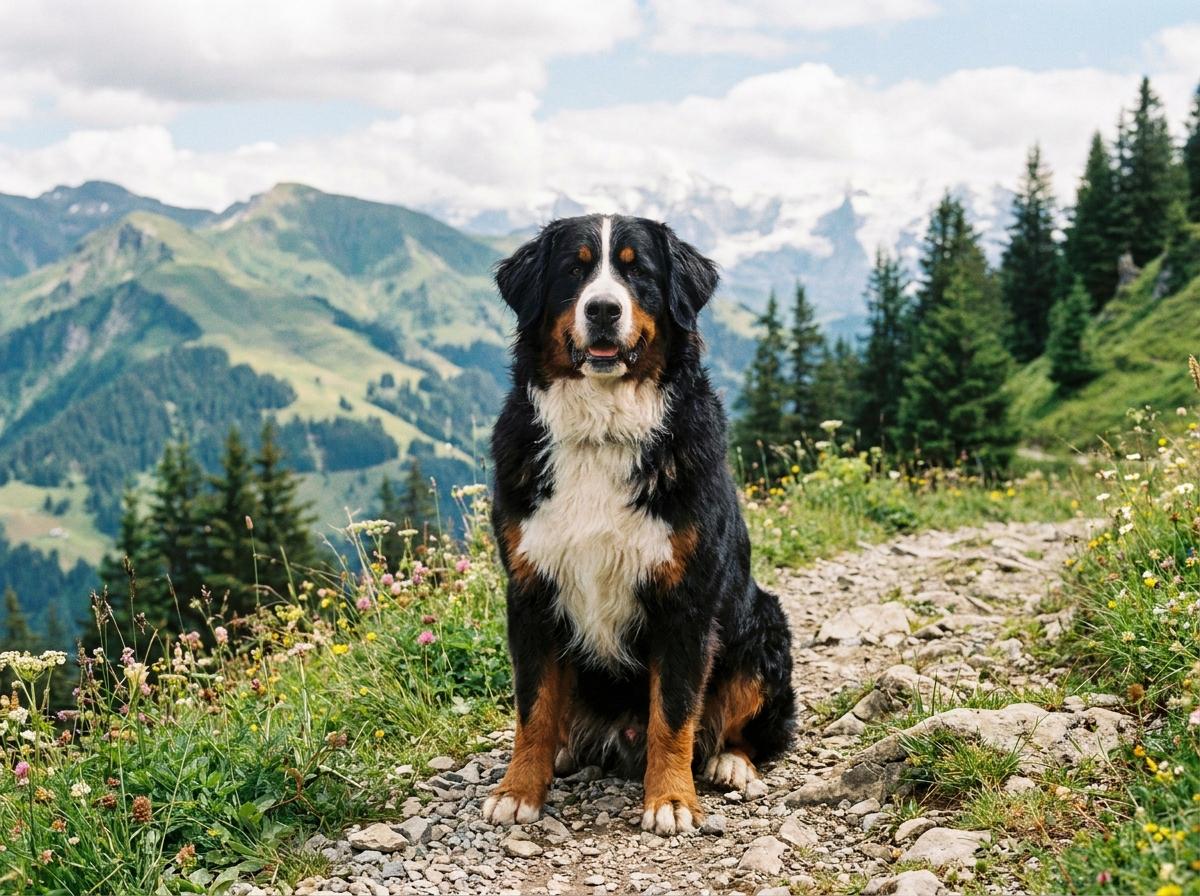
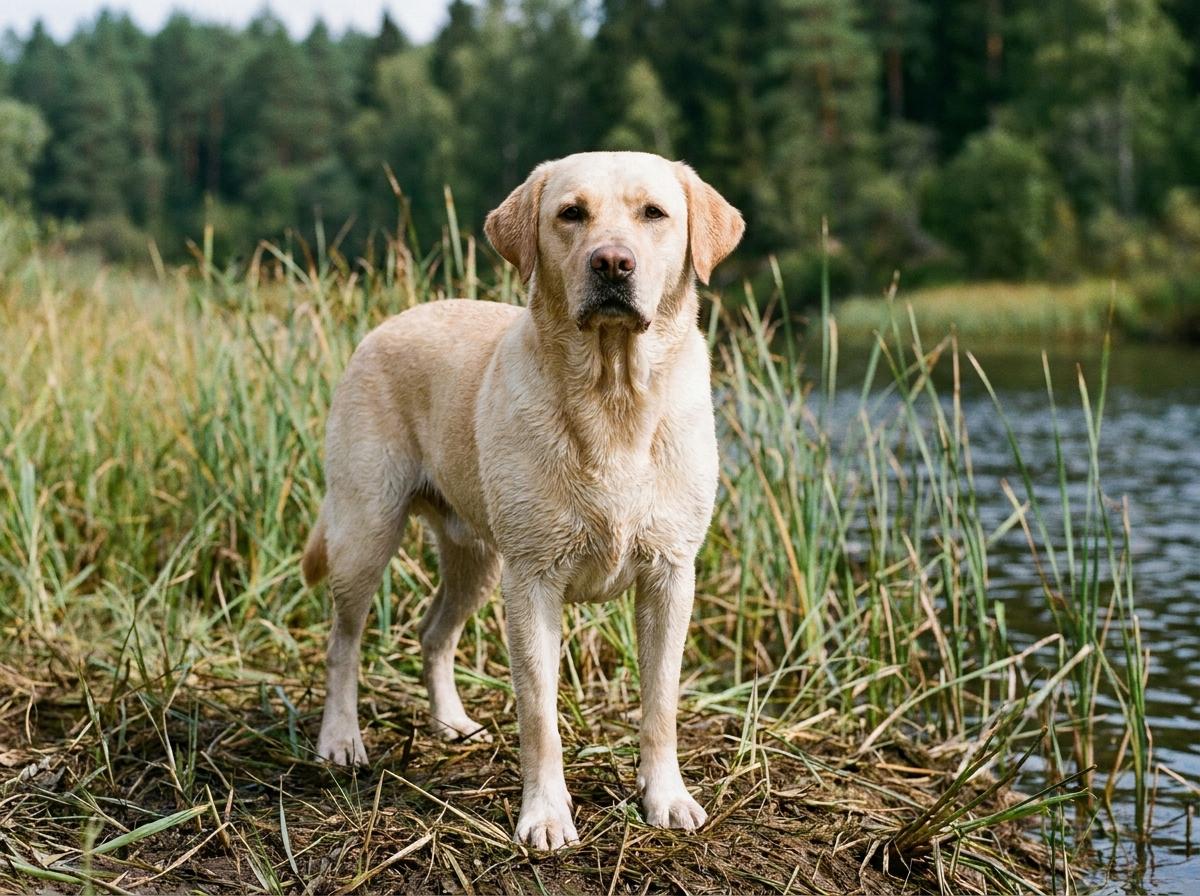
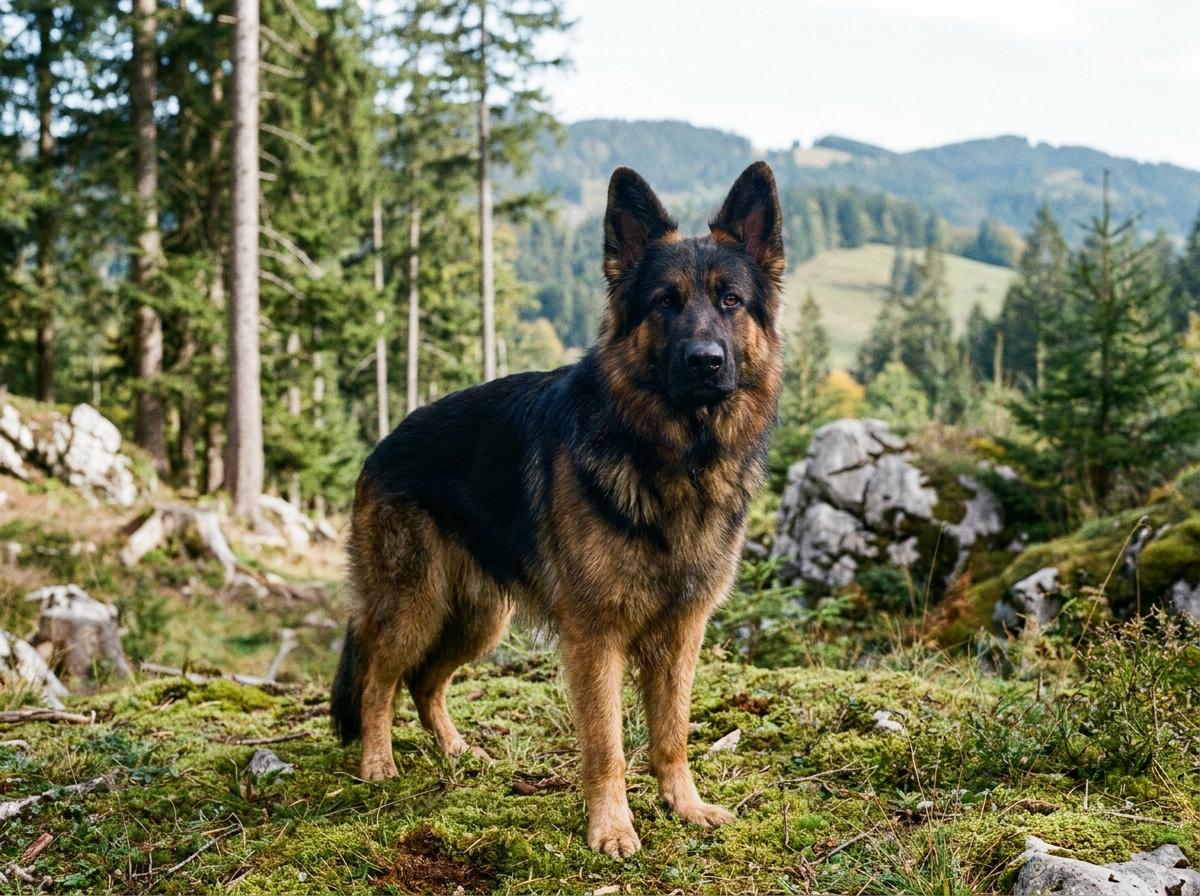
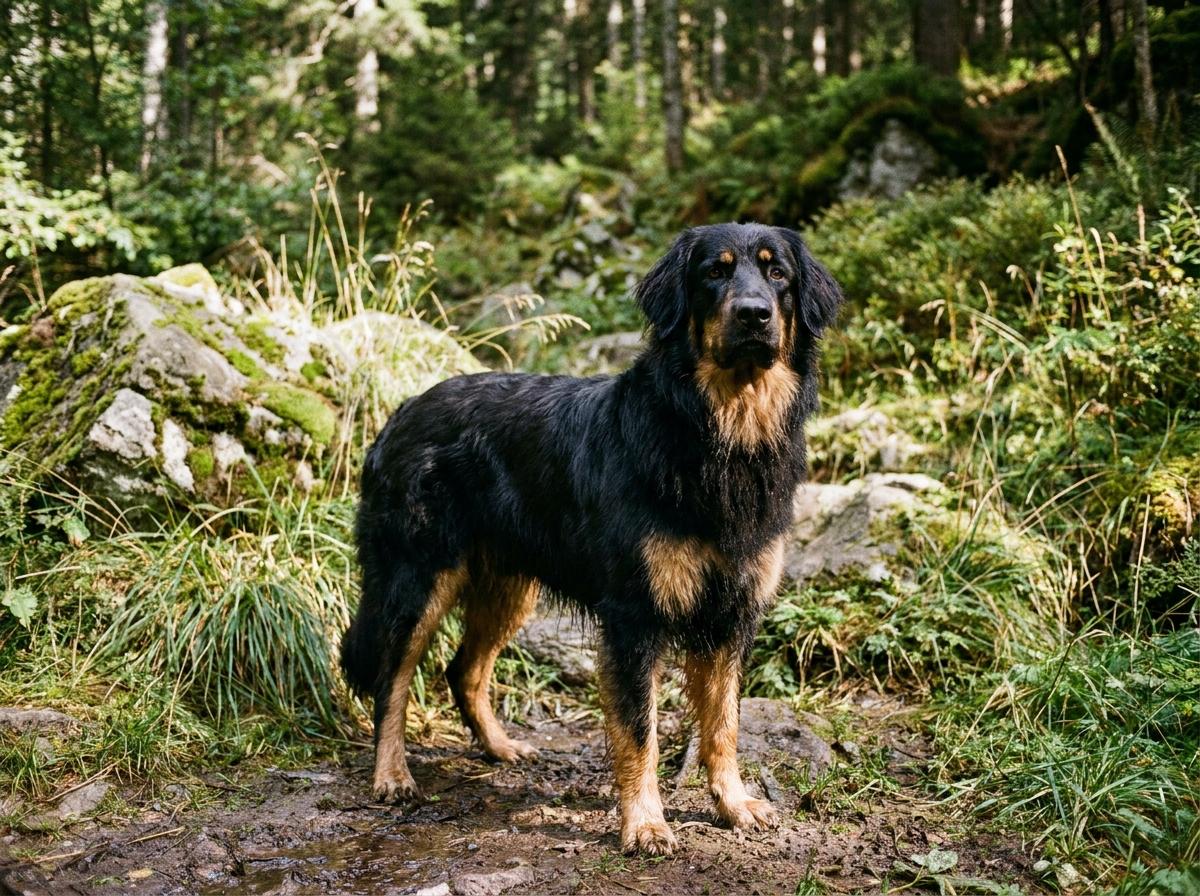
The Hovawart is a large German working dog whose name comes from old words for a farm or estate guardian. Modern Hovawarts were reconstructed in the twentieth century from surviving German farm dogs and related working breeds, with an emphasis on a steady, protective dog that could live closely with a family. They have a long, slightly wavy coat, moderate bone, and three recognized color patterns in many registries: black, black and gold, and blond.
A Hovawart is not a soft decoration for the yard; maturity comes slowly, and the breed does best when training builds judgment rather than simple suppression. Many are used in search and rescue, tracking, obedience, and personal property guarding, but they need consistent boundaries and broad social exposure when young. The coat needs regular brushing, especially behind the ears and around the tail, though it is not as heavy as some mountain breeds. Buyers should look for health screening for hips and temperament, since size and guardian instinct magnify careless breeding.
Colors: Albino, Apricot, Bicolor, Black, Black and Tan, Black and White, Black Mask, Blue, Blue and Tan, Blue Merle, Blue Roan, Blue Tick, Brindle, Brown, Brown and Tan, Brown and White, Chocolate, Cream, Dapple, Domino, Fawn, Fawn and White, Gold, Gray, Grey, Harlequin, Irish Marked, Leucistic, Liver, Liver Mask, Mantle, Mask, Melanistic, Merle, Mottled, Parti-Color, Piebald, Red, Red and White, Red Merle, Red Roan, Red Tick, Reverse Brindle, Roan, Sable, Saddle, Silver, Speckled, Spotted, Tan, Ticked, Tricolor, Tuxedo, White, Yellow