


Jack Russell Terrier
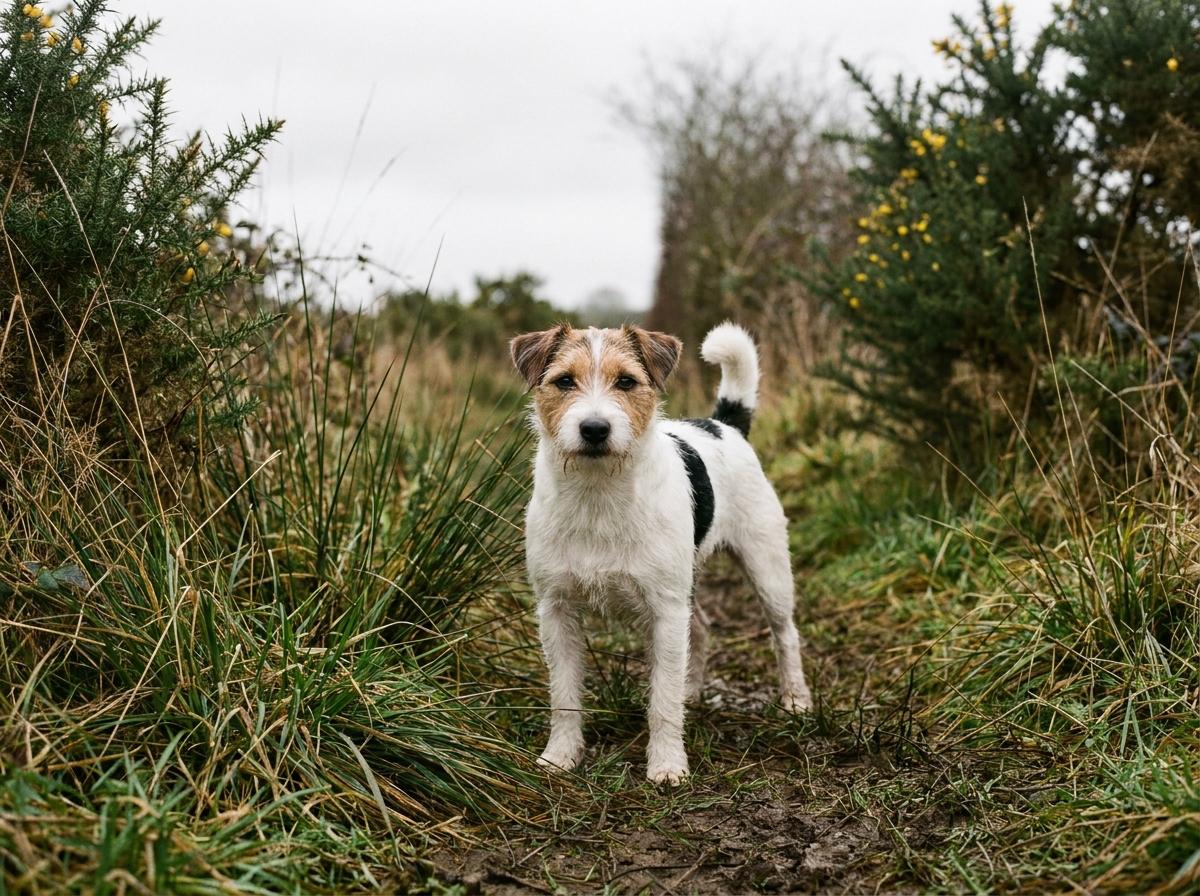
The Jack Russell Terrier began as a fox-hunting terrier associated with the Reverend John Russell in nineteenth-century England. In everyday use the name can cover a range of small, mostly white working terriers with tan, black, or tricolor markings, smooth, broken, or rough coats, and enough flexibility to go to ground. Registry language varies: some organizations separate the taller Parson Russell Terrier and the shorter Russell Terrier, while working communities may still use Jack Russell more broadly. The common thread is a sharp, athletic dog bred to locate and bolt quarry rather than sit quietly all day.
People drawn to the size should plan for a big workload in a small body. These terriers need vigorous exercise, training, puzzle work, and secure fencing; digging, barking, and chasing are normal behaviors unless given direction. They can live well in active homes, but poor matches often end up in rescue because the dog is treated as a low-energy lap pet. Coat care depends on type, with rough and broken coats needing stripping or tidy trimming. Health discussions should include patellas, eyes, hearing, and inherited neurologic conditions known in some lines.
Colors: Apricot, Bicolor, Black, Black and Tan, Black and White, Black Mask, Blue, Blue and Tan, Blue Merle, Blue Roan, Blue Tick, Brindle, Brown, Brown and Tan, Brown and White, Chocolate, Cream, Dapple, Domino, Fawn, Fawn and White, Gold, Gray, Harlequin, Irish Marked, Liver, Liver Mask, Mantle, Mask, Merle, Mottled, Parti-Color, Piebald, Red, Red and White, Red Merle, Red Roan, Red Tick, Reverse Brindle, Roan, Sable, Saddle, Silver, Speckled, Spotted, Tan, Ticked, Tricolor, Tuxedo, White, White and Black, White and Brown, White and Lemon, White and Tan, Yellow