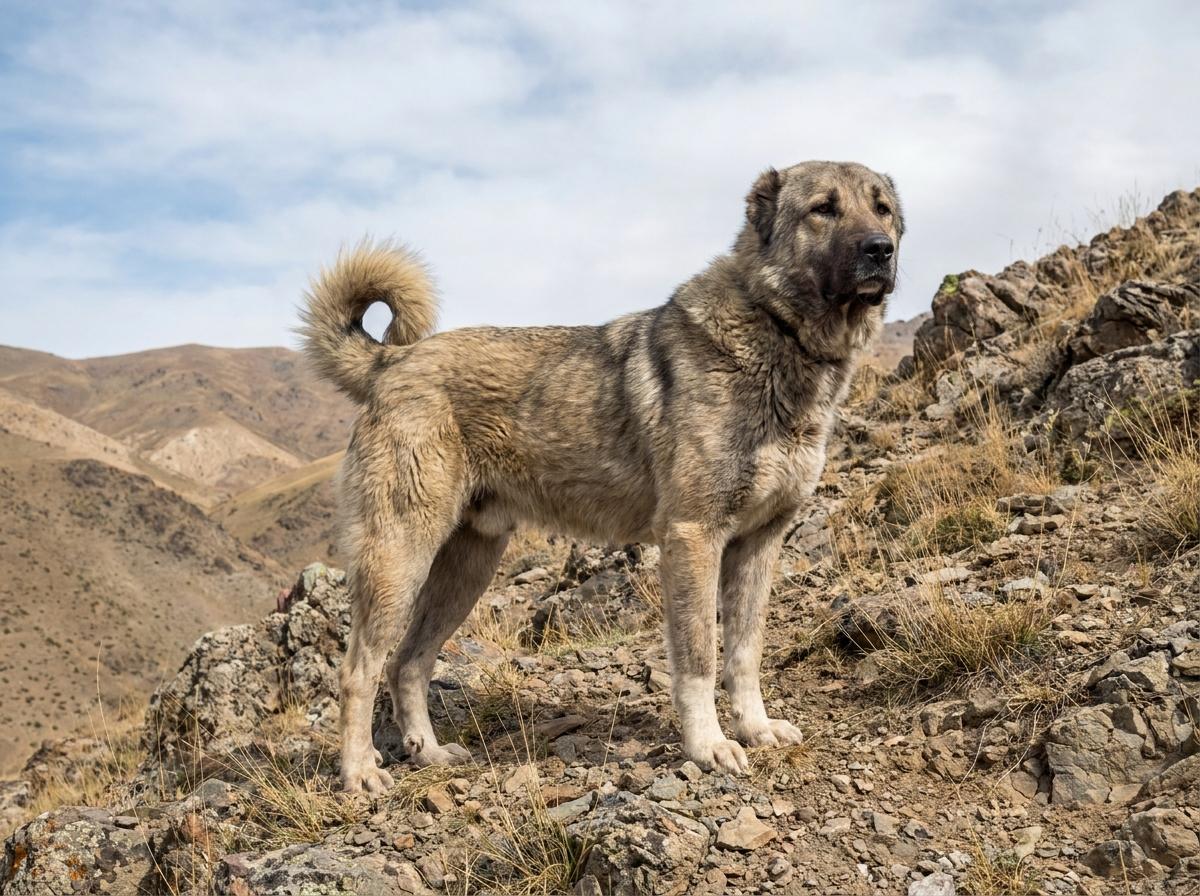
Kuchi
The Kuchi dog is best understood as a variable Afghan livestock-guardian landrace associated with pastoral work, not as one uniform modern breed with a worldwide show standard. The name can cover substantial working dogs with different coats and proportions, so a photograph, seller label, or claimed subtype cannot prove identity by itself. The useful questions are where the dog comes from, what work its family has done, how it behaves around stock and people, and what records support the claim.
If you already care for one of these dogs, start a Kuchi dog profile on Creatures and keep provenance, health, behavior and working notes together. That record is more useful than forcing a regional landrace into a single visual checklist.

Browse listings, public profiles, breeders, or add your animal.
What does Kuchi dog mean?
Kuchi is a human and pastoral context before it is a kennel-club category. The Food and Agriculture Organization describes Kuchi communities as nomadic and semi-nomadic Afghan herders whose livelihoods depend heavily on livestock and seasonal movement. A dog kept in that system was selected first by whether it could live and work beside people and animals under local conditions.
That is why the safest label is landrace. A landrace is a population shaped over time by place, function and local selection, with more variation than a closed modern studbook normally allows. The label does not mean every large Afghan farm dog is a Kuchi dog, and it does not create a reliable DNA result or pedigree where none exists.
The public record for the dogs themselves is thin. There is no published Kuchi breed standard in the FCI nomenclature, and no primary population study located for this article defines fixed Kuchi measurements, coat colors, recognized subtypes, or a closed ancestry. That absence is important evidence. It means confident charts copied across breed websites should not be treated as a standard.
Why the dogs can look different
A working population spread across varied Afghan terrain does not have to look like a row of cloned show dogs. Coat length can differ. Color can differ. Bone, height and head shape can differ. Climate, available breeding animals, local preference and the work expected of a dog can all influence which animals reproduce.
Online descriptions often divide Kuchi dogs into mountain, steppe and desert types. Those labels may be useful as informal descriptions of environment or appearance, but this article found no governing registry that defines three official varieties. Treat them as conversation, not certification. A seller cannot validate a dog merely by assigning one of those names.

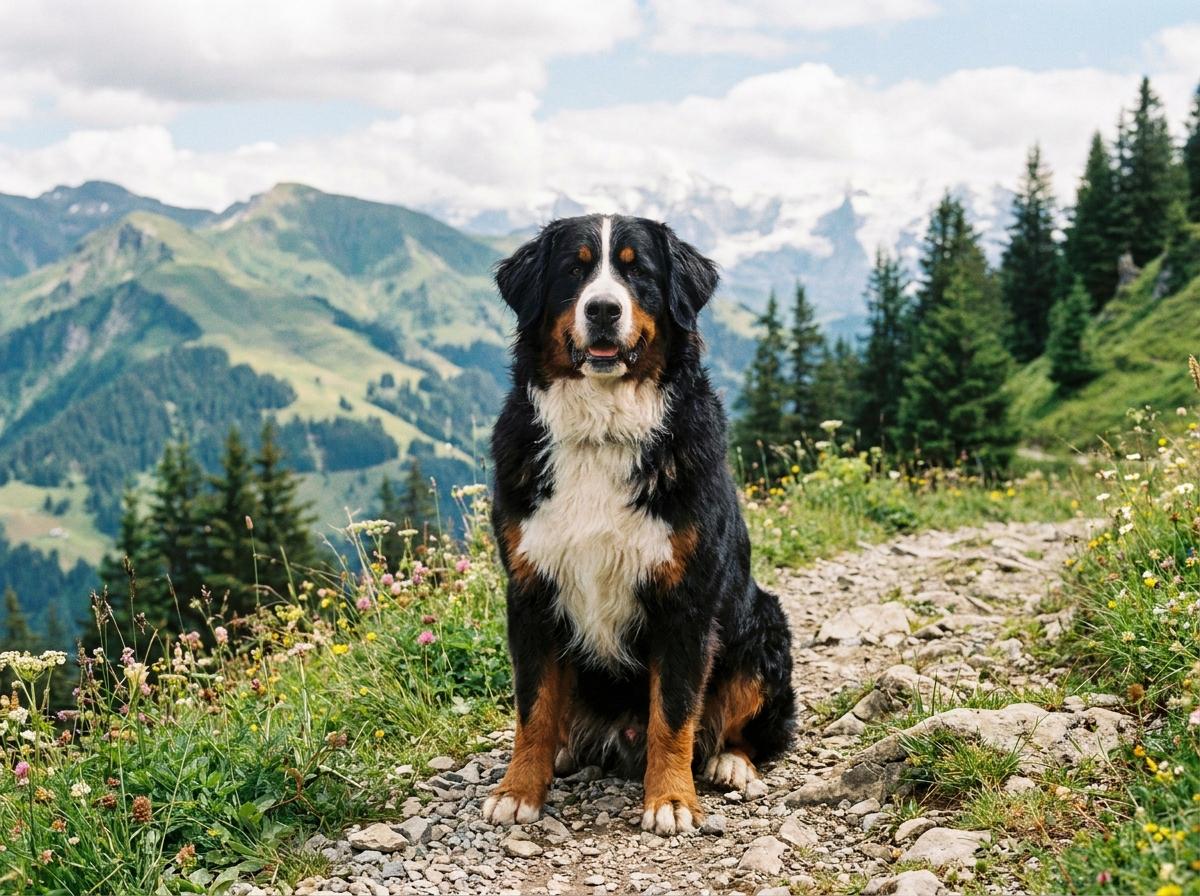
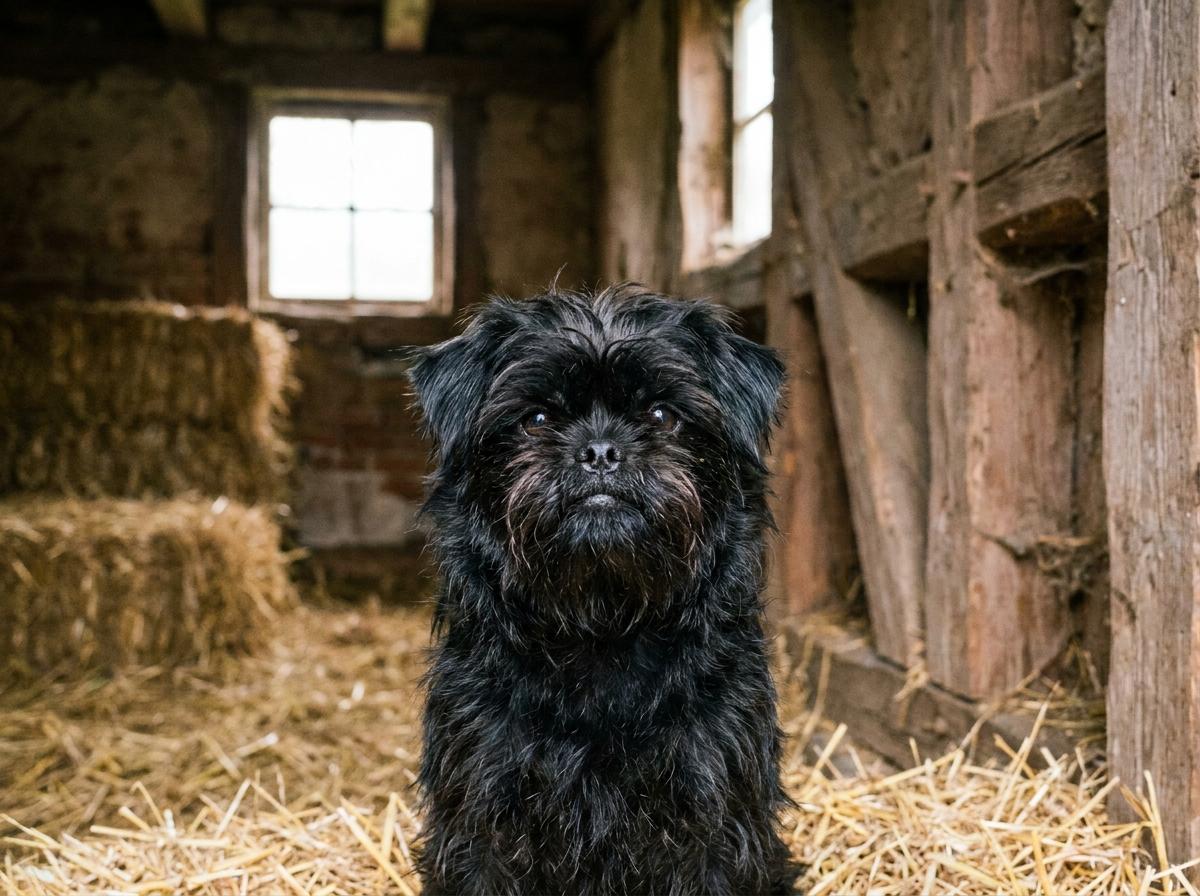
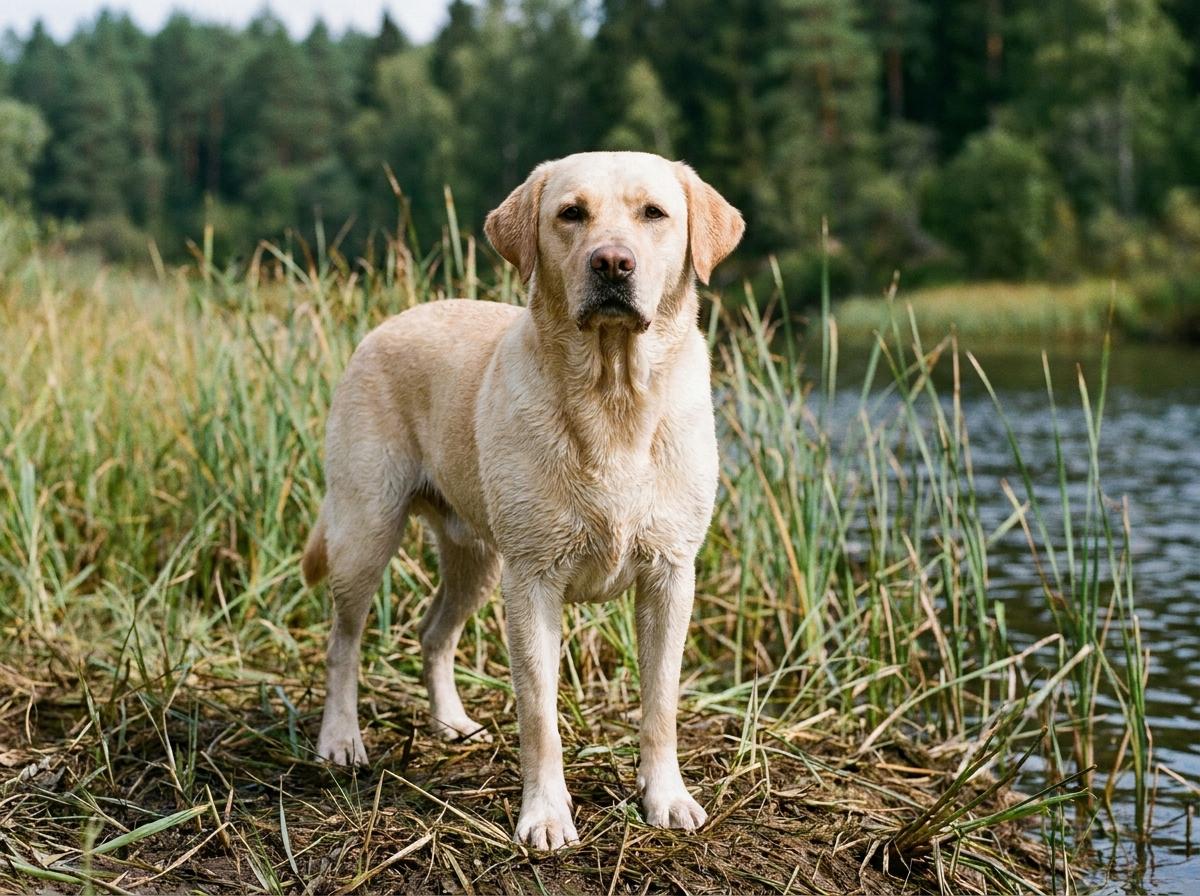
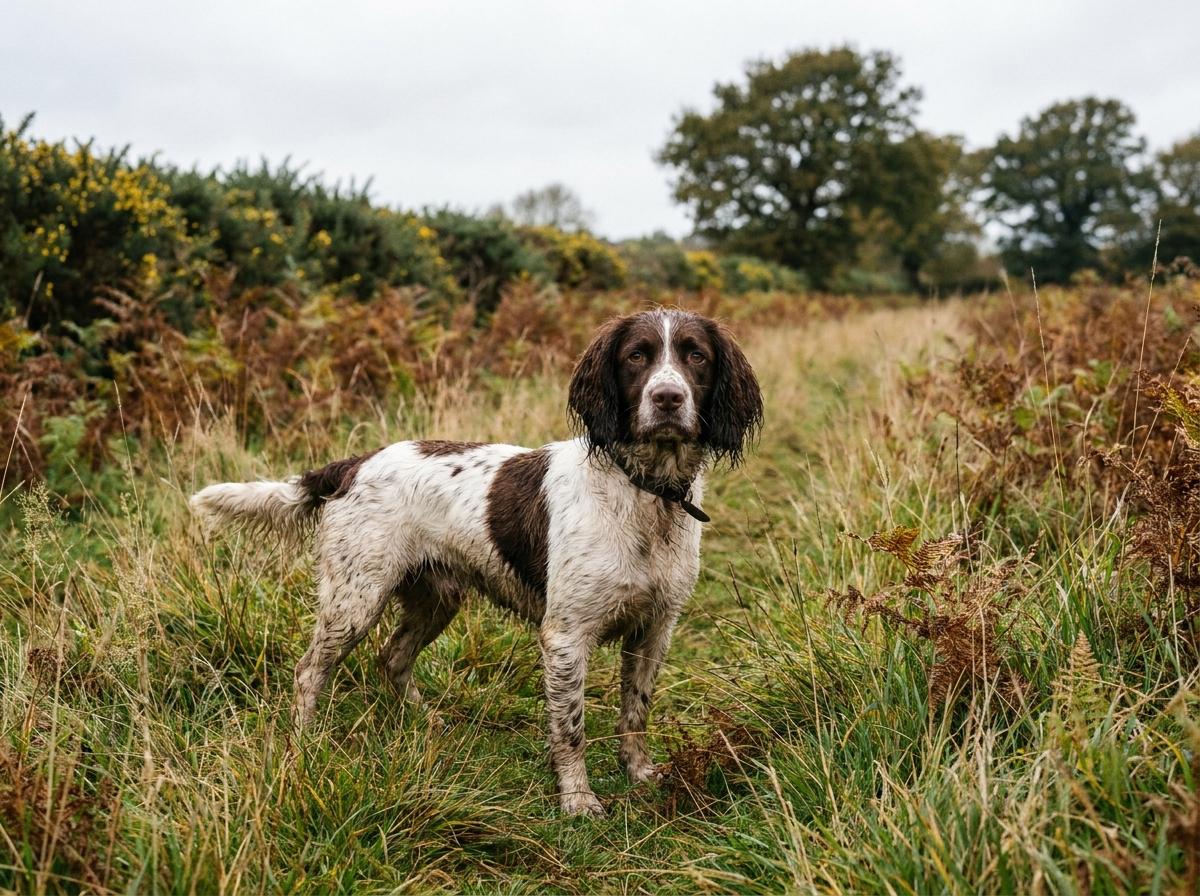
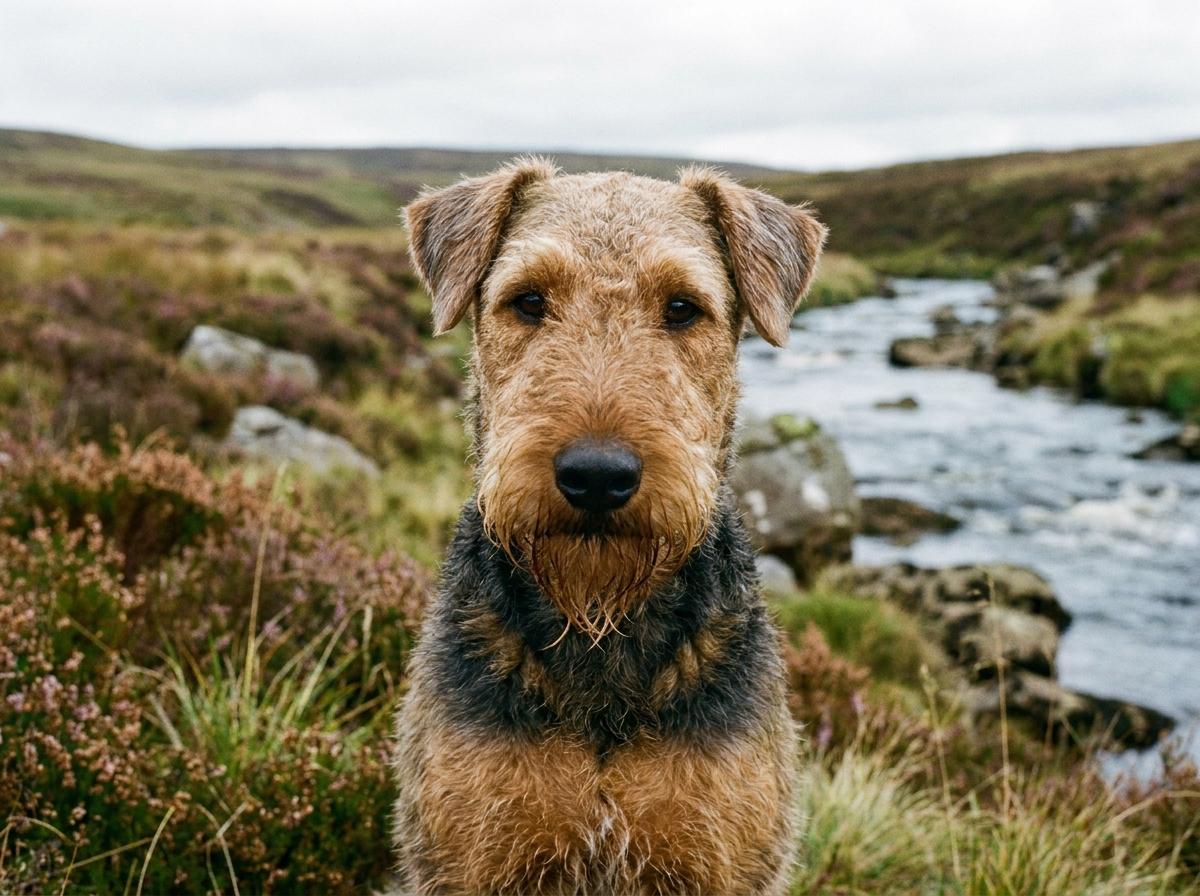
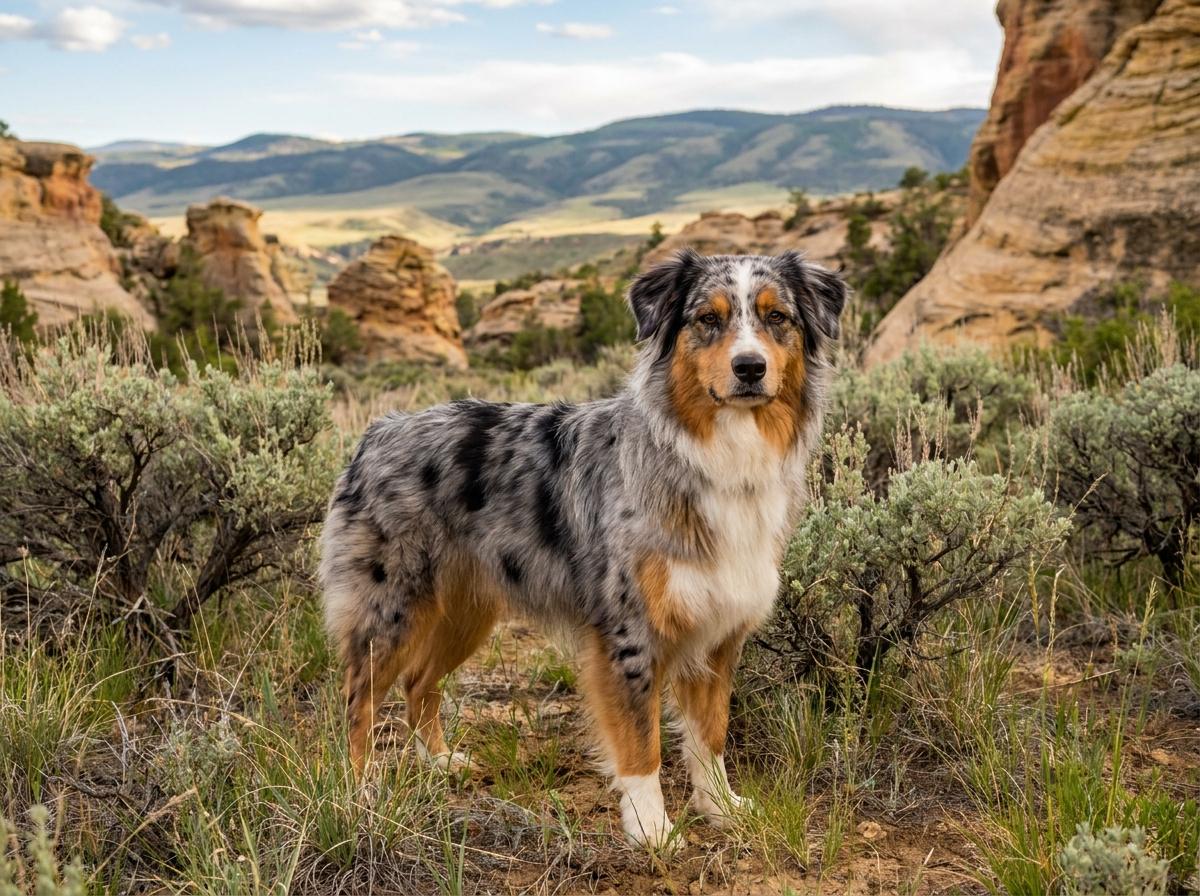
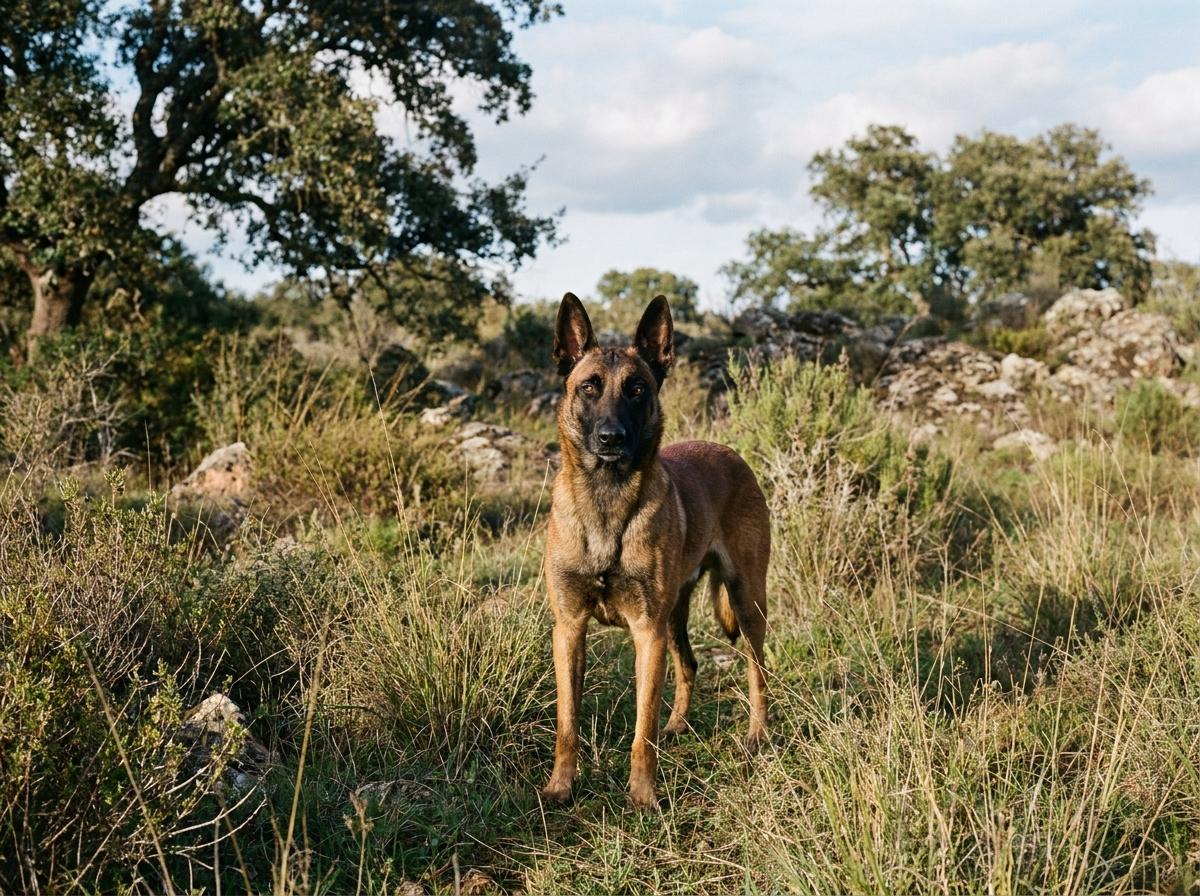
The illustration above deliberately shows variation rather than an official lineup. It does not claim that those three rendered dogs are recognized subtypes. For a real animal, preserve photographs from several ages, the names and locations of known parents, the source flock, and a description of actual work. Those records let another person evaluate the claim without pretending that coat alone settles it.
Kuchi dog versus Central Asian Shepherd Dog
These names overlap geographically, but they are not interchangeable registry labels. The FCI has a formal standard for the Central Asian Shepherd Dog. That document describes a standardized breed under Russian patronage and says its historic range extends across Central Asia to Afghanistan.
The fact that the standardized breed’s stated range includes Afghanistan does not automatically convert every Kuchi dog into an FCI Central Asian Shepherd Dog. Nor does visual similarity prove that an undocumented dog has a particular pedigree. One label refers to a recognized standard and registry system. The other is used for a regional Afghan working population without an equivalent global standard.
For buyers, the practical rule is simple: ask which registry issued the document, verify the document with that registry, and do not accept a lookalike photograph as pedigree proof. If no registry or multigeneration record exists, describe the animal honestly as a Kuchi-type or locally sourced working dog rather than inventing certainty.
Working role and behavior
A livestock guardian lives with or near animals and responds to possible threats. It does not perform the same job as a herding dog that gathers and moves a flock on cue. The USDA describes guardian dogs as one tool for nonlethal predator management, but that broad function does not guarantee that every dog with a Kuchi label will work safely or effectively.
Selection and upbringing matter. A promising guardian should be steady around the animals it is expected to protect, able to settle between events, manageable for routine care and appropriately alert without indiscriminate aggression. Texas A&M AgriLife cautions that more aggression is not automatically better guardian work; excessive aggression can worsen roaming, rough behavior and risk to workers or visitors.
This is not a casual urban-pet profile. A large independent guardian can bark at night, patrol boundaries, challenge unfamiliar dogs and make its own decisions. Secure space, planned introductions, reliable gates, neighbor awareness and an experienced handler are basic requirements. A dog that cannot be safely handled for veterinary care is not successfully managed, however impressive its guarding reputation sounds.
Training and daily management
Start with management rather than confrontation. The Government of Ontario livestock guardian guidance recommends reinforcement of desired behavior, prevention of unwanted behavior, basic cues, leash skills and enough human handling for routine care. Those principles apply whether the dog is imported, locally bred, or simply described as Kuchi-type.
Plan for:
- secure, visible boundaries suited to a powerful dog;
- gradual supervised introductions to each livestock species;
- separate feeding where resource conflict is possible;
- shade, dry shelter, clean water and a place to rest away from stock pressure;
- routine parasite prevention, vaccination, dental care and veterinary examination;
- calm practice with gates, a leash, a vehicle and physical handling;
- written observations of chasing, guarding, roaming, barking and recovery after a disturbance.
Do not use cropped ears, a heavy collar, chaining, hunger or forced fighting as evidence of authenticity or working quality. Altered anatomy and intimidating equipment tell you nothing reliable about ancestry. They can also hide injuries or make safe handling harder.

Health claims need restraint
No Kuchi-specific health survey was found for this article. That means it would be irresponsible to call the landrace unusually healthy, assign it a precise lifespan, or list inherited conditions as though a sampled registry population had been studied.
Evaluate the actual dog. A veterinarian can assess body condition, joints, heart, eyes, skin, teeth and parasite burden. For breeding animals, use tests justified by the size, family history and veterinary advice rather than assuming that a regional label removes risk. Ask for results with the animal’s permanent identification attached, not a generic statement that the parents were tested.
Working dogs also accumulate ordinary occupational risks. Feet can be injured on rough ground. Long coats can conceal skin problems. Dogs that roam can be struck, poisoned, lost or exposed to infectious disease. Keep preventive care and treatment in a health record, and let a veterinarian make medical decisions for the individual dog.
How to evaluate a Kuchi dog claim
Begin with provenance, not spectacle.
- Ask for the chain of origin. Who bred the dog, where did the parents live, and which flock or community used them?
- Request multigeneration evidence. Photographs, dates, owner names and consistent parentage notes are more useful than a dramatic origin story.
- Watch behavior around stock. A safe guardian remains responsive to its handler and does not chase or injure the animals it is meant to protect.
- Check identity. Match health and parentage documents to a microchip or other permanent identifier.
- Separate registry claims. If a seller invokes FCI recognition, ask for the exact recognized breed and registration number. Kuchi is not an FCI breed name.
- Reject fixed-type theater. Ear cropping, scars, fighting stories and extreme size do not authenticate a landrace.
- Plan the home first. Confirm fencing, livestock introductions, veterinary access, liability and local rules before money changes hands.
If evidence stops at the seller’s assertion, price the uncertainty honestly. Rarity is not a substitute for documentation.
Is a Kuchi dog right for you?
The strongest match is an experienced working home that understands livestock guardian behavior and can provide land, secure containment, routine handling and a real job. A calm adult with known behavior may be easier to evaluate than a puppy sold on appearance and legend.
The weakest match is a household choosing mainly for size, novelty or protection theater. No article can promise how an undocumented puppy will mature. If your real need is a companion dog, compare options on the broader dog hub. If your goal is a regional working guardian, also read the evidence-first pages for the Philippine Forest Dog, Pastore della Lessinia e del Lagorai, Tarsus Catalburun and historical Polynesian Dog. Those pages use the same rule: identity claims should be no stronger than the records behind them.
Frequently asked questions
Is the Kuchi dog a recognized breed?
Not under the FCI nomenclature. It is more accurate to describe Kuchi dogs as a variable Afghan working landrace unless a specific dog carries verifiable papers from a named registry under another recognized breed.
Are there three official Kuchi dog types?
No authority located for this article defines three official varieties. Mountain, steppe and desert labels circulate online, but they should be treated as informal descriptions, not a global standard.
How big does a Kuchi dog get?
There is no authoritative Kuchi population study supporting one precise range. Many described dogs are large and substantial, but an individual should be measured rather than assigned a copied internet number.
Is a Kuchi dog the same as a Central Asian Shepherd Dog?
No. The FCI Central Asian Shepherd Dog is a standardized recognized breed whose historical range includes Afghanistan. Kuchi is a regional Afghan working label without the same formal standard. Some dogs may share ancestry or appearance, but a label alone cannot establish either.
Can a Kuchi dog live as a family pet?
An individual may bond closely with a family, but the guardian traits can be demanding. Secure containment, careful socialization, visitor management, veterinary handling and realistic expectations about barking and independence are essential.
What should a buyer ask for?
Ask for identified parents, origin details, health records, photographs across ages, evidence of safe work around stock and any claimed registry document. Verify each document with its issuer.
Do this next on Creatures
Use Creatures to preserve the evidence that a variable landrace most needs: identity, provenance, health history and observed work.
Add your dog. Start a Kuchi dog profile, no account needed to begin. Save photos, origin notes and known parentage. The step-by-step guide is adding an animal to Creatures.
Build a real record. Open the animal record sheet to explore it as a visitor; a free account is required to save. See adding a record and health and medical records.
Watch for a listing. Set a free Kuchi dog listing alert, no account needed to start. Review saving searches and using your watchlist before one appears.
Browse carefully. Check the Kuchi dog marketplace filter, then verify provenance and documents for the individual rather than relying on the label.
Represent a working program. Create a dog organization profile, no account needed to begin. If you manage a team, read creating an organization and adding your team.
Find people before promises. Search the Creatures breeder directory and ask for identified dogs, working references and records.