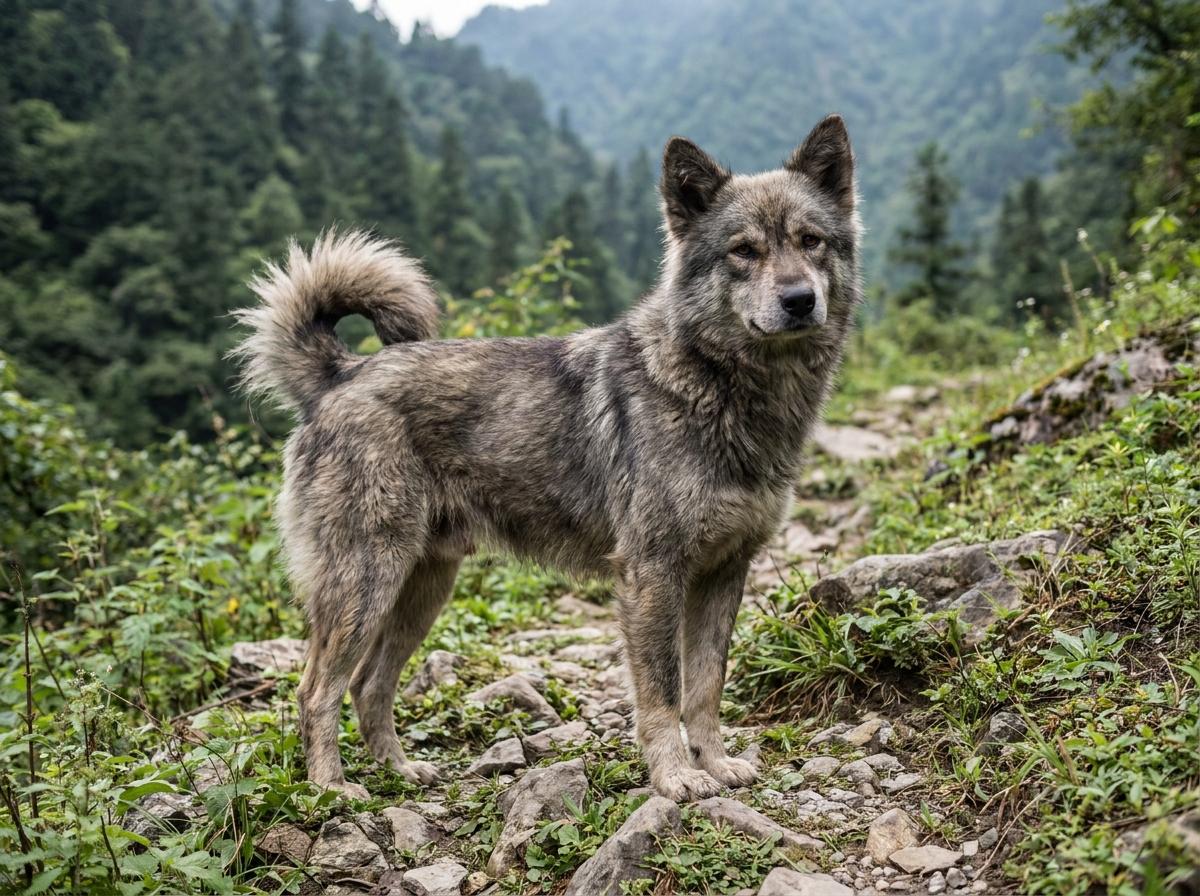
Langqing
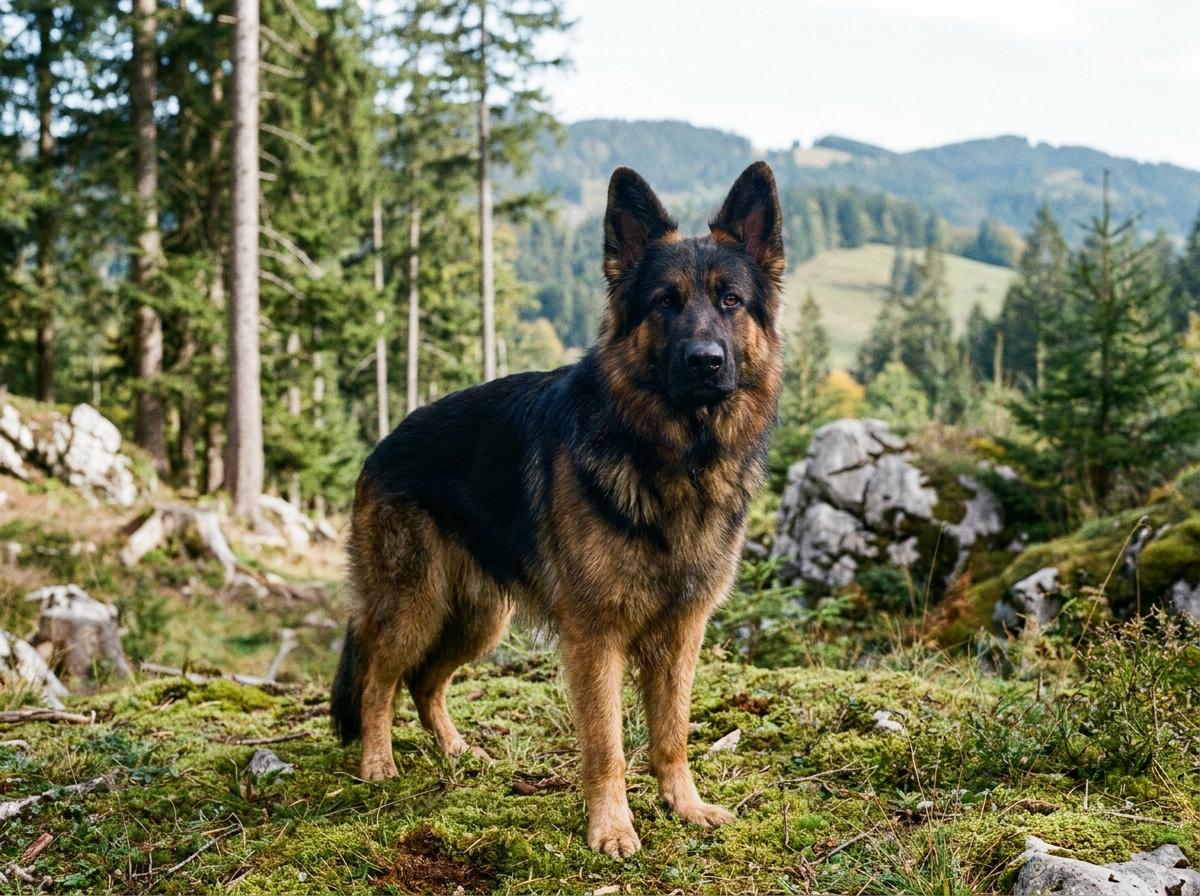
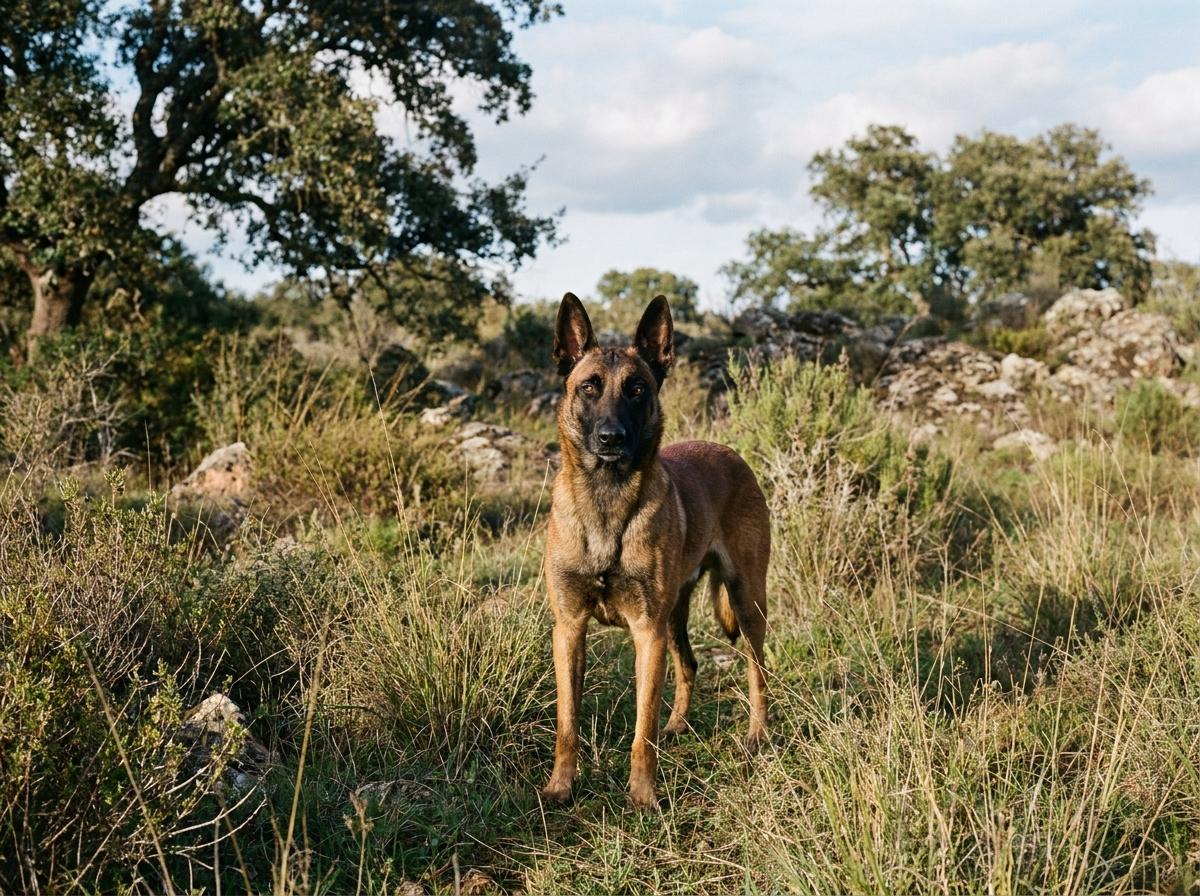
Langqing, often translated in English as Chinese wolfdog or wolf-blue dog, is a Chinese working dog label rather than a tightly standardized international breed. The name is used for large shepherd-like and guard-type dogs with a wolfish outline, upright ears, a wedge-shaped head, and a dense coat that may appear gray, black, tan, or mixed depending on the line. Accounts connect Langqing dogs with northern Chinese patrol, guarding, and farm work, but pedigrees and written standards vary widely.
People interested in a Langqing should treat it as a serious working dog, not as a novelty wolf hybrid. The most suitable homes are prepared for early socialization, firm reward-based training, secure fencing, and daily physical work. Because the name is used inconsistently, buyers need to ask what breeding population, health checks, and temperament history are behind a puppy. Rescue and import situations may require extra caution, especially where local rules treat wolf-like dogs or unregistered working dogs differently.
Colors: Albino, Apricot, Bicolor, Black, Black and Tan, Black and White, Black Mask, Blue, Blue and Tan, Blue Merle, Blue Roan, Blue Tick, Brindle, Brown, Brown and Tan, Brown and White, Chocolate, Cream, Dapple, Domino, Fawn, Fawn and White, Gold, Gray, Grey, Harlequin, Irish Marked, Leucistic, Liver, Liver Mask, Mantle, Mask, Melanistic, Merle, Mottled, Parti-Color, Piebald, Red, Red and White, Red Merle, Red Roan, Red Tick, Reverse Brindle, Roan, Sable, Saddle, Silver, Speckled, Spotted, Tan, Ticked, Tricolor, Tuxedo, White, Yellow