


Limer
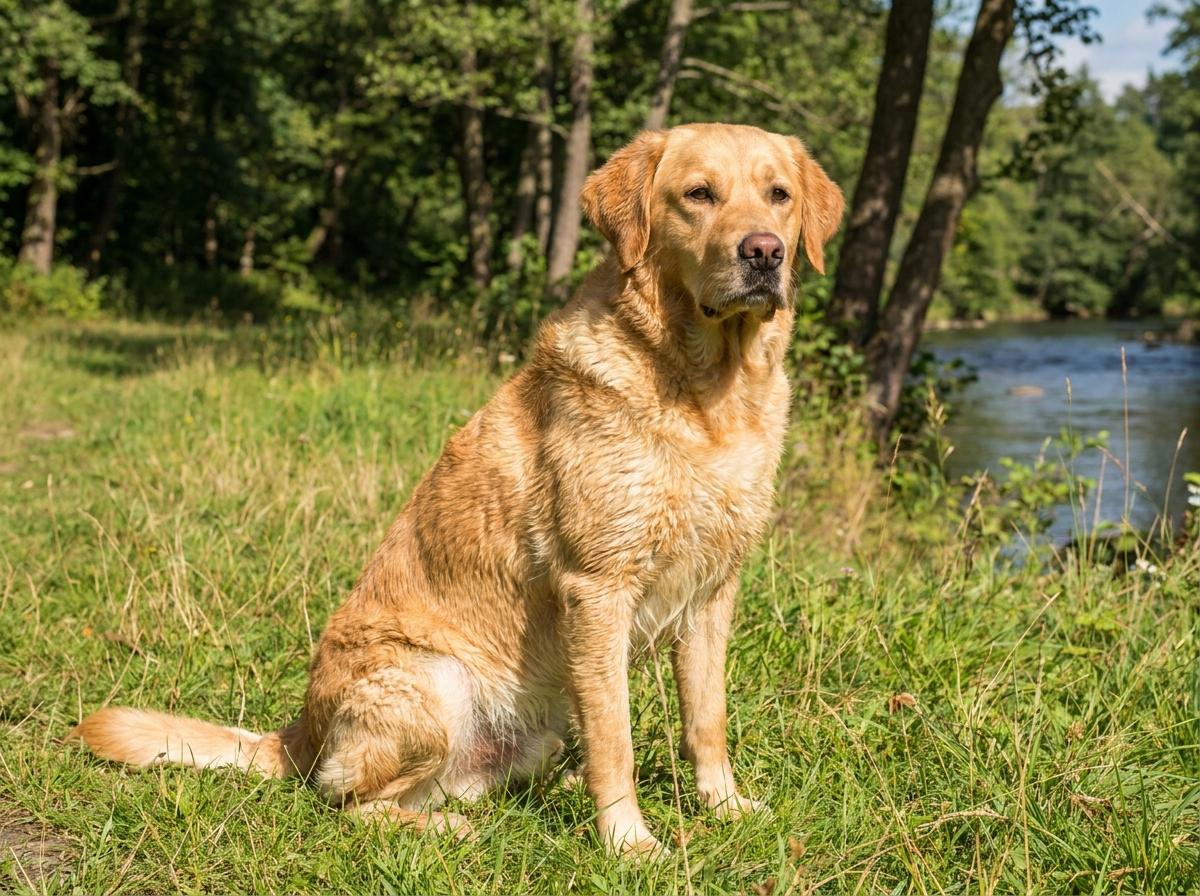
A limer, also spelled lymer in historical texts, was a type of medieval hunting dog defined by its job rather than by a modern breed standard. The word referred to a hound handled on a leash or line before the main chase. A skilled limer quietly followed the cold scent of a deer, boar, or other quarry and helped the huntsman locate where the animal was lying up. Bloodhound-like scenthounds, Talbot-type hounds, and other regional tracking dogs likely filled this role at different times.
There is no widely recognized contemporary dog breed called the Limer. The closest living equivalents are specialist tracking and leash-work hounds used for deer management, wounded-game recovery, search work, or historical hunting reenactment. If the term appears in an advertisement, buyers should ask what actual breed or cross is involved and judge the dog by health, temperament, scenting ability, and lawful use. The old limer role is still useful as a reminder that many hound names began as descriptions of work, not pedigree.
Colors: Albino, Apricot, Bicolor, Black, Black and Tan, Black and White, Black Mask, Blue, Blue and Tan, Blue Merle, Blue Roan, Blue Tick, Brindle, Brown, Brown and Tan, Brown and White, Chocolate, Cream, Dapple, Domino, Fawn, Fawn and White, Gold, Gray, Grey, Harlequin, Irish Marked, Leucistic, Liver, Liver Mask, Mantle, Mask, Melanistic, Merle, Mottled, Parti-Color, Piebald, Red, Red and White, Red Merle, Red Roan, Red Tick, Reverse Brindle, Roan, Sable, Saddle, Silver, Speckled, Spotted, Tan, Ticked, Tricolor, Tuxedo, White, Yellow