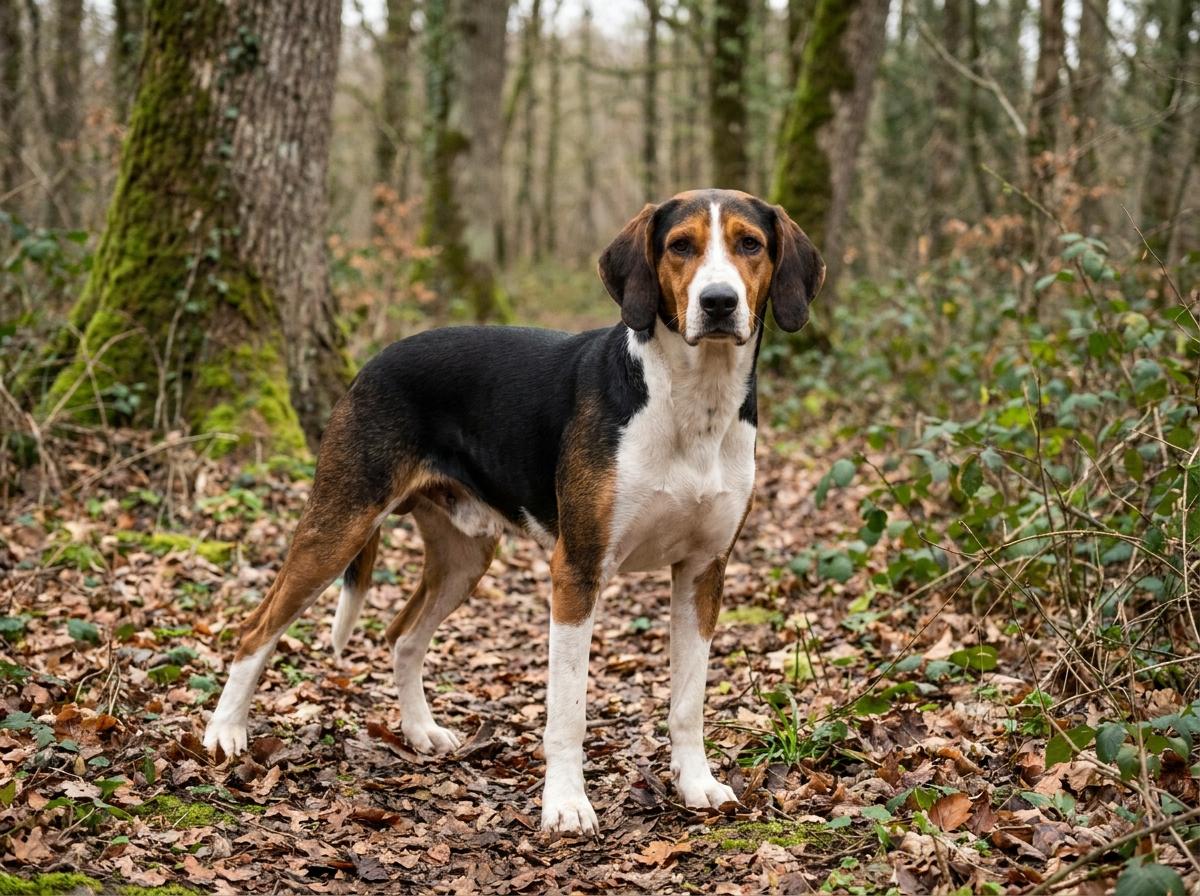
Norman Hound
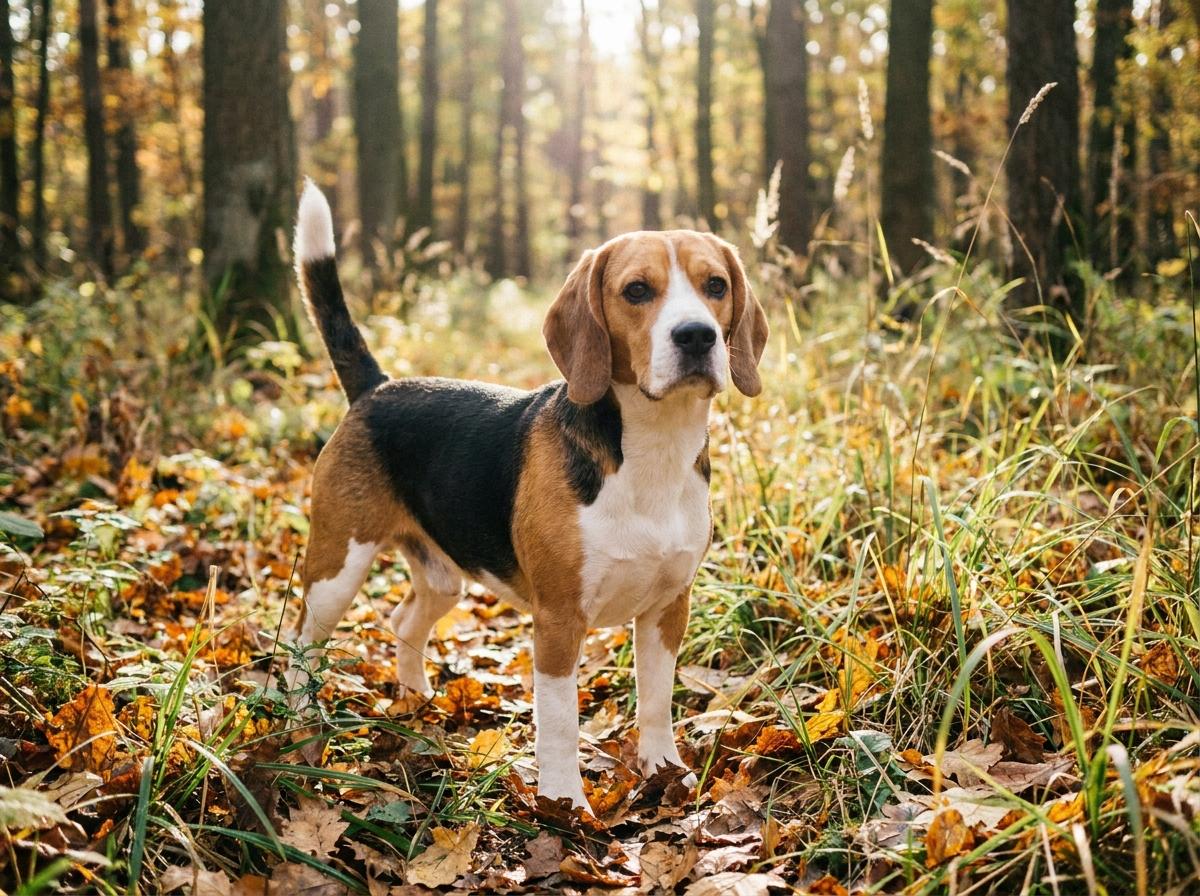
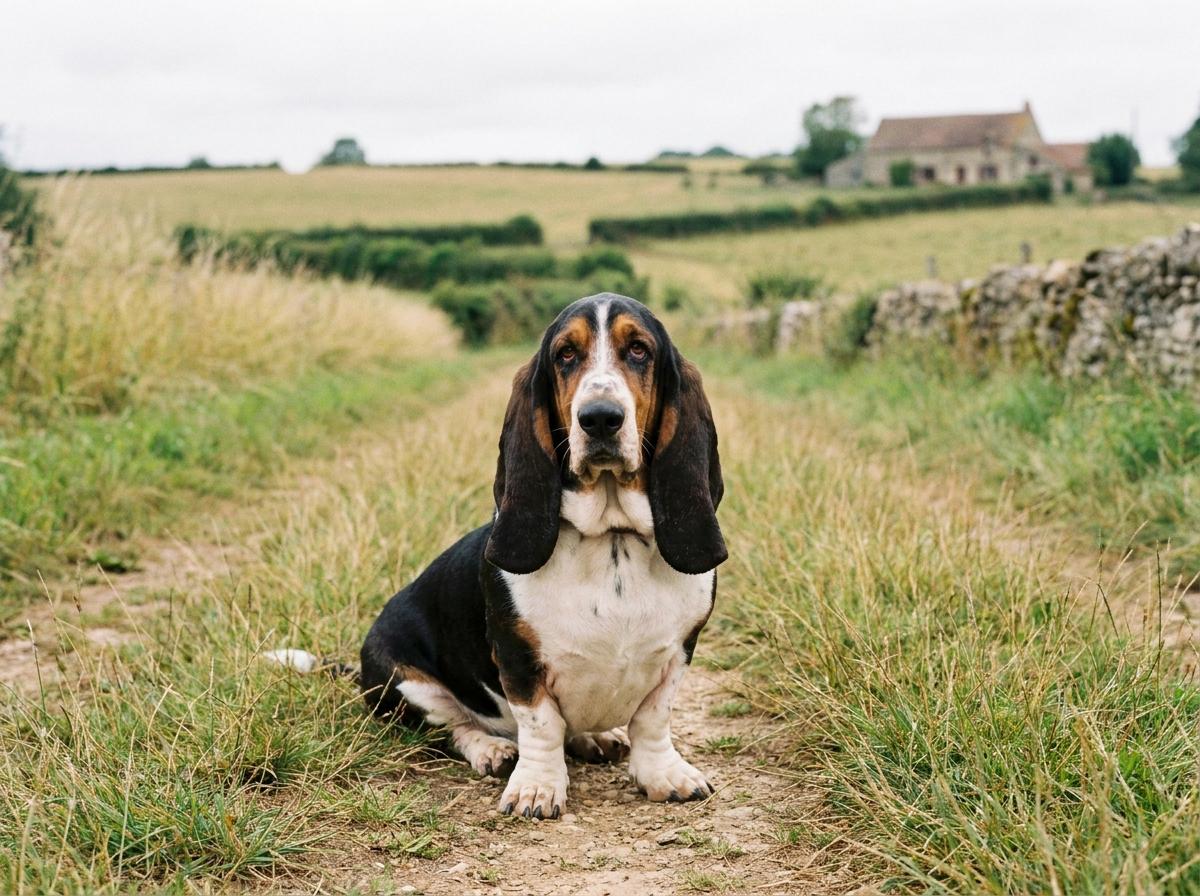
The Norman Hound refers to old scent-hound strains associated with Normandy and northern French hunting traditions. It is not a common modern kennel breed with a simple current standard, and the name is often encountered in discussions of historical French hounds, regional pack dogs, and the ancestry of later Anglo-French or continental hound types. These dogs were generally valued for nose, voice, endurance, and the ability to hunt in organized packs over varied country rather than for a single show-ring outline.
Because the Norman Hound is mainly a historical label, practical information should be framed around hound management and documentation. Pack hounds required careful breeding records, steady handling, conditioning, and selection for cooperation with both people and other dogs. Their care would have centered on kennel soundness, feet, scenting ability, voice, and stamina. Modern readers may meet the name while tracing breed histories or comparing French scenthound families. Any contemporary dog sold under the label should be evaluated cautiously, with clear records explaining whether it is a revived type, a regional working strain, or simply a descriptive name.
Colors: Albino, Apricot, Bicolor, Black, Black and Tan, Black and White, Black Mask, Blue, Blue and Tan, Blue Merle, Blue Roan, Blue Tick, Brindle, Brown, Brown and Tan, Brown and White, Chocolate, Cream, Dapple, Domino, Fawn, Fawn and White, Gold, Gray, Grey, Harlequin, Irish Marked, Leucistic, Liver, Liver Mask, Mantle, Mask, Melanistic, Merle, Mottled, Parti-Color, Piebald, Red, Red and White, Red Merle, Red Roan, Red Tick, Reverse Brindle, Roan, Sable, Saddle, Silver, Speckled, Spotted, Tan, Ticked, Tricolor, Tuxedo, White, Yellow