Old Croatian Sighthound
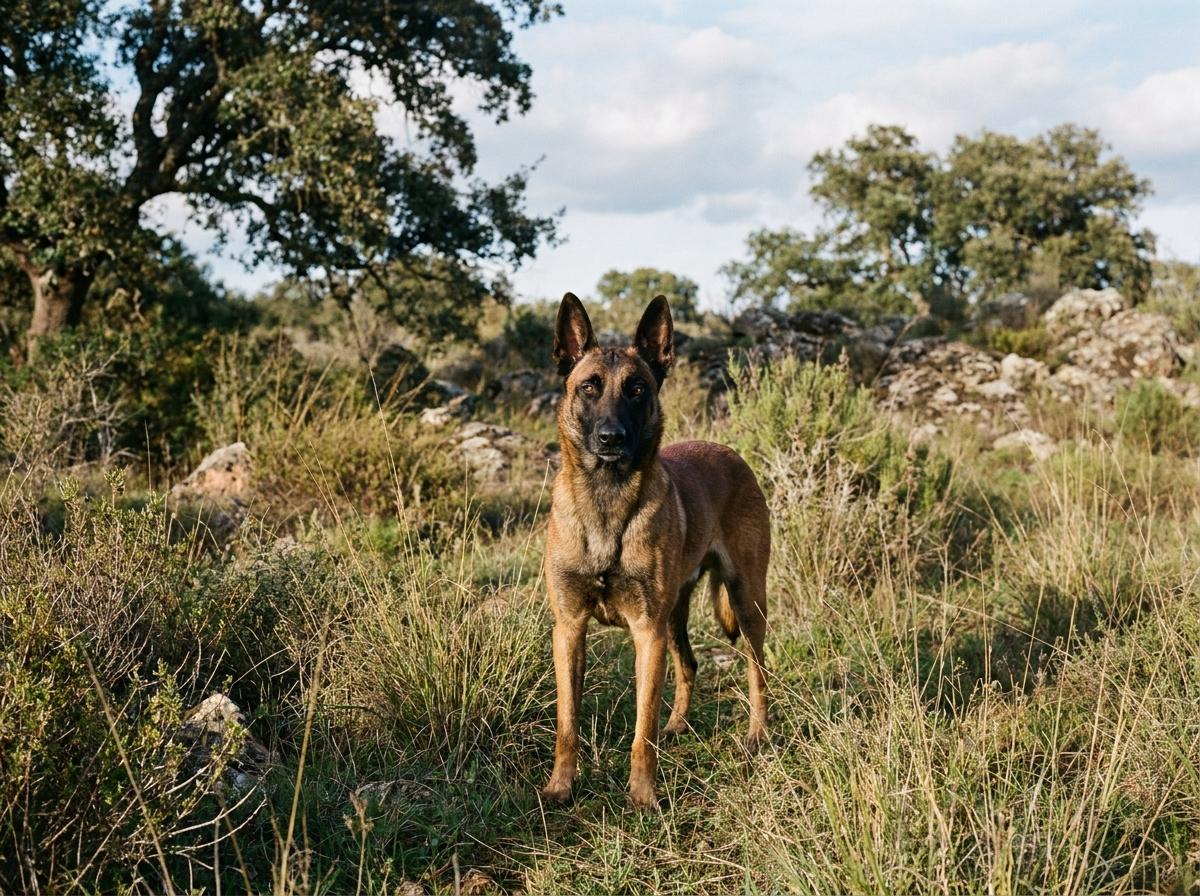
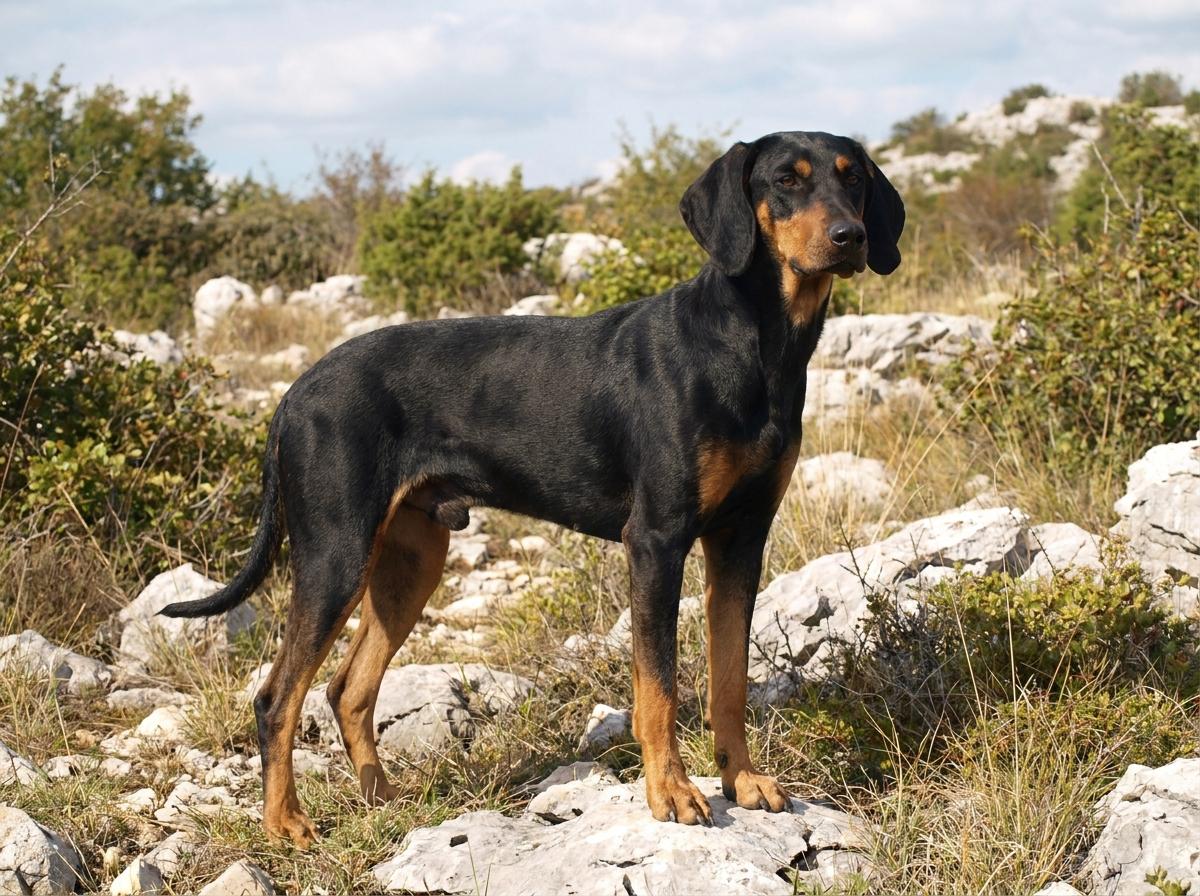
The Old Croatian Sighthound is a historical coursing-dog label associated with Croatia and the wider Balkan tradition of lean dogs used to pursue game by sight. It is not widely encountered as a living standardized breed today, and available references often treat it as extinct, extremely rare, or folded into regional sighthound history. The type would have emphasized speed, long legs, a deep chest, and keen vision rather than heavy bone or close handler control. Its value for modern readers lies mainly in understanding local hunting heritage.
Because the label is thinly documented, claims about exact appearance, colors, or unbroken pedigrees should be conservative. Anyone maintaining or reviving such a type would need clear records, functional selection, and honest separation between folklore and breeding evidence. Traditional care would have centered on conditioning, safe running ground, foot health, lean weight, and careful management around livestock or small animals. For historians, the Old Croatian Sighthound belongs beside other regional coursing dogs that were shaped by terrain, game, and rural practice long before modern registries organized dog breeds.
Colors: Albino, Apricot, Bicolor, Black, Black and Tan, Black and White, Black Mask, Blue, Blue and Tan, Blue Merle, Blue Roan, Blue Tick, Brindle, Brown, Brown and Tan, Brown and White, Chocolate, Cream, Dapple, Domino, Fawn, Fawn and White, Gold, Gray, Grey, Harlequin, Irish Marked, Leucistic, Liver, Liver Mask, Mantle, Mask, Melanistic, Merle, Mottled, Parti-Color, Piebald, Red, Red and White, Red Merle, Red Roan, Red Tick, Reverse Brindle, Roan, Sable, Saddle, Silver, Speckled, Spotted, Tan, Ticked, Tricolor, Tuxedo, White, Yellow