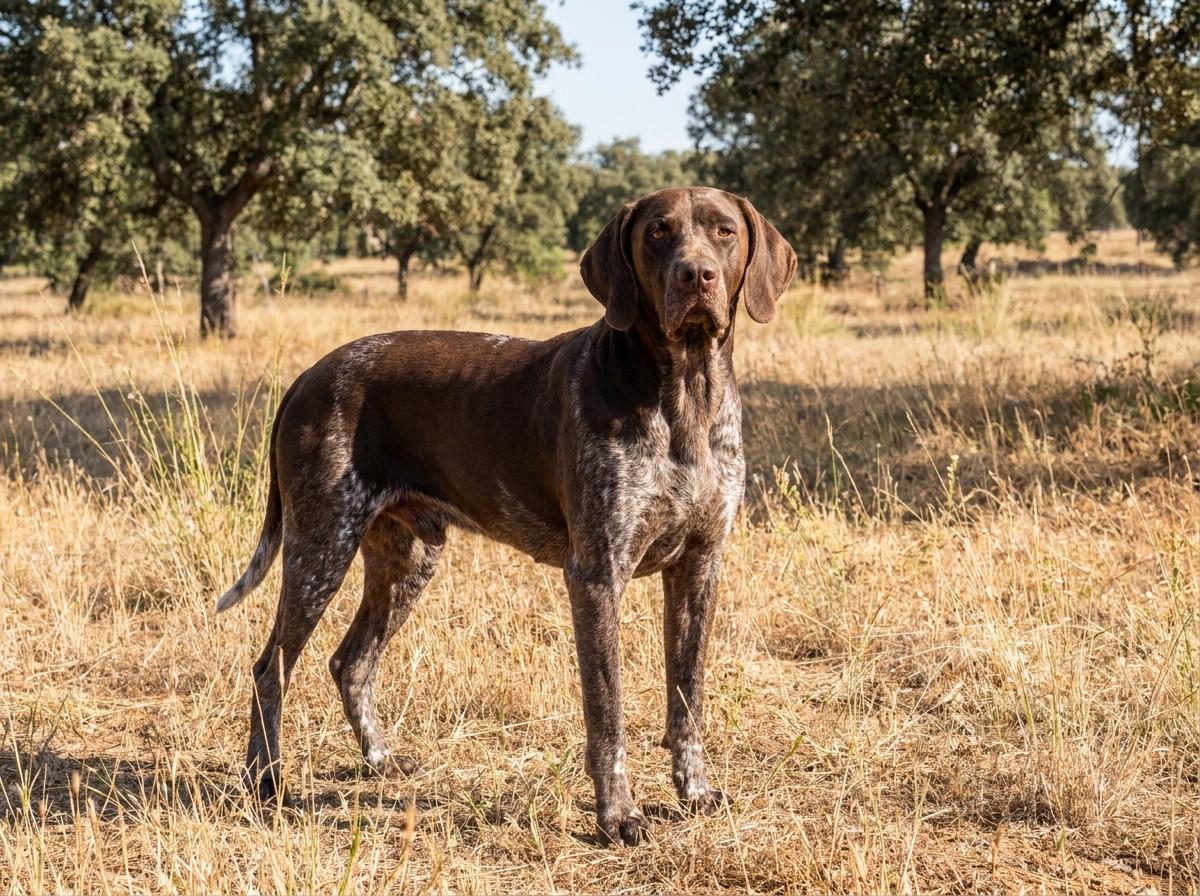
Old Spanish Pointer
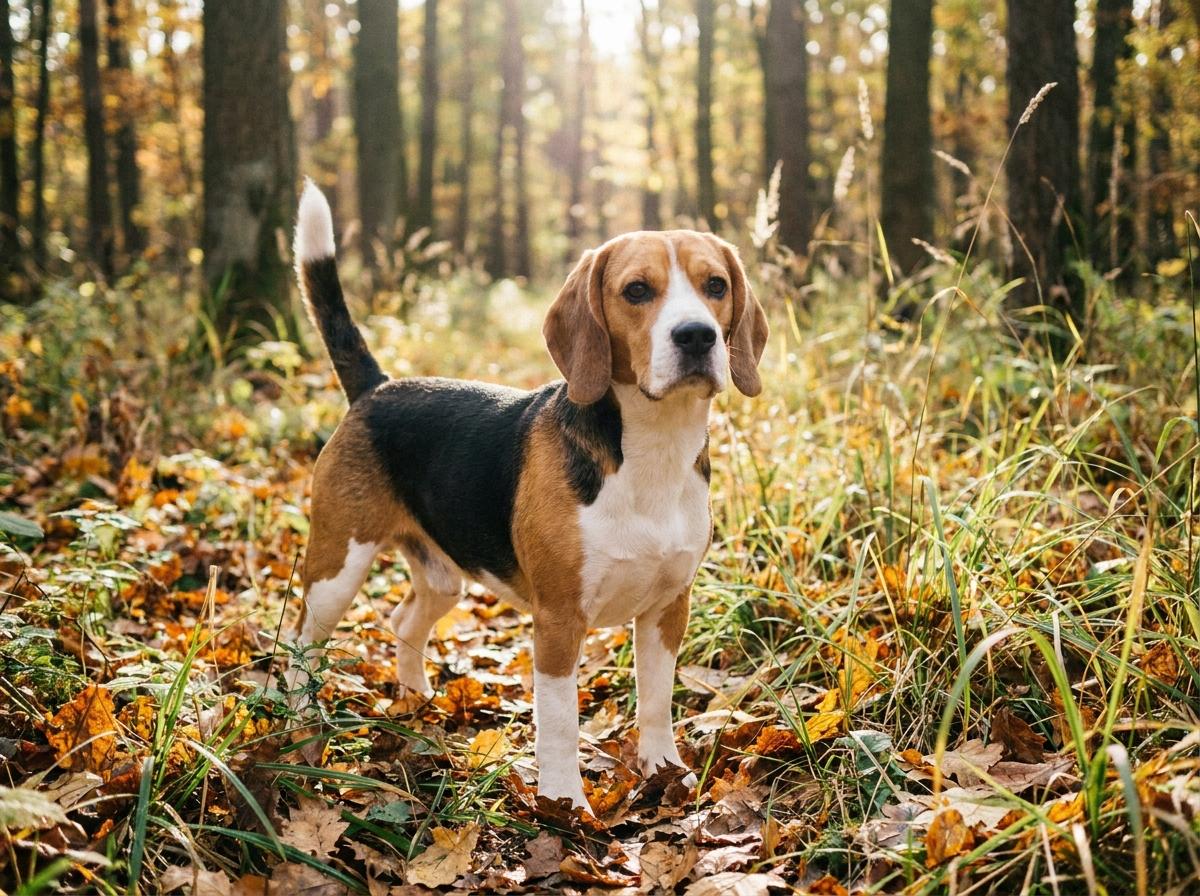
The Old Spanish Pointer is a historical Iberian pointing dog, often discussed as an ancestor or influence behind several European gundog breeds. It is usually described as powerful, heavy-headed, and deliberate, with a strong nose and a style suited to locating game before firearms and modern field-trial speed reshaped pointer preferences. The original form is generally considered extinct or absorbed into later Spanish and international pointing lines. The name is most useful in breed-history work rather than in current puppy listings.
Practical context centers on how early pointing dogs were used: finding birds, holding a point, and working closely enough for the hunter to act. Old Spanish Pointer references can help explain why some modern pointers carry heavier bone, broader heads, or particular hunting instincts in their background. Any breeder claiming a direct continuation should provide clear documentation, because regional names and revival projects can blur easily. For owners of modern descendants, the old type is a reminder that gundogs were selected for nose, cooperation, stamina, and field judgment before show standards fixed appearance.
Colors: Albino, Apricot, Bicolor, Black, Black and Tan, Black and White, Black Mask, Blue, Blue and Tan, Blue Merle, Blue Roan, Blue Tick, Brindle, Brown, Brown and Tan, Brown and White, Chocolate, Cream, Dapple, Domino, Fawn, Fawn and White, Gold, Gray, Grey, Harlequin, Irish Marked, Leucistic, Liver, Liver Mask, Mantle, Mask, Melanistic, Merle, Mottled, Parti-Color, Piebald, Red, Red and White, Red Merle, Red Roan, Red Tick, Reverse Brindle, Roan, Sable, Saddle, Silver, Speckled, Spotted, Tan, Ticked, Tricolor, Tuxedo, White, Yellow