

Polish Greyhound
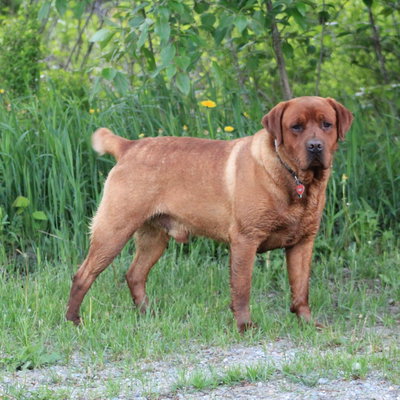
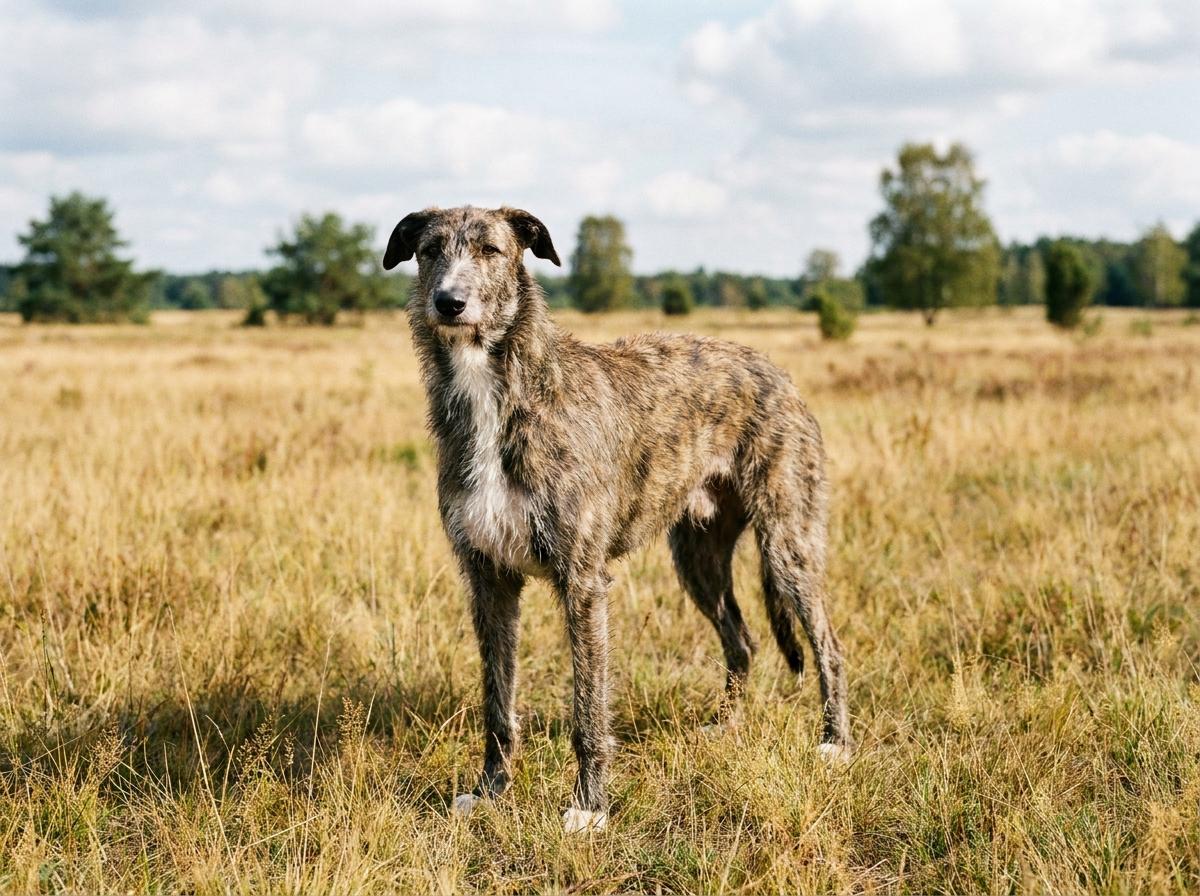
The Polish Greyhound, known in Poland as the Chart Polski, is a large sighthound with a more substantial build than the racing Greyhound. It was kept by Polish nobility and rural hunters for coursing hare, fox, roe deer, and, historically, larger quarry. A short coat, strong loin, deep chest, and alert, sometimes guarded expression give the breed a workmanlike look. Registry standards allow a wide range of colors, and the type is defined more by outline, power, and sight-driven pursuit than by a single coat pattern.
Life with a Polish Greyhound calls for secure fencing and disciplined leash habits, since a moving animal can trigger an immediate chase. Indoors many are calm and closely attached to their people, but they benefit from early socialization because the breed can be reserved with strangers and assertive with other dogs. Exercise is best split between controlled sprints and ordinary walks; free running belongs in enclosed places, and live-game coursing is regulated or banned in many regions. Coat care is light, while responsible breeders pay attention to cardiac, eye, and orthopedic soundness.
Colors: Albino, Apricot, Bicolor, Black, Black and Tan, Black and White, Black Mask, Blue, Blue and Tan, Blue Merle, Blue Roan, Blue Tick, Brindle, Brown, Brown and Tan, Brown and White, Chocolate, Cream, Dapple, Domino, Fawn, Fawn and White, Gold, Gray, Grey, Harlequin, Irish Marked, Leucistic, Liver, Liver Mask, Mantle, Mask, Melanistic, Merle, Mottled, Parti-Color, Piebald, Red, Red and White, Red Merle, Red Roan, Red Tick, Reverse Brindle, Roan, Sable, Saddle, Silver, Speckled, Spotted, Tan, Ticked, Tricolor, Tuxedo, White, Yellow