Sapsali
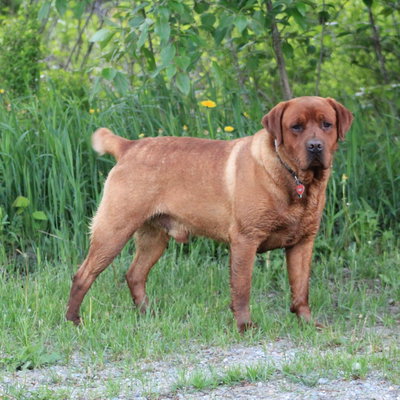
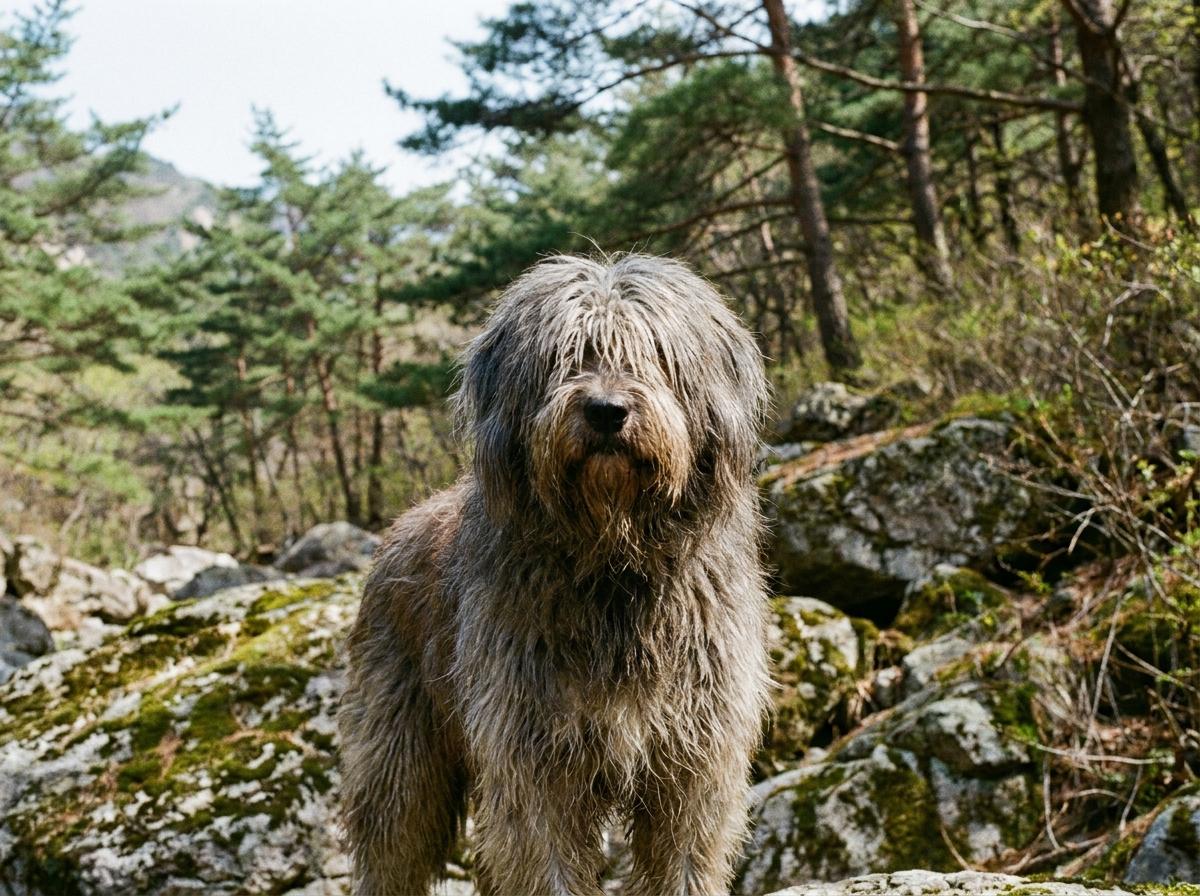
The Sapsali, also spelled Sapsaree or Sapsal Gae, is a native Korean dog with a heavy shaggy coat and a place in Korean household folklore. Traditionally kept as a village and family guardian, it was said to drive away misfortune, and later became a cultural symbol as numbers declined during the twentieth century. The breed is medium sized and sturdy, with hair that may fall over the eyes and colors that include black, brown, yellow, gray, and mixed shades. Preservation work in Korea helped rebuild the population, and the Sapsali is recognized as a Korean Natural Monument.
Most Sapsalis today are companions, but they still need steady socialization, regular walks, and clear household rules. The coat mats if ignored, so brushing down to the skin and keeping ears, feet, and skin folds clean matter more than trimming for style. Because the breed is uncommon outside Korea and passed through population bottlenecks, buyers should ask about health screening, pedigree documentation, and the temperament of close relatives. A well-raised Sapsali is typically close with its family and watchful with strangers without needing harsh handling.
Colors: Albino, Apricot, Bicolor, Black, Black and Tan, Black and White, Black Mask, Blue, Blue and Tan, Blue Merle, Blue Roan, Blue Tick, Brindle, Brown, Brown and Tan, Brown and White, Chocolate, Cream, Dapple, Domino, Fawn, Fawn and White, Gold, Gray, Grey, Harlequin, Irish Marked, Leucistic, Liver, Liver Mask, Mantle, Mask, Melanistic, Merle, Mottled, Parti-Color, Piebald, Red, Red and White, Red Merle, Red Roan, Red Tick, Reverse Brindle, Roan, Sable, Saddle, Silver, Speckled, Spotted, Tan, Ticked, Tricolor, Tuxedo, White, Yellow