


Sleuth Hound
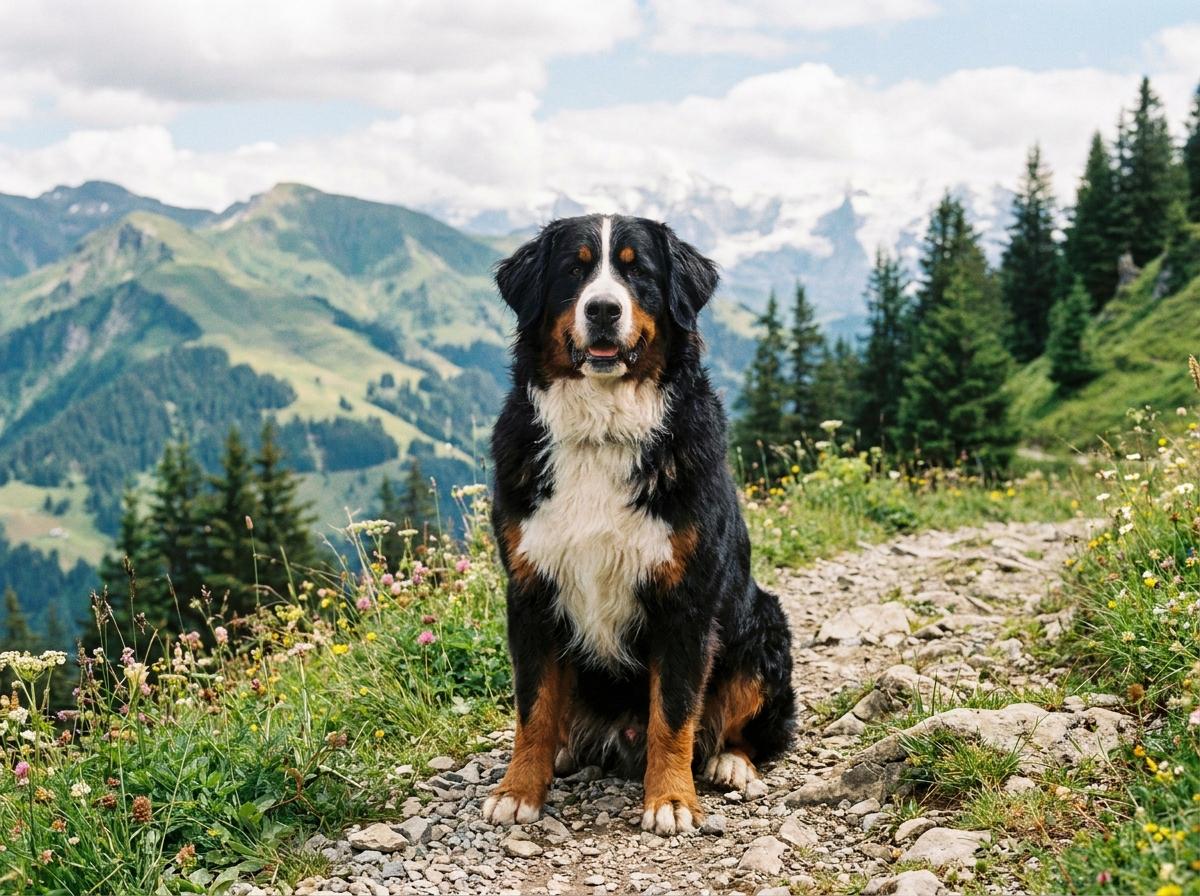
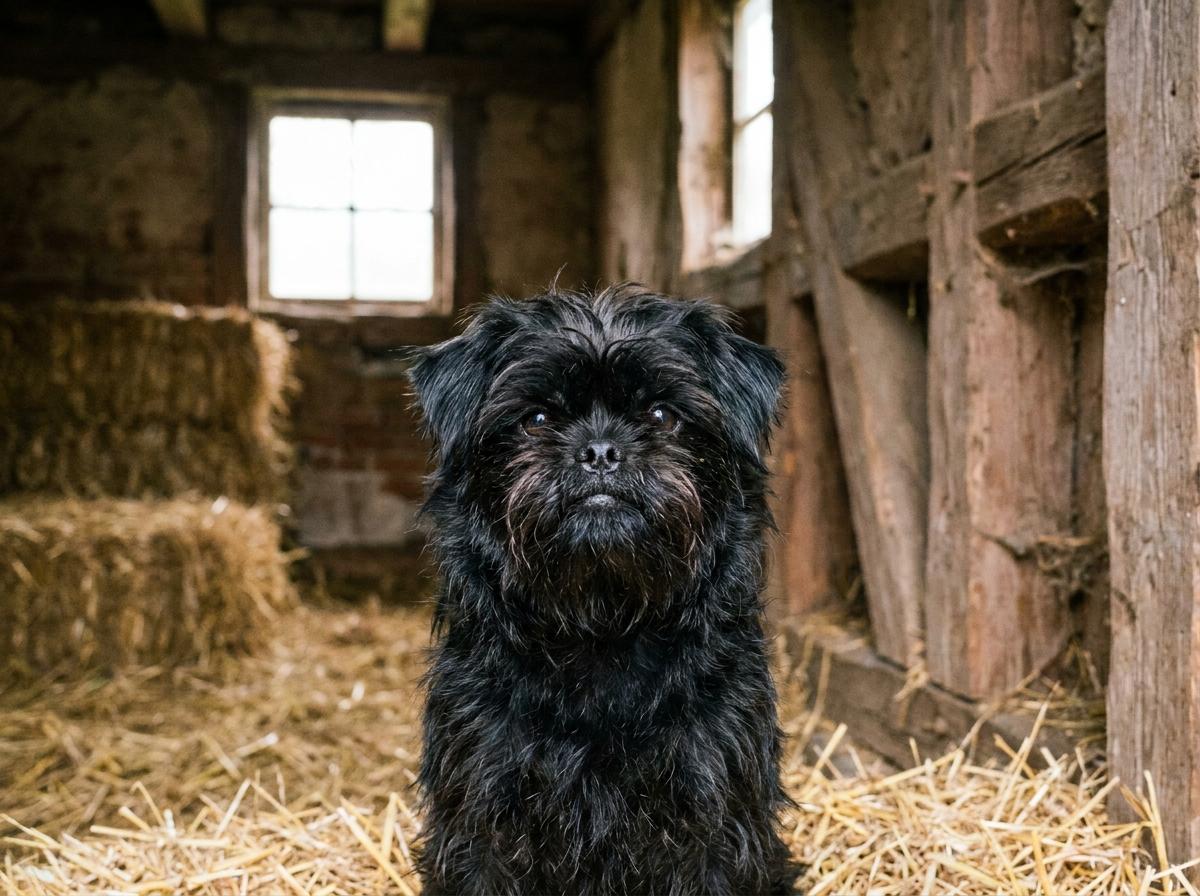
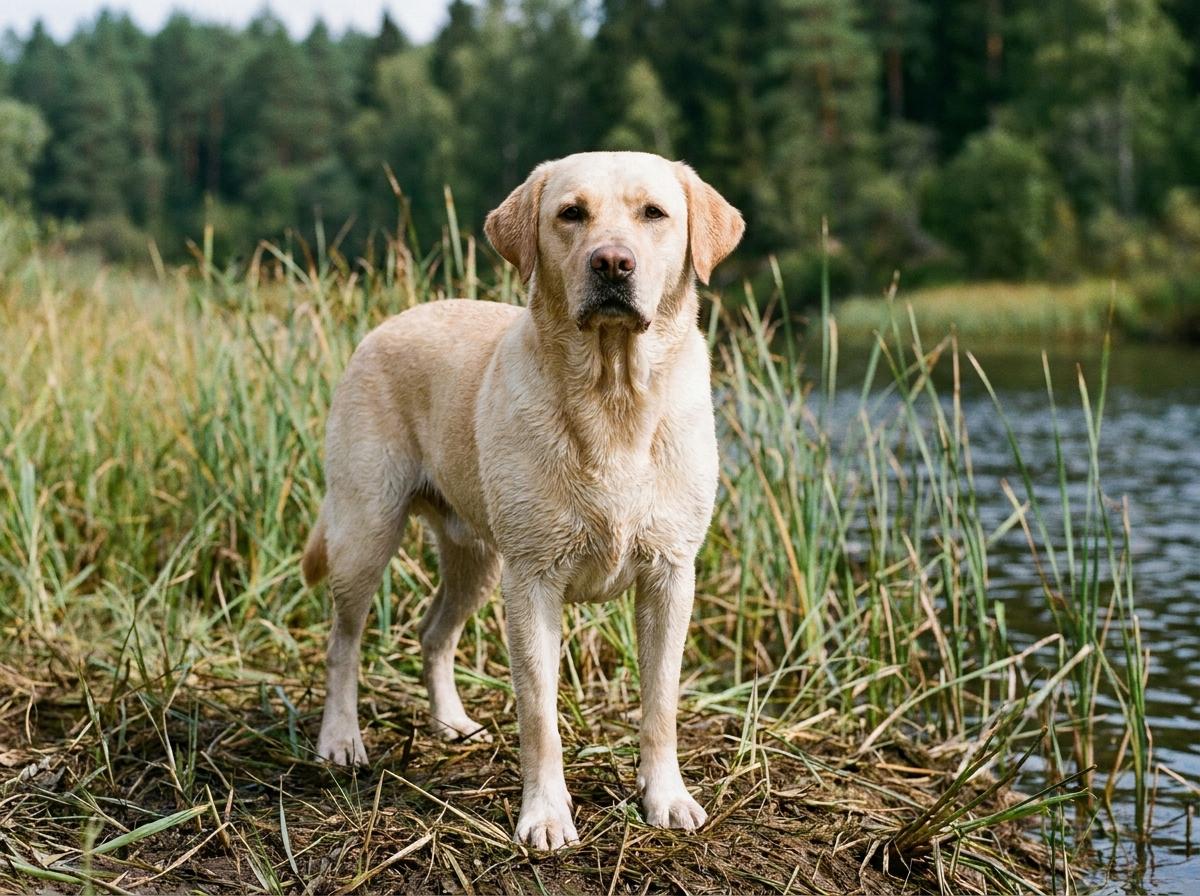
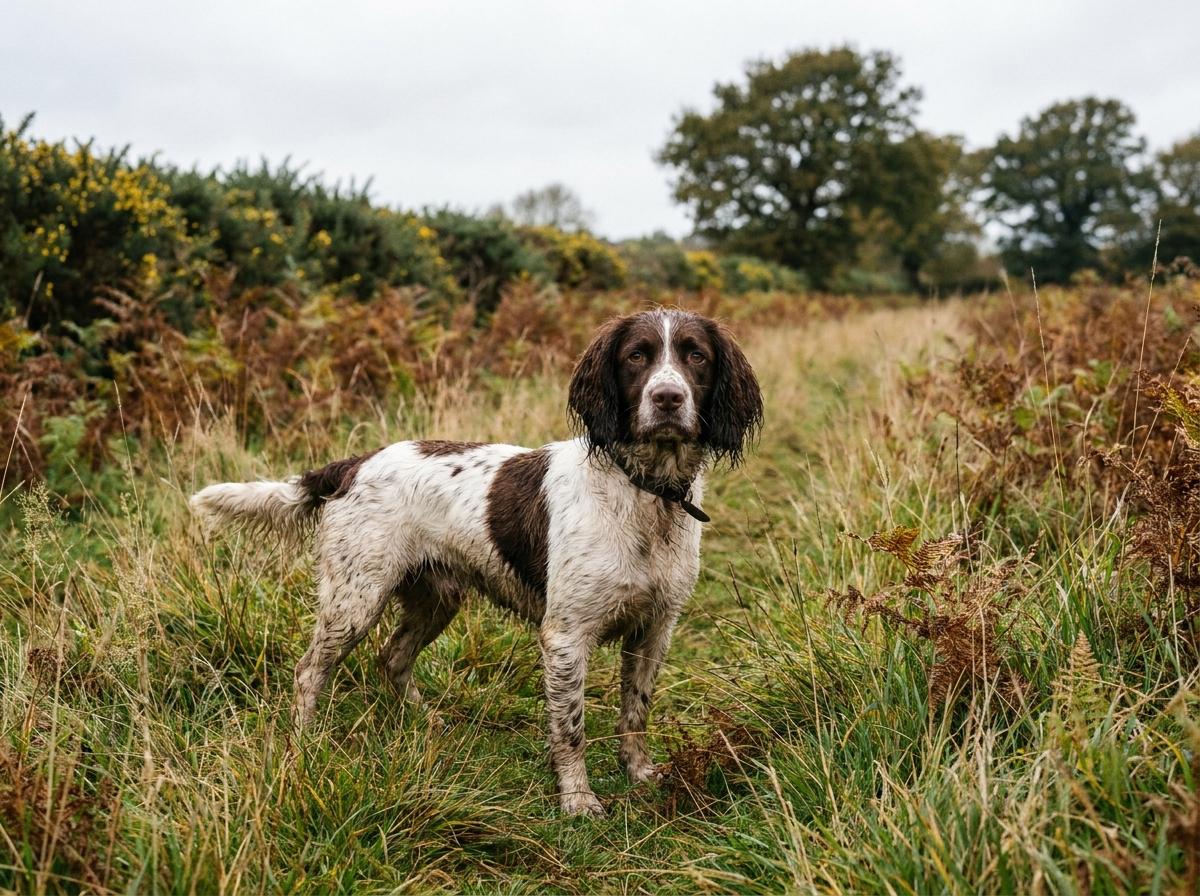
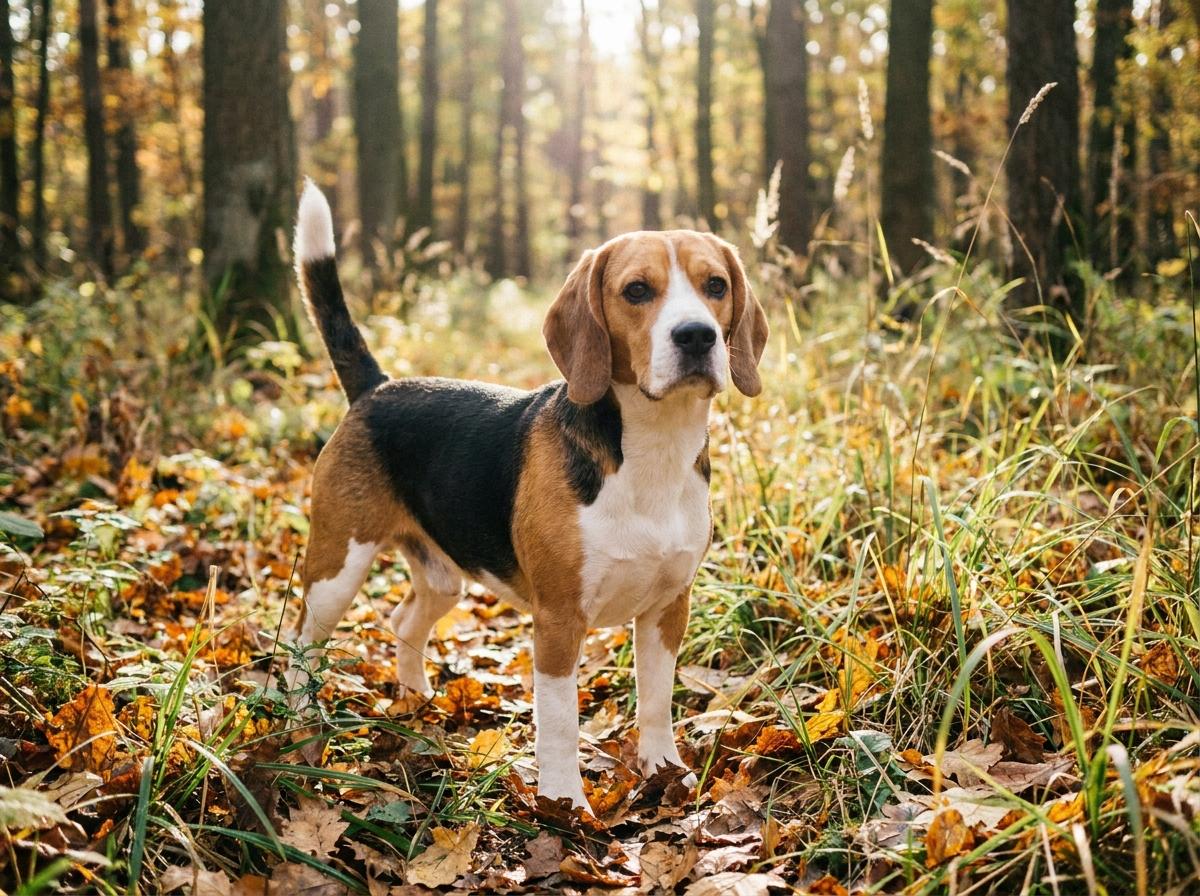
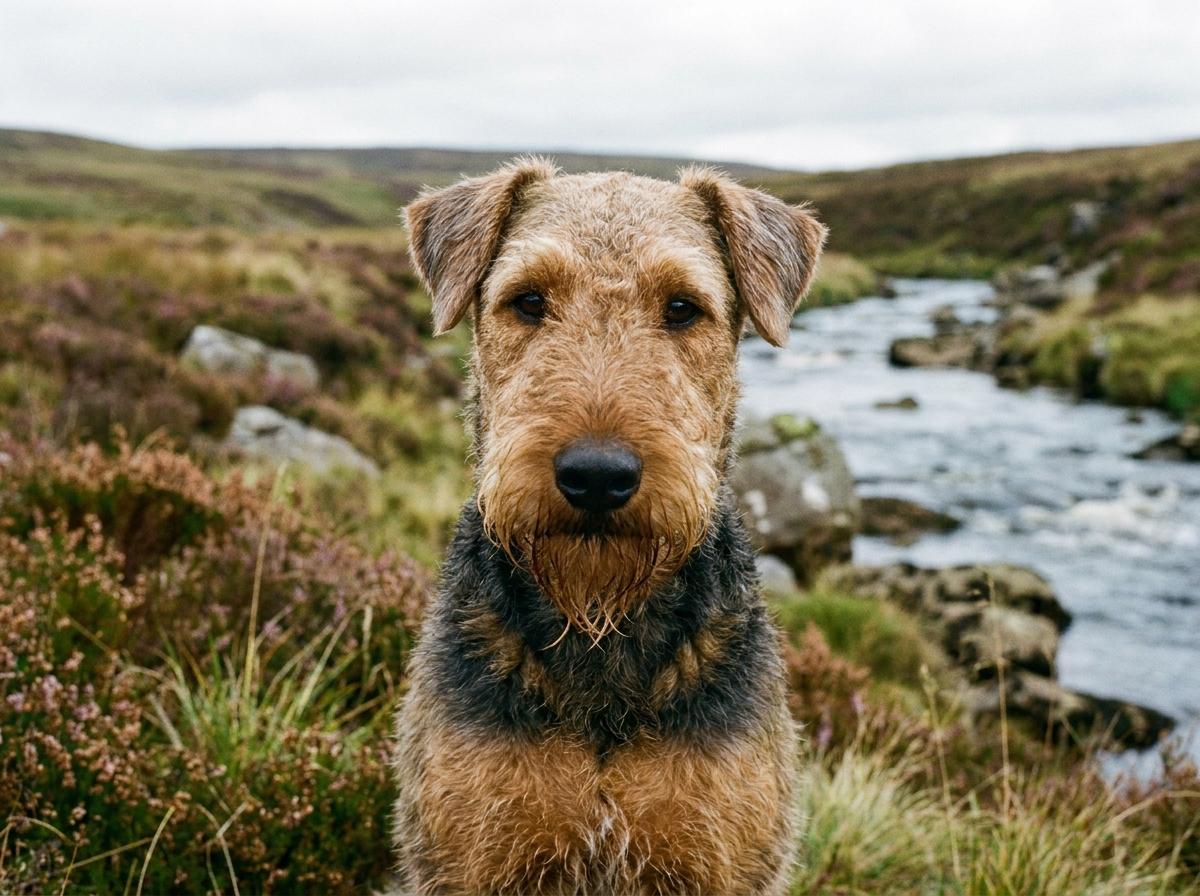
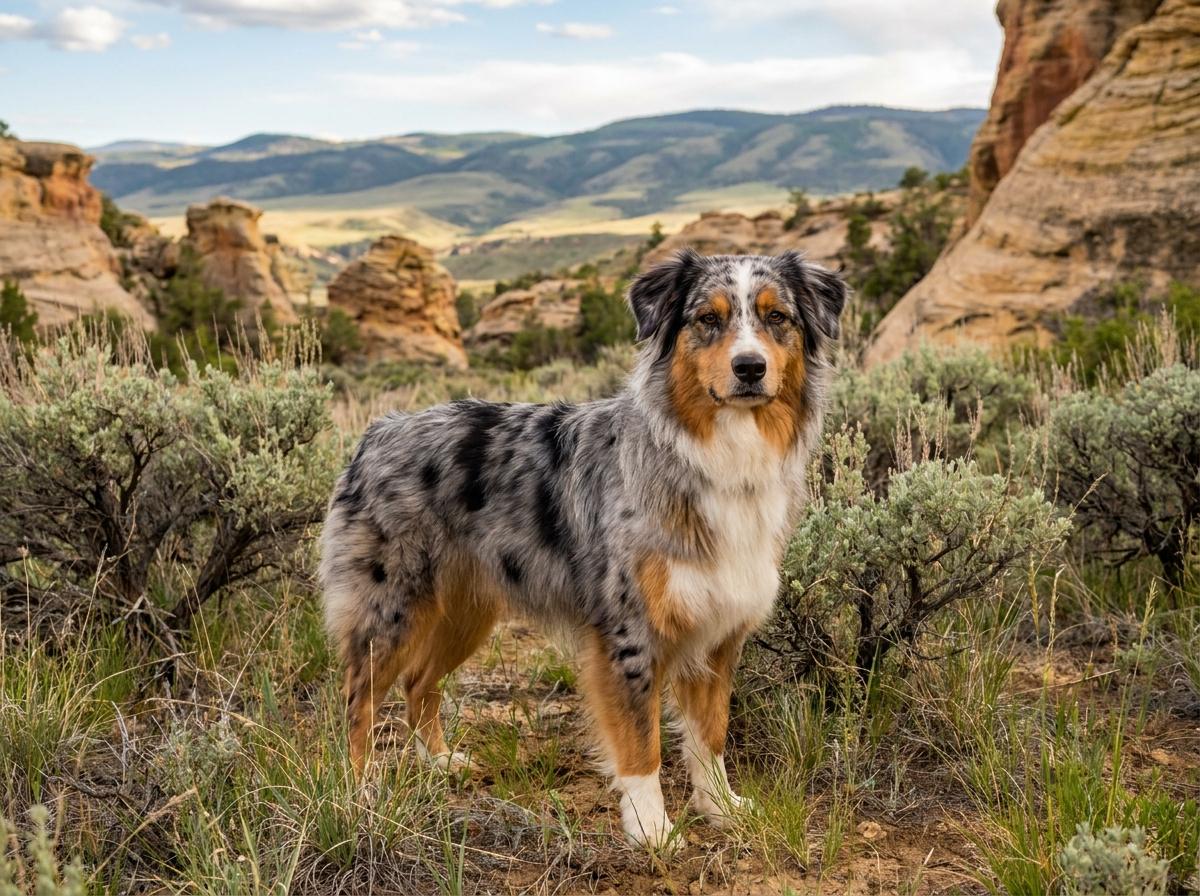
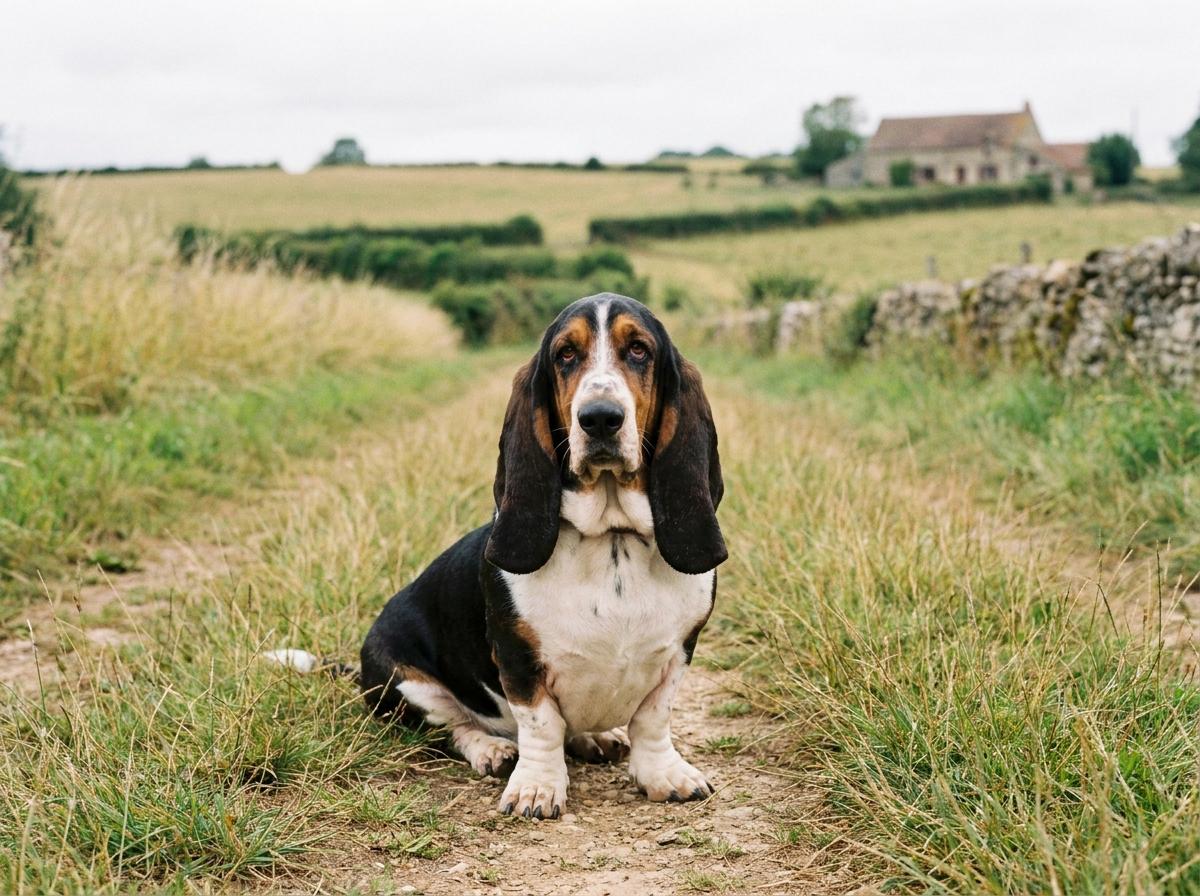
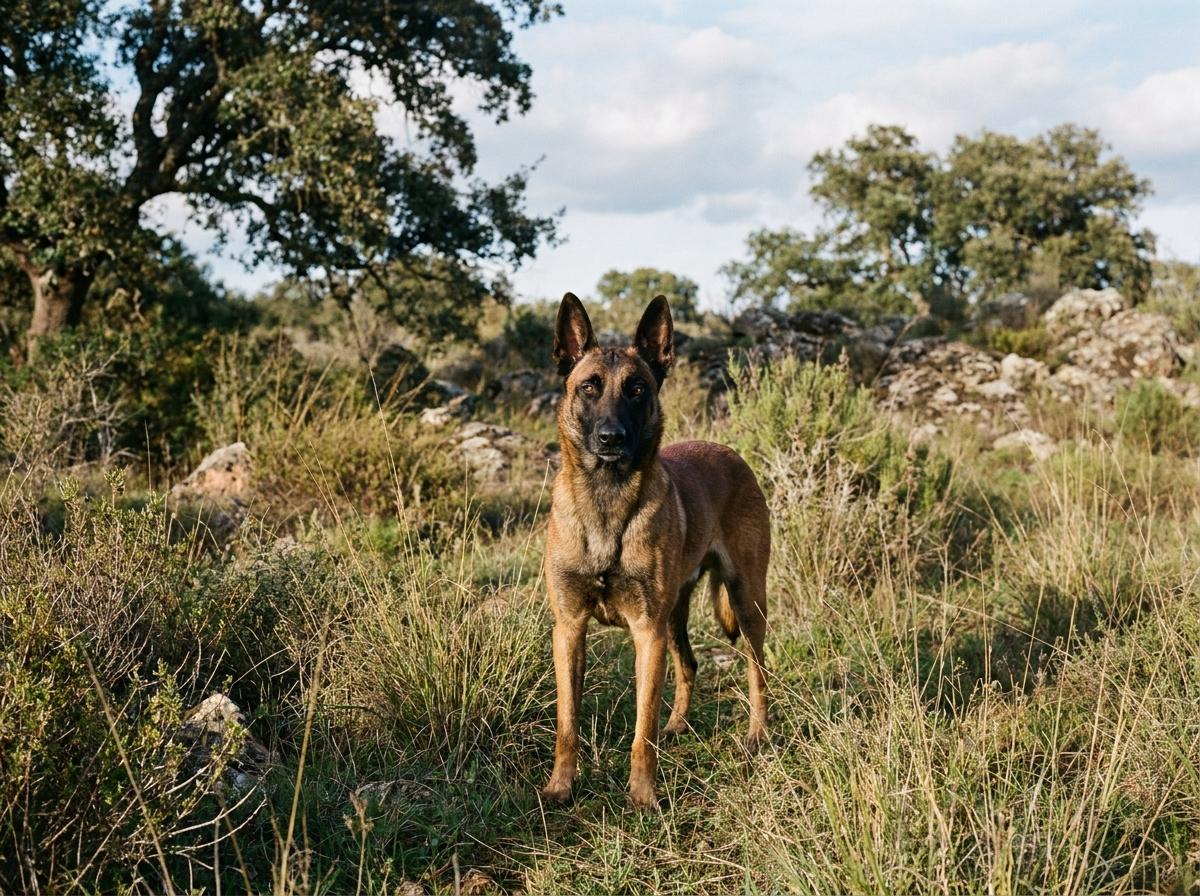
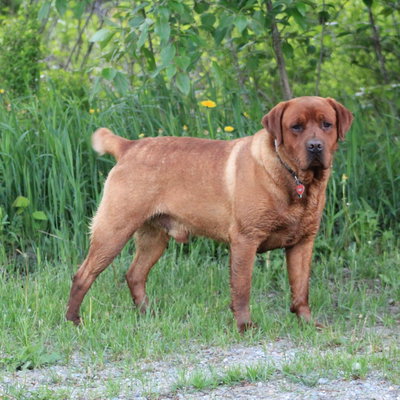
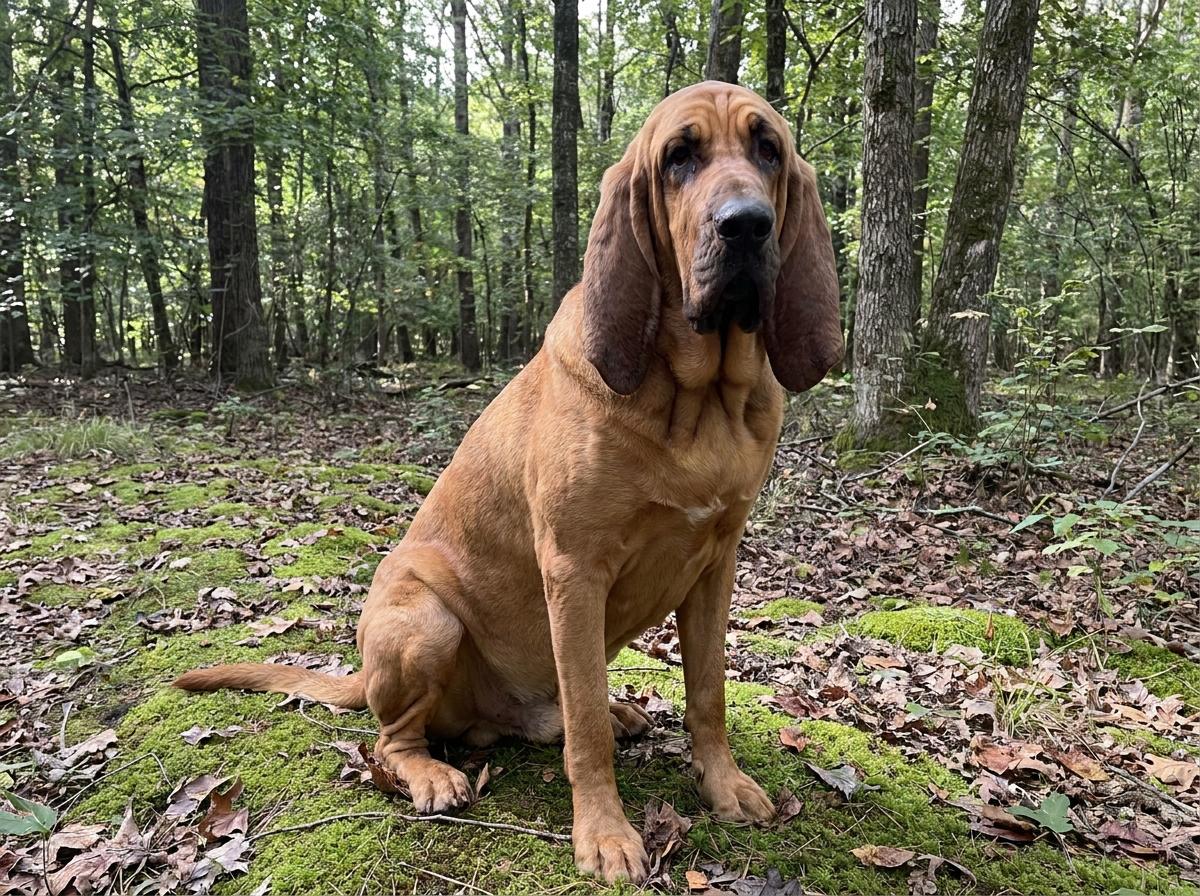
The term sleuth hound is best understood as a historical name for a trailing scent hound, not a clearly separated modern breed. In British and Scottish writing it was used for dogs that followed a sleuth, meaning a track, especially bloodhound-like animals used to trail people, deer, or livestock thieves. The image is of a substantial, steady hound with a strong nose, loose skin, long ears, and enough voice to work a line at a deliberate pace.
People using the term today are usually researching bloodhounds, mantrailing dogs, or old scent-hound types. Practical keeping centers on nose work and handler control rather than speed: secure fencing, patient leash or long-line training, and early socialization matter more than formal obedience polish. Heavy scent hounds can drool, bay, and ignore recall when odor is fresh, so buyers should look for sound structure, stable temperament, and health-tested lines if choosing a modern equivalent.
Colors: Albino, Apricot, Bicolor, Black, Black and Tan, Black and White, Black Mask, Blue, Blue and Tan, Blue Merle, Blue Roan, Blue Tick, Brindle, Brown, Brown and Tan, Brown and White, Chocolate, Cream, Dapple, Domino, Fawn, Fawn and White, Gold, Gray, Grey, Harlequin, Irish Marked, Leucistic, Liver, Liver Mask, Mantle, Mask, Melanistic, Merle, Mottled, Parti-Color, Piebald, Red, Red and White, Red Merle, Red Roan, Red Tick, Reverse Brindle, Roan, Sable, Saddle, Silver, Speckled, Spotted, Tan, Ticked, Tricolor, Tuxedo, White, Yellow