

St. John's Water Dog
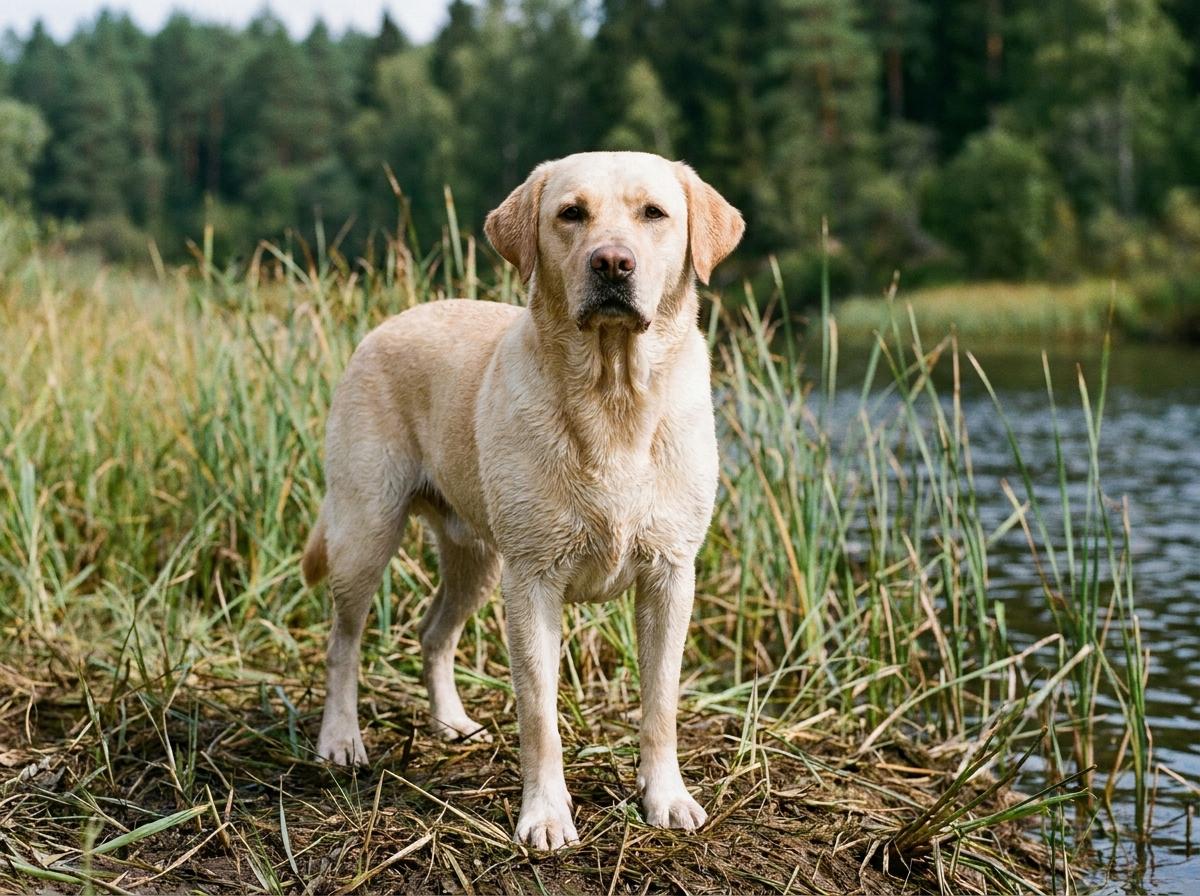
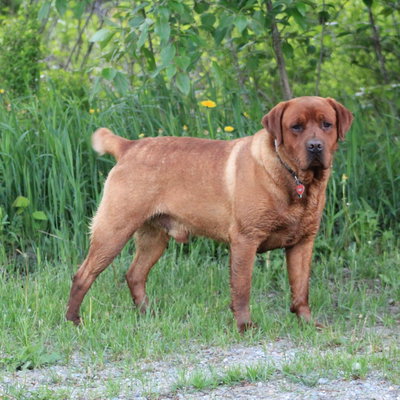
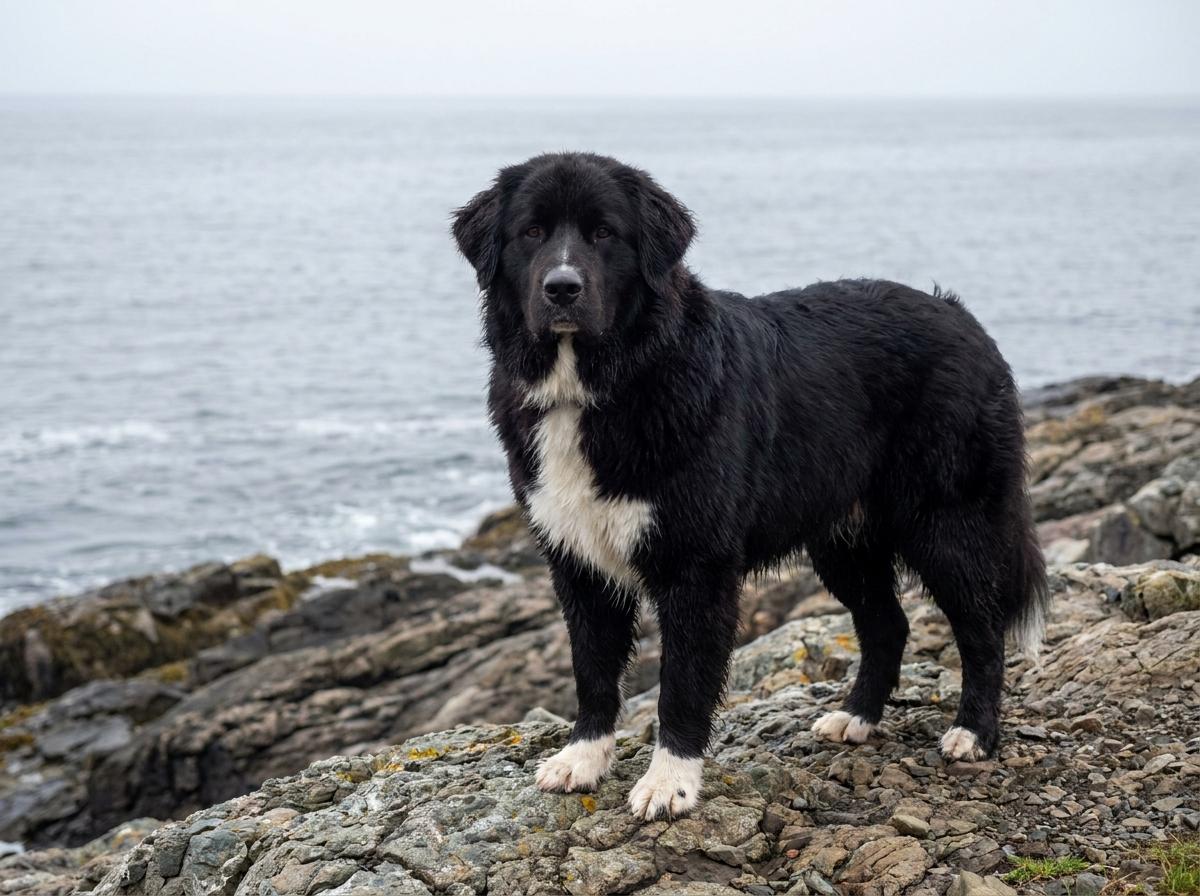
The Saint John's water dog, also called the lesser Newfoundland, was a working landrace from Newfoundland and Labrador rather than a kennel-club breed in the modern sense. Fishermen kept these compact, strong swimming dogs to haul lines, retrieve fish and gear, and work from small boats in cold water. Most historical accounts describe a short, dense black coat with white markings on the chest, muzzle, feet, or tail tip, a pattern still associated with some retriever families. The landrace became an important ancestor of the Labrador Retriever and influenced several other British retrieving breeds.
No true Saint John's water dogs are believed to survive, so the name should be treated as history, not as a breed available from legitimate breeders. Its decline was tied to changes in Newfoundland dog laws, exports, and quarantine rules that narrowed breeding numbers during the nineteenth and twentieth centuries. People researching the type often use it to understand why Labradors and related retrievers have water-resistant coats, strong retrieving desire, and close working habits around people. Anyone advertising a living Saint John's water dog is likely referring to a lookalike, a retriever cross, or a historical marketing label.
Colors: Albino, Apricot, Bicolor, Black, Black and Tan, Black and White, Black Mask, Blue, Blue and Tan, Blue Merle, Blue Roan, Blue Tick, Brindle, Brown, Brown and Tan, Brown and White, Chocolate, Cream, Dapple, Domino, Fawn, Fawn and White, Gold, Gray, Grey, Harlequin, Irish Marked, Leucistic, Liver, Liver Mask, Mantle, Mask, Melanistic, Merle, Mottled, Parti-Color, Piebald, Red, Red and White, Red Merle, Red Roan, Red Tick, Reverse Brindle, Roan, Sable, Saddle, Silver, Speckled, Spotted, Tan, Ticked, Tricolor, Tuxedo, White, Yellow