



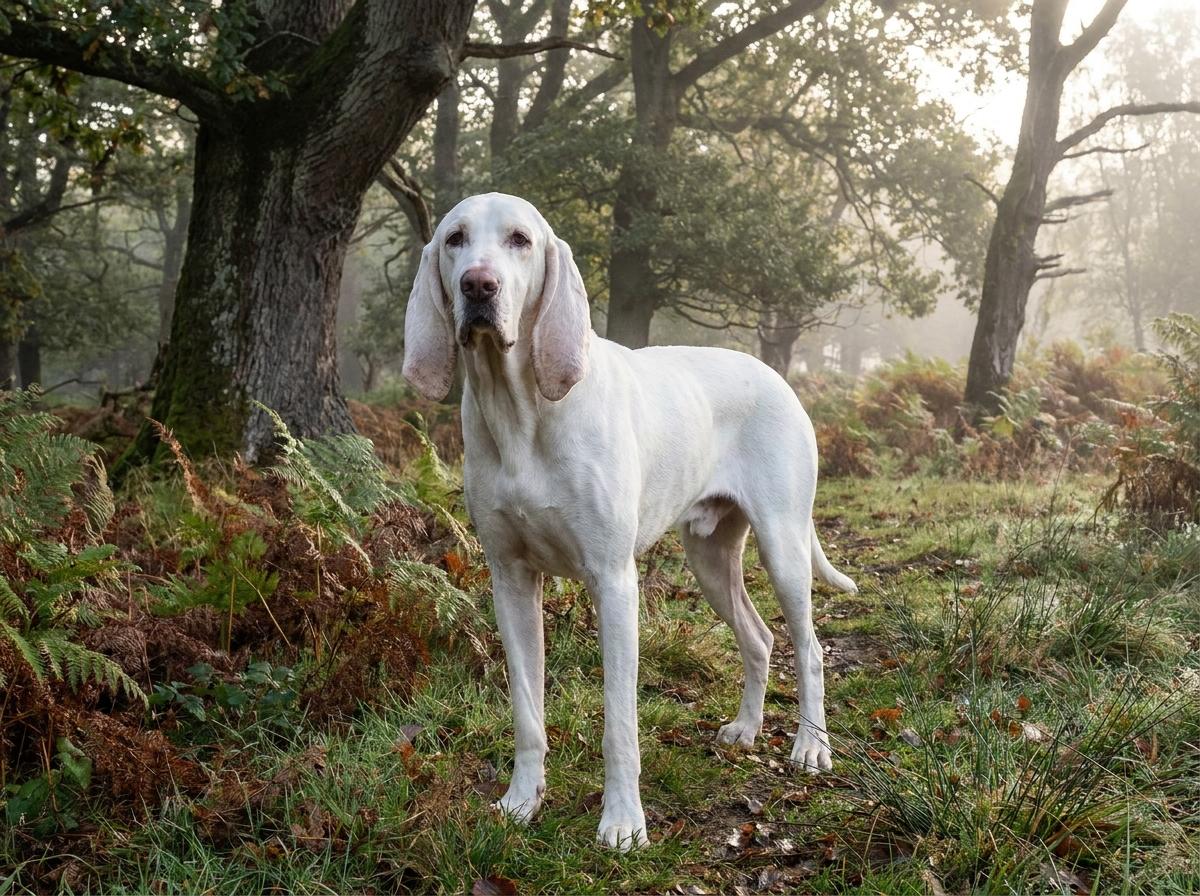
Talbot
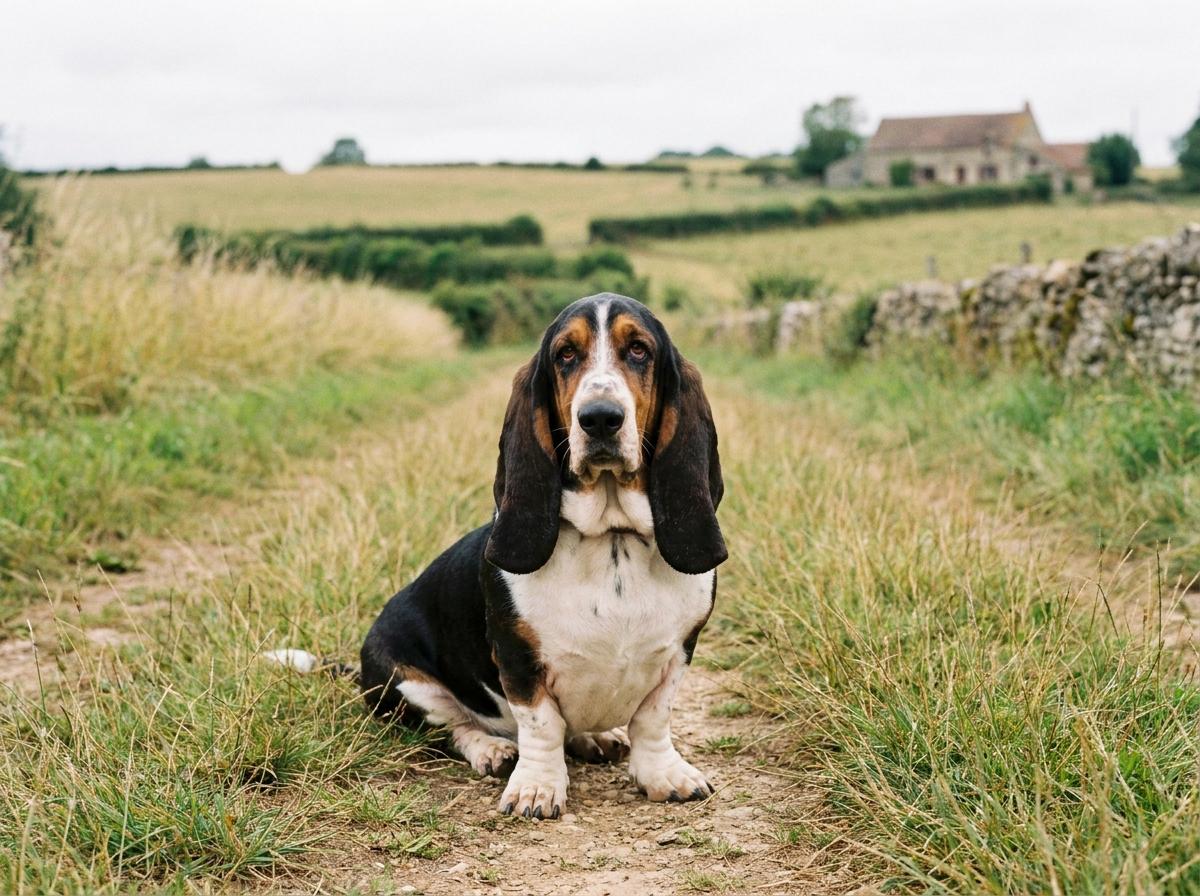
Medieval and early modern sources use Talbot for a heavy white scent hound once recorded in England and parts of western Europe. It appears in heraldry, inn signs, and hunting references more often than in detailed breed records, so its exact form is partly reconstructed from art and description. The Talbot is usually portrayed as a slow, deep-nosed tracking hound with drop ears and a solid body, and it may have contributed to later English hound types.
There is no living Talbot breed with continuous pedigree descent. Modern dogs or kennel projects using the name are recreations or tributes, not preserved medieval hounds. For researchers, the Talbot is most useful as a window into pre-modern hunting, aristocratic kennels, and the way dog types were named before closed registries. Anyone seeking a comparable living dog would be better served by established scent hounds chosen for temperament, health, and working style rather than by a claim of revived Talbot blood.
Colors: Albino, Apricot, Bicolor, Black, Black and Tan, Black and White, Black Mask, Blue, Blue and Tan, Blue Merle, Blue Roan, Blue Tick, Brindle, Brown, Brown and Tan, Brown and White, Chocolate, Cream, Dapple, Domino, Fawn, Fawn and White, Gold, Gray, Grey, Harlequin, Irish Marked, Leucistic, Liver, Liver Mask, Mantle, Mask, Melanistic, Merle, Mottled, Parti-Color, Piebald, Red, Red and White, Red Merle, Red Roan, Red Tick, Reverse Brindle, Roan, Sable, Saddle, Silver, Speckled, Spotted, Tan, Ticked, Tricolor, Tuxedo, White, Yellow