

Tamaskan Dog
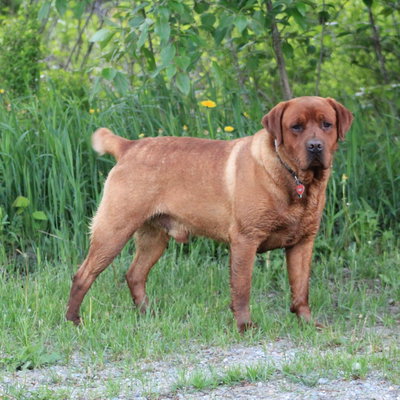
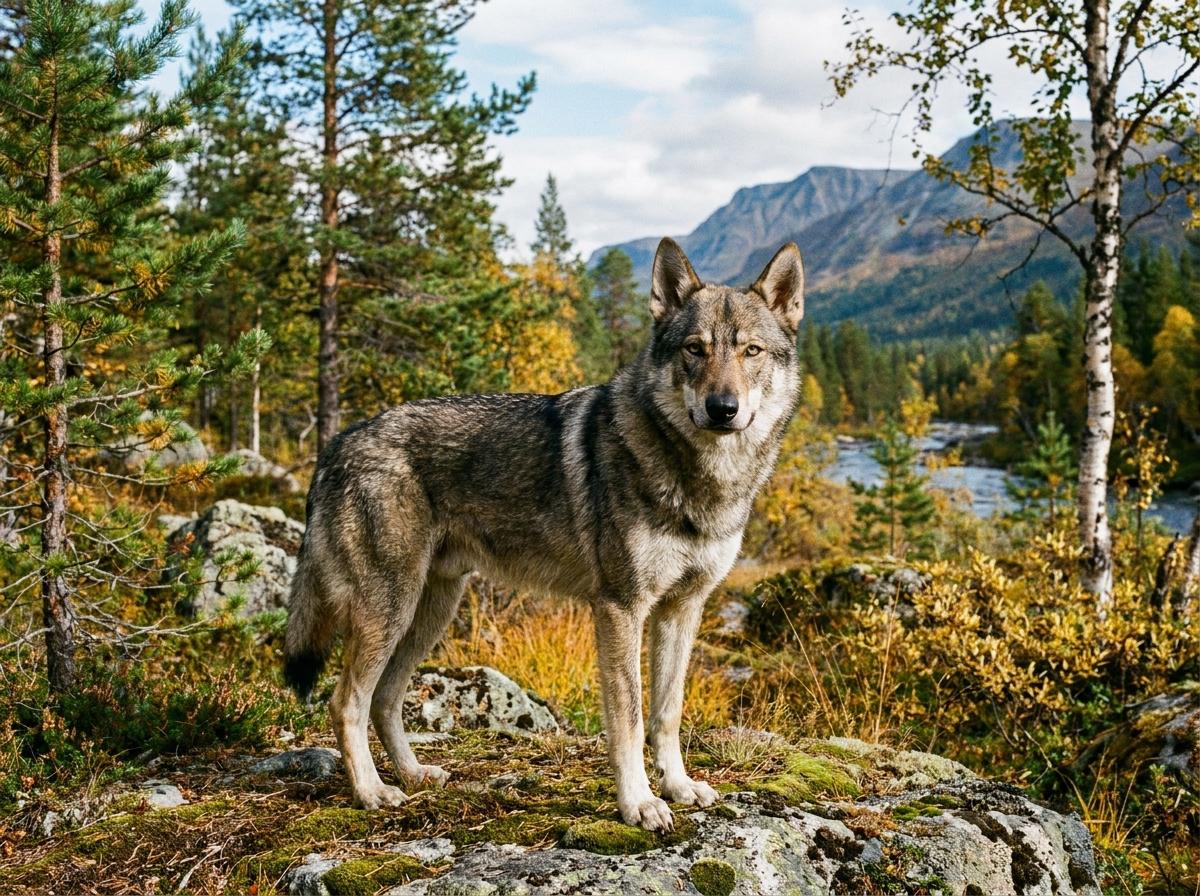
Created as a modern wolf-look domestic dog, the Tamaskan developed from northern and shepherd-type breeds such as Siberian husky, Alaskan malamute, German shepherd, and related outcrosses in some lines. Development took place through breed clubs and independent registries rather than broad kennel-club recognition. A typical Tamaskan is medium to large, athletic, and double coated, with a gray, red-gray, or black-gray coat, pale facial markings, almond eyes, and a level-backed, wolfish outline without being a wild canid.
Tamaskans usually suit active households that can provide running, training, and companionship; many are too energetic and social to be left alone all day in a yard. Their thick coat sheds heavily, especially seasonally, and hot climates require shade, water, and moderated exercise. Since recognition and ancestry vary among registries, buyers should verify papers, health testing, and temperament history instead of relying on appearance. Hip and elbow evaluation, eye checks, and DNA testing for known issues such as degenerative myelopathy are common points to discuss.
Colors: Albino, Apricot, Bicolor, Black, Black and Tan, Black and White, Black Mask, Blue, Blue and Tan, Blue Merle, Blue Roan, Blue Tick, Brindle, Brown, Brown and Tan, Brown and White, Chocolate, Cream, Dapple, Domino, Fawn, Fawn and White, Gold, Gray, Grey, Harlequin, Irish Marked, Leucistic, Liver, Liver Mask, Mantle, Mask, Melanistic, Merle, Mottled, Parti-Color, Piebald, Red, Red and White, Red Merle, Red Roan, Red Tick, Reverse Brindle, Roan, Sable, Saddle, Silver, Speckled, Spotted, Tan, Ticked, Tricolor, Tuxedo, White, Yellow