


Tesem
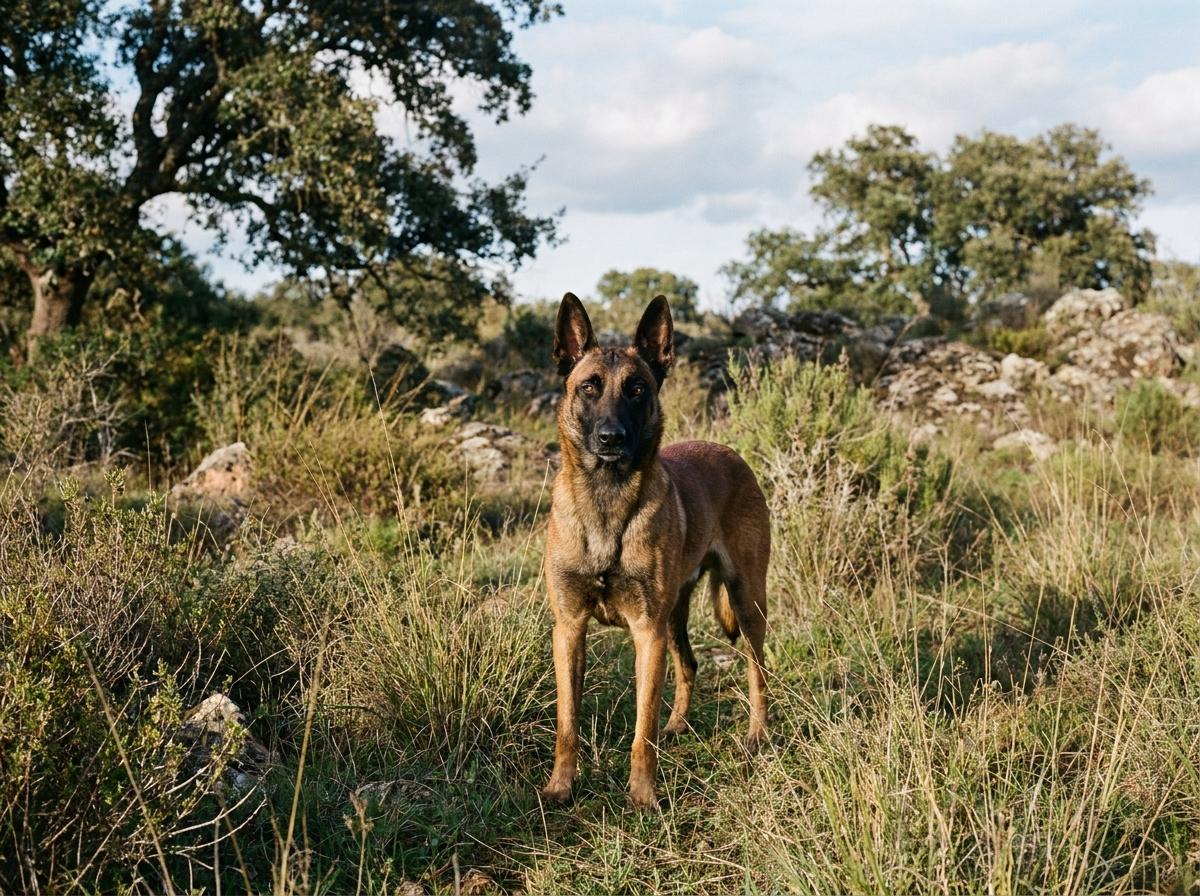
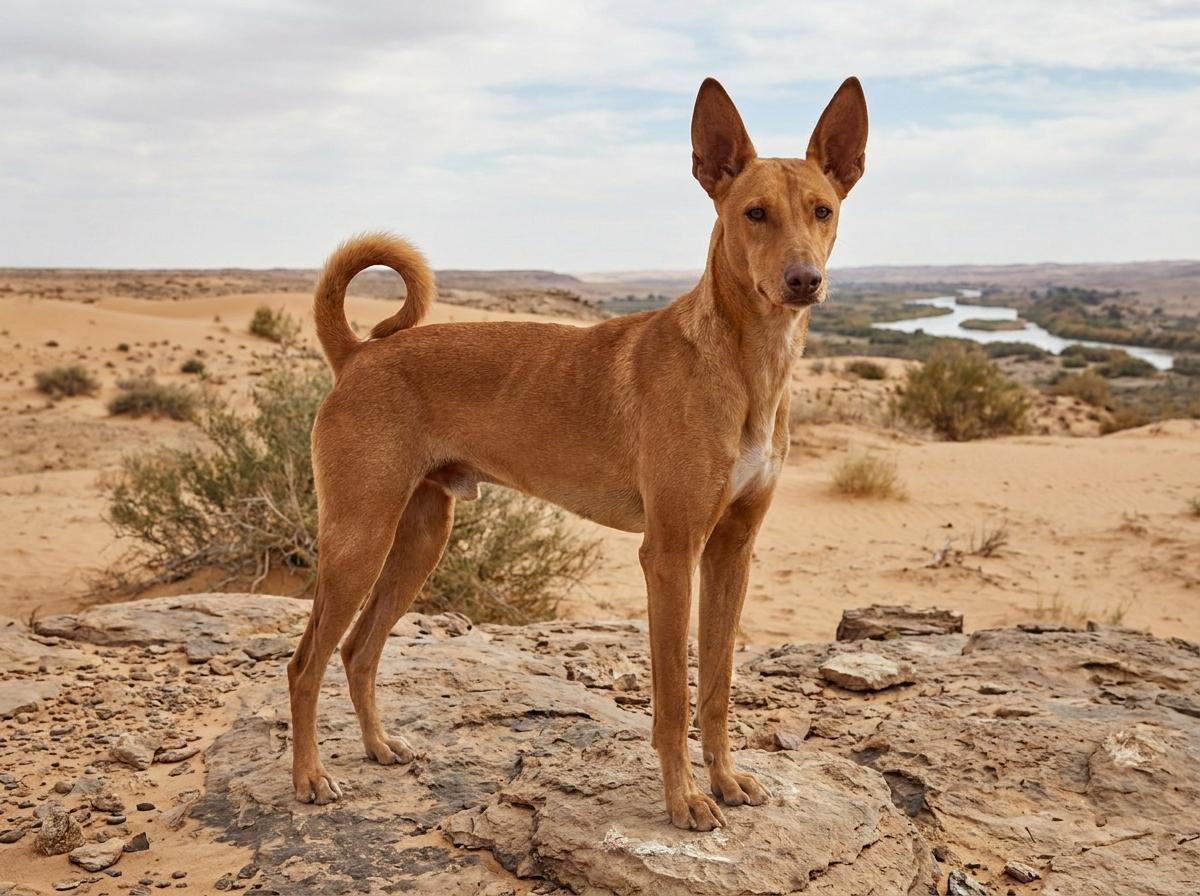
Tesem is an ancient Egyptian term applied to slim dogs shown in tomb art, reliefs, and written sources, rather than a modern dog breed with a closed studbook. Depictions often show long-legged hounds with erect ears, tucked waists, curled or sickle tails, and collars, suggesting dogs used for hunting, guarding, and elite display. The type is sometimes compared with pariah dogs, sighthounds, Basenjis, and Mediterranean hounds, but direct ancestry cannot be proved from images alone.
There are no pure Tesem dogs to buy or breed today. The name is most useful in archaeology, museum interpretation, and discussions of how early domestic dogs were managed in North Africa. Modern breeders who invoke Tesem history should avoid presenting resemblance as pedigree evidence. For researchers and educators, the value lies in combining art, texts, skeletal remains, and genetics to understand ancient dog roles without forcing them into present-day kennel categories.
Colors: Albino, Apricot, Bicolor, Black, Black and Tan, Black and White, Black Mask, Blue, Blue and Tan, Blue Merle, Blue Roan, Blue Tick, Brindle, Brown, Brown and Tan, Brown and White, Chocolate, Cream, Dapple, Domino, Fawn, Fawn and White, Gold, Gray, Grey, Harlequin, Irish Marked, Leucistic, Liver, Liver Mask, Mantle, Mask, Melanistic, Merle, Mottled, Parti-Color, Piebald, Red, Red and White, Red Merle, Red Roan, Red Tick, Reverse Brindle, Roan, Sable, Saddle, Silver, Speckled, Spotted, Tan, Ticked, Tricolor, Tuxedo, White, Yellow