

West Country Harrier
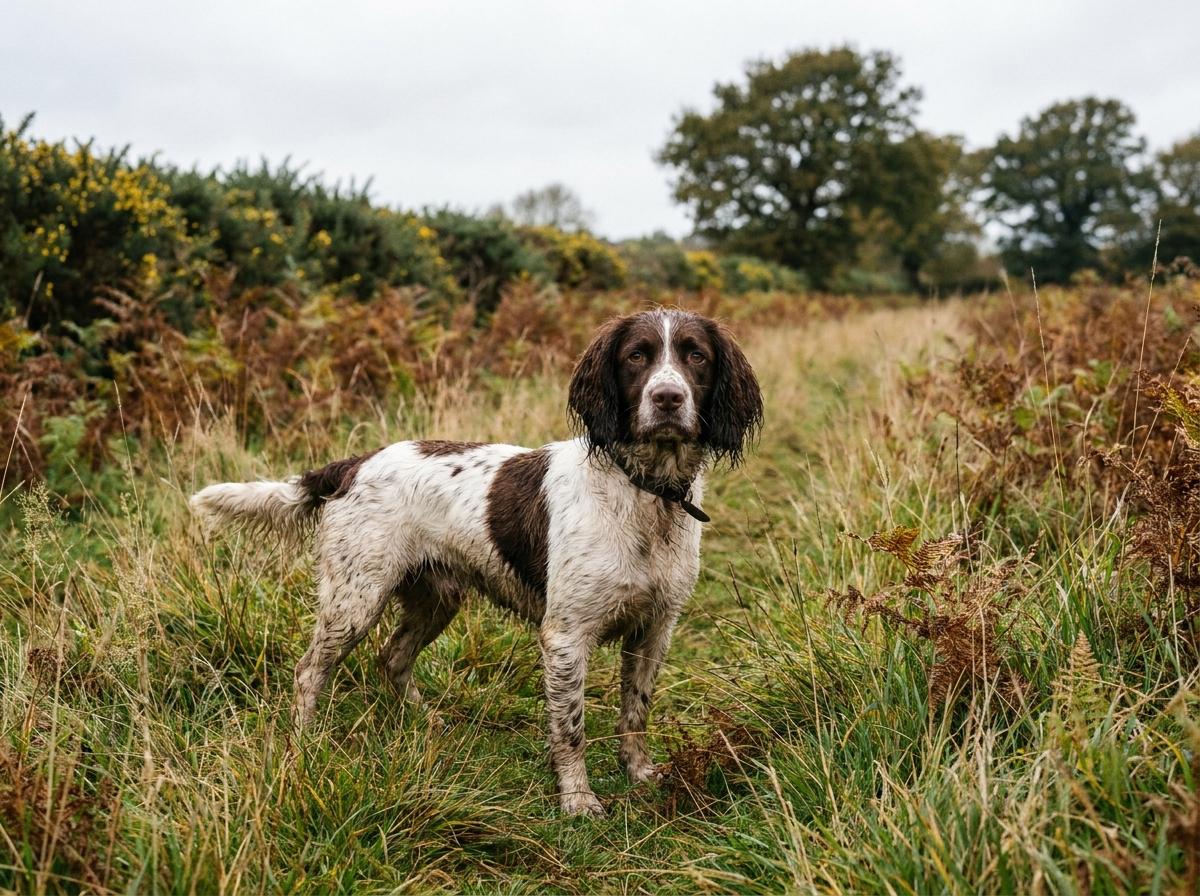
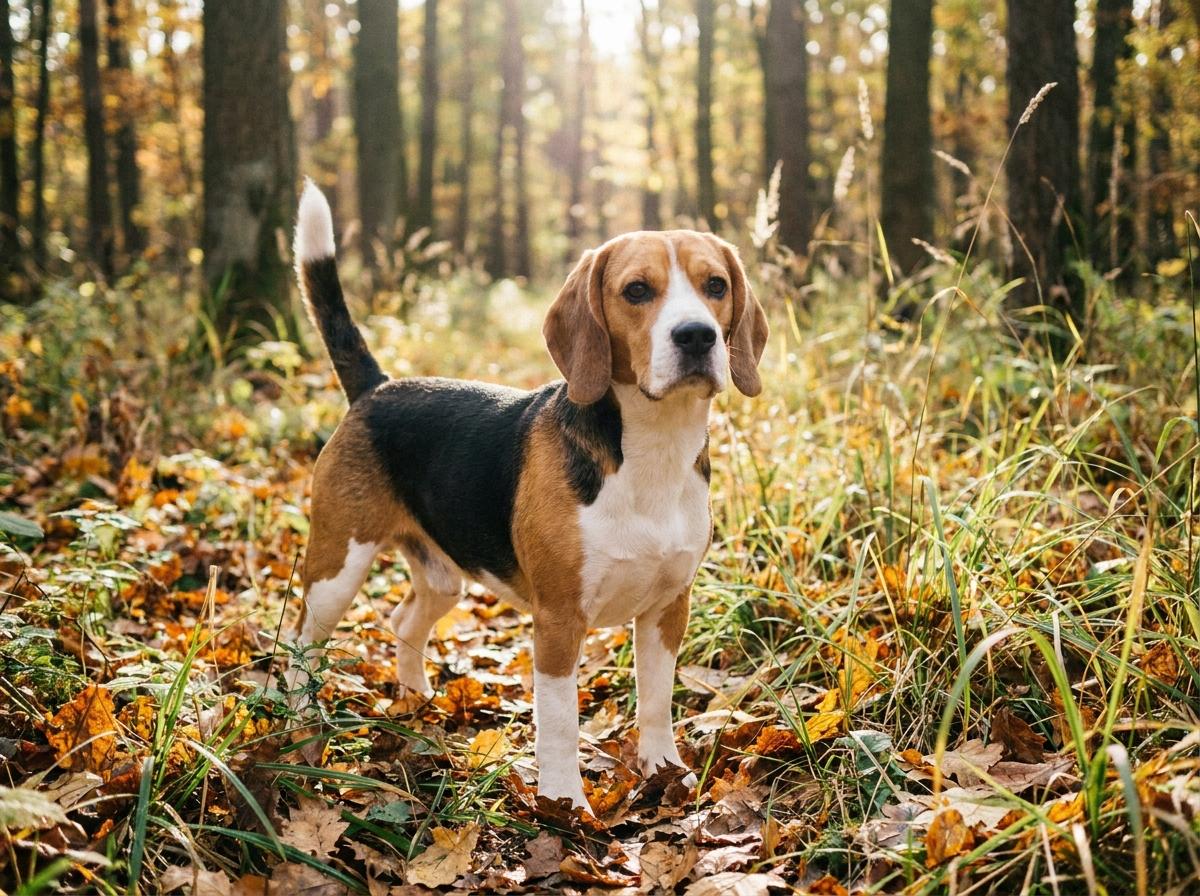
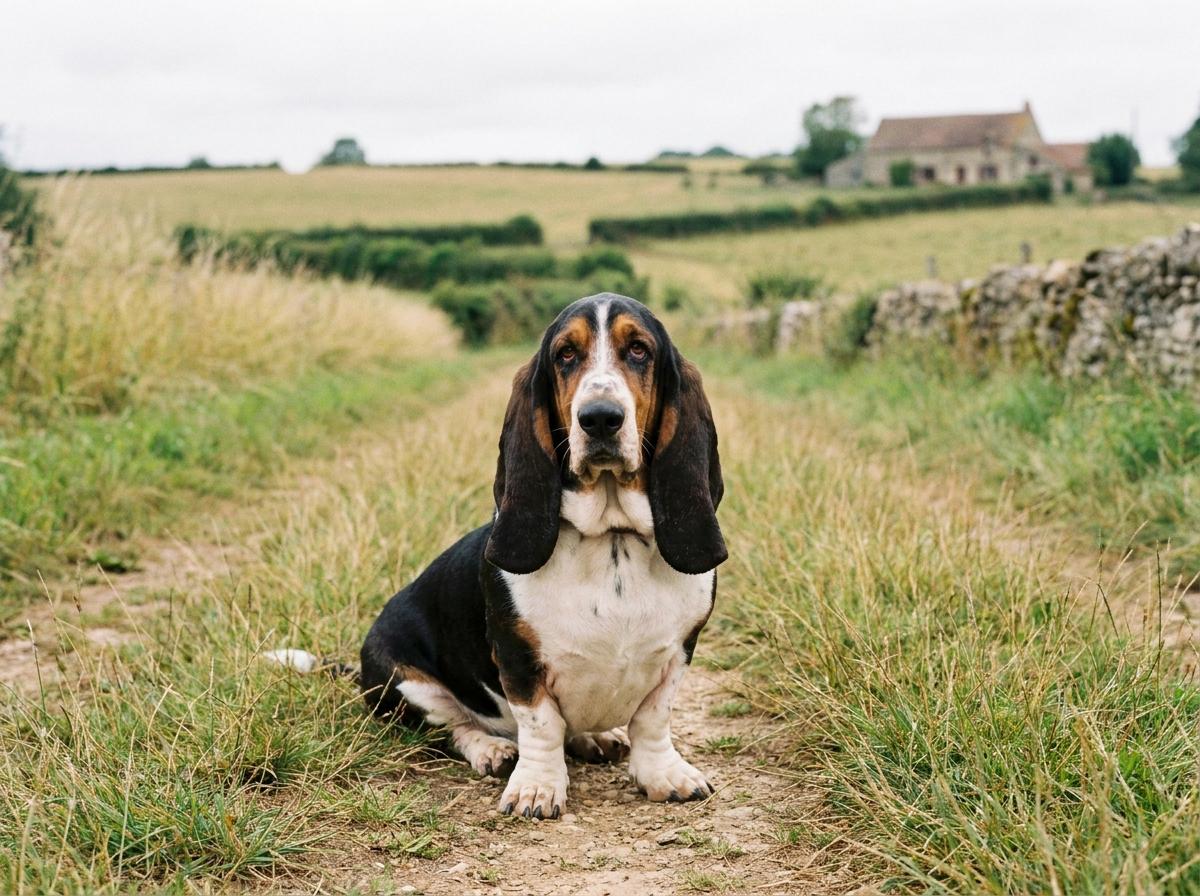
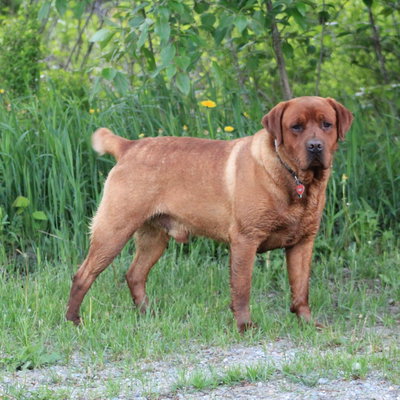
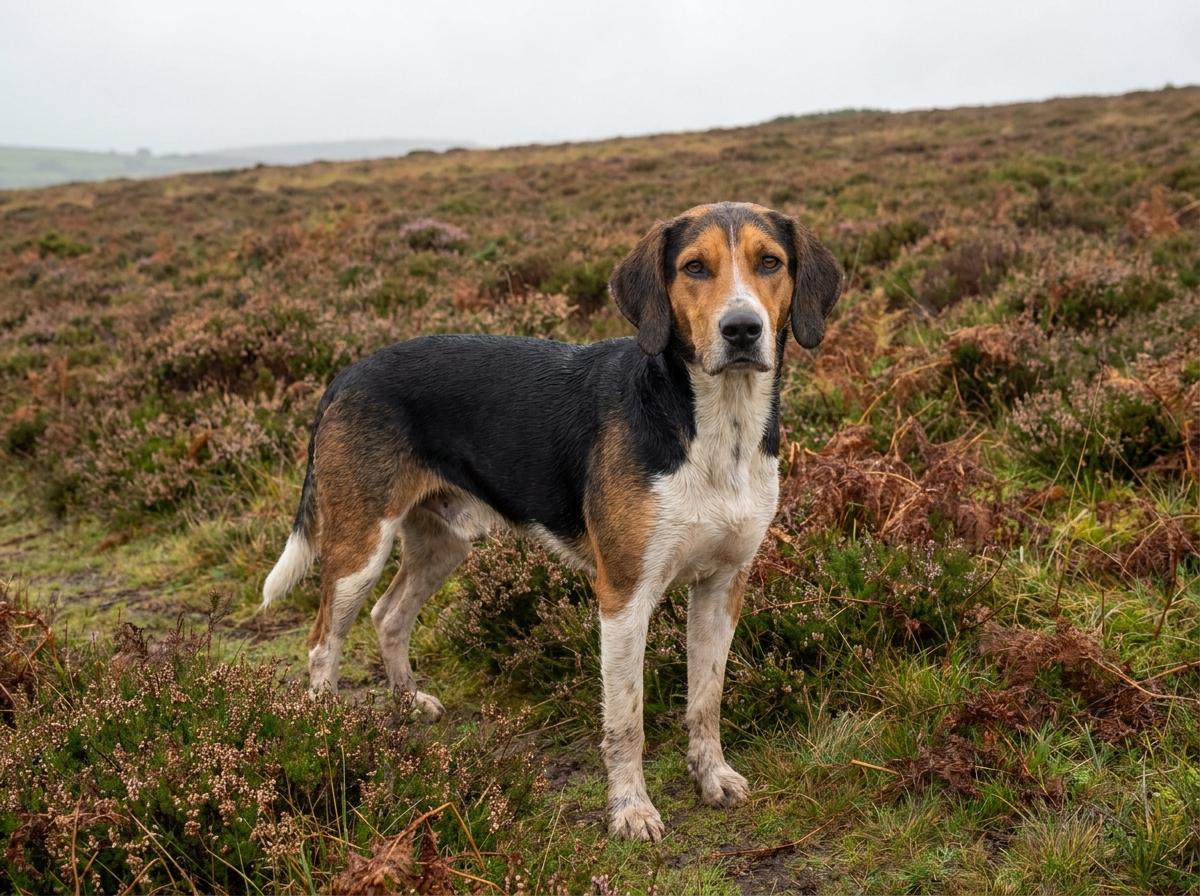
The West Country harrier is best understood as an old regional working strain of British harrier rather than a modern kennel-club breed with a single fixed standard. It is associated with southwest England, where packs of hounds followed hare over hedged fields, moorland, and rough farm country. Descriptions emphasize a practical scenthound: athletic, drop-eared, vocal, and able to work steadily with other hounds. Coat color and exact size were less important than nose, stamina, pack sense, and the ability to keep hunting at a sensible pace.
Where the name is used today, it is usually in hunt-kennel or working-hound history rather than ordinary pet breeding. Such hounds need pack socialization, controlled exercise, secure confinement, and careful management around roads and livestock. Rehomed harrier-type dogs can make pleasant companions, but many retain a powerful urge to follow scent before checking in. Local law determines what hunting, trail work, or hound exercise is permitted, so responsible stewardship is usually about lawful activity and honest placement rather than casual breeding.
Colors: Albino, Apricot, Bicolor, Black, Black and Tan, Black and White, Black Mask, Blue, Blue and Tan, Blue Merle, Blue Roan, Blue Tick, Brindle, Brown, Brown and Tan, Brown and White, Chocolate, Cream, Dapple, Domino, Fawn, Fawn and White, Gold, Gray, Grey, Harlequin, Irish Marked, Leucistic, Liver, Liver Mask, Mantle, Mask, Melanistic, Merle, Mottled, Parti-Color, Piebald, Red, Red and White, Red Merle, Red Roan, Red Tick, Reverse Brindle, Roan, Sable, Saddle, Silver, Speckled, Spotted, Tan, Ticked, Tricolor, Tuxedo, White, Yellow