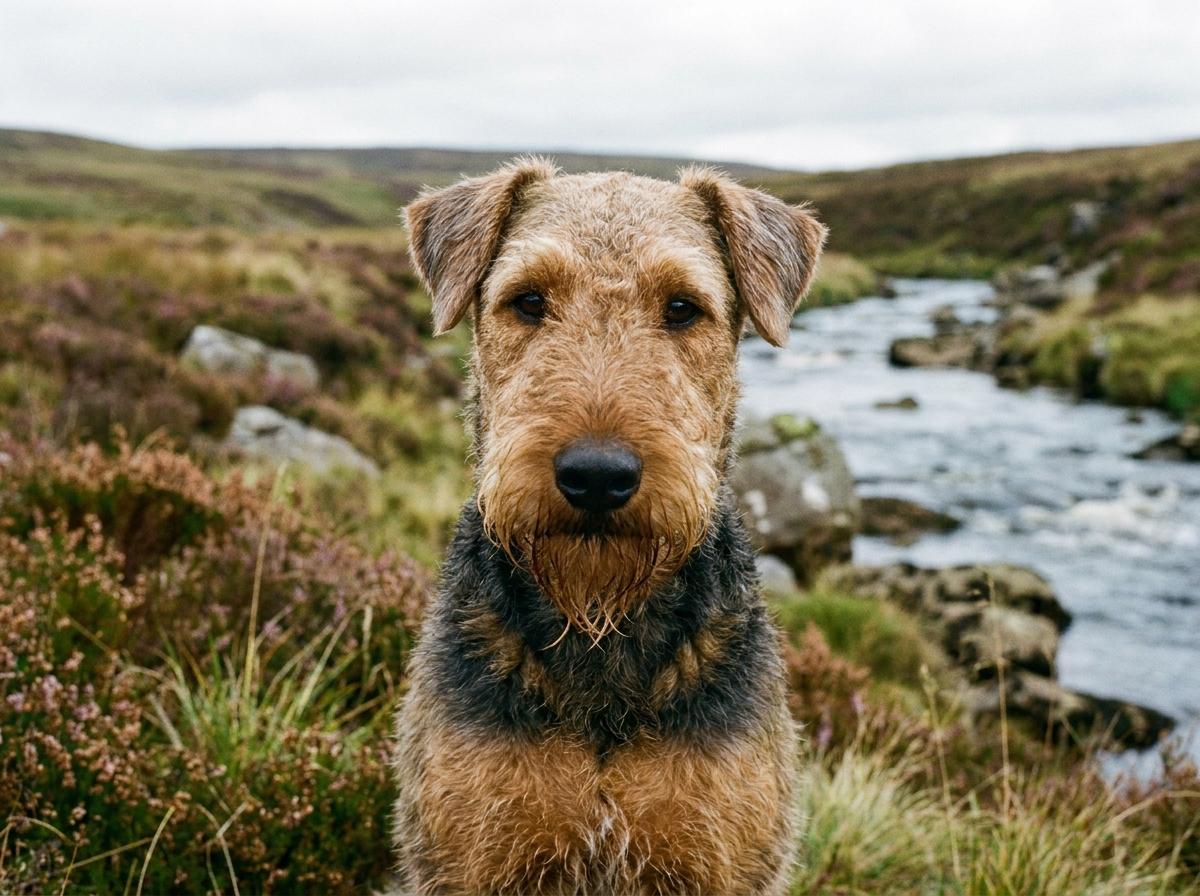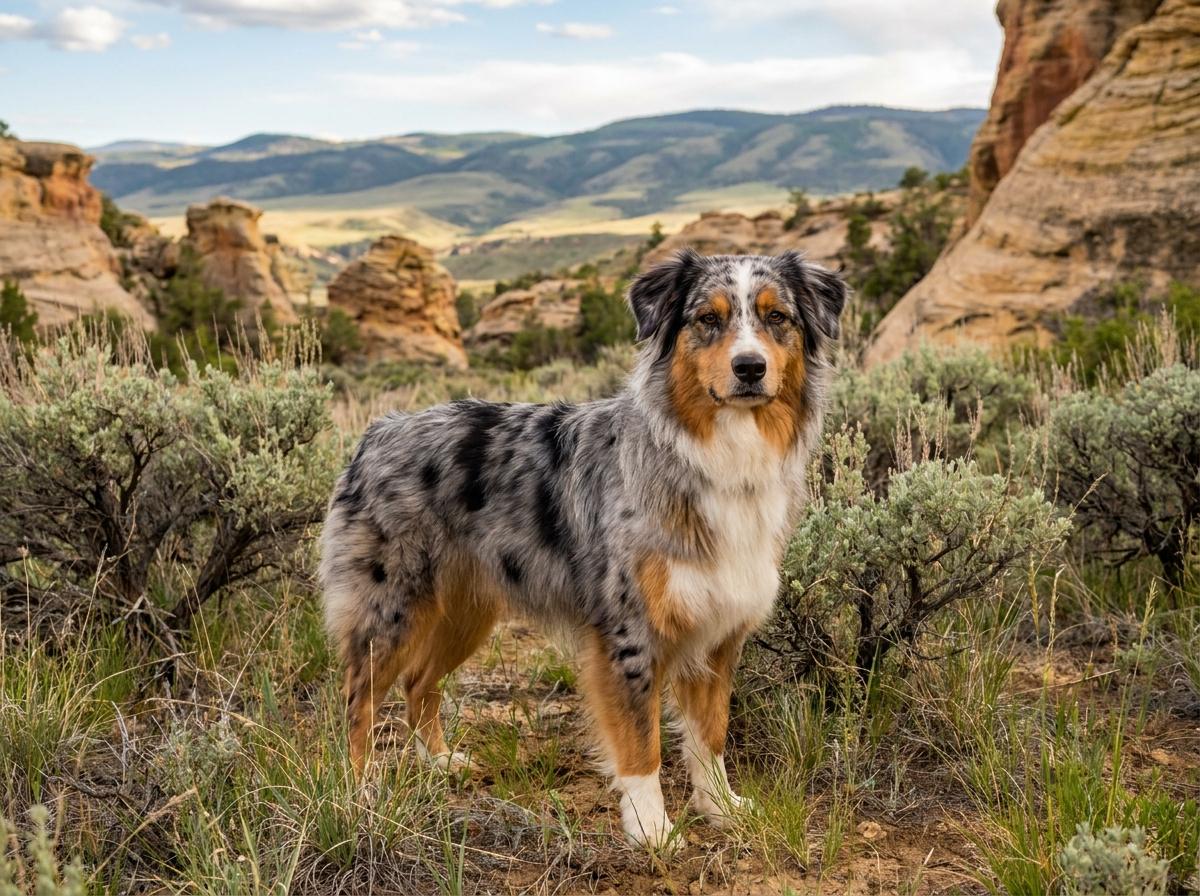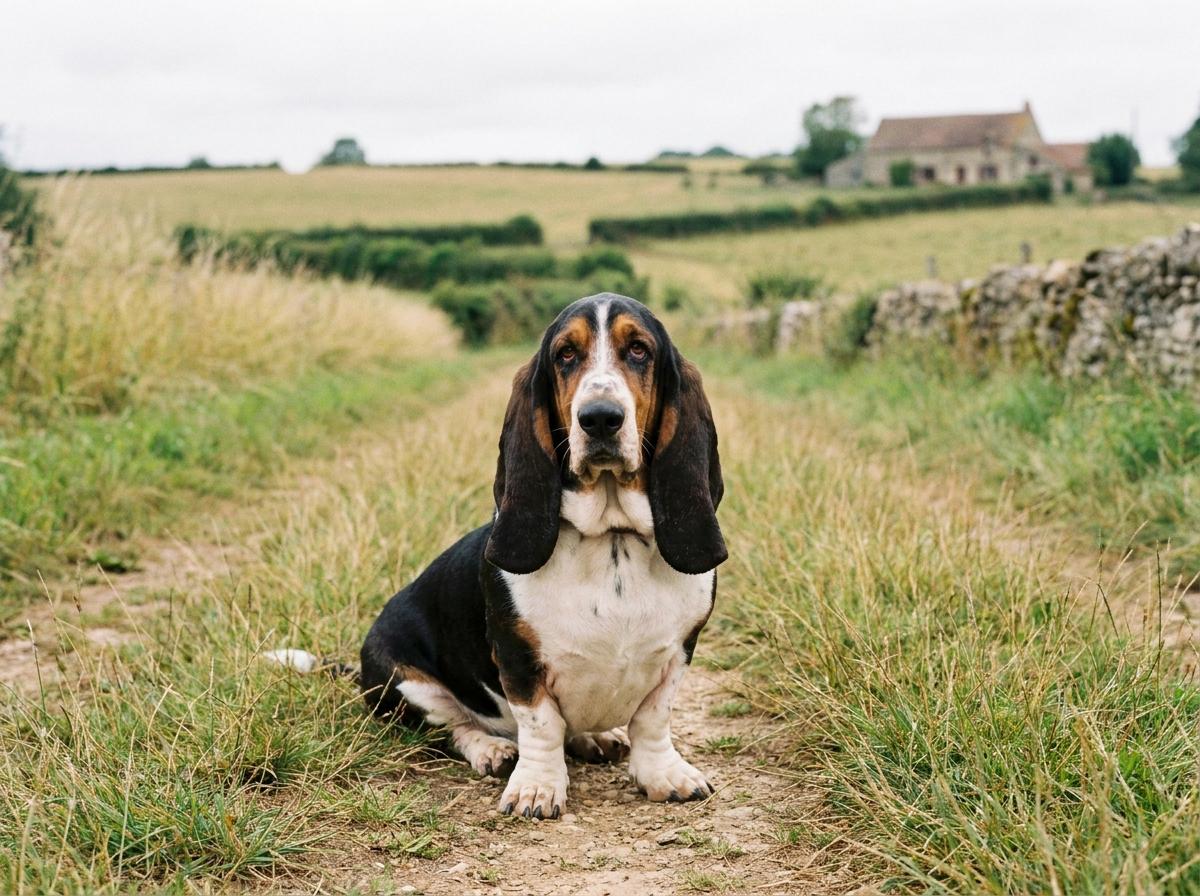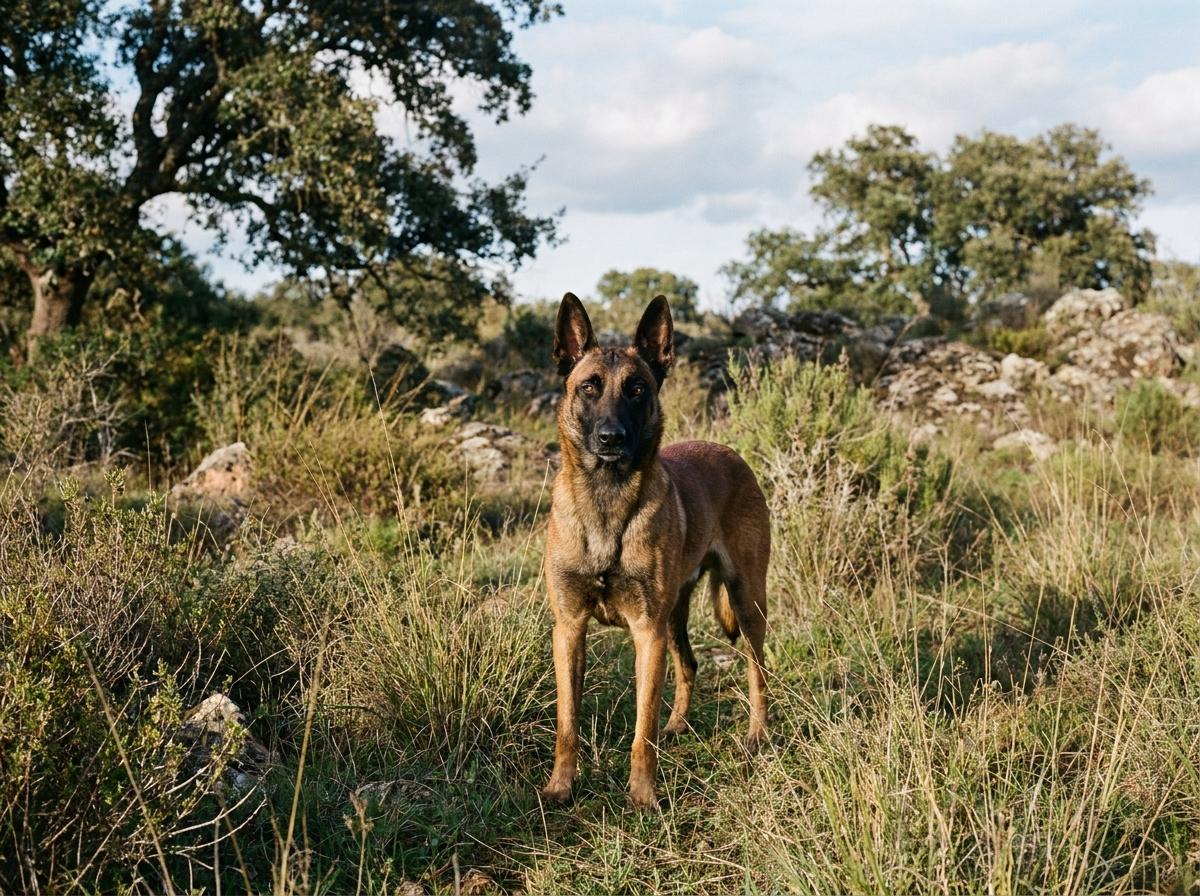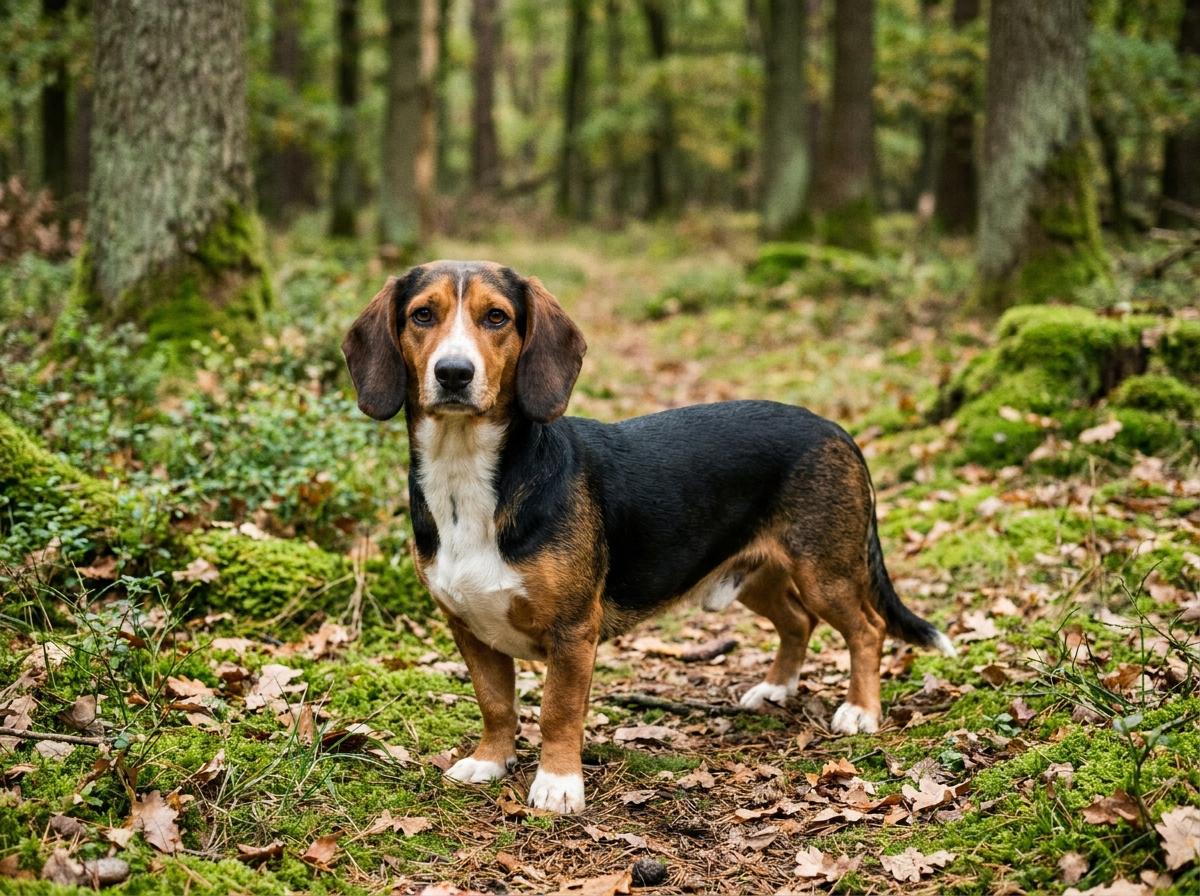
Westphalian Dachsbracke
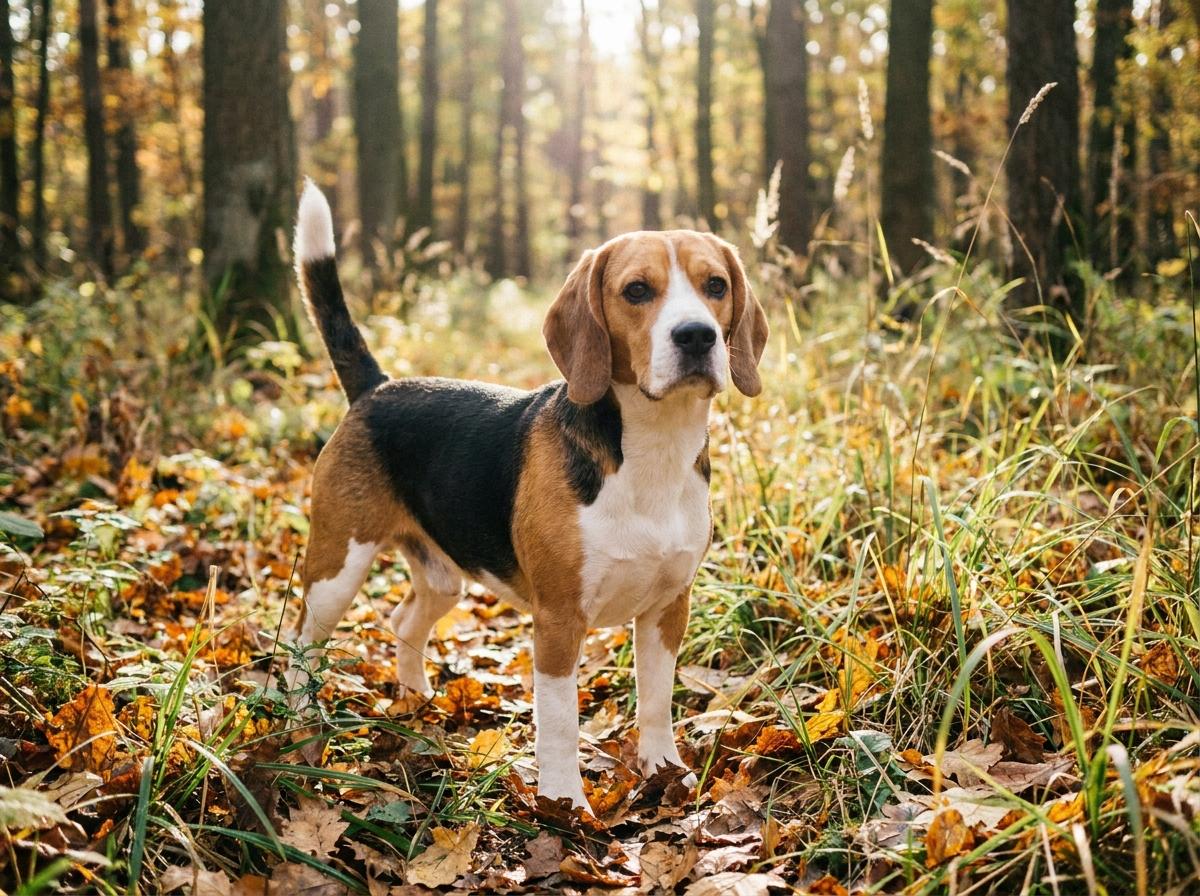
The Westphalian Dachsbracke is a low-legged German scenthound from Westphalia, related to the German bracken and to the short-legged hound tradition that also influenced the Swedish Drever. It was bred for hunters on foot who needed a dog that could follow hare, fox, or wounded game through dense cover at a manageable pace. The breed is rectangular and sturdy, with drop ears, a strong nose, and typical tricolor hound markings: red to yellow ground color, black saddle or mantle, and white bracken marks on the muzzle, chest, feet, and tail tip.
As a companion, the Westphalian Dachsbracke remains a hound first. Nose work, tracking, and long controlled walks suit it better than a life with little scenting opportunity. Off-leash freedom must be handled carefully because a fresh trail can override recall. Its long ears should be kept clean, and a lean weight helps protect the back, joints, and feet of this low, working build. The breed is uncommon outside central Europe, so prospective owners may need to work with breed clubs or hunting breeders who understand both temperament and practical use.
Colors: Albino, Apricot, Bicolor, Black, Black and Tan, Black and White, Black Mask, Blue, Blue and Tan, Blue Merle, Blue Roan, Blue Tick, Brindle, Brown, Brown and Tan, Brown and White, Chocolate, Cream, Dapple, Domino, Fawn, Fawn and White, Gold, Gray, Grey, Harlequin, Irish Marked, Leucistic, Liver, Liver Mask, Mantle, Mask, Melanistic, Merle, Mottled, Parti-Color, Piebald, Red, Red and White, Red Merle, Red Roan, Red Tick, Reverse Brindle, Roan, Sable, Saddle, Silver, Speckled, Spotted, Tan, Ticked, Tricolor, Tuxedo, White, Yellow