Wirehaired Vizsla
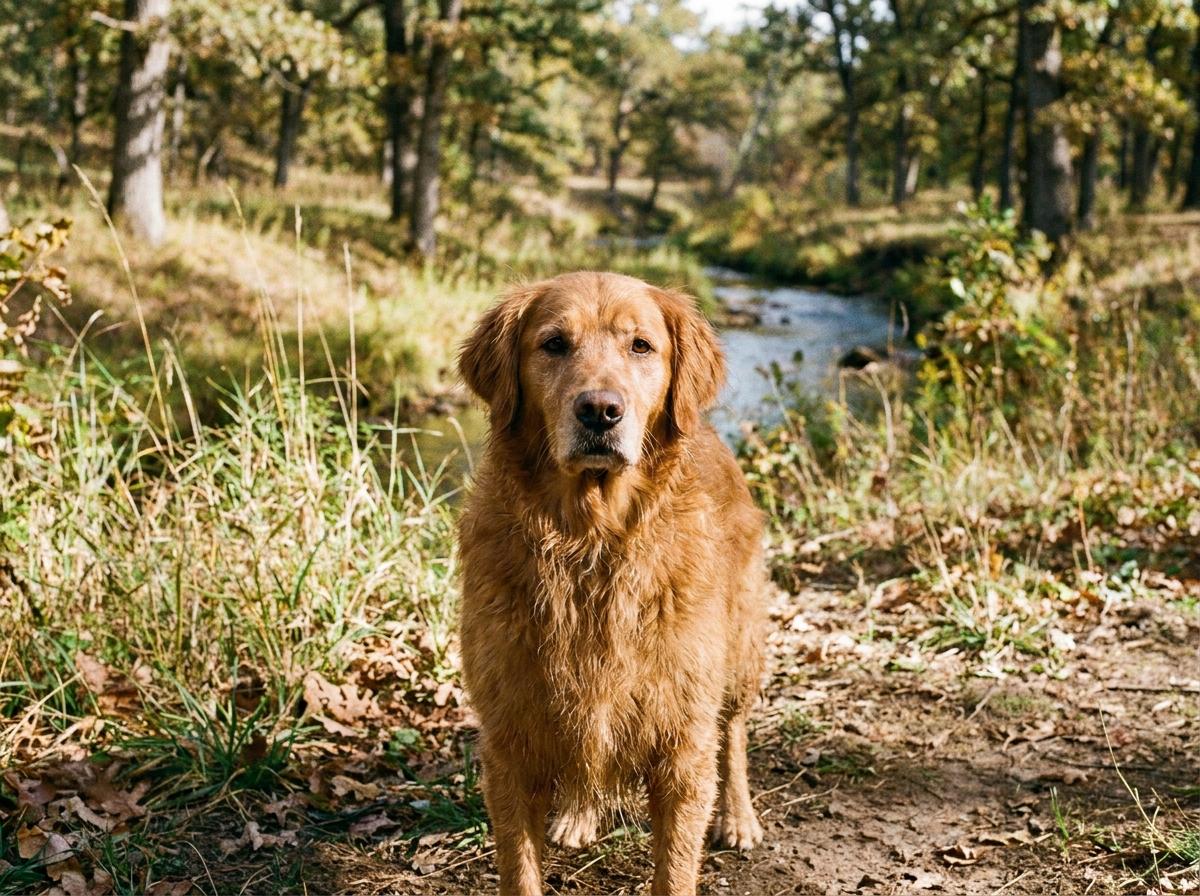
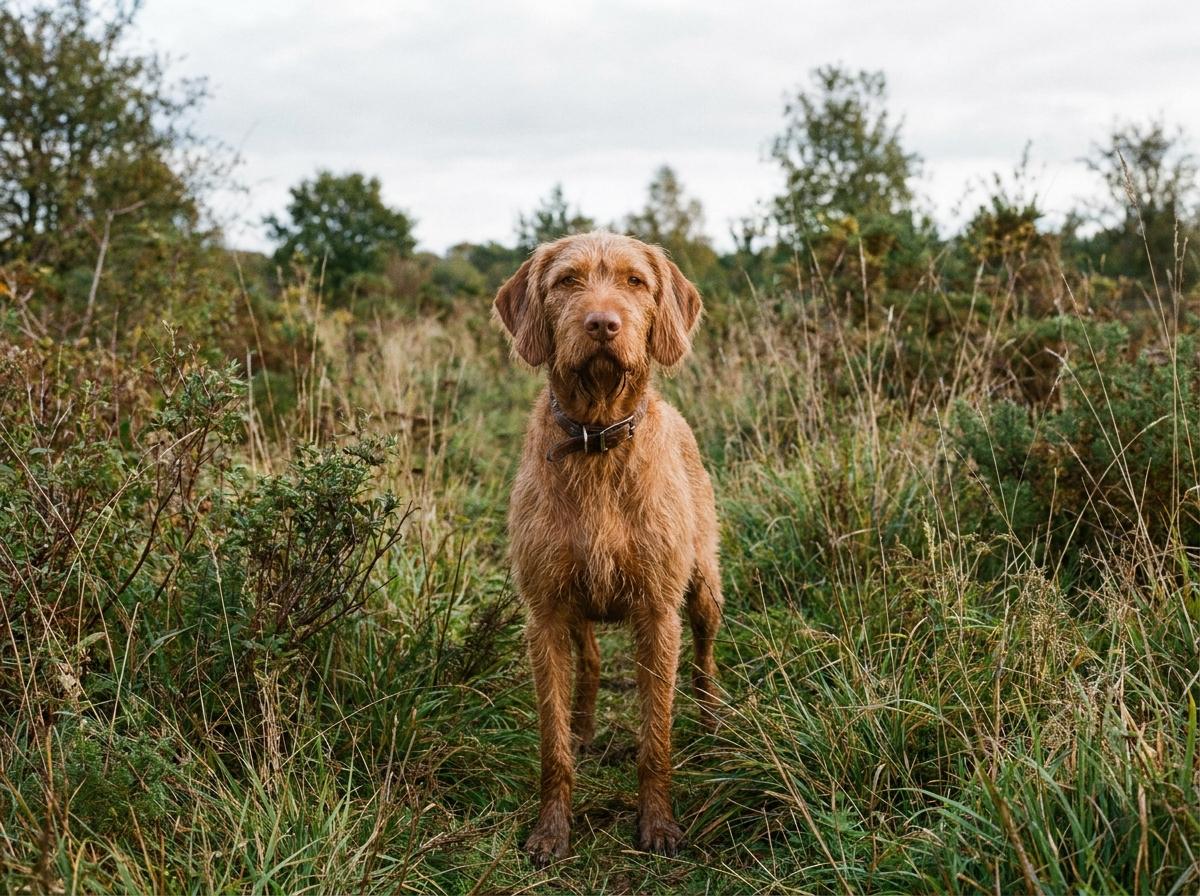
The wirehaired Vizsla is a Hungarian pointing and retrieving dog developed in the twentieth century to add a protective wire coat and sturdier build to the smooth Vizsla type. German Wirehaired Pointers and other hunting dogs contributed to the early foundation, but the modern breed is distinct from both its Vizsla ancestor and its German cousins. It is usually seen in golden-rust shades, with a harsh close coat, visible beard, expressive eyes, and a slightly more substantial frame than many smooth Vizslas. In the field it is expected to search, point, retrieve, and stay in contact with the handler.
These dogs suit people who want an indoor family dog that also has a serious need for exercise and training. A bored wirehaired Vizsla may become noisy, clingy, or inventive, so owners often use hunting, scent work, canicross, agility, or structured off-leash time to keep the dog settled. Coat care is lighter than for many long-coated sporting breeds, but occasional stripping or tidying preserves the weather-resistant texture. Prospective breeders and buyers commonly discuss hip and elbow scores, eye testing, thyroid disease, and seizures, along with temperament around strangers and other dogs. The breed's close-working nature is an asset when paired with consistent handling rather than harsh correction.
Colors: Apricot, Bicolor, Black, Black and Tan, Black and White, Black Mask, Blue, Blue and Tan, Blue Merle, Blue Roan, Blue Tick, Brindle, Brown, Brown and Tan, Brown and White, Chocolate, Cream, Dapple, Domino, Fawn, Fawn and White, Gold, Golden Red, Golden Rust, Gray, Harlequin, Irish Marked, Liver, Liver Mask, Mantle, Mask, Merle, Mottled, Parti-Color, Piebald, Red, Red and White, Red Merle, Red Roan, Red Tick, Reverse Brindle, Roan, Sable, Saddle, Silver, Speckled, Spotted, Tan, Ticked, Tricolor, Tuxedo, White, Yellow