



Russian White
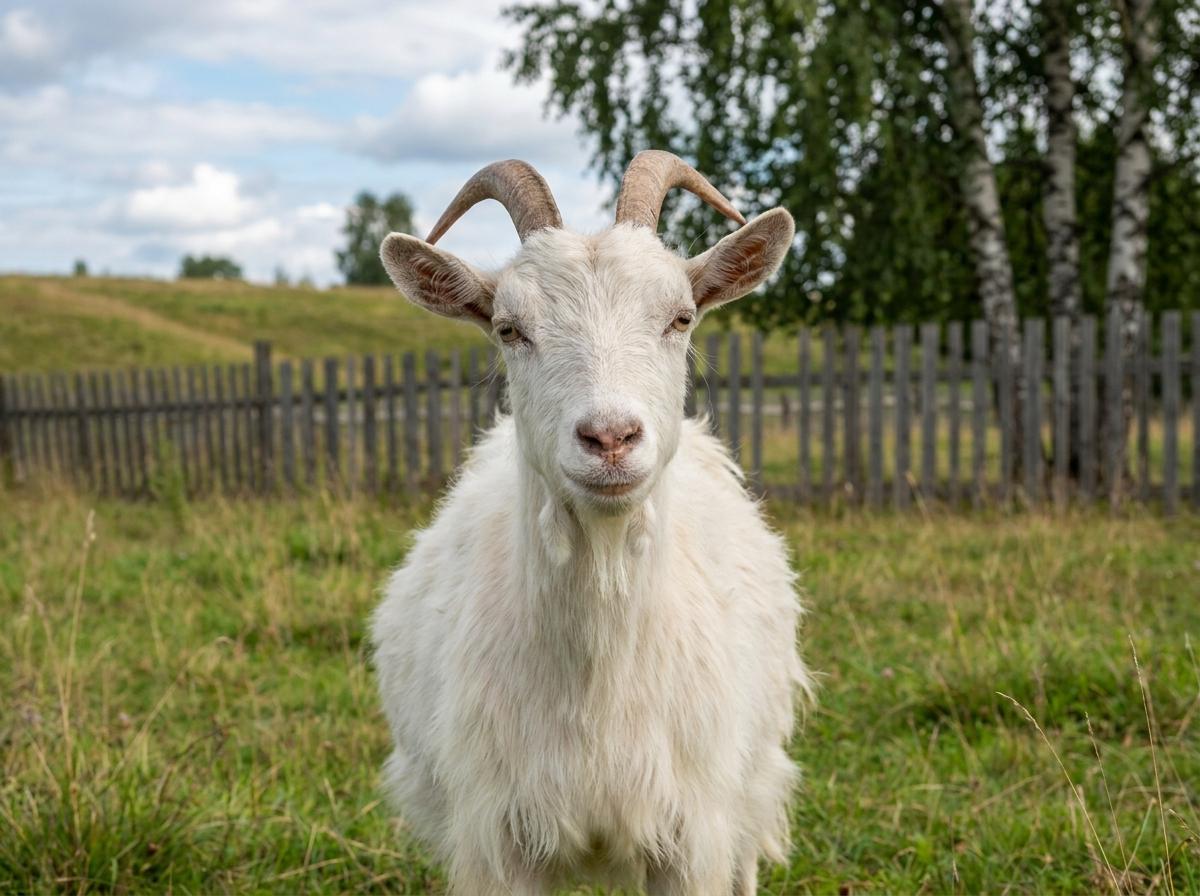
The Russian White goat is a hardy, all white dairy breed from central and northwestern Russia, built to give a lot of rich milk in a cold climate. It was created by crossing the region’s native goats with imported Swiss Saanen and Toggenburg dairy stock, then improving the result through generations of smallholder selection. The breed name describes it well: a predominantly white, short haired milking goat with a light dairy frame, a good udder, and the cold tolerance to keep producing through a Russian winter. This page covers where the breed comes from, what it looks like, how much milk it gives, how it differs from the related Gorki goat, and what to weigh before keeping or sourcing one. If you are comparing dairy breeds, the broader Creatures goat species page is a good place to line the Russian White up against others.

Browse listings, public profiles, breeders, or add your animal.
What is a Russian White goat?
The Russian White is a Russian breed of dairy goat developed in central and northwestern Russia. According to the Food and Agriculture Organization’s survey of Soviet animal genetic resources, the dairy goats of this region formed over a long history of local goat keeping, shaped by periodic imports of Saanen and Toggenburg breeds from Switzerland and the rest of Europe and by the feeding and management methods smallholders used. The Russian White is the white, predominantly milk type that came out of that process.
It is described as having a strong, dry constitution and a harmonious conformation typical of the dairy goat: a light and narrow head, a long straight neck, and a well developed udder. In plain terms, this is a working milking goat selected by ordinary keepers to feed their households, not a show animal or a meat specialist. If you have seen a Saanen, the Russian White will look familiar, because Saanen blood is a real part of its makeup.
It is worth setting expectations on availability up front. The Russian White is a rare breed today, numbering only a few thousand head and concentrated in its home country, so it is not a goat most buyers outside Russia will find easily. We come back to that reality in the cost and availability section below.
Origin and history
The defining event in the breed’s history is the introduction of Swiss dairy goats into Russia. Cross breeding of the indigenous North Russian goats with imported Saanen goats began in about 1905, and the Russian White is the dairy breed that resulted from that work combined with long term selection by smallholders. Toggenburg goats were part of the European dairy stock brought in over this period as well.
The breed is tied to specific regions. It is found mainly in the Gorki, Leningrad, Moscow, and Yaroslavl regions, the dairy goat country of central and northwestern Russia. The goats of this area earned a reputation for the milk type build, which is exactly what generations of household milk production will select for.
The Russian White and the Gorki breeds were created and became popular among smallholders in the Soviet Union to meet their own consumption needs. That origin matters: this is a breed shaped by folk selection for practical home dairying, which is why it pairs solid milk yields with the toughness to thrive on the kind of management a smallholding can provide.

What a Russian White goat looks like
The Russian White is a medium to large dairy goat with the lean, productive look of a milking breed rather than the blocky frame of a meat goat.
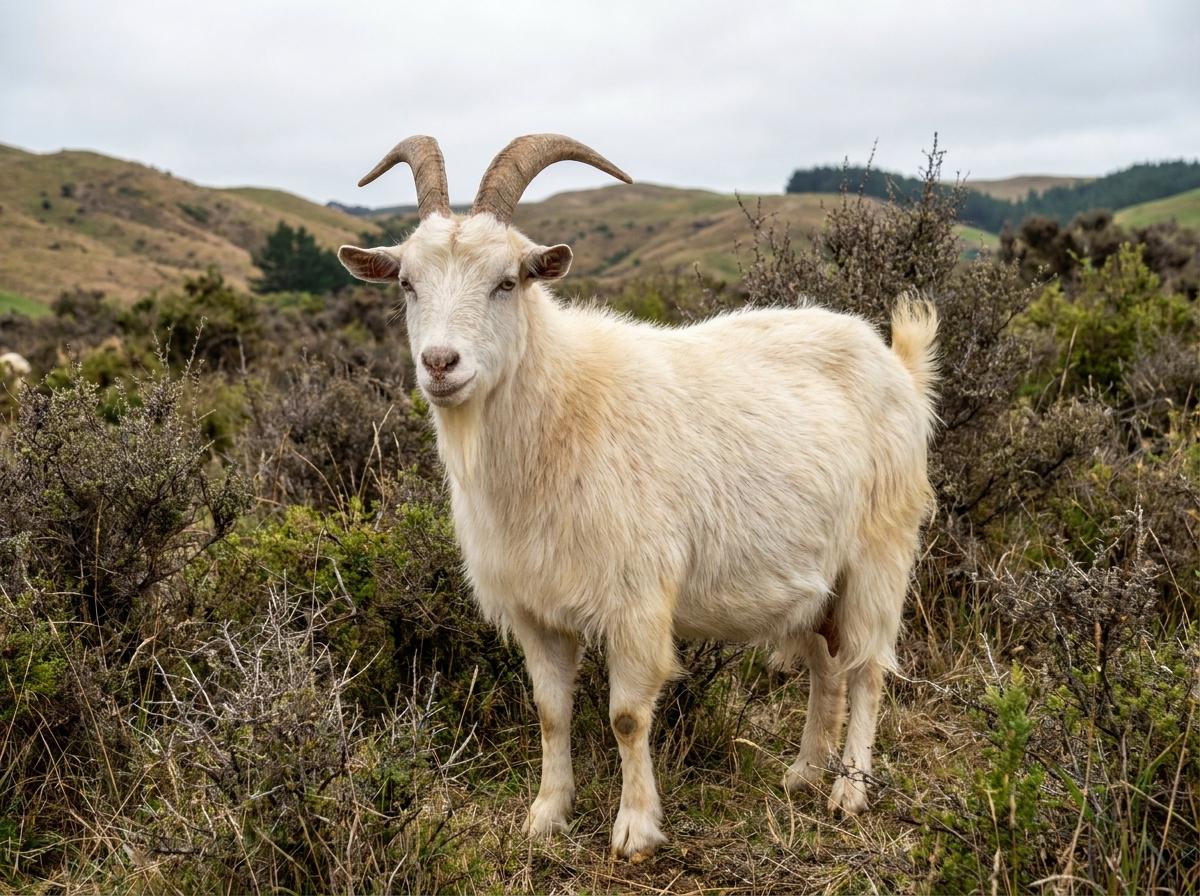
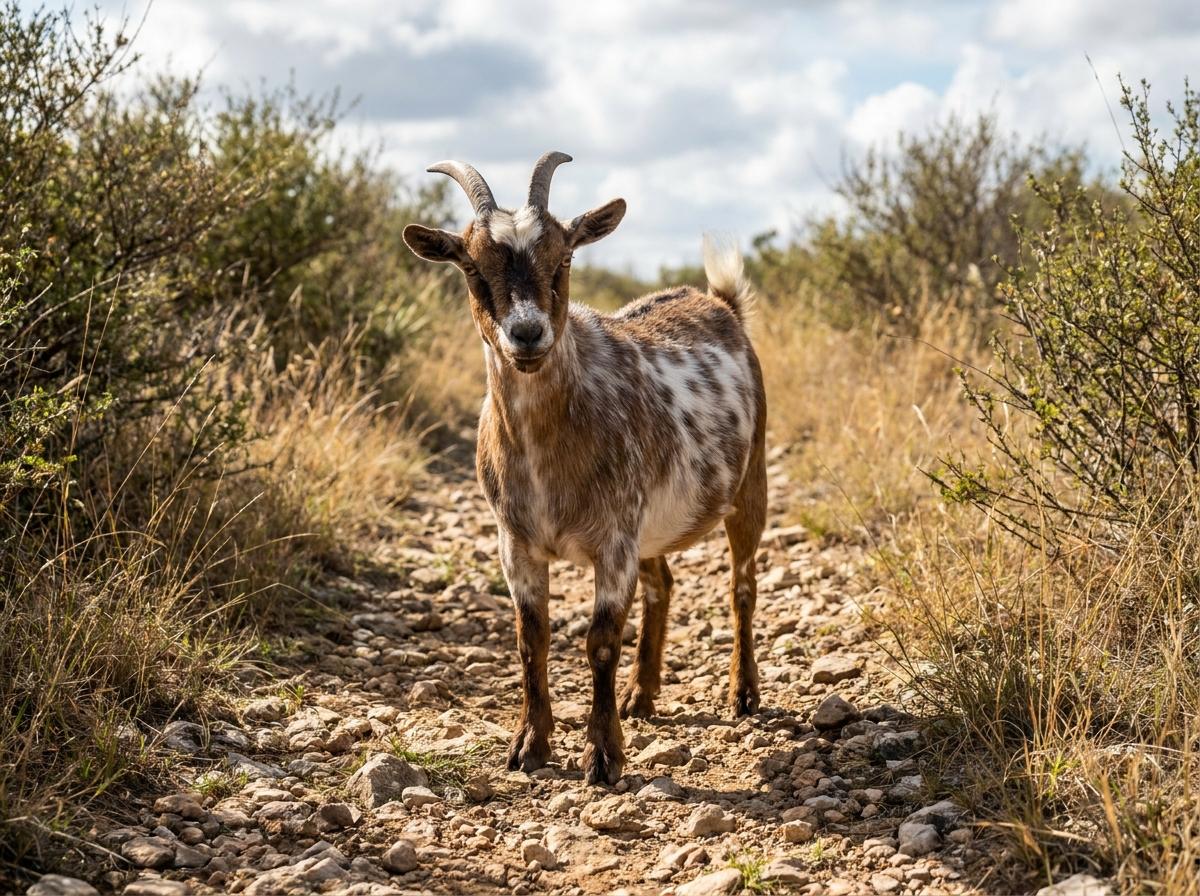
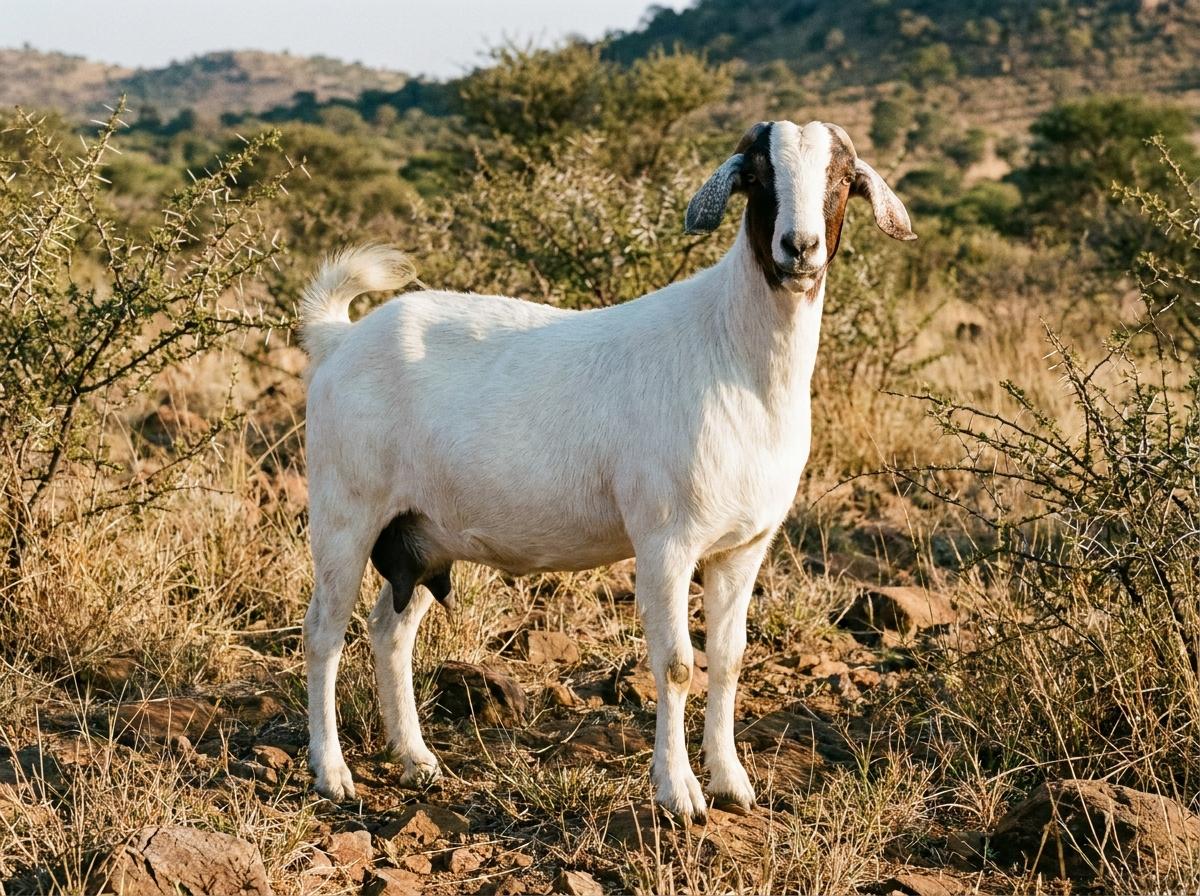
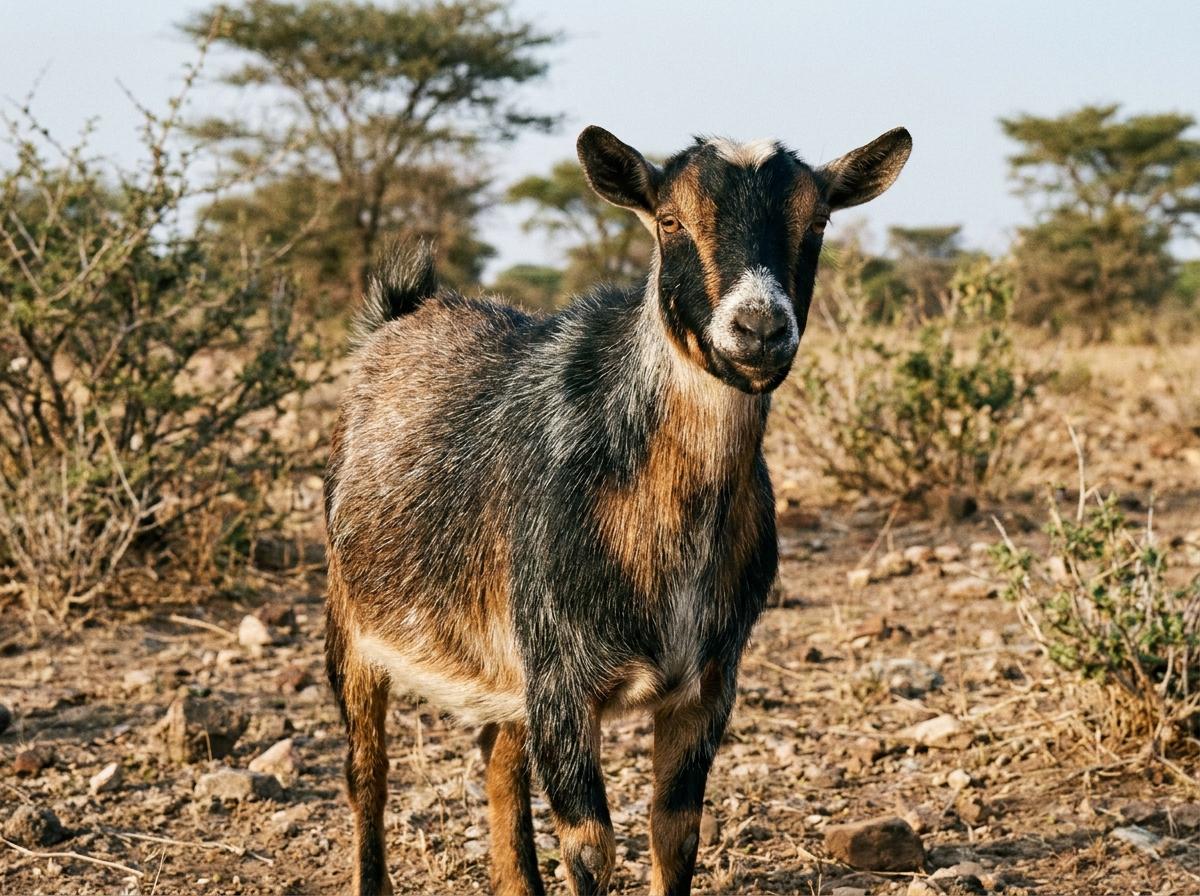
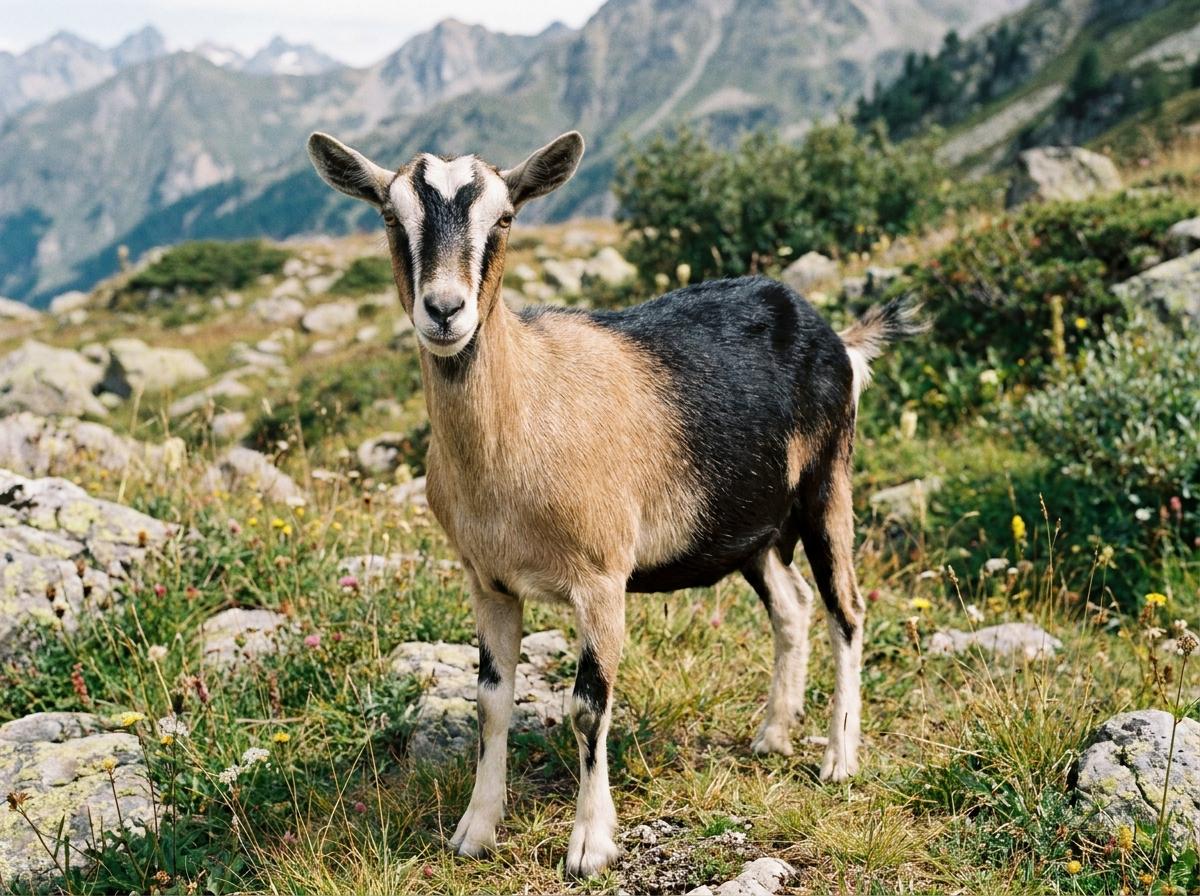
- Predominantly white coat. The coat is usually white, as the name says, and is made up of coarse, short hair, occasionally longer. This is a white breed, not a multicolored one.
- Dairy type head and neck. The head is light and narrow and the neck is long and straight, the conformation the FAO describes as harmonious and characteristic of the milk type.
- Good udder. The udder is large and smooth, with proportionally developed quarters and wide set teats. Udder quality is central to the breed because it was selected for hand milking.
- Polled or horned. Russian White goats may be naturally hornless (polled) or horned. This is one of the clearest ways the breed differs from the closely related Gorki goat, which is always horned.
Adult does weigh roughly 50 to 60 kg (about 110 to 132 lb) and bucks roughly 60 to 75 kg (about 132 to 165 lb). That puts the breed in the same general size class as other European derived dairy goats, neither a miniature nor an unusually massive animal.
Russian White or Gorki: telling the two apart
The Russian White and the Gorki (also spelled Gorky) goat are close relatives and are often discussed together, but they are not identical. The Gorki breed was developed by further improving Russian White goats with the Saanen breed, and it is characterized by a milk yield of roughly 450 to 500 kg over a 240 to 300 day lactation. The simplest practical distinction is horns: the Gorki is always horned, while the Russian White may be either polled or horned. If you are reading older Russian or Soviet sources, expect the two names to appear side by side, because they come from the same regional dairy goat improvement effort.
How productive is the breed?
Milk is the entire point of the Russian White, and for a rare regional breed it is comparatively well documented.
Milk. Reported yields for the Russian White commonly fall in the range of about 350 to 550 kg of milk per lactation, over roughly a 200 to 250 day milking period. The FAO’s USSR survey records a lactation average around 550 kg with elite individuals reaching as high as about 1,000 kg, so the top of the breed is genuinely productive. Treat the four figure number as an exceptional ceiling from the best animals, not as what an average doe will give. The milk is rich, with fat reported at about 4.2 to 5.3 percent, which is high and well suited to cheese and other dairy products.
Prolificacy. The breed is notably fertile. Records put it at roughly 190 to 220 kids per 100 does, meaning twins are common, and some does kid twice a year. That combination of rich milk and frequent multiple births is exactly what makes the breed valuable to a smallholder feeding a household.
As always, real world output depends heavily on feeding and management. A dairy goat selected for heavy milk yield cannot reach these numbers on poor forage alone, a point the husbandry section returns to.

Temperament
Detailed, formally studied temperament data for the Russian White is limited, which is common for a rare regional breed whose literature focuses on production. What can be said with confidence is that the breed was developed by smallholders for close, hands on household dairying, the kind of management that favors animals which handle and milk calmly. As with any goat, individual temperament varies with handling, housing, and daily human contact, and intact bucks in rut behave very differently from does and wethers. We flag this as a reasonable expectation from the breed’s working history rather than a measured trait.
Husbandry and care
A productive dairy goat is a higher input animal than a hardy brush or meat goat, and the Russian White is no exception. The notes below cover the structure of good management. Defer any medical decision to a veterinarian who can examine the animal.
Housing
Russian White goats need dry, draft free shelter, clean bedding, and enough room to avoid crowding. The breed’s cold country origins mean it tolerates cold well, but cold tolerance is not the same as tolerance for damp and draft, which are what actually harm goats in winter. Sound, dry footing protects both feet and udder in a milking animal.
Feeding
A doe selected for heavy milk yield needs a balanced ration that supplies enough energy and protein to support lactation, plus constant access to clean water and appropriate minerals. Underfeeding a productive dairy goat is the fastest way to lose body condition and depress milk output, especially through late pregnancy and early lactation. Good forage plus targeted supplementation, matched to where the doe is in her lactation, is the foundation.
Breeding
The breed’s fertility is one of its strengths, with twins common and some does kidding twice a year, so plan deliberately rather than letting breeding happen by accident. Decide when young does first kid, keep clean records of matings and kiddings, and select breeding stock on udder quality and milk records, the traits the breed was built on. Because Russian Whites can be polled or horned, note that breeding two naturally polled goats together carries the well known polled goat fertility consideration, so plan polled to horned matings thoughtfully and ask your veterinarian or a breed mentor if you are managing a polled line.
Health
Routine goat health management applies: a parasite control plan suited to your climate and grazing, regular hoof care, clean kidding and milking hygiene, and the core vaccinations your veterinarian recommends for your area. In a heavy milker, udder health deserves particular attention. Keep clear records of kiddings, milk output, treatments, and health events so culling and breeding decisions rest on evidence rather than memory. You can keep all of those records on Creatures, which is covered in the hub at the end of this page.
Climate
This is a cold climate dairy breed by origin, developed in central and northwestern Russia and kept productive through real winters. That makes it a sensible fit for keepers in cold regions who want dairy output without babying the animals through every cold snap. As with any goat, shelter from wet and wind matters more than air temperature alone.
Size, weight, and lifespan
Adult does weigh roughly 50 to 60 kg (about 110 to 132 lb) and bucks roughly 60 to 75 kg (about 132 to 165 lb). There is no authoritative breed specific lifespan figure for the Russian White, so the general domestic goat expectation applies: many goats live roughly 10 to 15 years with good care, though productive milking life is shorter and many does are retired from the milking string before then. Treat that range as a general guide, not a breed guarantee.
Cost and availability
This is where the Russian White gets genuinely difficult for most buyers.
The breed is rare, numbering only a few thousand head, and it is concentrated in Russia. It is not established as a registered breed in North America the way Saanen, Nubian, or Alpine goats are, and there is no reliable public market price for a Russian White goat that we can quote without inventing one. We will not.
If you are outside Russia and set on this exact breed, expect scarcity to be the dominant fact. Live small ruminant imports are tightly controlled on animal health grounds, which keeps fresh imported genetics hard to obtain, and a breed this localized rarely turns up through ordinary channels. A realistic plan for most buyers is one of two things: pursue the closely related and far more available Saanen, which supplied much of the Russian White’s dairy genetics in the first place and delivers a similar white, high yield, sweet tempered milking goat; or, if you specifically want the Russian White, treat it as a long search and set a listing alert (below) so you hear the moment relevant stock appears. You can browse current goat listings on the Creatures marketplace and look for breeders and farms in the Creatures directory.
Buying considerations
Because the breed is rare and easy to confuse with other white dairy goats, buy on evidence rather than on a label.
- Confirm what the animal actually is. A white dairy goat is not automatically a Russian White. Ask the seller about the animal’s ancestry and how the breed designation was established, especially anywhere the breed is not formally registered.
- Ask for milk and kidding records. For a dairy breed, lactation yields and kidding history tell you far more than appearance. A productive doe should come with production data.
- Check the udder and conformation in person. Udder attachment, teat placement, and sound feet and legs directly affect a milker’s working life. Inspect them before you commit.
- Decide whether the breed name is the point. If your real goal is a hardy, high yield white dairy goat, an available Saanen may serve you better and faster than a long, costly search for a genuine Russian White.
Frequently asked questions
What is a Russian White goat?
It is a Russian dairy goat breed, predominantly white and short haired, developed in central and northwestern Russia by crossing native northern goats with imported Swiss Saanen and Toggenburg stock and then selecting for milk over many generations.
How much milk does a Russian White goat give?
Reported yields commonly run about 350 to 550 kg per lactation over roughly 200 to 250 days, with rich milk at about 4.2 to 5.3 percent fat. Elite individuals have been recorded near 1,000 kg, but that is the top of the breed, not the average.
Do Russian White goats have horns?
They may be either polled (naturally hornless) or horned. This is one of the clearest differences from the closely related Gorki goat, which is always horned.
What is the difference between a Russian White and a Gorki goat?
They are close relatives from the same regional improvement effort. The Gorki was developed by further crossing Russian Whites with Saanen goats and is always horned, while the Russian White may be polled or horned.
Are Russian White goats good for beginners?
They are productive, generally manageable dairy goats, but a heavy milker is a higher input animal than a hardy meat or brush goat, and the breed is hard to source outside Russia. A beginner can keep one well with good feeding, housing, and a veterinarian relationship, but should weigh the sourcing challenge first.
Why are Russian White goats hard to find outside Russia?
The breed is rare, numbering only a few thousand head, and concentrated in Russia, and live small ruminant imports are tightly restricted for animal health reasons. That scarcity is what makes genuine stock uncommon abroad.
Do this next on Creatures
Whether you are researching the breed, hoping to source genuine stock, or already keeping white dairy goats, Creatures is the records, marketplace, and directory layer to do it in one place.
Compare the breeds. Line the Russian White up against other dairy and meat goats on the Creatures goat species page, including the Damascus goat page and other breed pages such as British Alpine and Peacock goat.
Find stock. Browse Russian White goats on the marketplace and search trusted breeders and farms in the Creatures directory. New to the marketplace? See saving searches and using your watchlist.
Get alerted. Genuine Russian White stock is rare, so set a free Russian White goat listing alert and we will tell you when one is posted. No account needed to start.
Add your goat. Already keeping Russian White or other white dairy goats? Create a free animal profile in a few minutes, no account needed to start. The walkthrough is in adding an animal to Creatures.
Track milk and health. Track milk and health records on Creatures. The record sheet opens for any visitor to look around, and you will need a free account to save what you enter. See adding a record for the full how to.
List your farm. Run a herd or farm? Create a free organization profile (no account needed to start), then get listed in the breeder directory so buyers searching for this hard to find breed can reach you. If you manage your operation with others, read creating an organization and adding your team.
Sell with confidence. Planning to sell stock? Learn how seller payout works before you list.