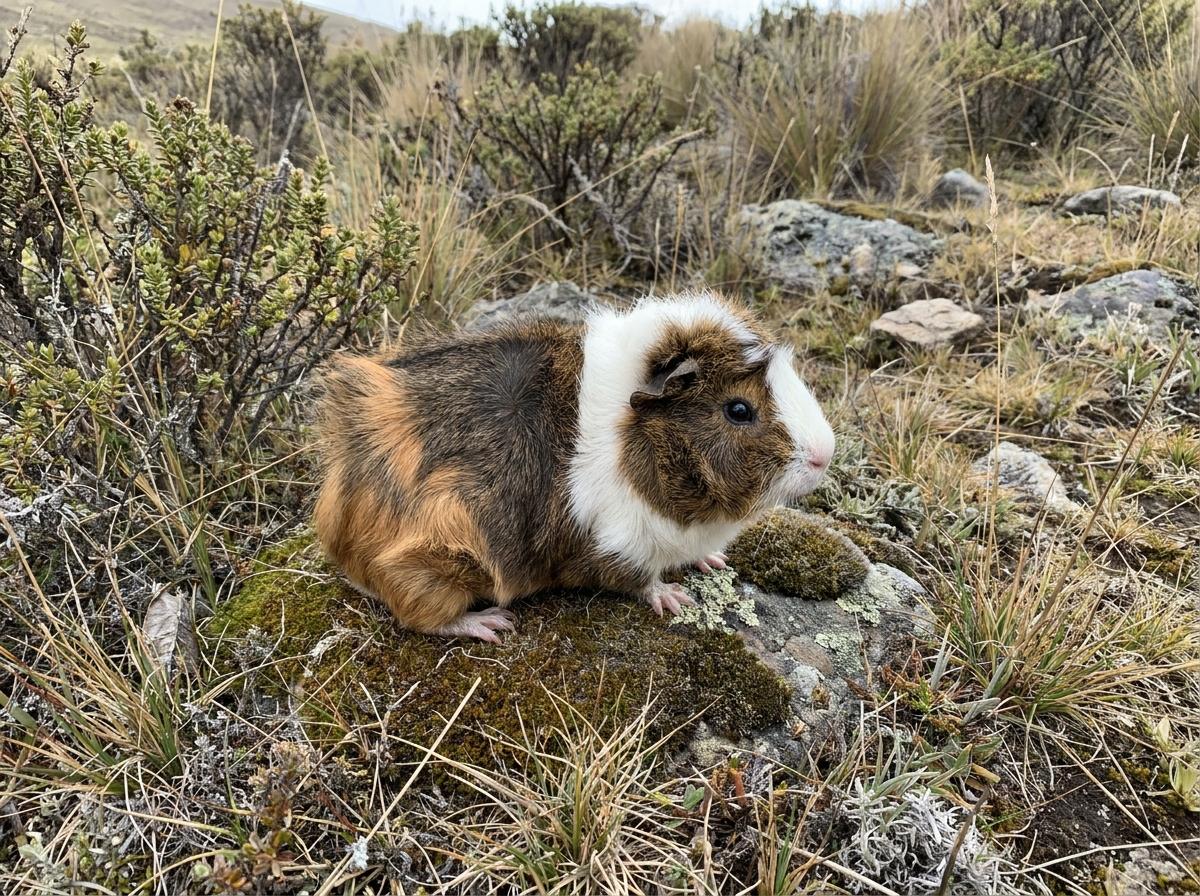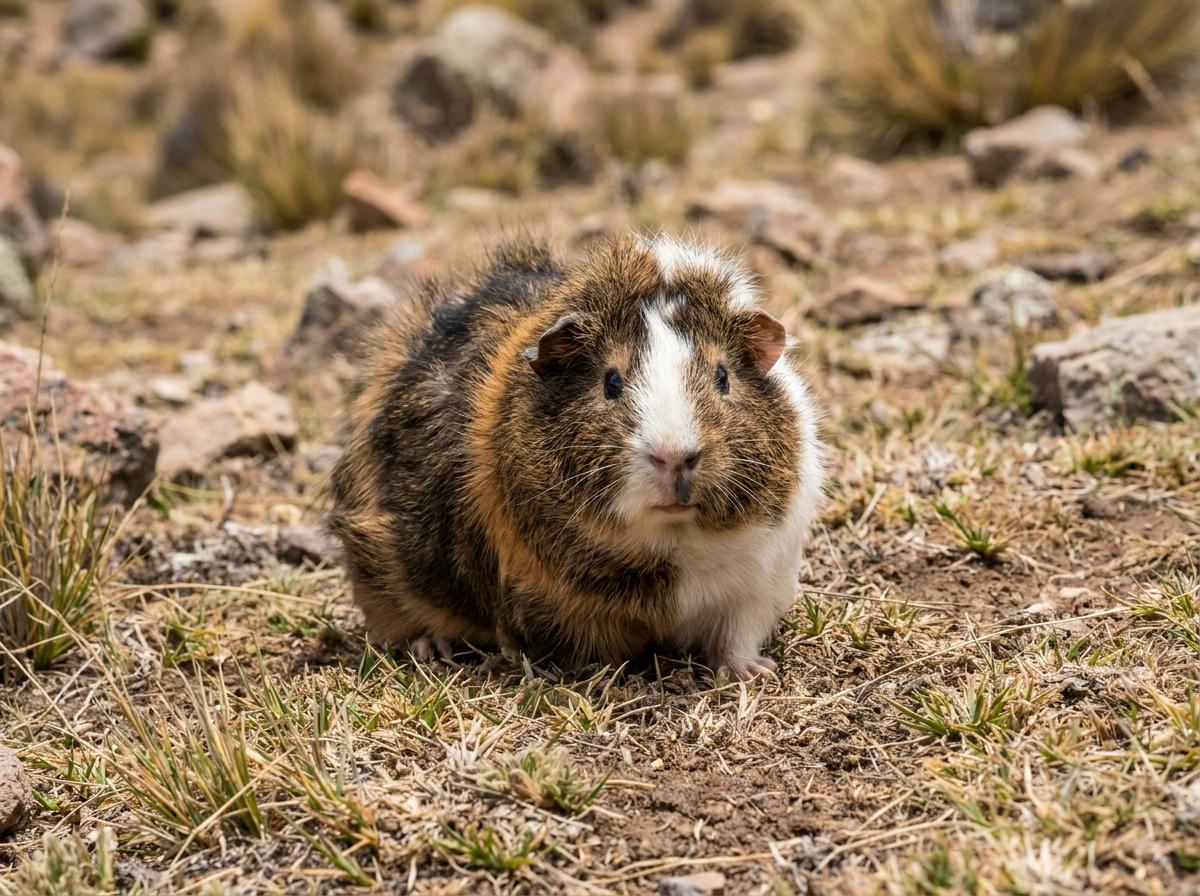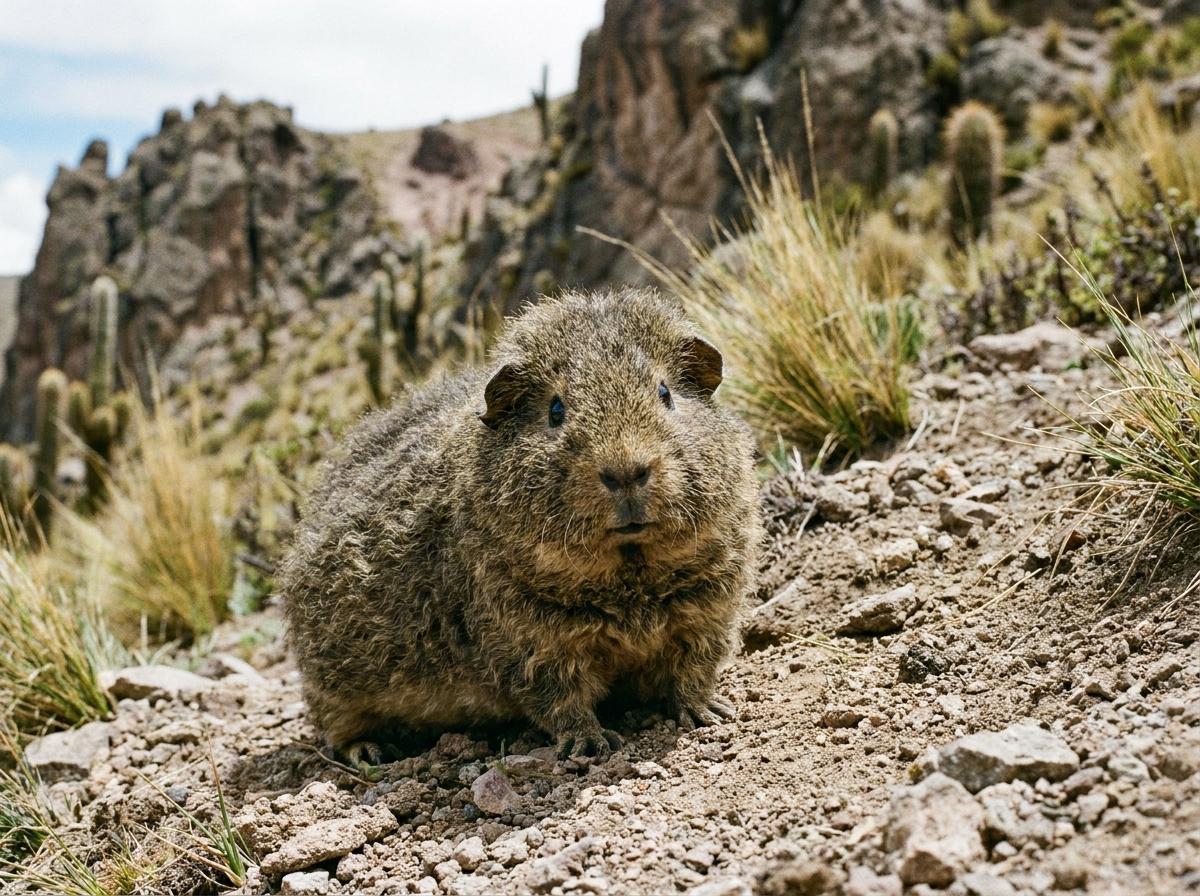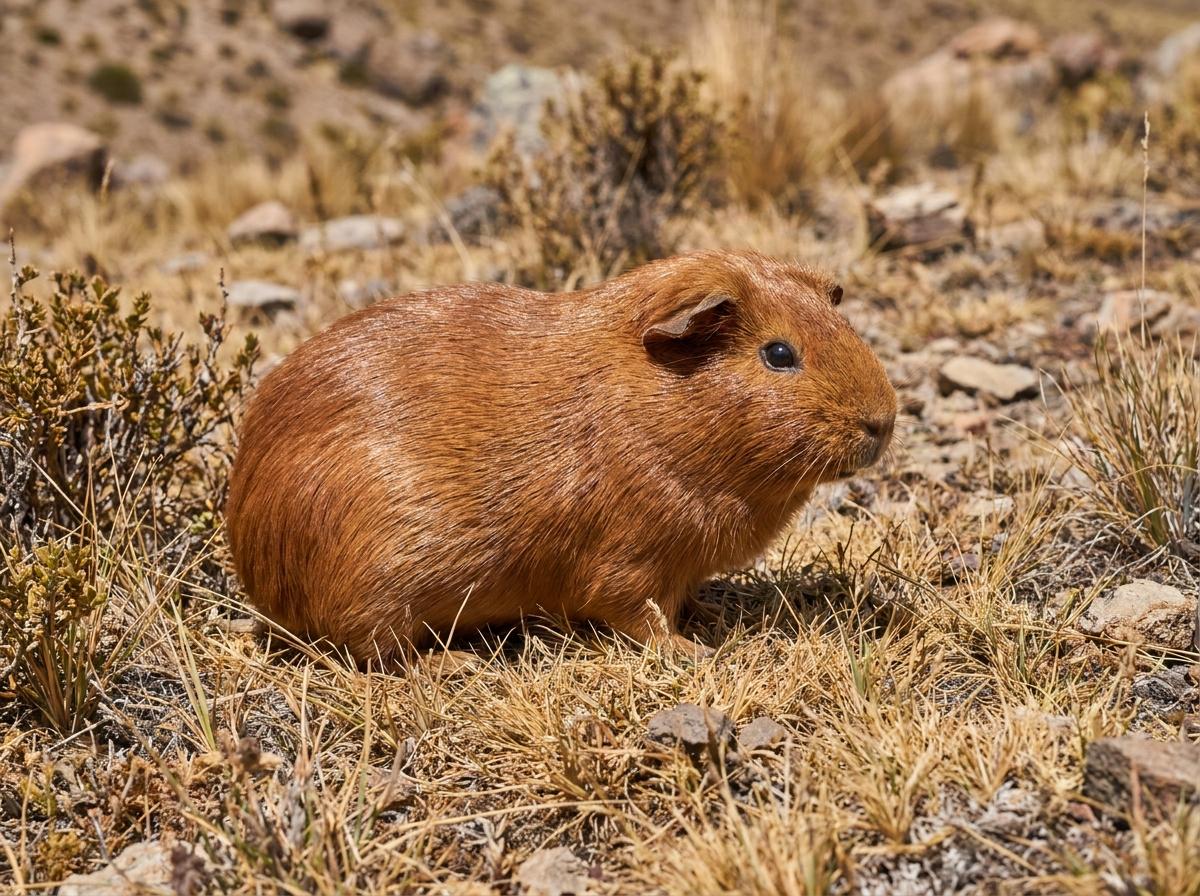


Alpaca
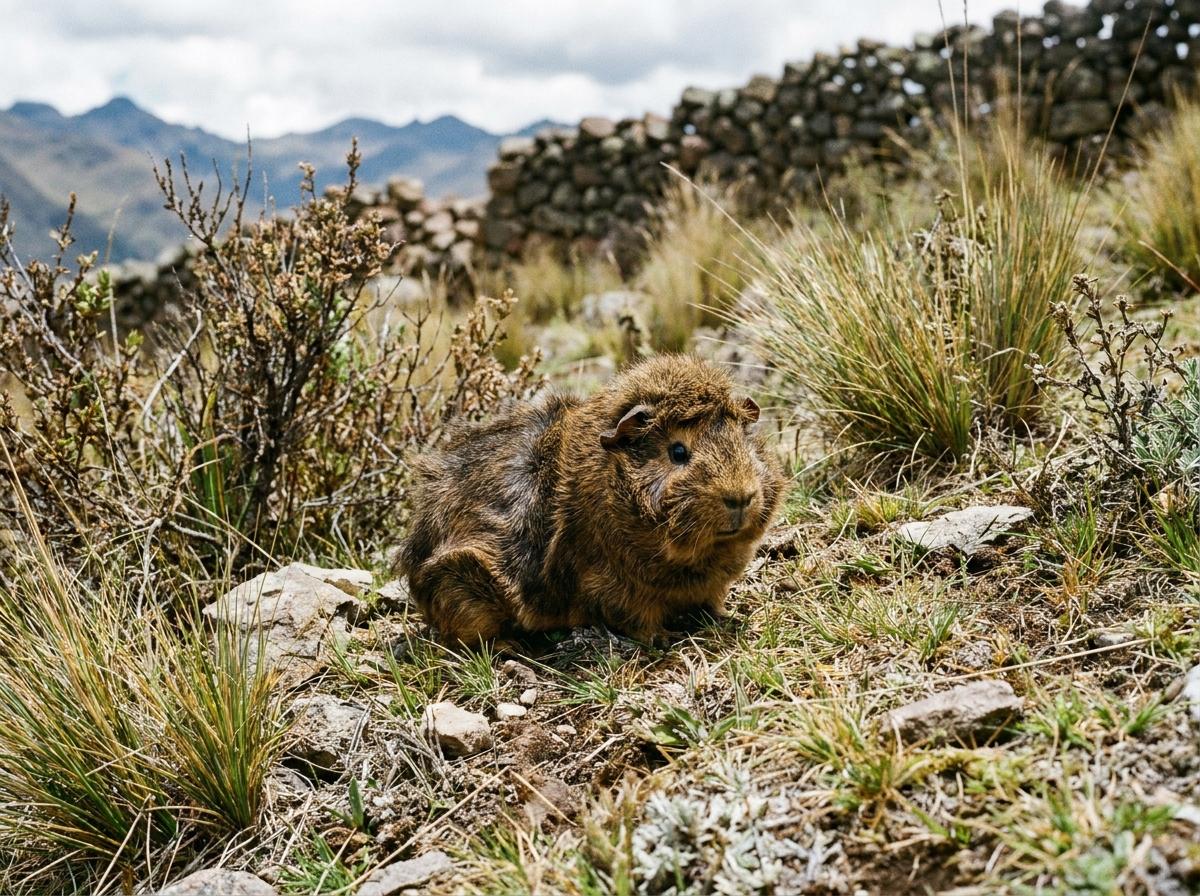
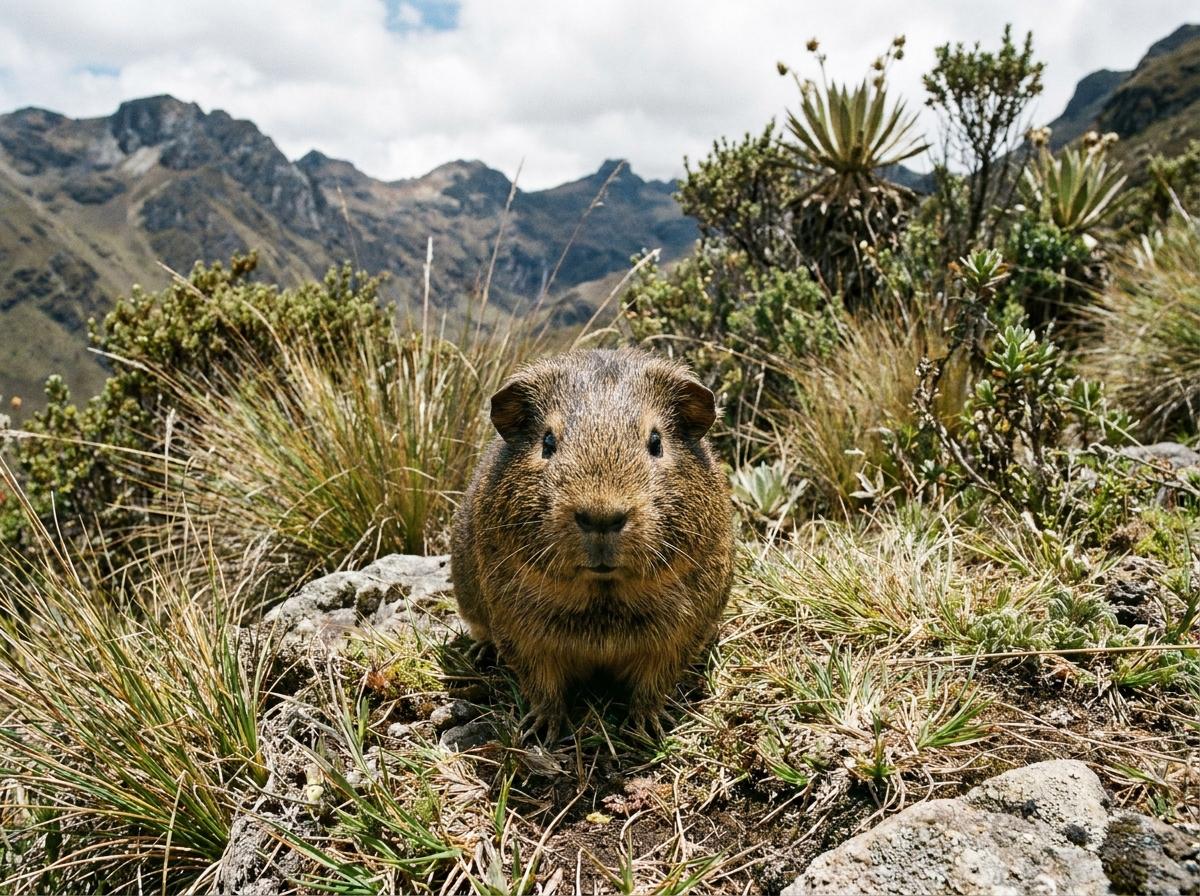
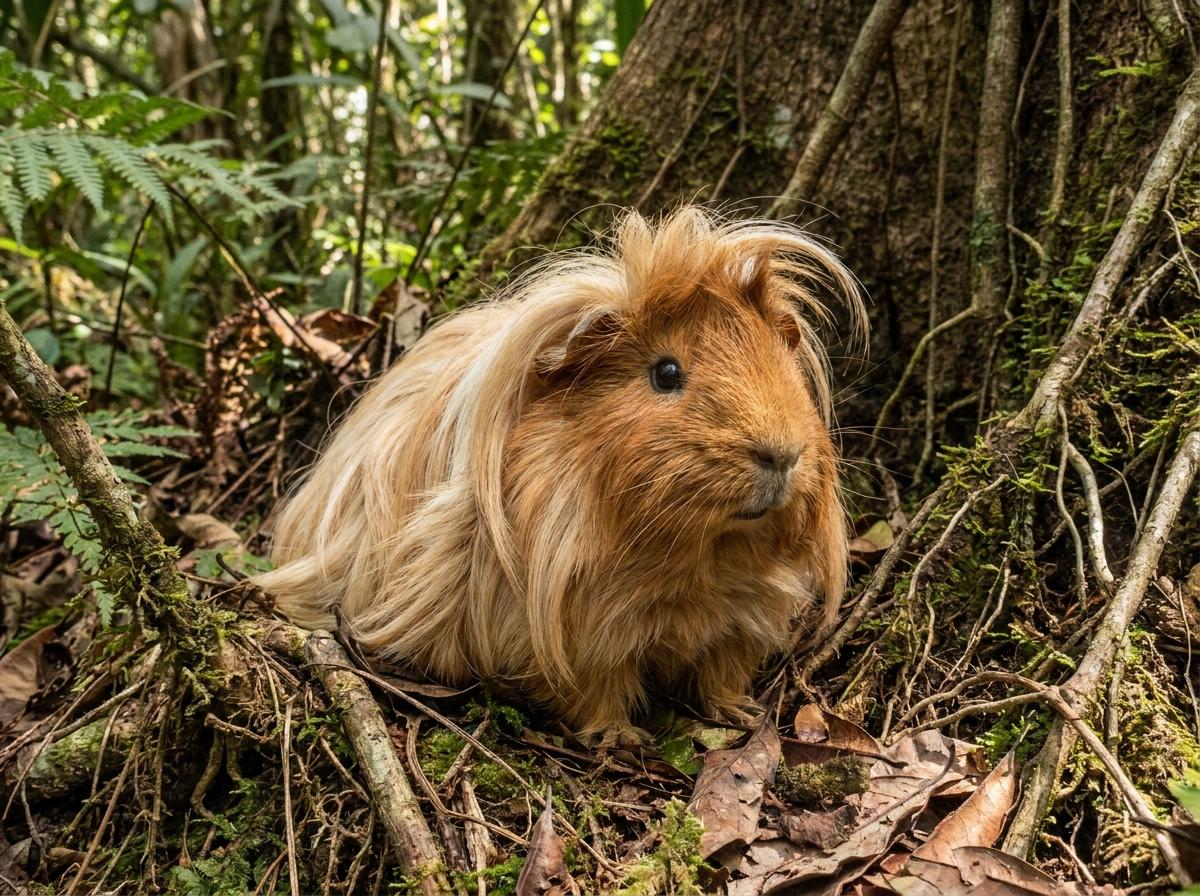
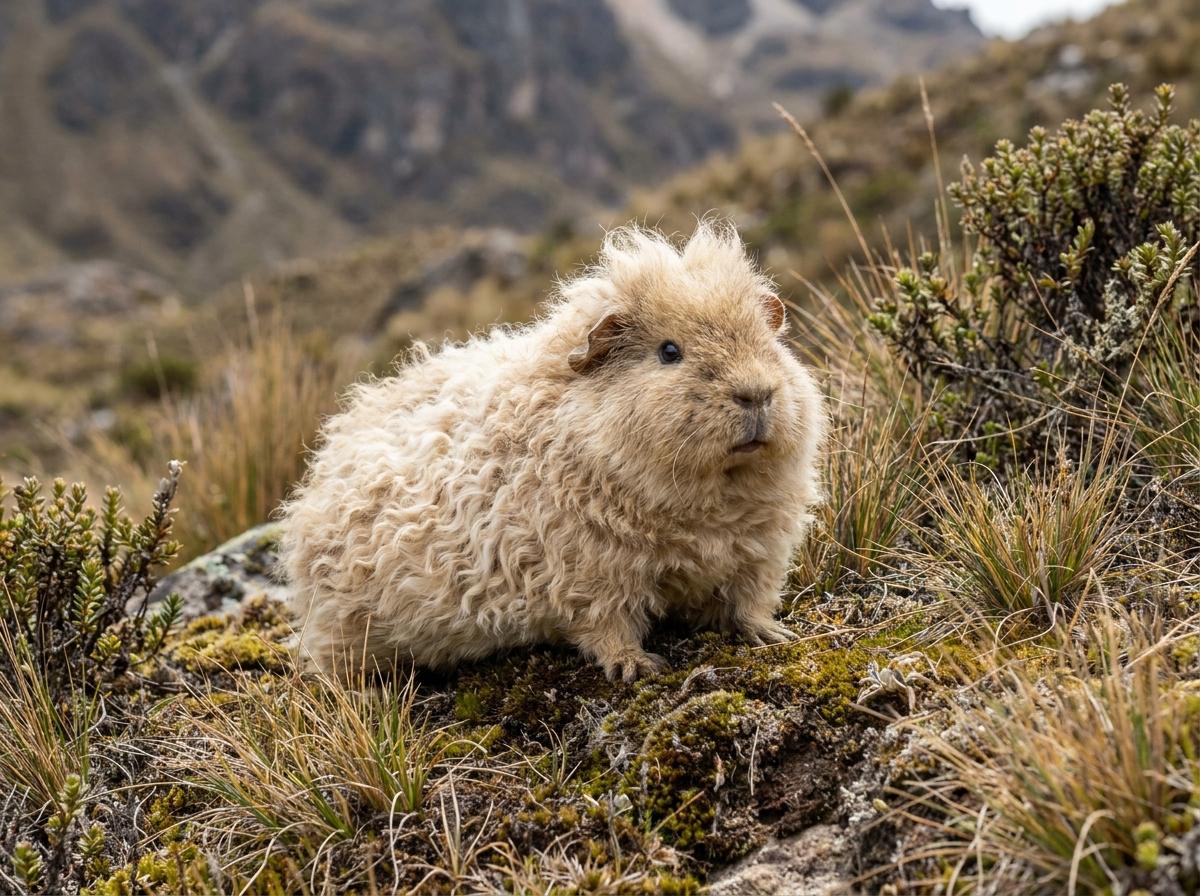
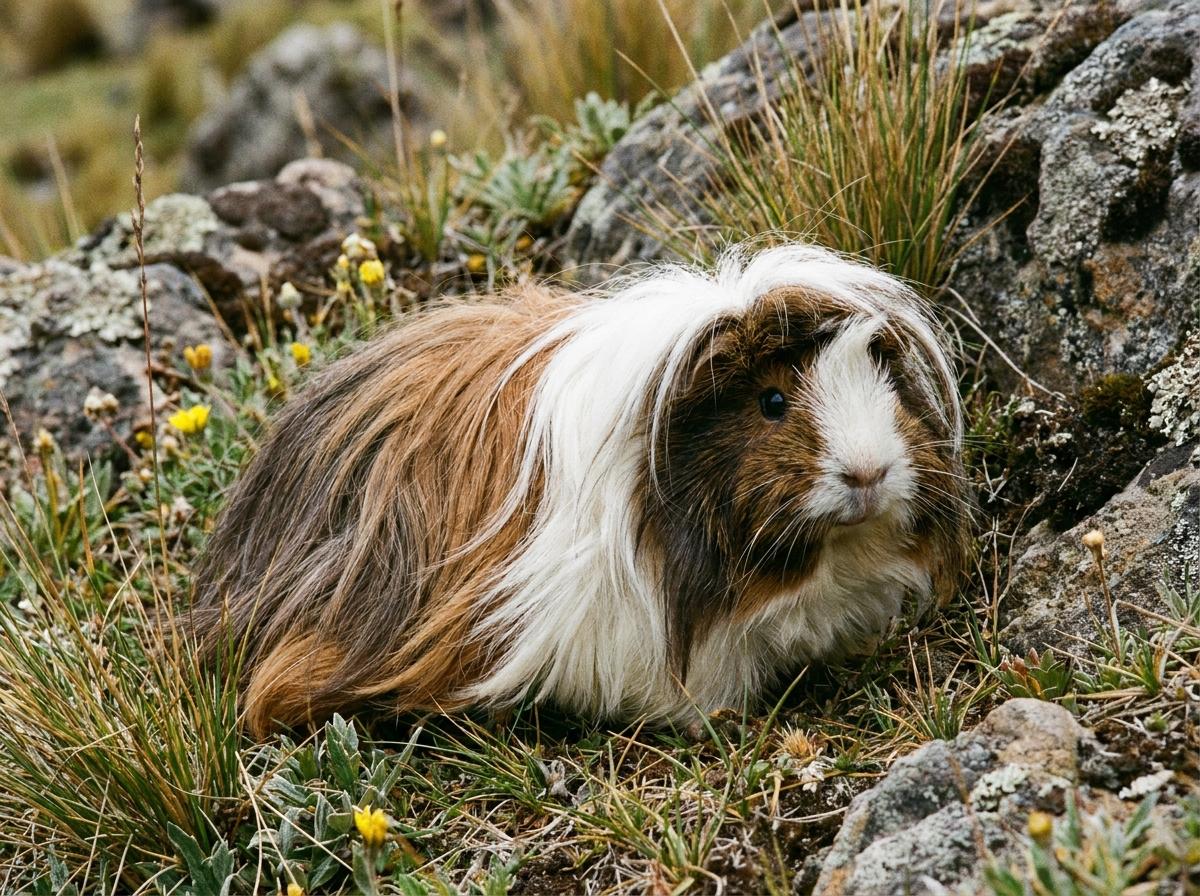
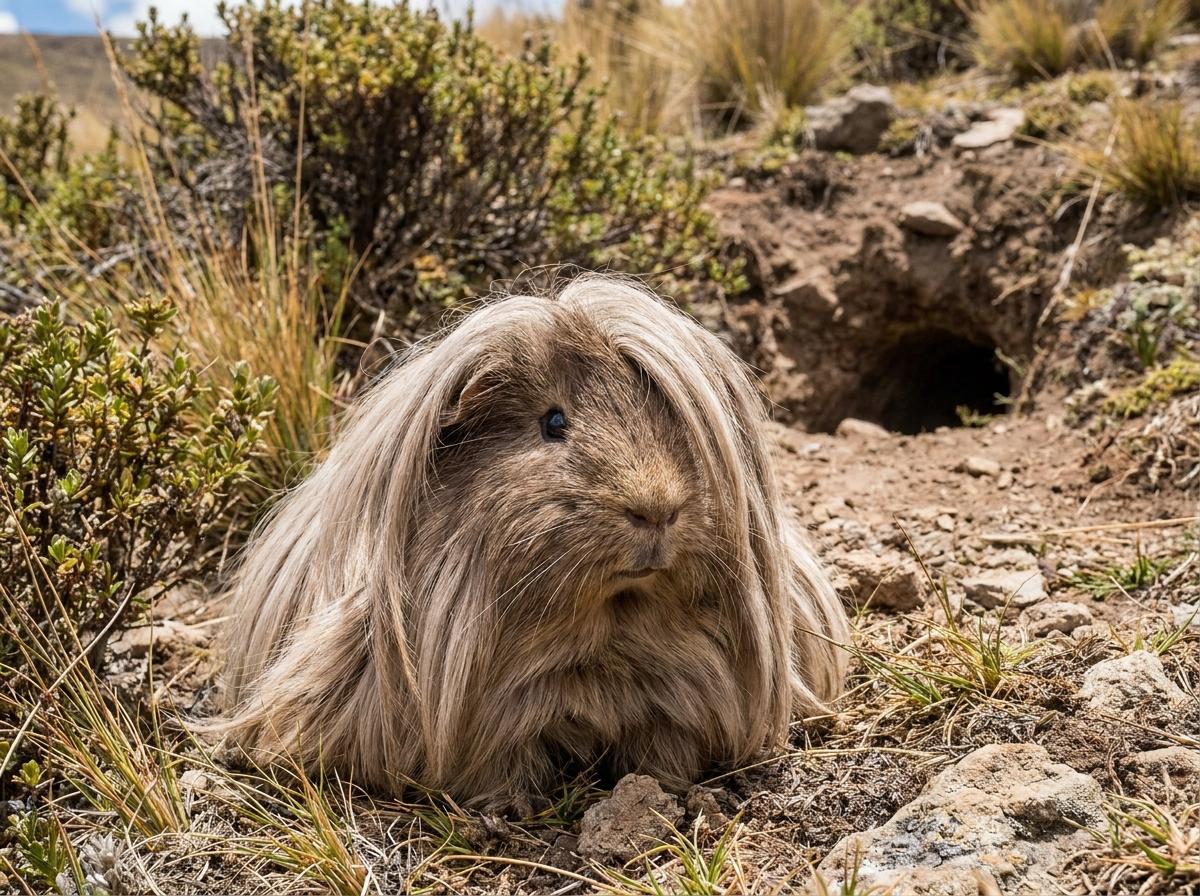
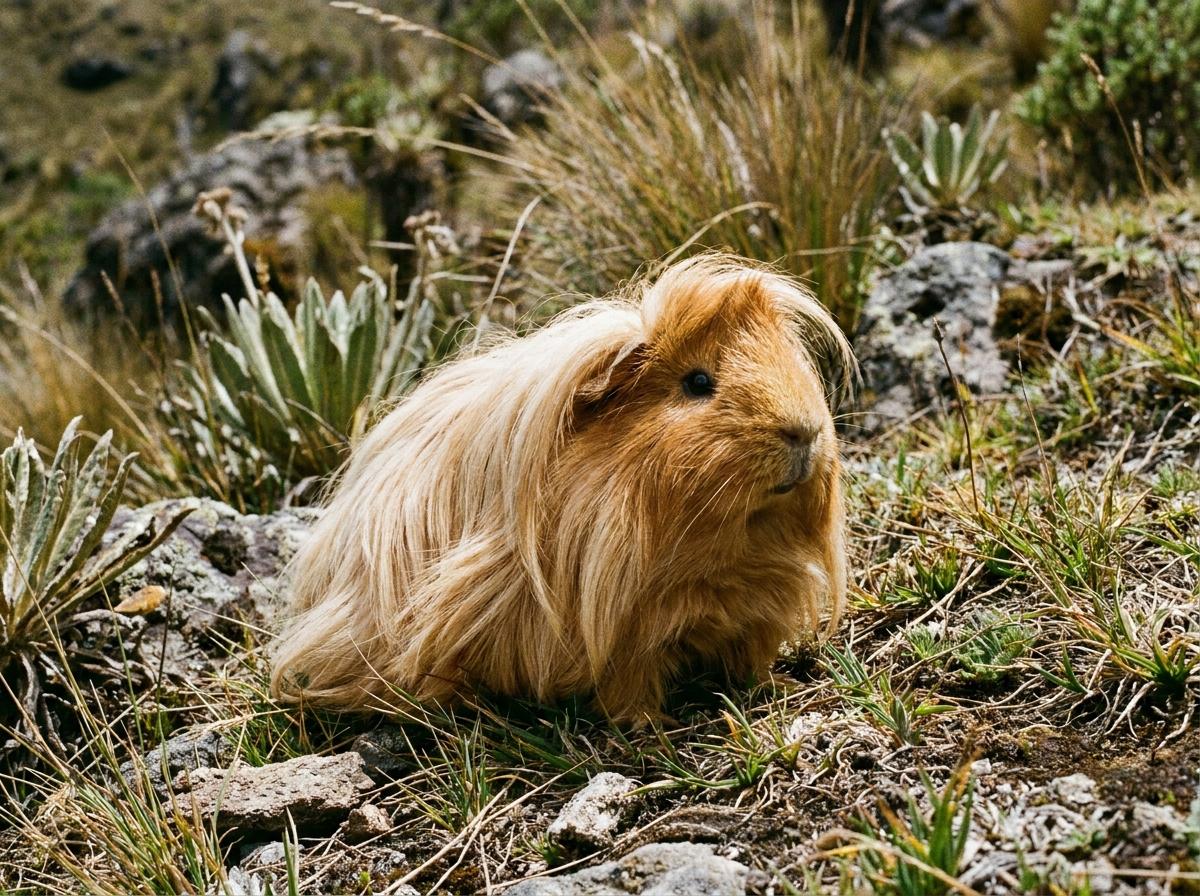
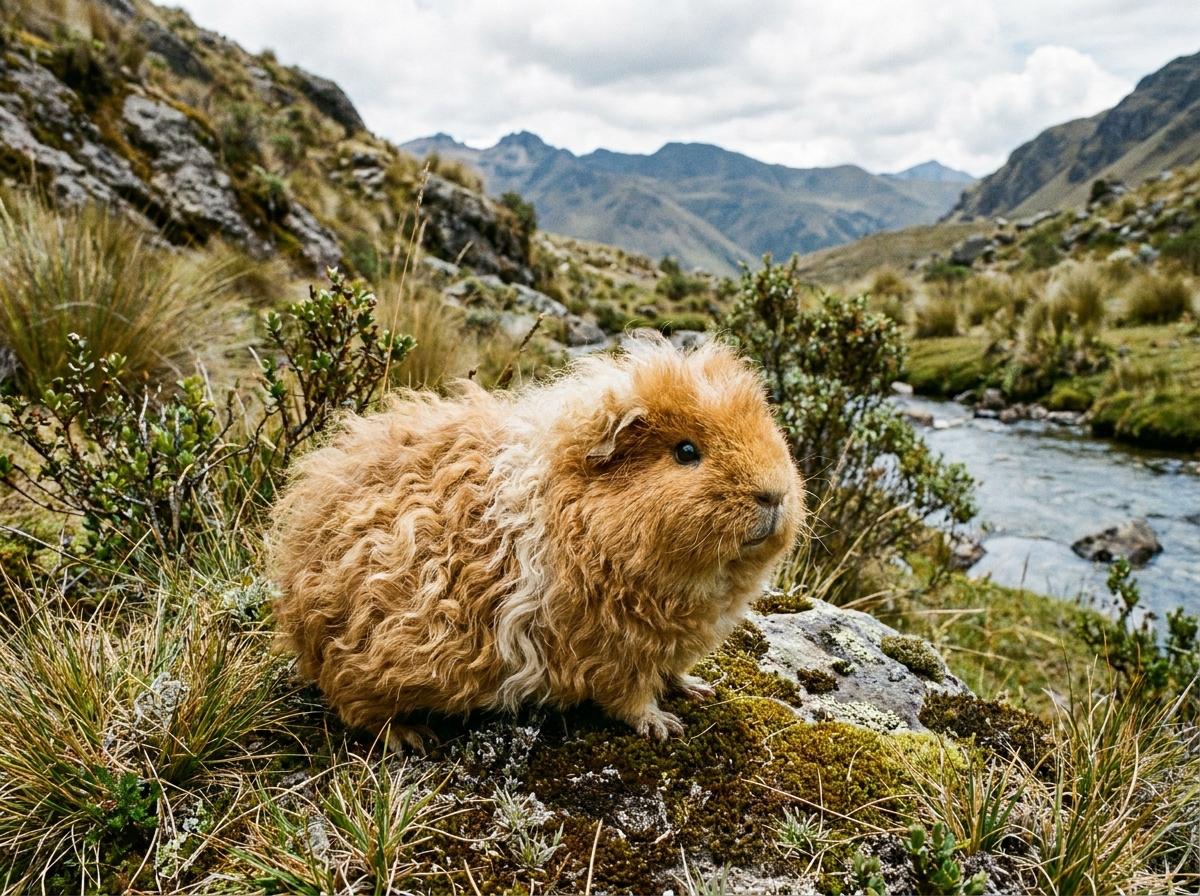
The Alpaca guinea pig is a rare long-haired cavy with a long, dense, curly coat, two rosettes on its rump, and a forward sweep of hair that falls over its face like a fringe. Think of it as a curly-coated cousin of the Peruvian: same long flowing hair and the same forward fall over the face, but waved or ringleted rather than straight. That curl, plus the rump rosettes, is exactly what separates it from the other curly long-hair, the Texel, whose coat sweeps backward instead. The Alpaca is one of the harder breeds to find, it is not recognized by the main North American show registry, and its coat is a real grooming commitment. This page covers what the breed actually is, how to tell it apart from look-alikes, what owning one involves day to day, and how to find one, with the everyday care points you should know before you commit.

Browse listings, public profiles, breeders, or add your animal.
What is an Alpaca guinea pig?
The Alpaca is one of the long-haired guinea pig breeds, and the simplest way to picture it is a Peruvian guinea pig with curls. A Peruvian has long, straight hair that grows forward over the face and parts down the back. The Alpaca keeps that same forward growth pattern but the hair is curly or wavy rather than smooth, which gives the breed its dense, ringleted look and its name, after the curly fleece of the alpaca.
Long-haired cavies like this are firmly companion animals, kept for their looks and their sociable, affectionate nature rather than for any working purpose. If you are weighing the Alpaca against smoother or shorter coated cavies, the broader Creatures guinea pig species page is a good place to compare it with other breeds before you decide.
One honest caveat up front: compared with established breeds, well-documented breed-specific detail on the Alpaca is thin. Most reliable information treats it as a curl variant of the long-haired Peruvian type, and the most useful facts come from cavy clubs, exotic-pet veterinary sources, and general guinea pig care references rather than from a single formal breed standard. Where the record is genuinely uncertain, this page says so rather than inventing precision.
What an Alpaca guinea pig looks like
The Alpaca has a long, flowing, curly coat and a few features that, taken together, make it identifiable.
- A long curly coat. The defining trait is length plus curl. The hair grows long all over the body and falls in waves or loose ringlets rather than lying flat, which is what gives the breed its full, fluffy outline.
- A forward fringe over the face. Like the Peruvian, the Alpaca’s head hair grows and falls forward, so a long sweep of coat hangs down over the face. This forward fall is one of the breed’s clearest identifiers.
- Rosettes on the rump. Alpacas typically carry two rosettes, the swirls where hair radiates out from a central point, on the rump. Some animals also show a rosette on the head. Those rump rosettes are part of how the coat builds its shape.
- Standard guinea pig size and build. Underneath the coat, an Alpaca is a normal guinea pig. Adults generally weigh somewhere in the range of about 700 to 1,200 grams, with sows (females) toward the lighter end and boars (males) heavier, in line with the typical weights veterinary references give for the species.

Alpaca vs Texel vs Peruvian: telling the curly long-hairs apart
Three long-haired breeds get confused, and the coat direction is the key.
- Alpaca. Long and curly, with the hair falling forward over the face and two rosettes on the rump. Curly Peruvian, in short.
- Texel. Also curly, but the coat sweeps backward from the face and curls all over the body, including the belly, often with a center part down the back. No forward face fringe. If a curly cavy’s hair flows back rather than forward, you are most likely looking at a Texel, not an Alpaca.
- Peruvian. The straight-haired version: long, smooth hair that grows forward over the face and parts down the spine, with no curl. The Alpaca is, genetically and visually, the Peruvian’s curly counterpart.
In the United Kingdom there is also a closely related curly cavy called the Sheltie or Silkie family of long-hairs, whose hair sweeps back off the face rather than forward, so a smooth back-swept long-hair points to that group rather than to the Alpaca. When you are trying to identify one of these animals, look first at which way the face hair falls, then at whether it is curled or smooth.
Is the Alpaca a recognized breed?
This is where the Alpaca’s status gets genuinely murky, and it is worth being precise.
In North America, cavy shows run under the American Rabbit Breeders Association (ARBA) and its specialty club, the American Cavy Breeders Association (ACBA). ARBA currently recognizes 13 cavy breeds: Abyssinian, Abyssinian Satin, American, American Satin, Coronet, Peruvian, Peruvian Satin, Silkie, Silkie Satin, Teddy, Teddy Satin, Texel, and White Crested. The Alpaca is not on that list. The straight Peruvian and the back-swept Texel are recognized, but the curly forward-coated Alpaca is not yet an ARBA or ACBA breed, so you will not see it on the show table in the US the way you would a Peruvian.
The breed is better established in the United Kingdom, where the British Cavy Council maintains a full Alpaca breed standard, and where curly long-hairs like the Alpaca have been developed and worked on by specialist breeders. Even there, the Alpaca is treated as a developing or specialist curly variety rather than one of the long-settled classic breeds.
The practical takeaway: do not expect formal pedigree paperwork, a single agreed standard, or wide show recognition the way you would for a mainstream breed. An Alpaca is identified by its coat (long, curly, forward fringe, rump rosettes) more than by any registry certificate.
Temperament
Long-haired guinea pigs, the Alpaca included, are generally described as gentle, sweet, and affectionate, the same easygoing temperament that makes guinea pigs popular companions. That is a fair general expectation for the species, but treat it as a guideline rather than a breed-specific guarantee, because temperament in any individual guinea pig depends heavily on handling, socialization, and how much calm, regular interaction it gets.
One important caveat that follows from the coat rather than the personality: an Alpaca is not an ideal first pet for a young child who wants a low-maintenance animal, simply because the grooming load is high. The animal can be lovely and tolerant, but the coat needs an adult’s commitment to stay healthy.
Day-to-day care
The Alpaca needs everything any guinea pig needs, plus a meaningful extra layer of coat care. None of the core guinea pig requirements are optional, so it is worth walking through them.
Grooming: the big commitment
This is the defining ownership cost of the breed. A long curly coat tangles and mats quickly, traps bedding, and picks up urine and droppings, so an Alpaca needs frequent, gentle brushing, often daily, with a wide-tooth comb or soft brush. Long-haired guinea pigs are simply messier than short-haired ones and need cleaning more often.
Many owners keep the hair trimmed, especially around the rear, so it does not constantly drag through bedding and waste. Keeping the area around the bottom clean and tangle-free is not just cosmetic: soiled, matted fur back there can attract flies, and in warm weather flystrike (where flies lay eggs in dirty fur and the maggots damage the skin) is a real and potentially fatal hazard, so that area should be checked often. Because of all this, the Alpaca is not suited to outdoor-only living and is better kept as an indoor companion where its coat stays clean and dry. If your guinea pig ever struggles to keep its rear clean on its own, have a veterinarian check it, since that can signal an underlying health problem rather than just a grooming lapse.

Companionship
Guinea pigs are highly social animals that do not do well alone. Welfare guidance from animal charities is clear that they should be kept with at least one other compatible guinea pig for company, so plan for a pair or small group rather than a single Alpaca. A lone guinea pig is a lonely guinea pig, and the coat care does not change that.
Diet and the vitamin C rule
Guinea pigs have one famous dietary quirk: like humans, they cannot make their own vitamin C and must get it from their diet every day. Veterinary references put the requirement at roughly 10 mg of vitamin C per kilogram of body weight daily for a healthy adult, rising to about 30 mg per kilogram for pregnant sows. A vitamin C deficiency (scurvy) is one of the most common avoidable health problems in pet guinea pigs.
In practice that means unlimited good grass hay as the foundation of the diet, a measured amount of a plain guinea-pig pellet, and fresh vegetables that supply vitamin C, with constant access to clean water. Talk to your veterinarian about whether and how to supplement vitamin C, because adding it to drinking water is generally not recommended (it breaks down quickly and can put the animal off drinking). The coat does not change any of this: an Alpaca eats like every other guinea pig.
Housing and handling
House guinea pigs somewhere with plenty of floor space, solid (not wire) flooring, deep clean bedding, and protection from temperature extremes, since they tolerate neither heat nor cold well. For an Alpaca, clean dry bedding matters even more than usual because of how readily the long coat picks things up. Handle the animal gently and support its body, and use grooming sessions as regular, calm one-on-one time, which doubles as a chance to check the coat and skin for mats, parasites, or sore spots.
Health and lifespan
Most guinea pigs live around 5 to 7 years, and some reach considerably older with good care, so this is a multi-year commitment, not a short-term pet. Beyond the species-wide essentials (daily vitamin C, dental and weight monitoring, parasite checks, and prompt vet attention for any change in eating, droppings, or activity), the Alpaca’s main breed-specific health angle is coat-related: matting, skin irritation under neglected fur, and the flystrike risk already described. Keep clear records of weight, diet, grooming, and any health events so you and your veterinarian can spot problems early, and defer all medical decisions to a veterinarian who can examine the animal.
Cost and availability
The Alpaca is a rare breed, and that scarcity is the main thing that shapes price and availability.
Because long curly cavies are uncommon and harder to breed to type than ordinary short-haired guinea pigs, Alpacas are generally more expensive and harder to find than the breeds you would meet in a typical pet shop. There is no single reliable published price, and it would be misleading to quote a precise figure, so expect to pay a premium over a common guinea pig and to search a while for a genuine one, rather than treating any one number as the going rate.
Two practical points follow. First, because the breed is not formally registered in North America, “Alpaca” on a listing is a description of the coat, not a certified pedigree, so judge the animal by what you can see: long hair, curl, a forward face fringe, and rump rosettes. Second, given how few there are, the most practical way to find one is often to watch for listings over time rather than expecting to find one on demand. You can browse current guinea pigs on the Creatures marketplace and look for breeders in the Creatures directory, and because genuine Alpacas are scarce, a saved listing alert (below) is often the most reliable way to catch one when it appears.
Buying considerations
Because the breed is rare, loosely standardized, and high-maintenance, buy with your eyes open.
- Buy on the coat, not the label. With no formal North American registry behind the name, confirm the animal actually shows the breed’s traits: a long curly coat, hair falling forward over the face, and rosettes on the rump. A smooth coat is a Peruvian or Sheltie type, a backward-sweeping curl is a Texel.
- Be honest with yourself about grooming time. This is the single biggest reason Alpaca ownership goes wrong. If no one in the home can commit to daily brushing and regular trims, a short-haired breed is the kinder choice for both of you.
- See the animal’s living conditions and ask about its history. A clean, well-kept coat and good body condition tell you a lot. Ask the age, sex, diet, and whether it is used to being handled and groomed.
- Plan for a companion. Since guinea pigs should not live alone, factor in at least a compatible second pig (and the space, food, and care that comes with it) from the start.
- Check sex and health before committing, ideally with a first veterinary visit soon after you bring the animal home, so you start its records on a clear baseline.
Frequently asked questions
What is an Alpaca guinea pig?
It is a rare long-haired guinea pig with a long, curly coat, a forward-falling fringe of hair over its face, and two rosettes on its rump. The easiest description is a curly-coated version of the Peruvian guinea pig.
What is the difference between an Alpaca and a Texel guinea pig?
Both are curly long-haired cavies, but the coat direction differs. The Alpaca’s hair grows forward over the face and it has rump rosettes, while the Texel’s coat sweeps backward and curls all over the body without that forward fringe.
Are Alpaca guinea pigs recognized as a breed?
Not by the main North American registry. ARBA and the American Cavy Breeders Association recognize 13 cavy breeds and the Alpaca is not among them. The breed is better established in the United Kingdom, where it is still treated as a developing or specialist curly variety.
Are Alpaca guinea pigs high-maintenance?
Yes, on the coat. The long curly hair tangles, mats, and picks up bedding and waste, so it needs frequent (often daily) brushing and regular trims, especially around the rear. They are best kept indoors and are not ideal for a young child who wants a low-effort pet.
How long do Alpaca guinea pigs live?
Like guinea pigs in general, commonly about 5 to 7 years, and sometimes longer with good diet, housing, and veterinary care.
Can Alpaca guinea pigs live alone?
They should not. Guinea pigs are highly social and welfare guidance is to keep them with at least one other compatible guinea pig.
Do this next on Creatures
Whether you are researching the breed, hunting for a genuine Alpaca, or already keeping one, Creatures is the records, marketplace, and directory layer to do it in one place.
Find one. Browse Alpaca guinea pigs on the marketplace and search trusted breeders in the Creatures directory. New to searching? See saving searches and using your watchlist.
Get alerted. Genuine Alpacas are rare, so set a free Alpaca guinea pig listing alert and we will tell you when one is posted. No account needed to start.
Add your guinea pig. Already have an Alpaca or another cavy? Create a free animal profile in a few minutes, no account needed to start. The walkthrough is in adding an animal to Creatures.
Track grooming and health. Add a health or grooming record to log weight, vitamin C, coat checks, and vet visits. The record sheet opens for any visitor to look around, and a free account saves what you enter. See adding a record and health and medical records for the full how-to.
Stay on top of care. Set reminders for upcoming care so grooming, weigh-ins, and vet checks never slip.
List your animals. Breed or rehome guinea pigs? Create a breeder or organization profile so people searching for this hard-to-find breed can reach you. No account needed to start.