Budyonny
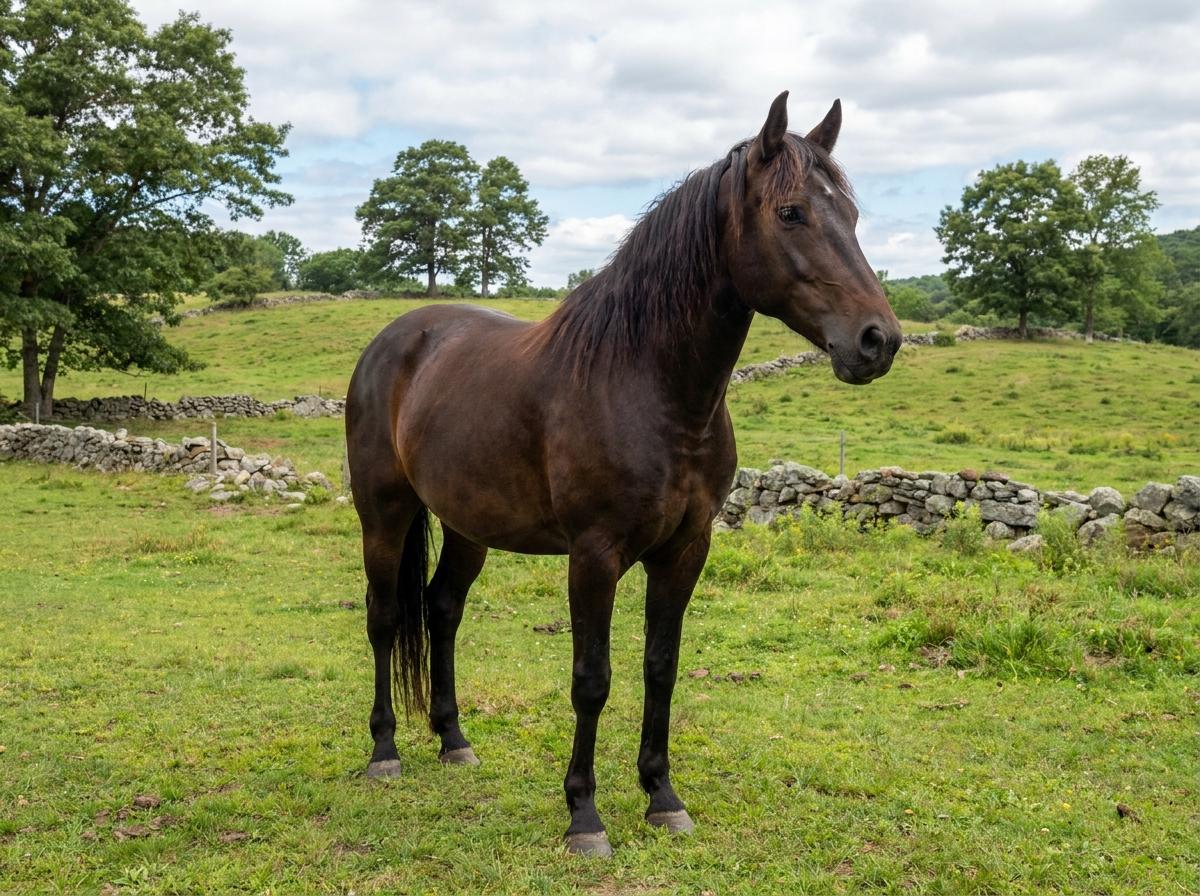
The Budyonny (also spelled Budenny or Budyonnovskaya) is a Russian warmblood sport horse, created at military stud farms in the 1920s and 1930s by crossing hardy Don mares with English Thoroughbred stallions. It was bred first as a cavalry remount and named for Marshal Semyon Budyonny, the Red Army cavalry commander who directed the program, and it has since become one of Russia’s best-known competition breeds. The Budyonny is famous above all for a rich golden-chestnut coat that often carries a metallic sheen, inherited by way of the Don from the ancient Akhal-Teke. It stands a solid riding-horse height, is athletic and free-moving across all gaits, and is known for stamina and toughness. This page covers what the Budyonny is, where it comes from, how it looks, what it is used for, its temperament, what one costs, and what to check before you buy.

Browse listings, public profiles, breeders, or add your animal.
What is a Budyonny horse?
The Budyonny is a Russian sport horse developed in the region around Rostov-on-Don in southern Russia. It belongs to the warmblood family of purpose-bred riding and competition horses, and it was engineered deliberately, over roughly two decades, to combine two very different sets of qualities: the speed, elegance, and athleticism of the English Thoroughbred and the endurance, hardiness, and calm working temperament of the native Russian Don horse. The result is an athletic, well-balanced riding horse of solid size with free, easy movement at all gaits.
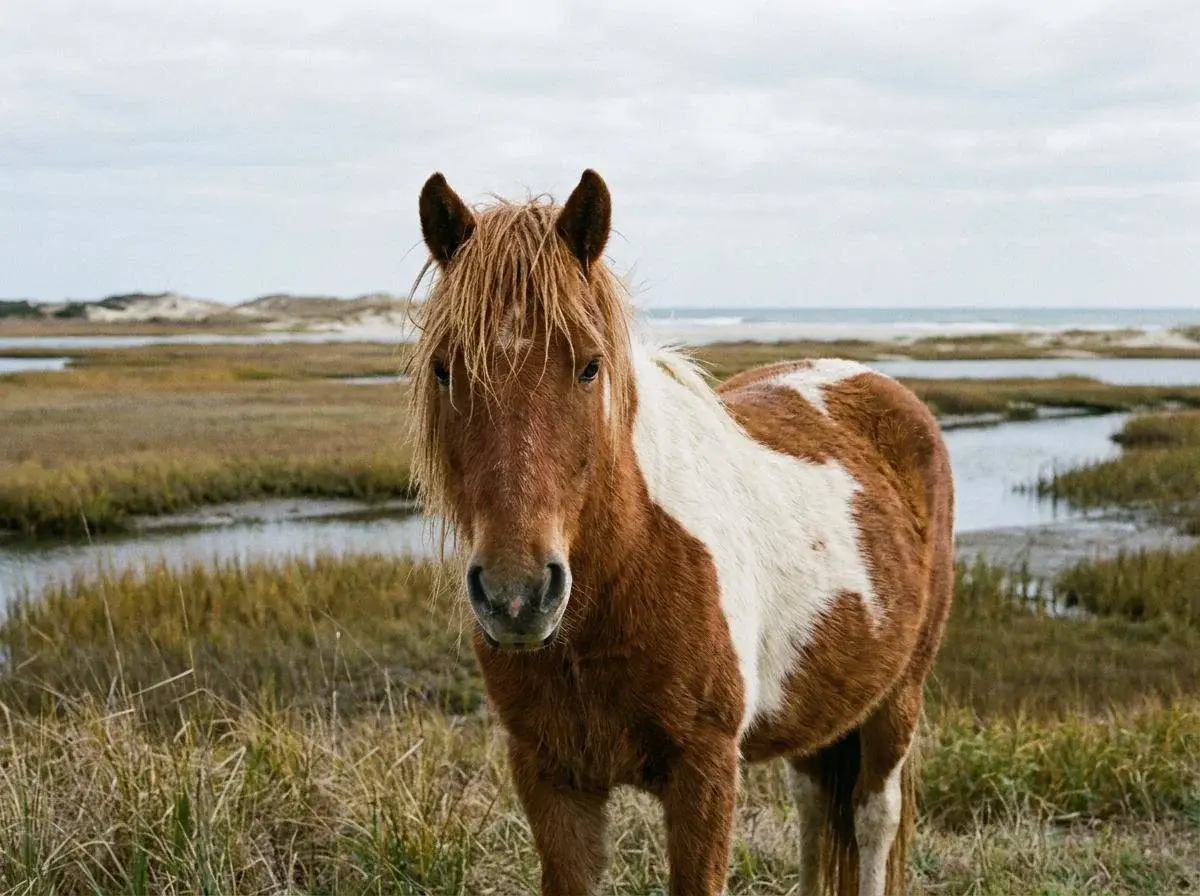
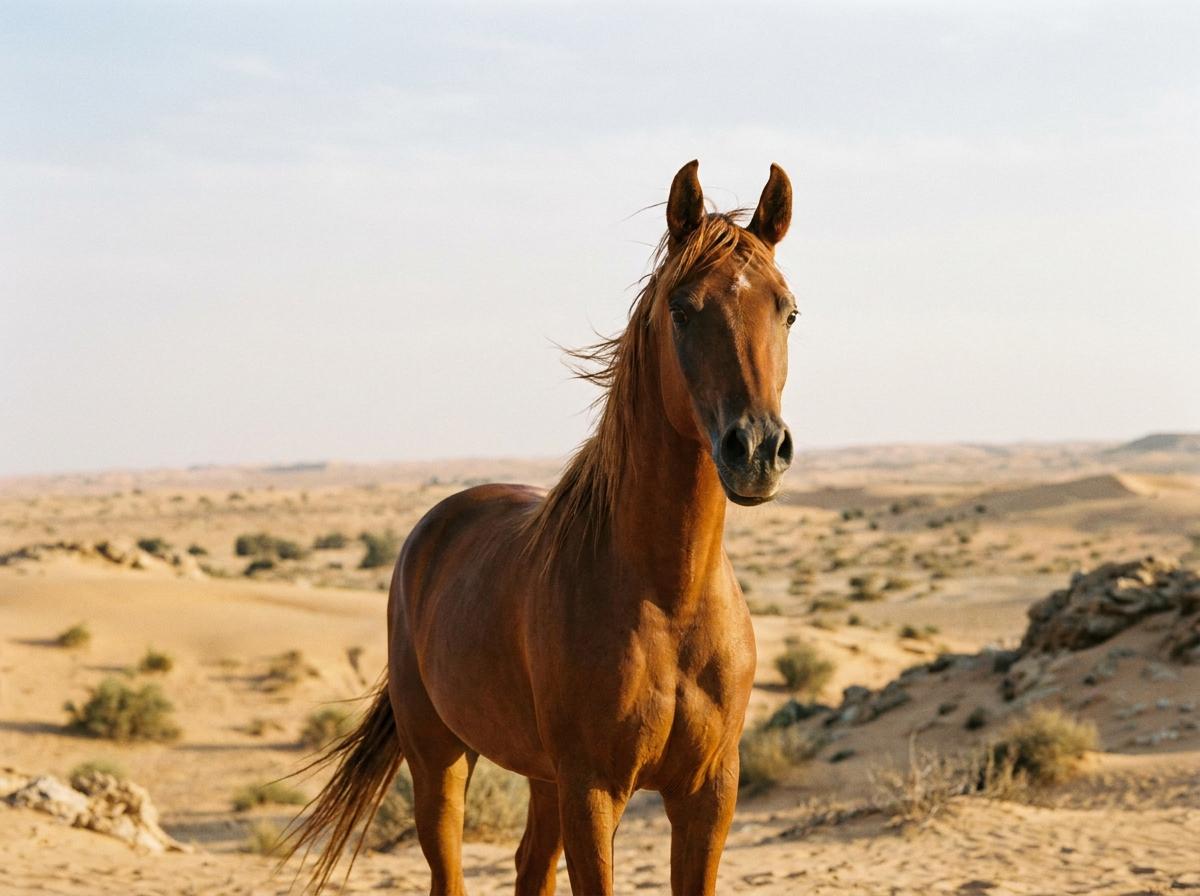
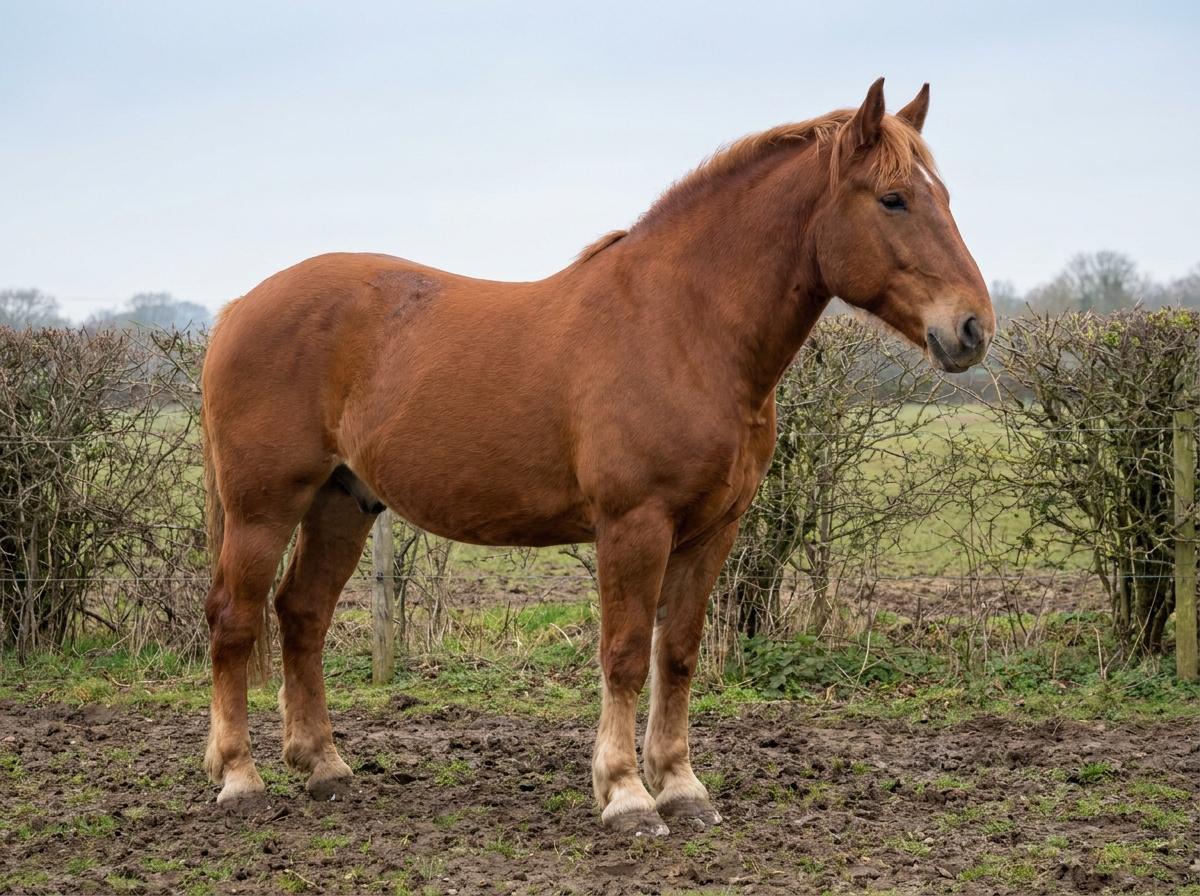
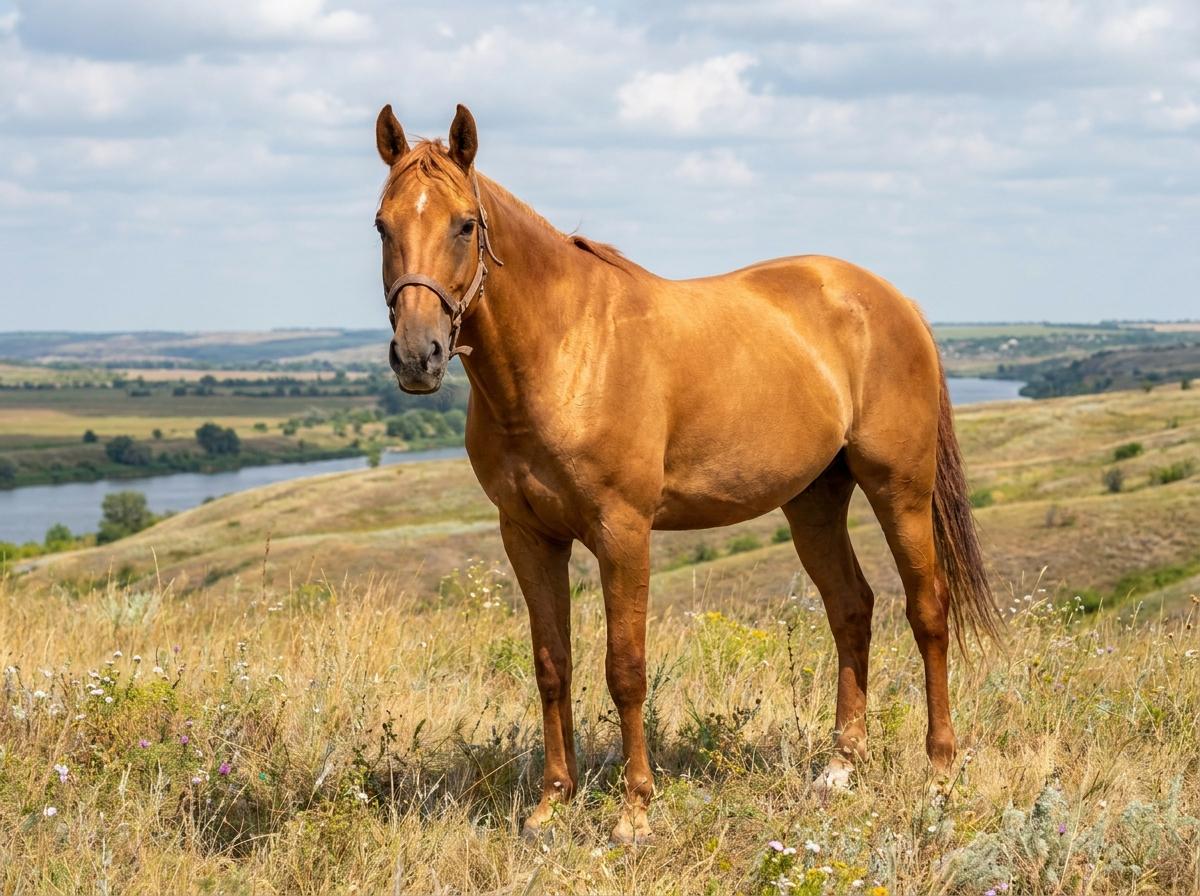
Its most recognizable feature is color. The great majority of Budyonnys are chestnut, and many carry a striking golden or metallic sheen on the coat. That sheen is not a trick of the light or a grooming product; it is a genuine breed characteristic inherited through the Don horse, which in turn traces it to the Akhal-Teke, the ancient Central Asian breed famous for a gold, coin-like luster in the coat. In the Akhal-Teke the metallic effect comes from an unusual hair structure that refracts light, and the Budyonny is one of the breeds that carries a version of that inheritance.
If you are earlier in your search and still comparing sport horses and riding types, the broader Creatures horse species page is a good place to weigh a purpose-bred warmblood like the Budyonny against other breeds.
Origin and history
The Budyonny is a twentieth-century breed with an unusually clear origin story, because it was created on purpose by the state rather than emerging slowly as a landrace.
After the First World War and the Russian Civil War, the Soviet cavalry had lost enormous numbers of horses and needed a reliable, athletic remount to rebuild its mounted divisions. The program to produce one was directed by Marshal Semyon Budyonny, a celebrated Red Army cavalry commander, and the breed carries his name. Work began in the early 1920s and ran through the 1930s, centered on military stud farms in the Rostov region of southern Russia, with the stud farms named for Budyonny himself and for the First Cavalry Army, in the Rostov region near Salsk, usually cited as the principal breeding centers.
The method was a planned crossbreeding program. Breeders took local Don mares, prized for their toughness, stamina, and steady temperament, along with some Chernomor mares (a related steppe horse), and bred them to imported English Thoroughbred stallions selected for speed and quality. The first-generation crosses were known as Anglo-Dons and Anglo-Chernomors, and the best of these were interbred and selected. According to breed references, the foundation stock was drawn from a large base of these crossbred mares, several hundred in number, which were then bred back to Anglo-Don and Thoroughbred stallions to fix the type. Early experiments that added Kirghiz and Kazakh steppe blood were later dropped because those lines proved less hardy and less conformationally sound than the Anglo-Don foundation.
By the late 1940s the type was consistent enough to be formalized, and the breed was officially recognized in 1949. Budyonny horses served in Soviet cavalry units during and after the Second World War, exactly the role they had been bred for. As mechanized armies made cavalry obsolete, the breed was redirected toward sport, which is where it lives today. One often-cited episode from the 1950s illustrates the toughness the program had built in: a group of Budyonnys was turned loose on an island in Lake Manych in the Rostov district and left to fend for themselves, and the herd survived and reproduced without human help, an informal test of the breed’s hardiness under natural conditions.

What a Budyonny horse looks like
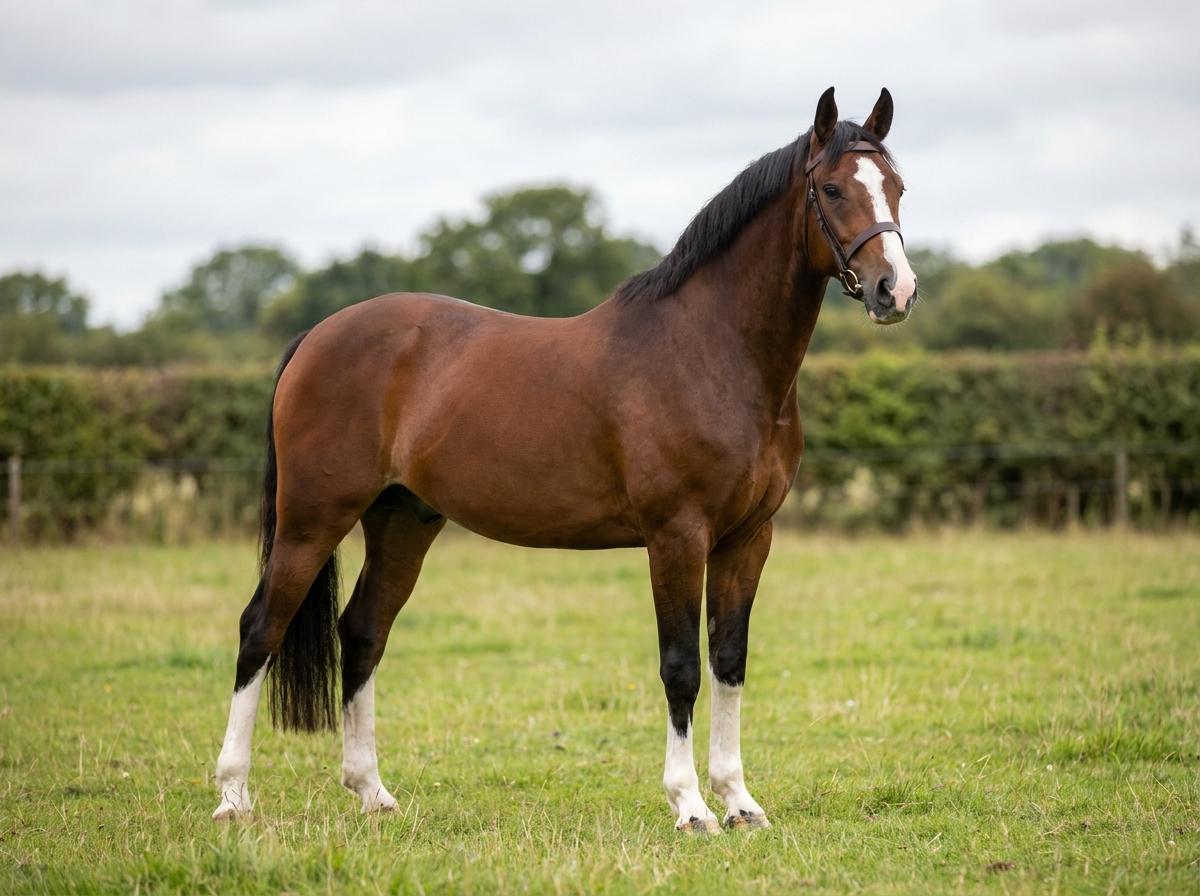
The Budyonny reads as an athletic, well-made riding horse rather than a heavy draft type or a purely refined racing type. It sits in the middle: substantial enough to carry weight and work, refined enough to move and jump well.
- Height and build. Most Budyonnys stand roughly 15.3 to 16.3 hands. Breed measurements put stallions at an average of about 165 cm (16.1 hands) and mares at about 163 cm (16 hands), with typical body weight in the region of 500 to 600 kg. The overall frame is deep and well-proportioned, with clear athletic muscling.
- Head and neck. The head is well-proportioned with a straight profile, set on a long neck, which gives the breed a clean, elegant front end that reflects its Thoroughbred inheritance.
- Body. Breed descriptions emphasize pronounced withers, sloping shoulders, a wide and deep chest, a long straight back, and a slightly sloping croup, the conformation of a horse built to move freely and cover ground.
- Legs. The legs are long and strong with good joints and well-formed hooves. Breed references do note that some individuals show conformation faults such as offset cannon bones in the forelegs or overly straight hind legs, which is a reminder to assess legs carefully on any individual horse.
- Color. Chestnut dominates the breed, reported at around 80 percent of animals, and the golden metallic sheen is most associated with these chestnut coats. Bay, gray, and black also occur but are less common.
The combination of solid size, clean conformation, free movement, and that unmistakable golden coat is what makes the Budyonny recognizable and what has carried it from the cavalry line into the competition arena.
The golden sheen, explained
Because the golden, almost burnished look of a good Budyonny is the first thing most people notice, it is worth being precise about it. The metallic sheen is a real, heritable coat characteristic, not a coincidence of a shiny chestnut. It comes down through the Don horse from the Akhal-Teke, the desert breed of Turkmenistan long celebrated for a gold, metallic bloom in the coat. In the Akhal-Teke the effect is produced by the physical structure of the hair itself, which bends and reflects light in an unusual way, and the Budyonny inherited a share of that trait along with the Don’s other desert-steppe qualities. Not every Budyonny is equally lustrous, and coat condition, season, and grooming all affect how strongly the sheen shows, but at its best it is one of the breed’s signature features.
What Budyonny horses are used for
The Budyonny was bred as a cavalry horse, and everything about it, the size, the stamina, the free gaits, the willing temperament, made it good at that job. When cavalry gave way to mechanization, those same qualities transferred cleanly to modern equestrian sport, which is the breed’s role today.
The Budyonny is used as an all-round competition horse. It competes in show jumping, three-day eventing, dressage, and endurance, and it has a long association with racing and steeplechasing in Russia, where flat and jump racing were used partly as a performance test to select breeding stock. In eventing, the breed’s stamina and versatility are the assets; in dressage, its clean conformation and regular gaits; and in show jumping it has a strong reputation at home. The breed is also suitable for light carriage driving and as a general riding horse.
One of the breed’s most useful practical traits is its athletic recovery. Budyonny horses are reported to recover from hard exercise faster, and with a lower pulse rate, than the average horse, a legacy of the endurance selection built into the breeding program from the start. That combination of speed, stamina, and quick recovery is exactly what makes an all-round sport horse, and it is why breeders promoting the Budyonny today frame it as a “Russian sport horse” aimed at the international performance disciplines.

Temperament
The Budyonny is generally described as energetic, intelligent, obedient, and willing to work, and as an easily trained, level-headed horse. That even temperament is part of the Don inheritance, since the Don was valued as a steady, sensible cavalry mount, and it is one of the reasons the Budyonny adapted so well from military use to amateur and professional sport.
As with any breed, treat this as a well-founded generalization rather than a guarantee about a specific animal. A Budyonny carries a good deal of Thoroughbred blood, so it is a forward, athletic horse with real energy, and individual temperament still varies with breeding, handling, and training. What you can reasonably expect from sound Budyonny stock is a bright, trainable, hard-working disposition rather than a placid one. Match a specific horse’s energy and schooling to your own experience and goals rather than assuming the breed label settles it.
Size, weight, and lifespan
Adult Budyonnys generally stand between 15.2 and 16.2 hands, with stallions averaging near 16.1 hands (165 cm) and mares near 16 hands (163 cm), and weigh roughly 500 to 600 kg. That places the breed firmly in full-size riding-horse territory, big enough to carry an adult rider comfortably in sport without being a heavy horse.
There is no authoritative breed-specific lifespan figure, so the honest answer is the general horse expectation: with good care, horses commonly live into their mid-to-late twenties, and some well-managed individuals reach their early thirties. Treat that as a general range for the species rather than a guarantee for the breed, and remember that a horse’s working and competitive life is shorter than its total lifespan.
Cost and availability
There is no single reliable public price for a Budyonny, and anyone quoting a precise universal figure should be treated with caution. As with any sport horse, the price of an individual animal is driven by age, training, competition record, bloodline, registration, and location, and the honest framing is a range rather than a number.
A few things shape the price in practice. A registered, well-bred youngster from proven bloodlines is a different purchase from an unregistered horse of Budyonny type, and papers matter if pedigree does. Training and proven performance move the number the most, as with any competition horse: a green, unbroken young horse typically trades well below a schooled adult with a genuine record in jumping, eventing, or dressage. Location matters heavily too, because the breed is concentrated in Russia and the surrounding region, so buying one elsewhere adds transport, paperwork, and import cost on top of the purchase price, and can make availability the real constraint rather than price.
Rather than invent a figure, the useful framing is this: expect to pay a real premium for a registered, trained Budyonny with a performance record over a young or unregistered one, and expect availability outside Russia and its neighbors to be limited. And as with any horse, the purchase price is only the start. Board, farrier work, routine and emergency veterinary care, feed, and competition costs add up over the years and quickly outweigh the sticker price, so budget for the ongoing cost of keeping the horse, not just buying it.

Buying a Budyonny: what to check
Because the Budyonny is a purpose-bred sport horse concentrated in one region, verifying substance matters as much here as with any competition animal.
- Confirm registration and pedigree. For a true Budyonny, ask for the studbook registration and pedigree papers. “Budyonny type” in an advertisement is not the same as a registered horse from documented bloodlines, and if pedigree matters to you, the papers are where you confirm it.
- Match the horse to the job. A schooled adult with a real record in your discipline is a very different purchase from a green youngster. Be honest about your own experience and buy the training and temperament you actually need, especially given the breed’s forward, energetic character.
- Assess the legs carefully. Breed references specifically note that some Budyonnys show offset cannon bones or overly straight hind legs. Watch the horse move, and have a professional evaluate conformation and soundness for the work you intend.
- Insist on a pre-purchase veterinary exam. For any sport horse, an independent pre-purchase exam appropriate to the horse’s age and intended work is standard practice. Defer soundness judgments to your veterinarian, not the seller.
- Ask for records. Breeding, competition, health, farrier, and vaccination history tell you how a horse has been managed. On the selling side, keeping those records current is exactly what earns a buyer’s trust.
You can browse current Budyonny listings on the Creatures marketplace and look for breeders and studs in the Creatures directory. Because the breed is concentrated in Russia and bred in modest numbers elsewhere, a saved search alert (below) is often the most practical way to catch the right horse when one appears.
Is a Budyonny horse right for you?
If you want an athletic, good-sized sport horse with real stamina and a bright, trainable temperament for jumping, eventing, dressage, endurance, or all-round riding, the Budyonny belongs on your shortlist. Its blend of Thoroughbred quality and Don hardiness is exactly what its breeders set out to build, and the golden coat is a genuine bonus rather than the point. The main practical caution is availability: purpose-bred, registered Budyonnys are concentrated in Russia and the surrounding region, so sourcing one elsewhere takes patience and planning.
Buyers looking at other hardy or historically interesting breeds have good options to compare. If your plans center on a small, tough native pony rather than a full-size sport horse, the Hucul pony is a hardy Carpathian mountain breed worth a look, and for another distinctive historical breed the Norfolk Trotter is an interesting comparison. If you want a purpose-bred jumping specialist from a very different tradition, the Zangersheide is a modern sport-horse studbook built around show jumping. For any medical decision, always defer to a veterinarian who can examine the animal.
Frequently asked questions
What is a Budyonny horse?
It is a Russian warmblood sport horse developed in the 1920s and 1930s at military stud farms in the Rostov region by crossing hardy Don mares with English Thoroughbred stallions. It was bred as a cavalry remount, named for Marshal Semyon Budyonny, and is used today mainly for equestrian sport.
Why is the Budyonny horse golden?
Most Budyonnys are chestnut, and many carry a golden or metallic sheen on the coat. That sheen is inherited through the Don horse from the Akhal-Teke, a Central Asian breed famous for a gold, metallic luster produced by the unusual structure of its hair.
How big is a Budyonny horse?
Most stand between 15.2 and 16.2 hands, with stallions averaging about 16.1 hands (165 cm) and mares about 16 hands (163 cm), and weigh roughly 500 to 600 kg. It is a full-size riding horse.
What are Budyonny horses used for?
Today they are all-round competition horses, used for show jumping, eventing, dressage, endurance, and racing or steeplechasing, and they also make suitable general riding and light carriage horses. Originally they were bred as cavalry mounts.
Are Budyonny horses good for beginners?
They are intelligent, willing, and generally even-tempered, but they carry a good deal of Thoroughbred blood and are forward, energetic horses. Match a specific horse’s training and temperament to the rider’s experience rather than assuming the breed label makes it a beginner’s horse.
When was the Budyonny recognized as a breed?
The breed was officially recognized in 1949, after roughly two decades of planned crossbreeding and selection at Soviet military stud farms, and its studbook is maintained in Russia.
Do this next on Creatures
Whether you are researching the breed, hunting for a genuine registered horse, or already keeping a Budyonny, Creatures is the records, marketplace, and directory layer to do it all in one place.
Find a horse. Browse Budyonny horses on the marketplace and search trusted breeders and studs in the Creatures directory. New to the marketplace? See saving searches and using your watchlist.
Get alerted. Registered Budyonnys are concentrated in Russia and bred in modest numbers elsewhere, so set a free Budyonny horse listing alert and we will tell you the moment one is posted. No account needed to start.
Add your horse. Already have a Budyonny in the barn? Create a free animal profile in a few minutes, no account needed to start. The walkthrough is in adding an animal to Creatures, and you can see how the profile is organized in your animal’s profile page.
Track health and training. Add health, farrier, and training records on Creatures. The record sheet opens for any visitor to look around, and you will need a free account to save what you enter. See adding a record and health and medical records for the full how-to.
List your stud or barn. Breed or compete Budyonny horses? Create a free breeder or stud profile, then get listed in the breeder directory so buyers searching for this uncommon breed can reach you. If you run the operation with a team, read creating an organization and adding your team.
Sell with confidence. Planning to sell a horse? Learn how seller payout works before you list.
If you breed or compete Budyonny horses, you can also list your stud or barn in the Creatures directory so buyers searching for this uncommon breed can find you.