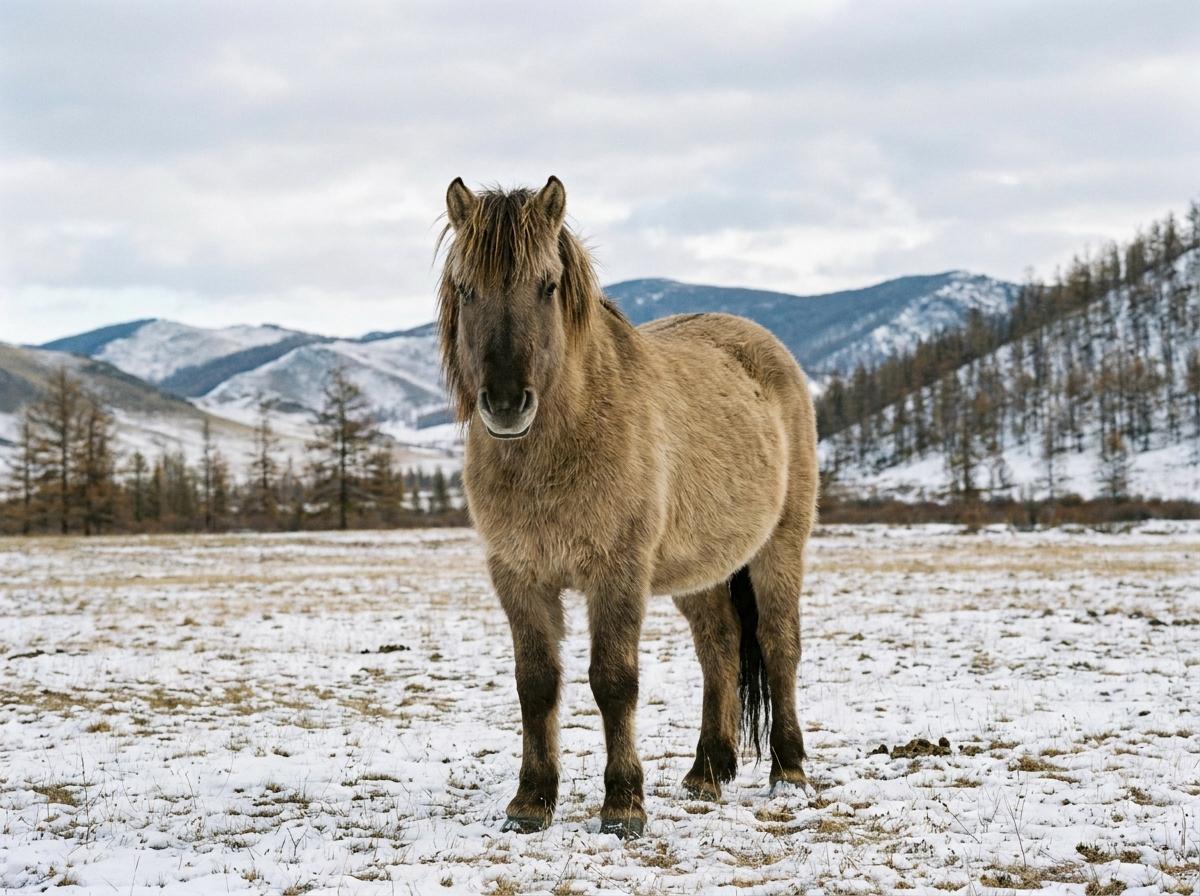
Tuva Horse
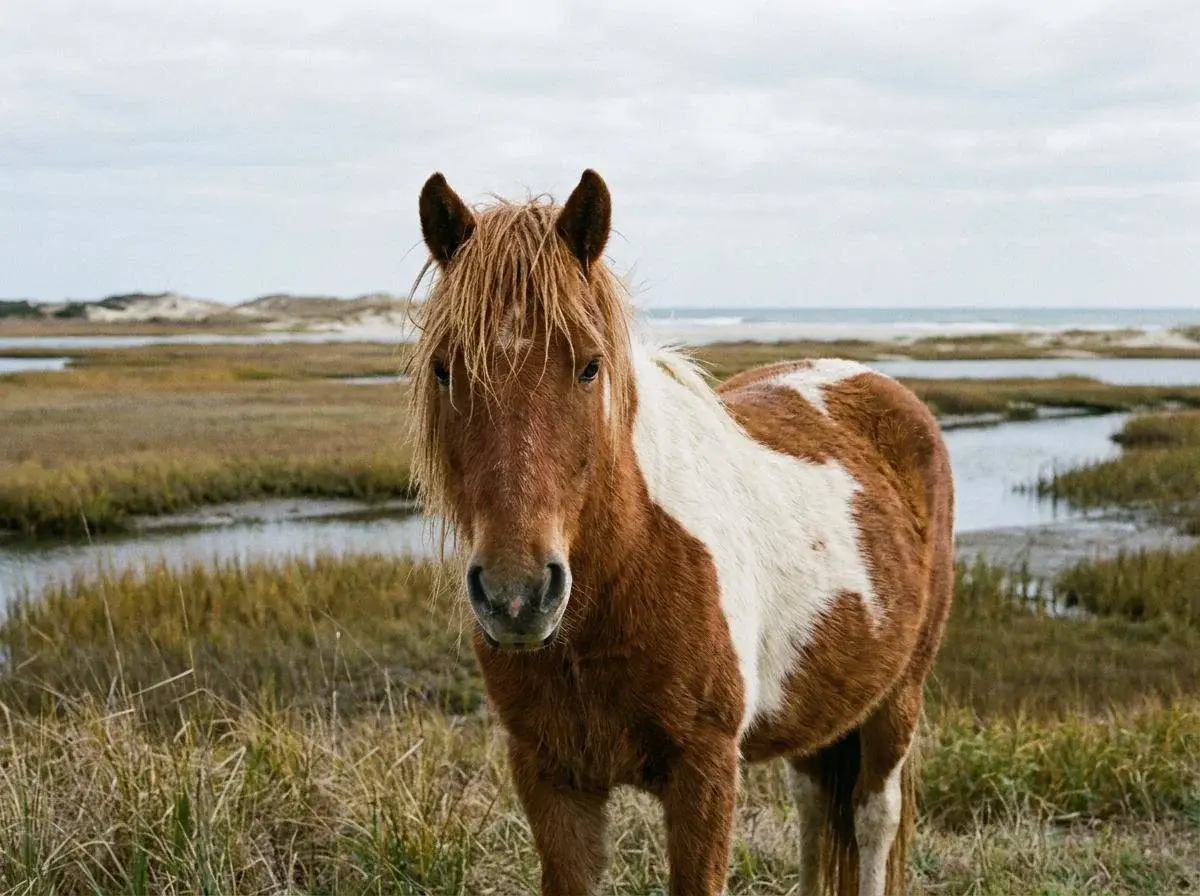
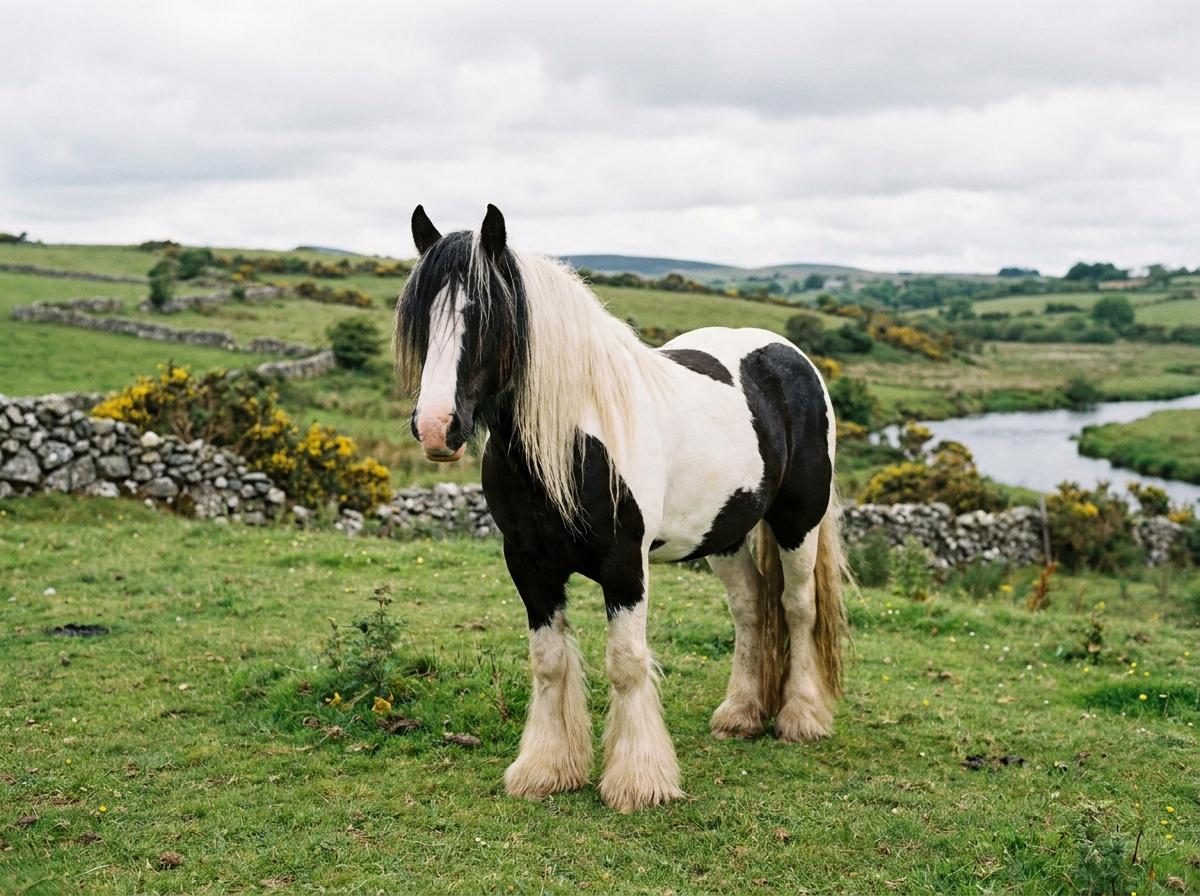
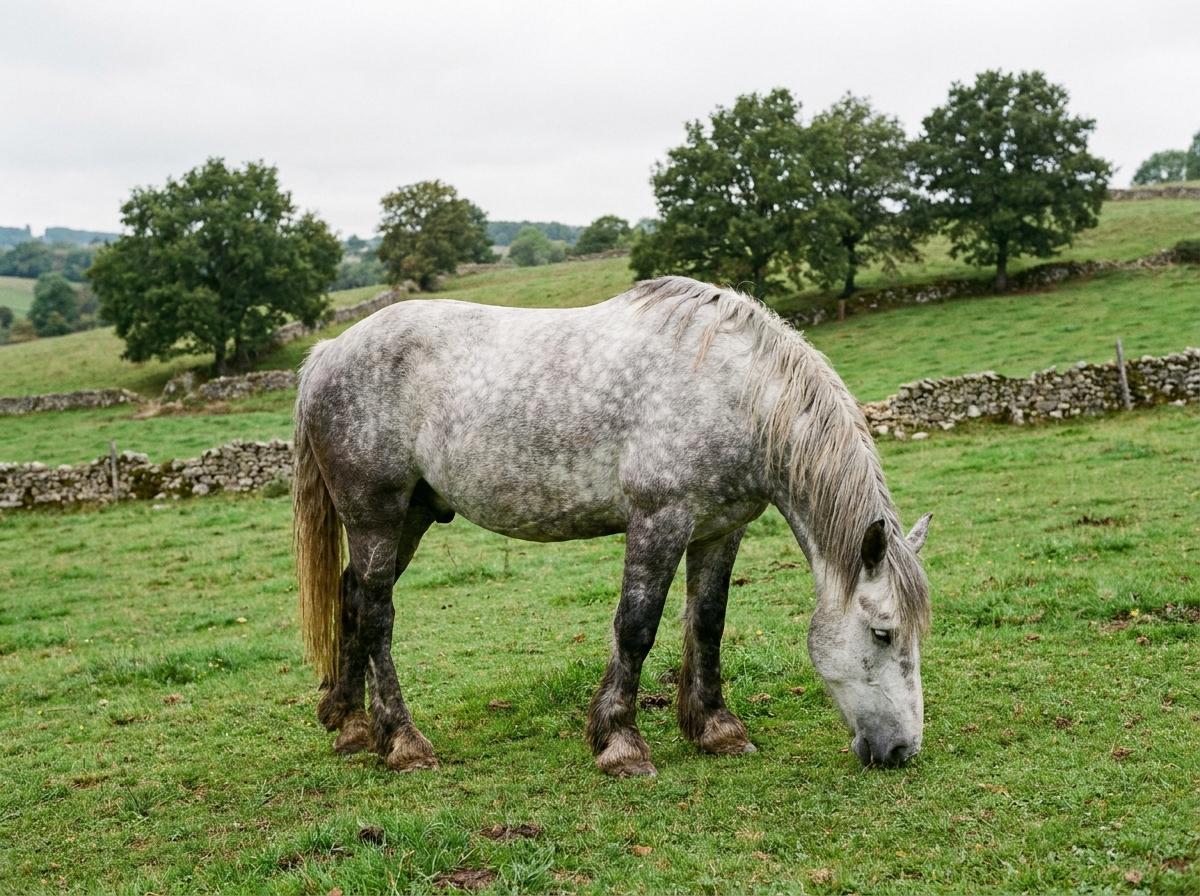
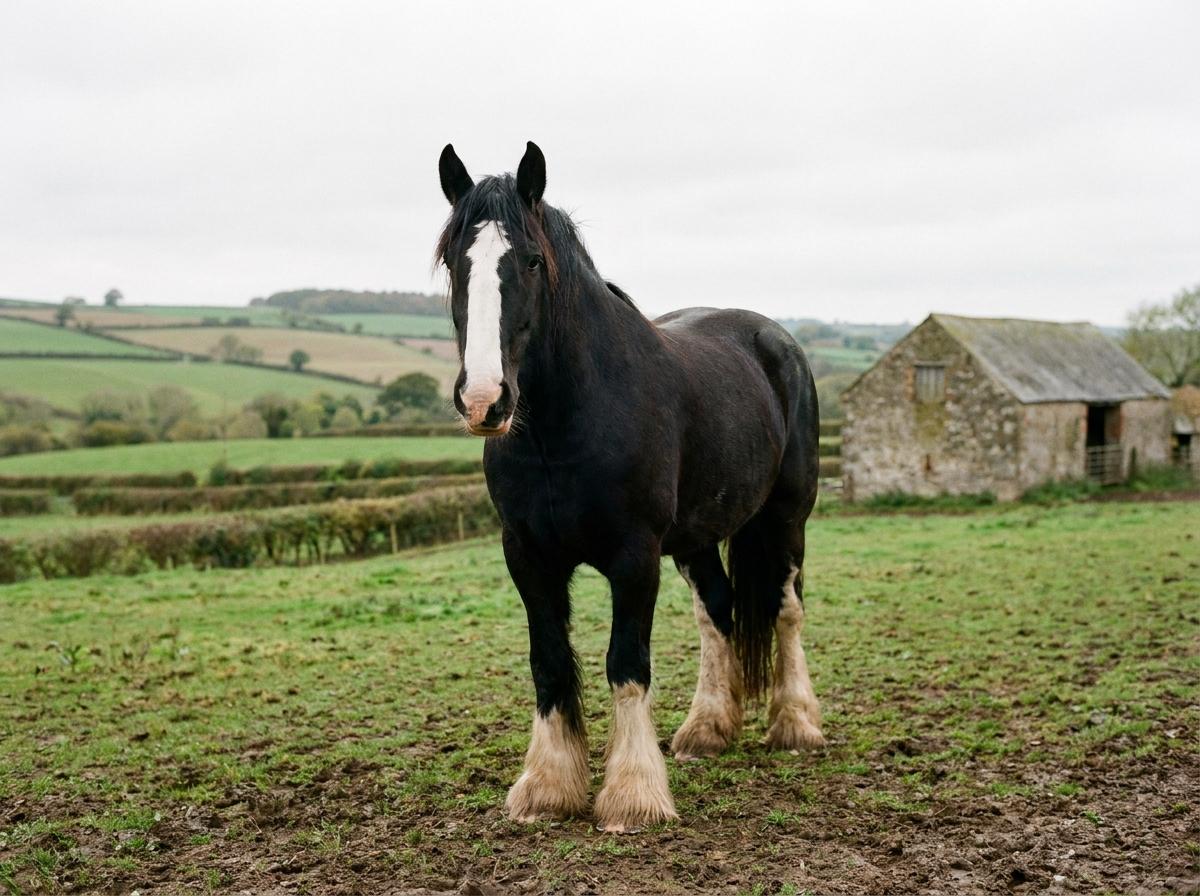
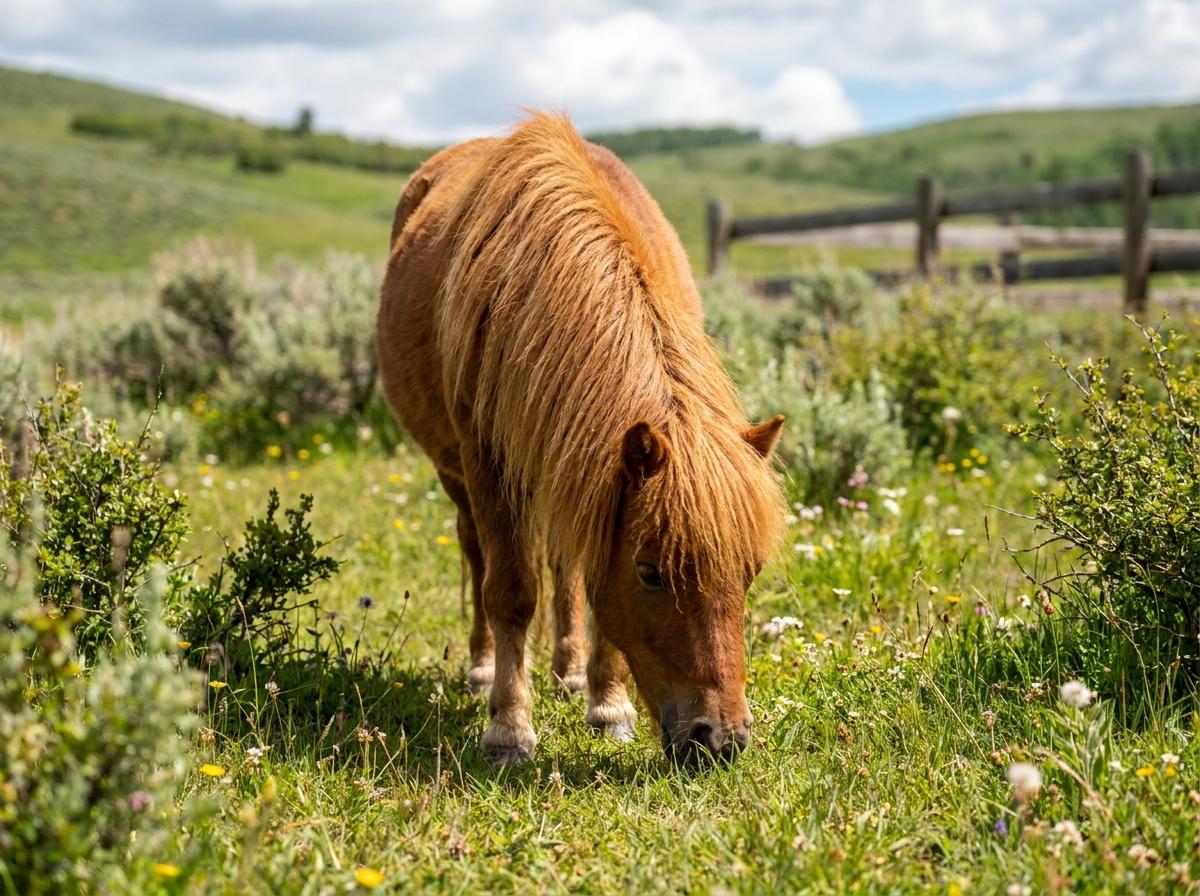
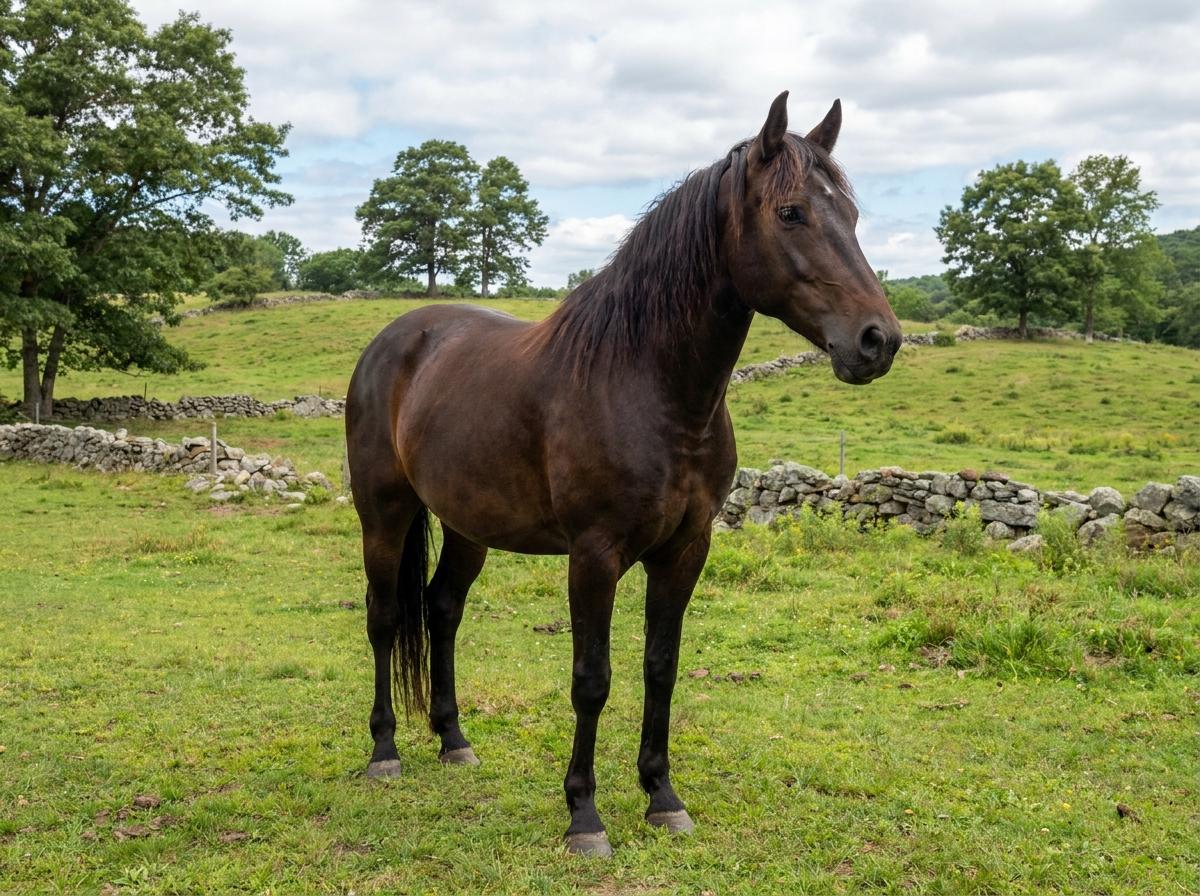
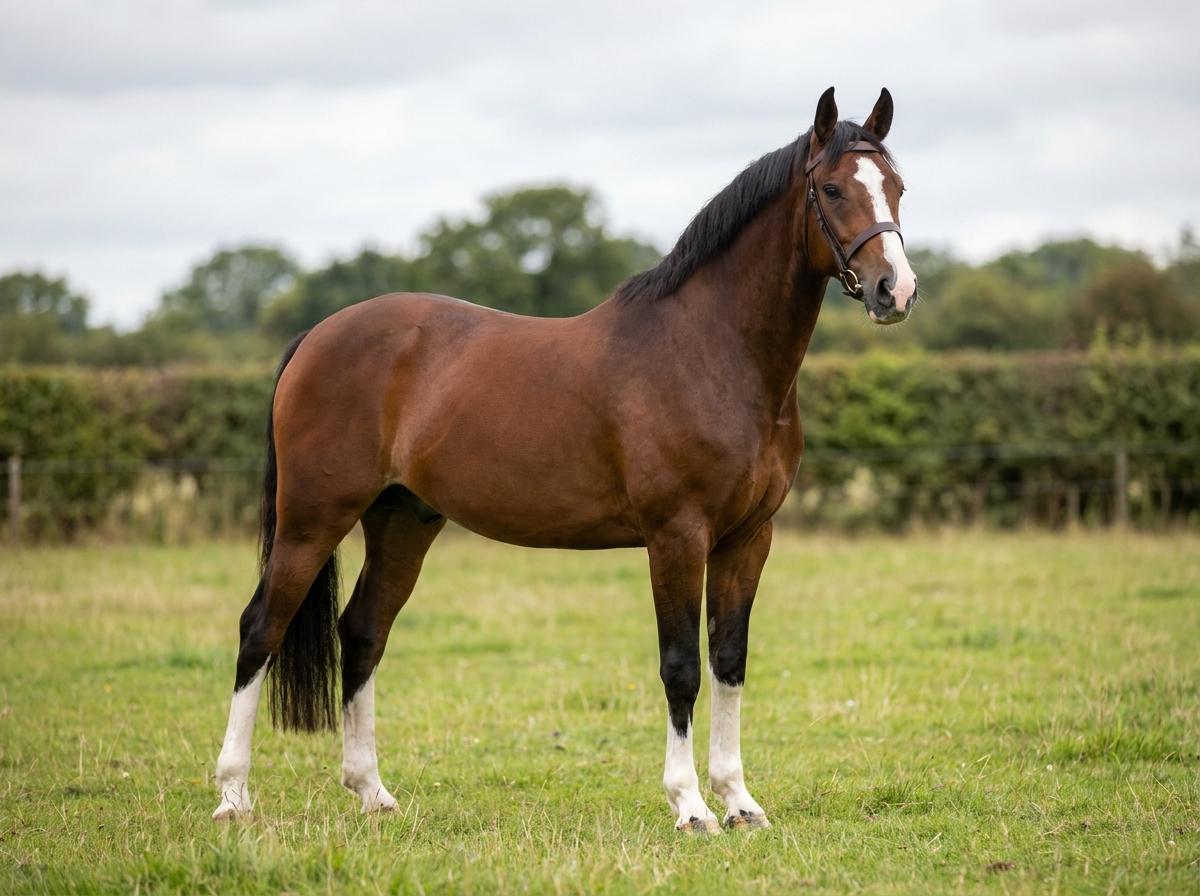
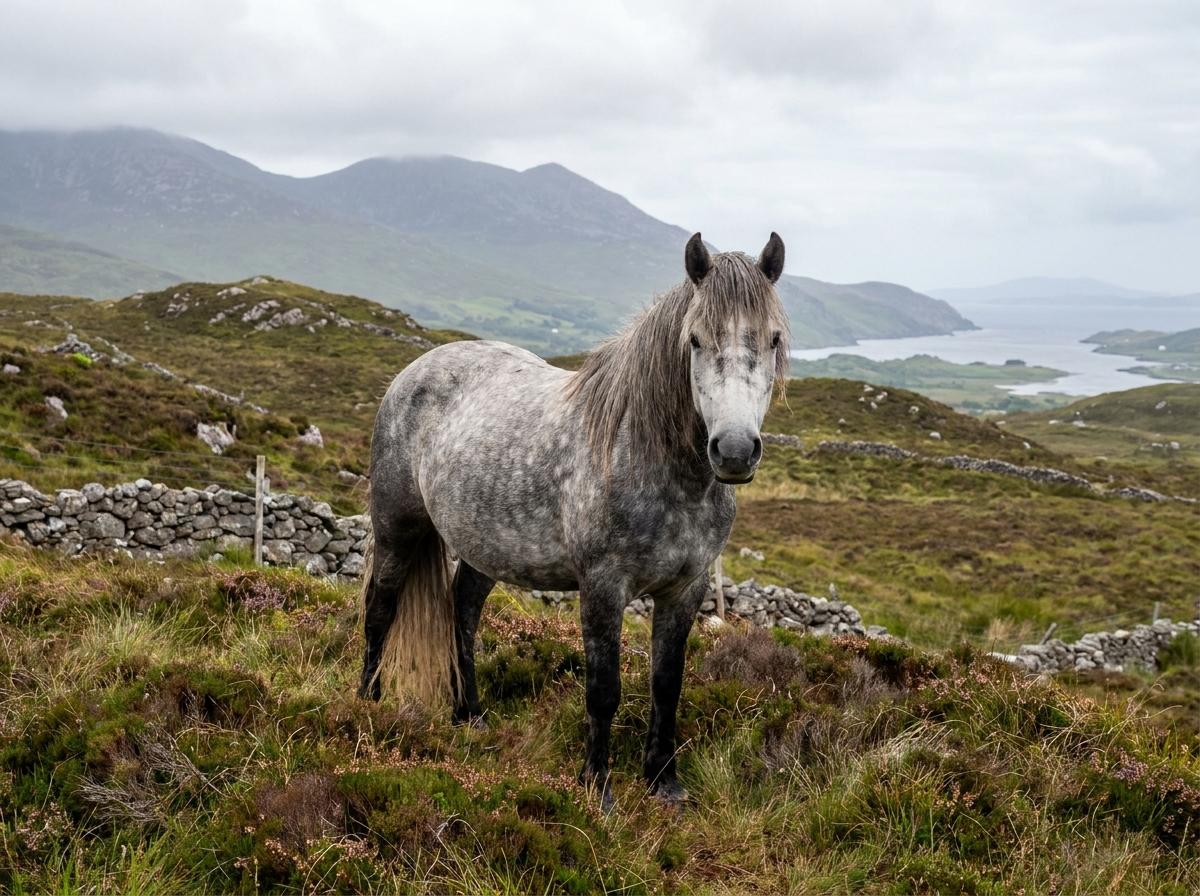
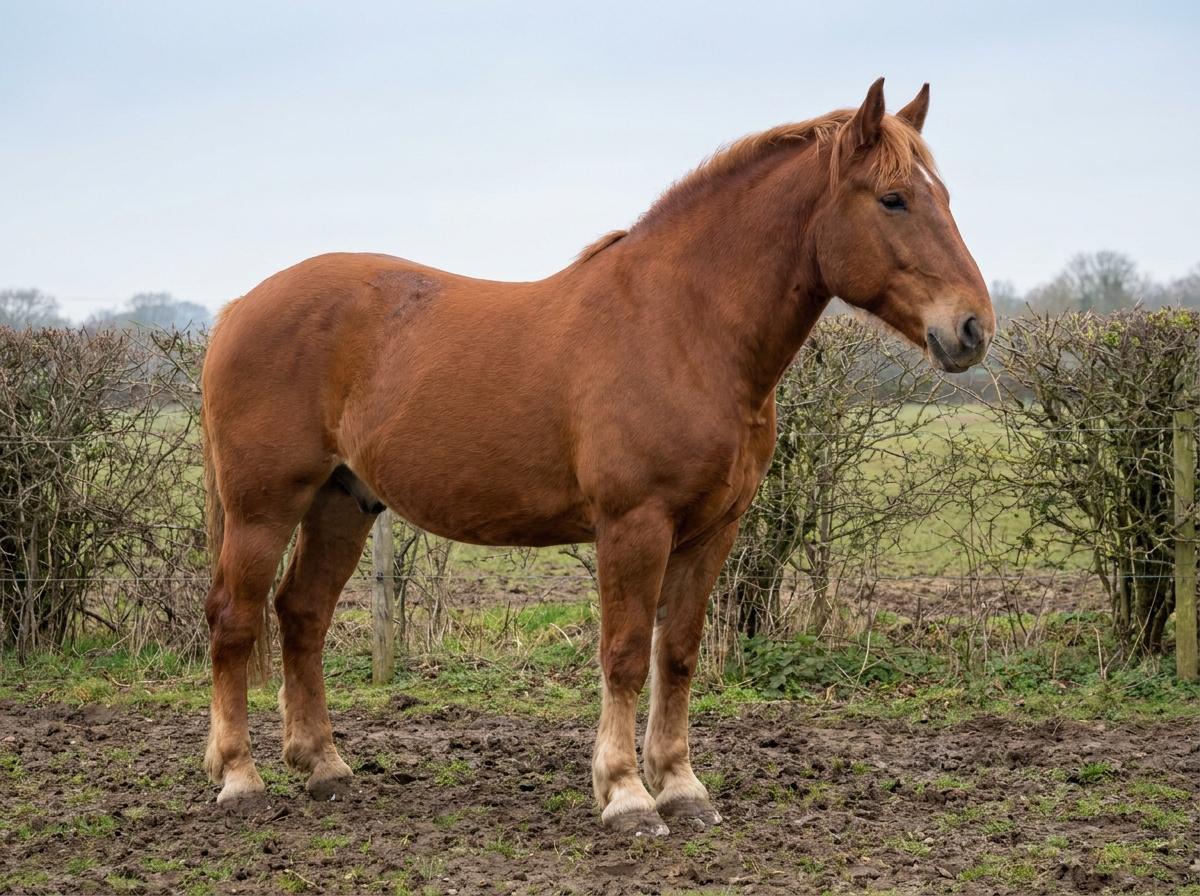
The Tuva horse, or Tuvan horse, is a hardy landrace from the Republic of Tuva in southern Siberia, along the Mongolian border. It belongs to the broad family of Inner Asian steppe horses and has been shaped by nomadic herding, severe winters, and long movement between grazing areas. Tuva horses are usually small to medium in height, deep-bodied, strong-legged, and heavily coated in cold weather. They are used for riding, herding, pack work, and in some traditional systems for meat and mares' milk, with endurance and survival ability valued over sport-horse refinement.
Traditional management relies on extensive pasture and the horse's ability to find forage across wide ranges, including digging through snow when conditions allow. In more confined private settings, rich pasture and heavy grain can be a greater risk than scarcity, so body condition should be watched closely. Regular handling helps young horses transition from herd life to riding or pack work, and hard native feet still need inspection and trimming when terrain or workload changes. Conservation of the Tuva horse is tied to Tuvan pastoral culture, grazing access, and the continued use of horses in daily rural life.
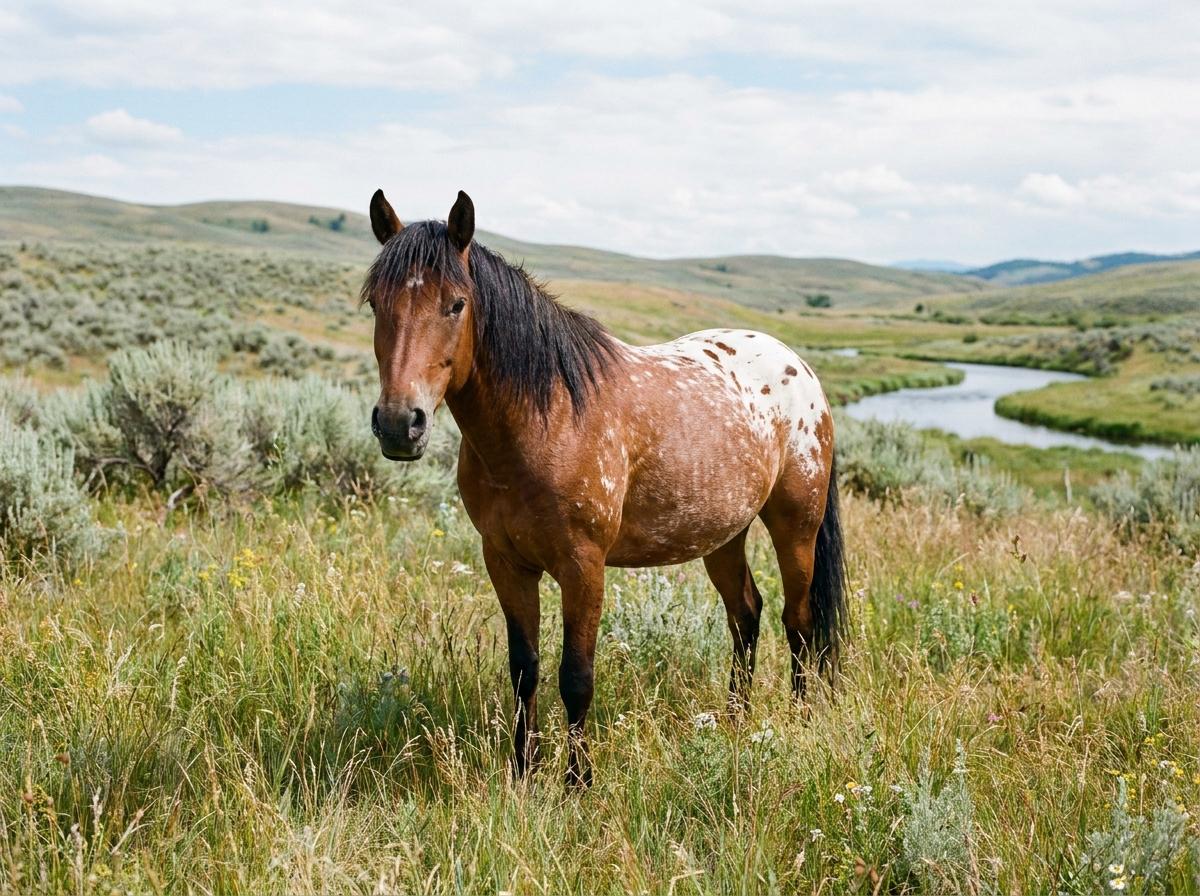
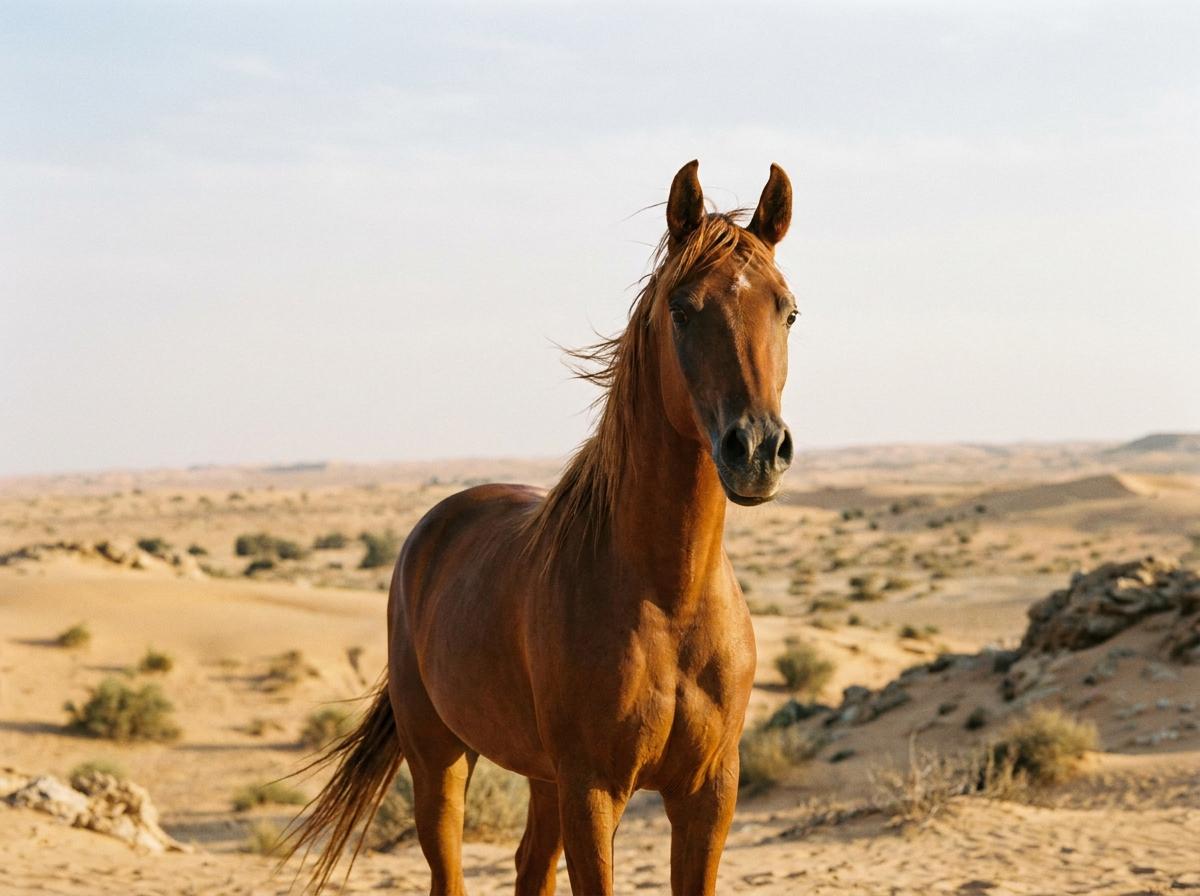
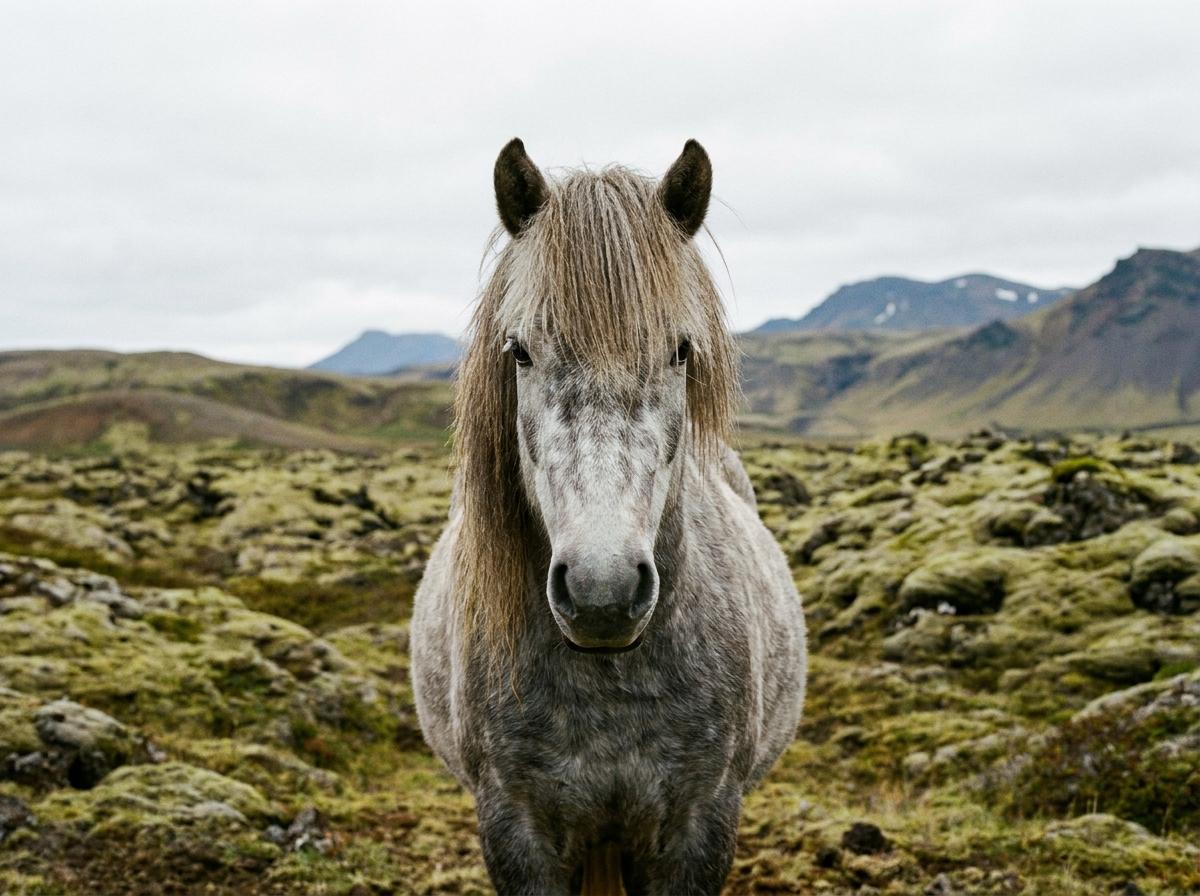
Colors: Amber Champagne, Bay, Bay Dun, Bay Roan, Black, Blanket Appaloosa, Blue Roan, Brown, Buckskin, Champagne, Chestnut, Classic Champagne, Cremello, Dun, Dun Roan, Fewspot Appaloosa, Flaxen Chestnut, Frame Overo, Gold Champagne, Gray, Grey, Grullo, Leopard Appaloosa, Liver Chestnut, Overo, Palomino, Perlino, Piebald, Pinto, Rabicano, Red Dun, Red Roan, Roan, Sabino, Seal Bay, Silver Dapple, Skewbald, Smoky Black, Smoky Cream, Snowcap Appaloosa, Sorrel, Splash White, Tobiano, Tovero, Varnish Roan, White