

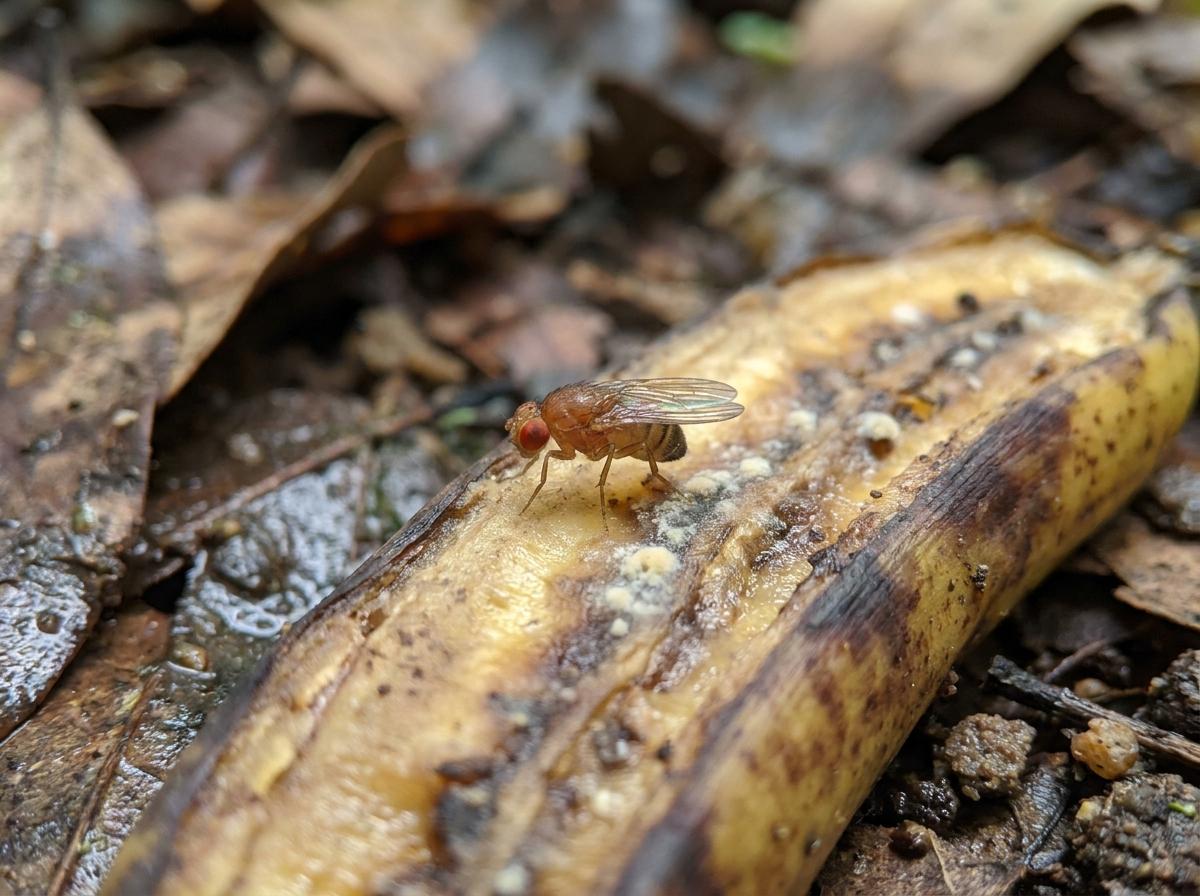
Laboratory Fruit Fly
Drosophila melanogaster
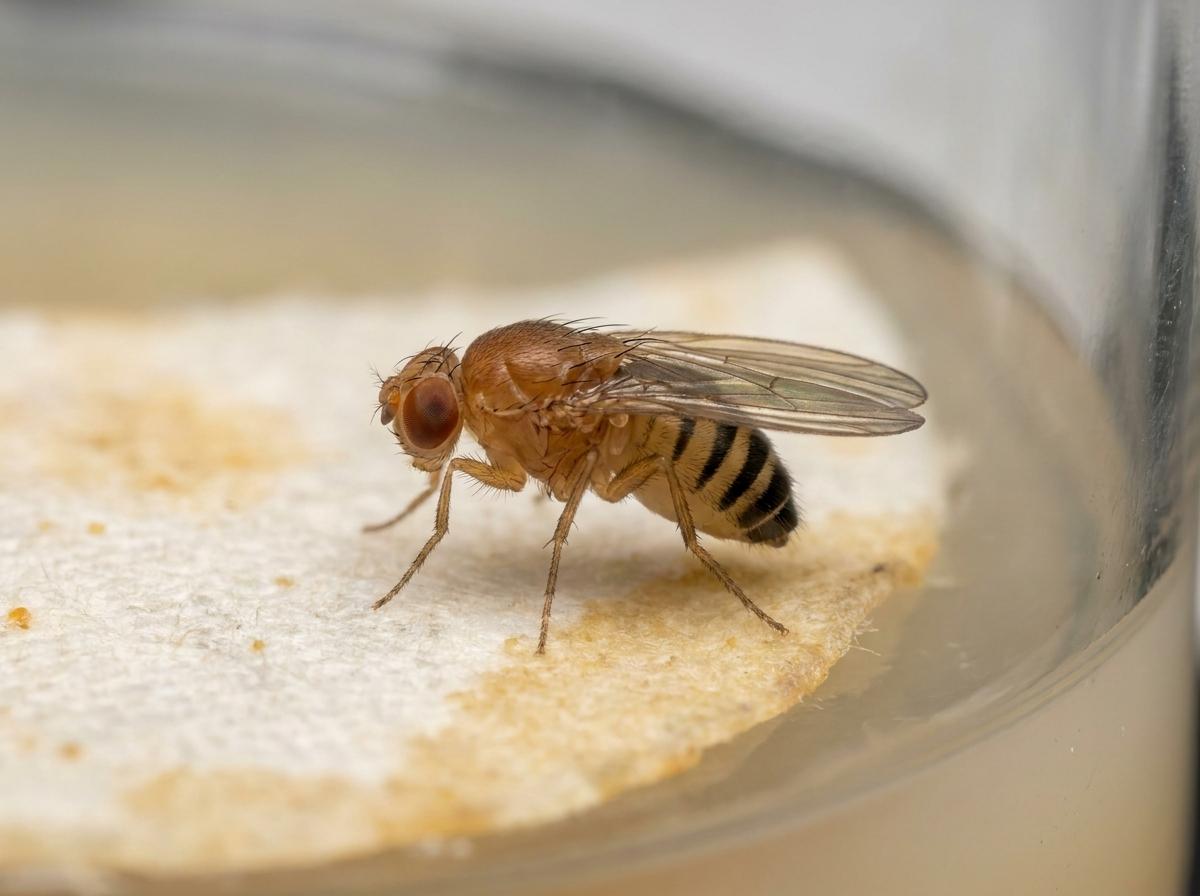
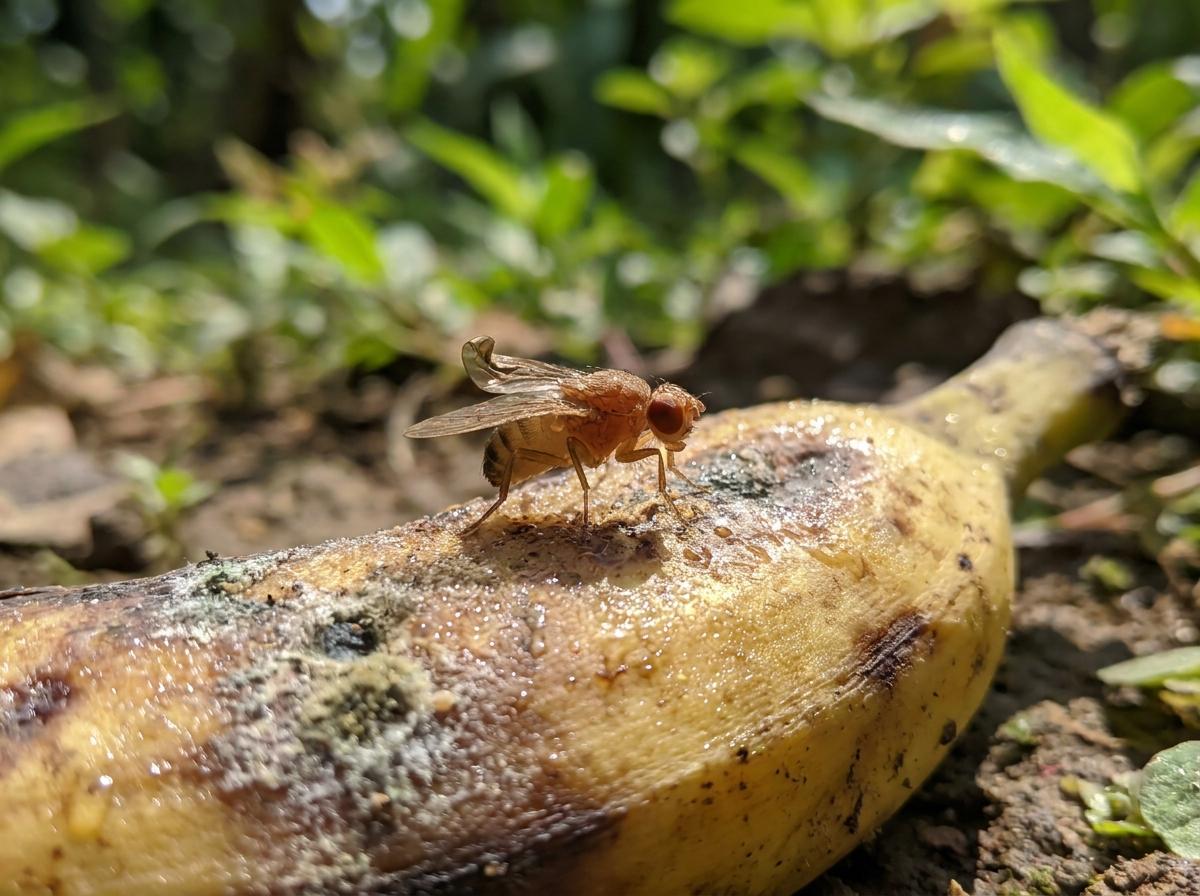
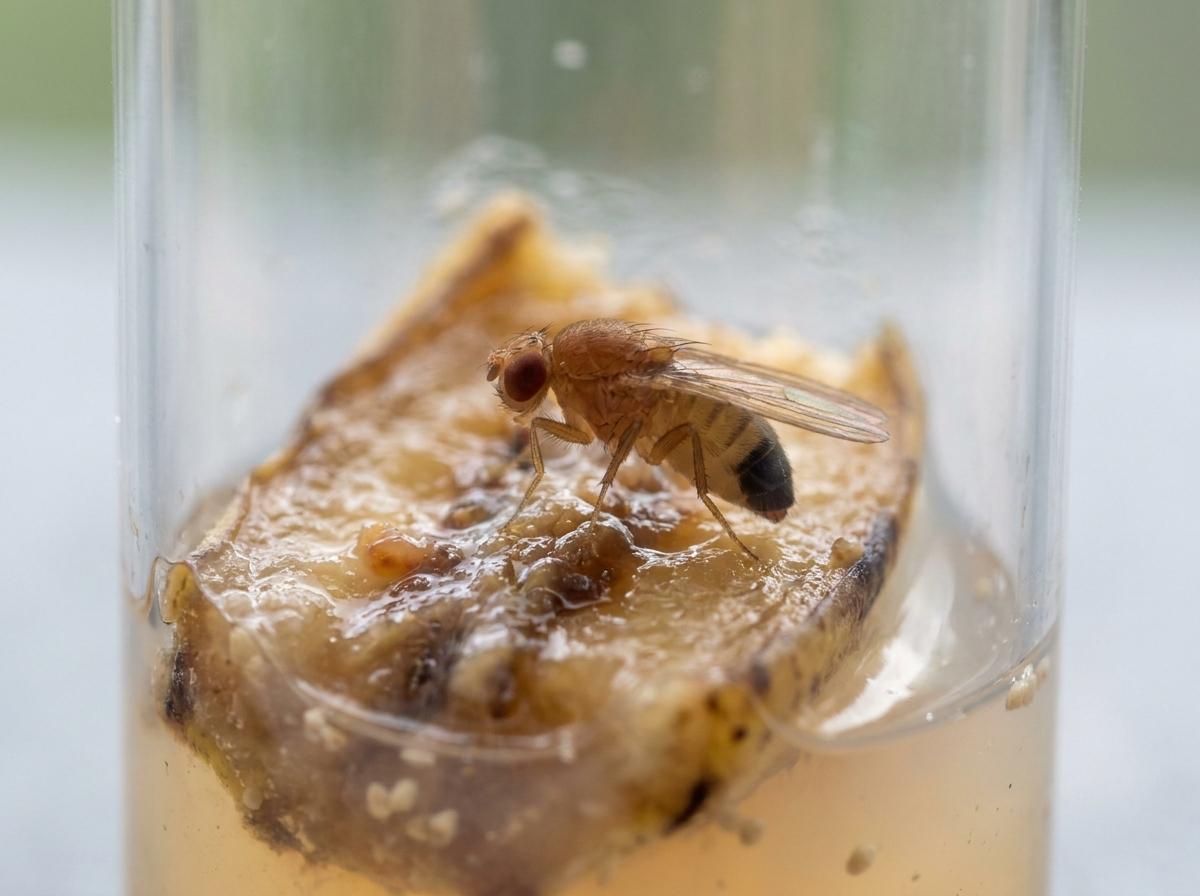
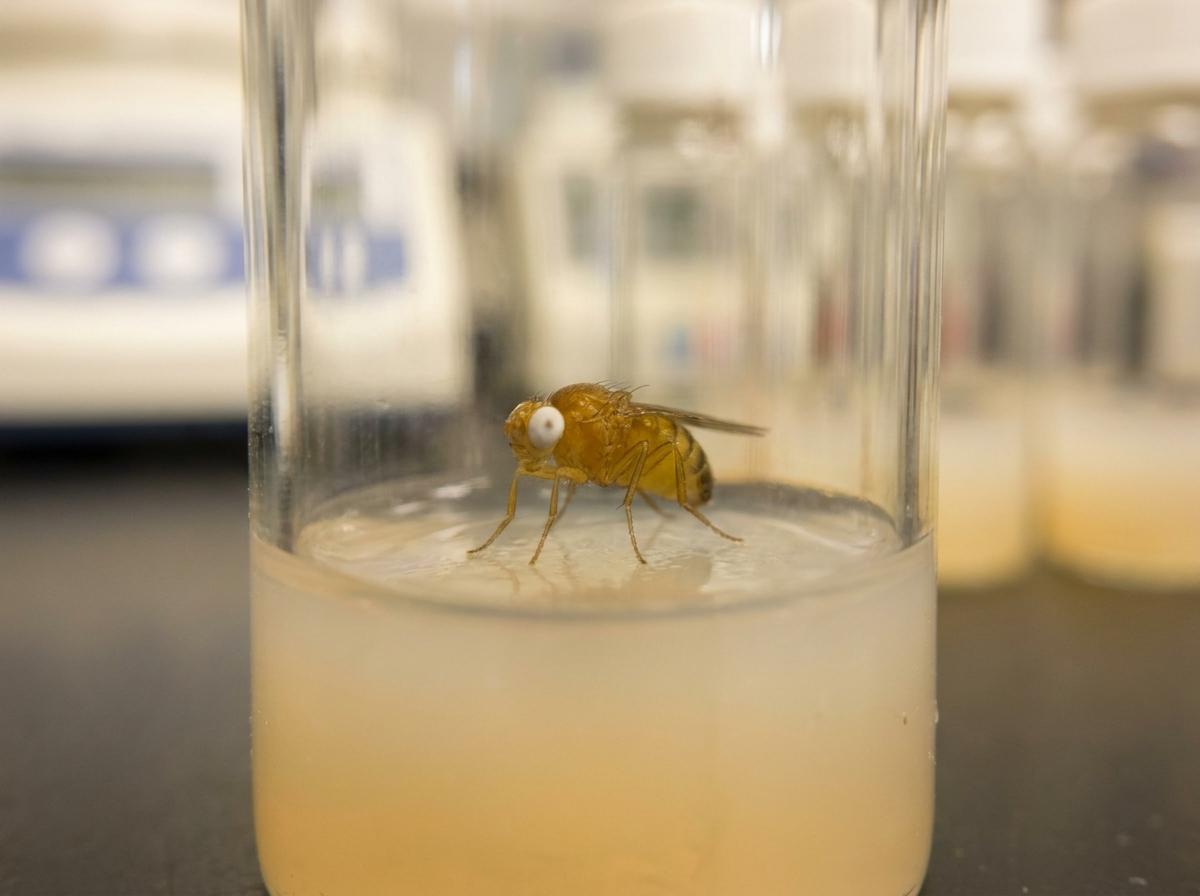
The laboratory fruit fly, Drosophila melanogaster, is the small vinegar fly that gathers around fermenting fruit rather than a large orchard fruit fly. Its tan body, red eyes, and clear wings are familiar in kitchens, but in research it is one of the most heavily studied animals. The species breeds rapidly, produces many offspring, and has visible genetic traits such as eye color, bristle shape, and wing form. More than a century of work with Drosophila established many principles of inheritance, development, circadian biology, behavior, and neuroscience.
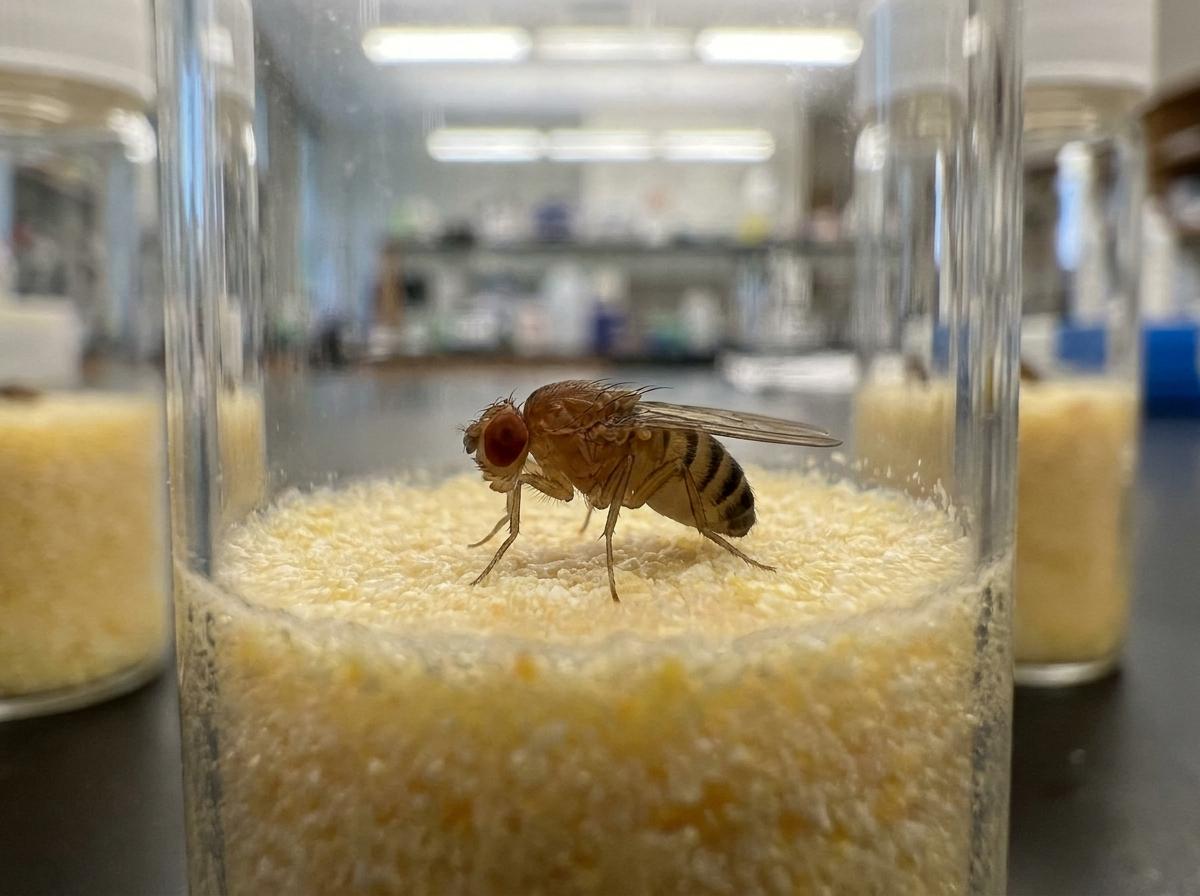
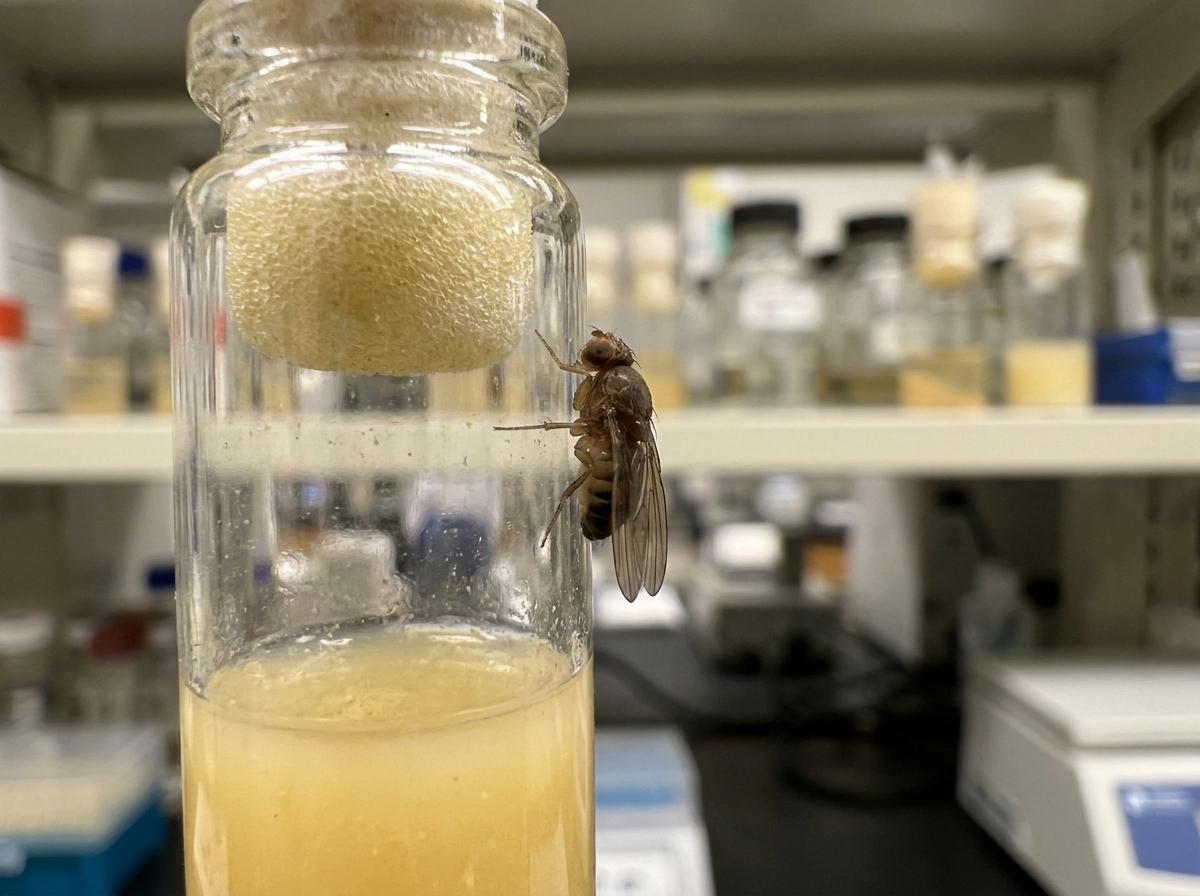
Laboratory colonies are kept in vials or bottles on yeast-based media, often under controlled temperature and light cycles. At about 25 degrees Celsius a generation can be completed in roughly ten days, which lets researchers maintain mutant, transgenic, and wild-type lines with careful labeling and scheduled transfers. Flies are commonly sorted under carbon dioxide or brief chilling, and healthy cultures depend on clean media, mite control, and avoiding overcrowded larvae. They are not pets in the usual sense, but classrooms use them for genetics demonstrations, while stock centers preserve thousands of named lines for research.