



Satin
The satin mouse is not a separate breed or species. It is a coat variety of the fancy mouse, the domesticated pet and show form of Mus musculus, defined by one striking feature: a coat with a high, lustrous sheen. A satin mouse has a completely normal, full, short coat, but the individual hairs are built differently, so instead of the soft matte gloss of an ordinary mouse, the fur reflects light like polished satin or a metallic finish. That shine also makes whatever color the mouse carries look deeper and richer, which is a large part of the appeal. The satin coat is not a grooming effect or a mix of other varieties. It comes from a single recessive gene, and it is recognized as its own variety by both the National Mouse Club in the UK and the American Fancy Rat and Mouse Association (AFRMA) in the United States. This page explains what a satin mouse actually is, the gene and hair structure behind the sheen, how show clubs standardize it, how satin combines with color and with other coat varieties, and how to care for a fancy mouse day to day, because the shiny coat changes nothing about the animal’s needs.

Browse listings, public profiles, breeders, or add your animal.
What is a satin mouse?
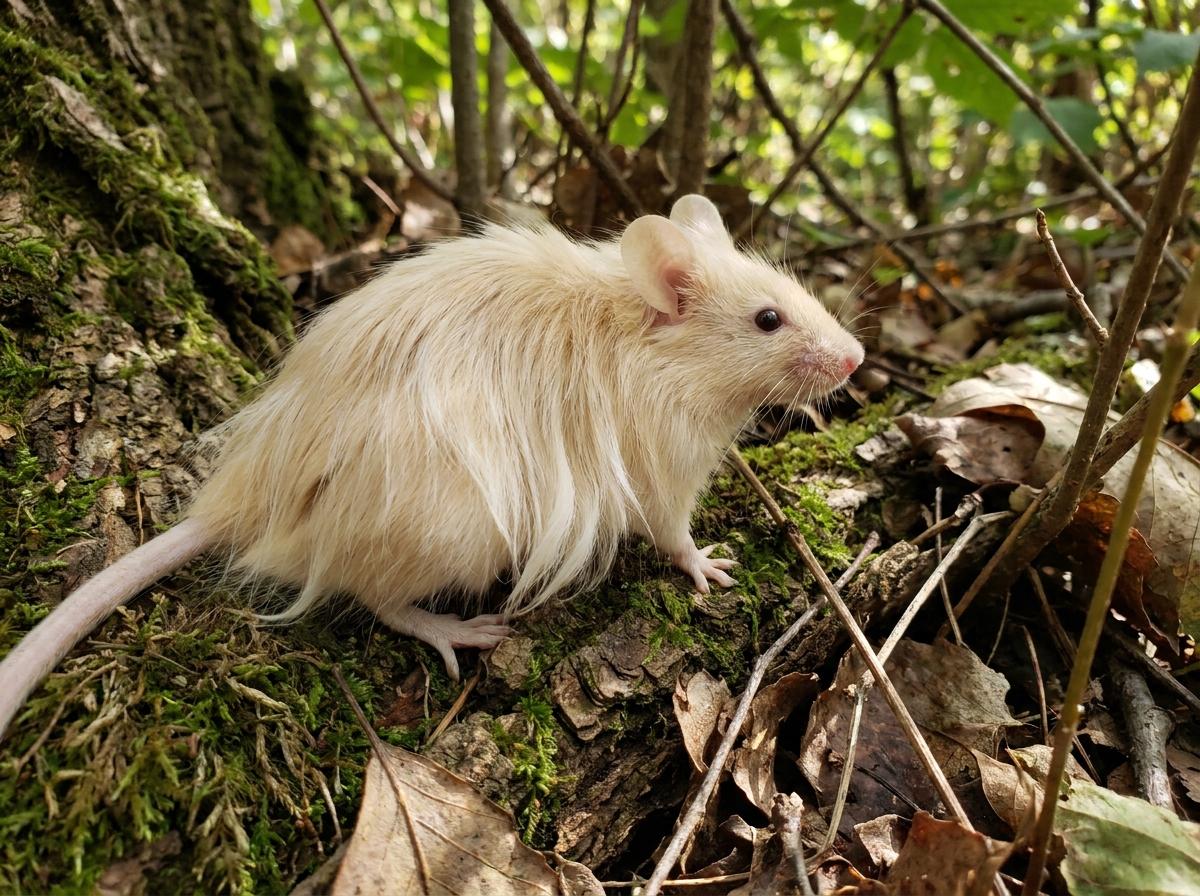
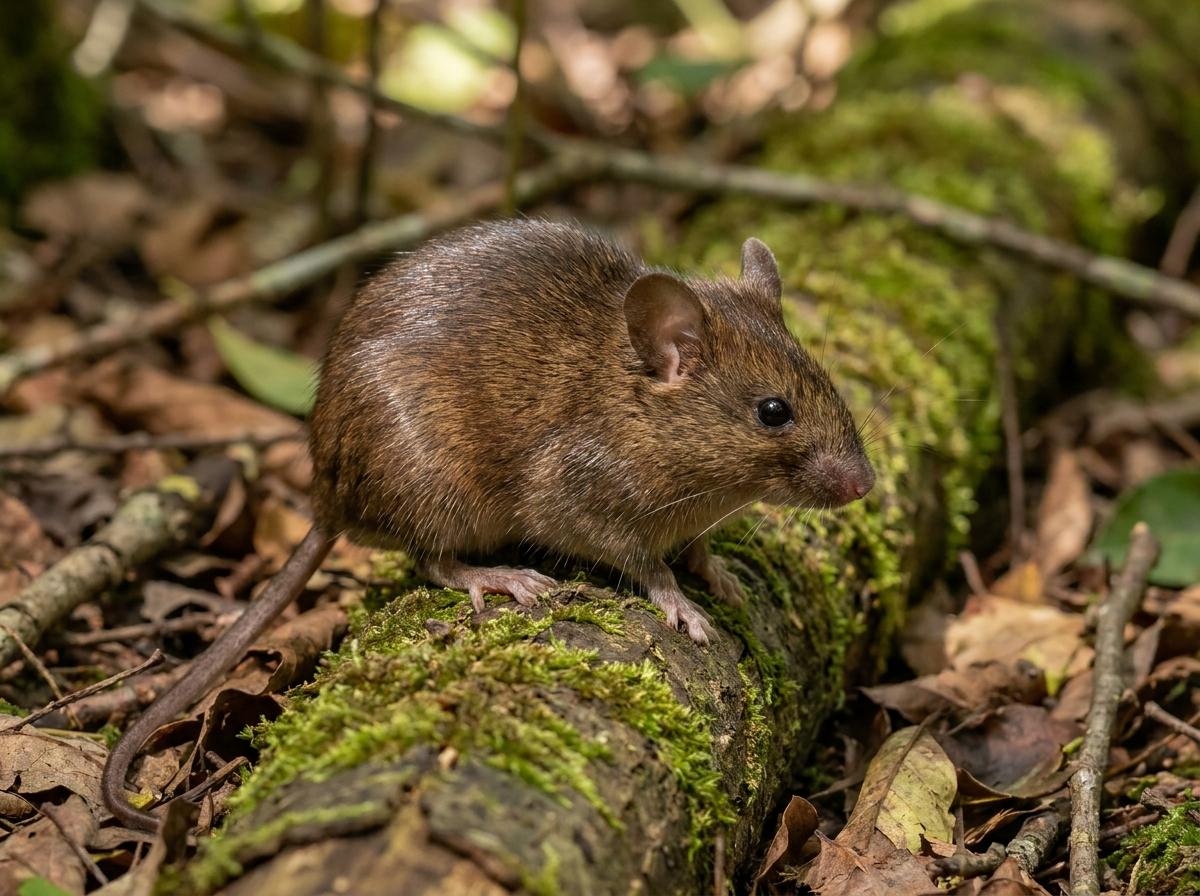
A satin mouse is a fancy mouse that carries the satin gene. Everything else about it, its body, size, behavior, diet, and lifespan, is identical to a normal pet mouse. “Satin” describes the coat’s surface quality, the same way “black,” “fawn,” “long-haired,” or “rex” describes a coat, and it can be layered onto almost any color you like. The single difference you can see is the shine: an ordinary fancy mouse has a short coat with a soft, natural gloss, while a satin mouse has a coat that gleams, catching a bright reflected highlight along the back and flanks and giving the fur a wet-looking, polished appearance even when it is perfectly dry. If you are comparing coat and color varieties or deciding what to keep, the broader Creatures mouse species page is a good place to start.
That sheen does more than look glossy. Because the satin coat reflects and transmits light differently, it tends to make the mouse’s underlying color appear deeper, more saturated, and more luminous than the same color on a standard-coated mouse. A red or fawn satin can look especially vivid, and pale colors take on a soft glow. This is why breeders often describe satin as a variety that “improves” or intensifies color, and why some colors are shown mainly in their satin form.
The fancy mouse hobby is an old and well-organized one, and satin has a formal place in it. The National Mouse Club in the UK, founded in 1895, maintains written standards for coat and color varieties, and its standard asks that “the Satin mouse shall have a high sheen coat resulting in an exquisite satin-like or metallic gloss,” adding that “the colour may be that of any standardised variety” and that a white satin is shown as Ivory Satin. AFRMA in the United States recognizes Satin as one of its coat varieties and describes it simply as a “short, sleek coat, with a lustrous sheen,” shown in the recognized colors. In other words, two established registries independently define satin as a real, judged variety, not an informal label.
The gene and hair structure behind the sheen
The sheen comes from a single gene, and it is worth being precise about what it changes. In the fancy the satin mutation is written with the allele symbol sa, and it is recessive. Geneticists identify the same gene as Foxq1 (forkhead box Q1), which sits on mouse chromosome 13. The satin allele is written Foxq1^sa. Research on the satin mutation traces the shine to a defect in the medulla, the central core of the hair, and links Foxq1 to normal hair-follicle differentiation (work by Potter and colleagues, published in the Journal of Biological Chemistry in 2006, PubMed 16835220; the gene is catalogued in OMIM as entry 612788).
The practical result is a change in how each hair is built. Satin hairs are structurally different from normal hairs: the shafts are thinner and their outer shell is more translucent, and the core is altered so that the hair transmits and reflects more light rather than scattering it. Fancy-mouse references often describe satin hairs as more transparent or effectively hollow, which is the same idea in plainer terms. When thousands of these light-reflecting hairs lie together in a full coat, the whole animal takes on that characteristic glassy, satin-like gloss. The important point for anyone new to the variety is that this is a genuine change in hair structure, not extra oil, grooming, or conditioning.
Because satin is recessive, a mouse needs two copies of the satin allele (sa/sa) to actually show the sheen. That matters for anyone breeding mice: both parents must carry the gene, either as visible satin animals themselves or as standard-coated carriers, for satin pups to appear. You cannot create the satin sheen by combining other varieties or colors. It is a specific gene, and if it is not present in two copies, the mouse will have a normal, non-satin coat no matter how shiny its ancestors were.

A short history of the variety
Satin is a relatively modern addition to the fancy. The National Mouse Club credits the introduction of the satin mouse to one of its former presidents, Tony Cooke, who noticed the mutation in laboratory stock in the early 1970s and recognized its potential for the show bench. The club granted satin its own Section status in 1976 (its standard was certified in 1975) and decided to accept existing color varieties in satin form, and the variety has been a strong contender at shows ever since. Knowing that satin began as a spontaneous lab mutation, later brought into the hobby, helps explain why the same gene turns up under the “satin” name in fancy rats and other rodents too: it is a discrete, heritable coat mutation rather than a look that breeders assembled from other traits.
Satin colors and combinations
One of the most useful things to understand about satin is that it is a coat-surface variety, not a color, so it stacks on top of color rather than replacing it. Under the National Mouse Club standard a satin can be shown in any standardized color, judged so that the base color is as correct as possible while allowing for the effect of satinisation. In practice, breeders tend to favor satin on colors where the extra light really pays off, so reds, fawns, creams, champagnes, doves, blues, and silvers are among the colors commonly seen and prized in satin form, and white satins are shown as Ivory Satin. Because the sheen changes how color reads, a satin color can look noticeably different from the same color in a standard coat, which is why show clubs often judge satins in their own classes.
Satin also combines with other coat-texture genes, and this is where the fancy gets interesting. The satin, long-hair, and rex genes are largely independent, so breeders can layer them deliberately. AFRMA, for example, recognizes not just Satin but Long Hair Satin (a coat that is both long and glossy) and Frizzie Satin, and the National Mouse Club recognizes satin versions of established colors and patterns. That means you can find a mouse that is, say, a satin version of a pointed or a marked variety. If you want to see how a different coat gene behaves, the long-haired mouse, our sister guide in this set, covers coat length rather than sheen and describes the same Long Hair Satin combination from the other side, while the Rex mouse page covers the curly-coated variety. For a color-pattern comparison rather than a coat-texture one, the Siamese mouse page explains the pointed pattern, which can itself be bred in satin. And because satin is not unique to mice, the satin rat shows the same coat idea in a larger rodent.
Caring for a satin mouse
The satin coat needs no special care. A satin mouse is housed, fed, and handled exactly like any other fancy mouse. It does not require grooming, oiling, trimming, or bathing to keep its shine, and you should not manipulate its environment to try to intensify the coat. Below is the practical care picture for a fancy mouse. Defer any medical decision to an exotics veterinarian who can examine the animal.
Housing, ventilation, and bedding
Mice need a secure, well-ventilated enclosure with deep, absorbent bedding they can burrow into, plus a hide, a wheel, and things to climb and chew. Good airflow is not optional. Mice have delicate respiratory systems, and the biggest everyday threat to them is ammonia building up from urine in soiled bedding. The Merck Veterinary Manual is explicit that cages need wire-mesh tops for ventilation and warns that poor environmental quality, including high ammonia levels and poor bedding, raises the risk of respiratory infection. That is why regular spot-cleaning and a full change of bedding matter so much, and why solid, non-porous enclosures beat wooden ones, since wood soaks up urine and holds ammonia.
Bedding choice feeds into the same airway concern. Avoid cedar, and avoid raw, untreated pine: the aromatic oils in these softwoods are linked to respiratory irritation in rodents. Paper-based bedding or kiln-dried, dust-extracted aspen are safer, and both help control odor and ammonia. Keep mice in a stable, comfortable room temperature and out of drafts and direct sun.

Social life and the male question
Fancy mice are social and generally do better with company than alone, but how you keep them depends on sex, and this is where mice differ from rats or gerbils. Females usually live happily in same-sex groups, and the Merck Veterinary Manual notes that unrelated female mice can normally be housed together without trouble. Adult males are the catch. Entire (unneutered) bucks commonly fight when housed together, sometimes seriously, so they are often best kept singly unless they were raised together and stay peaceful. Housing a male with females means breeding, which is a separate commitment, so it is not a casual way to give a lone male company.
There is also a smell difference worth knowing before you choose a buck. An entire male’s urine has a notably strong, musky odor from scent-marking, stronger than a female’s. Sexing matters early, because mice reach sexual maturity quickly, by roughly six to eight weeks, so mixed-sex youngsters can breed sooner than new owners expect. The rule of thumb is simple: keep does in small compatible groups, keep bucks singly unless proven compatible, and never mix sexes unless you intend to breed. None of this changes for a satin mouse; the coat has no bearing on temperament or social needs.
Diet
A good base diet is a quality rodent pellet or lab block that provides complete nutrition, offered so the mouse can graze, with fresh water always available. Mice will happily eat seed mixes and treats, but seed-heavy diets fed without limit tend to be high in fat and cause obesity, so keep grains, vegetables, fruit, and treats to a small share of the overall diet. Adult mice eat only a few grams of food a day, so a little goes a long way. A well-fed, healthy mouse tends to carry a better coat, and on a satin that simply means the sheen shows at its best, but there is no special “satin diet.” Eating their own droppings (coprophagy) is normal and healthy in mice, not a sign of illness.
Health and lifespan
Fancy mice are short-lived. Common care references put the average pet mouse lifespan at roughly 1.5 to 2.5 years, and while many mice do live past two years, that is not a guarantee, so plan for a short, intense companion animal rather than a long-term one. The satin coat has no established bearing on lifespan. Some fancy-mouse breeders report that heavily line-bred satins can run a little smaller or finer than standard-coated stock, but this is a hobbyist observation about particular lines rather than a documented health effect of the gene, and it is not a reason to avoid the variety.
The most common health problems in pet mice are respiratory infections, skin conditions (often from mites), and tumors. A mouse making a clicking or chattering sound when it breathes, sitting hunched, or wearing a ruffled, dull coat may be showing respiratory illness and should see a vet. On a satin mouse, a coat that suddenly looks dull, greasy, or staring instead of glossy can be an early visual cue that something is off, so the shine is a small bonus for spotting trouble. Mammary tumors are common in mice and are frequently malignant, so any new lump warrants a prompt veterinary opinion. Because mice hide weakness and their warning signs are subtle, a daily check of breathing, coat, weight, and behavior is the single most useful thing an owner can do, and keeping written records of weights and any symptoms makes it far easier to catch a problem early and give a vet a clear history. None of these risks are specific to the satin coat.

Is a satin mouse right for you?
A satin fancy mouse suits someone who wants an active, inquisitive, low-cost small pet and likes the extra visual appeal of a glossy, color-intensifying coat. The satin sheen adds no extra work and no health risk specific to the variety, so it is a purely cosmetic upgrade on an ordinary fancy mouse. The honest trade-offs are the ones common to all fancy mice: the roughly one-and-a-half to two-and-a-half year lifespan, the need to keep females in carefully managed same-sex groups, and the male-odor and male-aggression issue that comes with keeping a buck. Good ventilation and the right bedding genuinely matter for their delicate airways. If those fit your situation, a satin mouse is a charming, easy-to-house pet that happens to look a little more spectacular than the standard version.
If you like comparing coat varieties, the long-haired mouse is the natural companion to this page (length rather than sheen), the Rex mouse page shows what a curly-coated mouse looks like, the Siamese mouse page covers the pointed color pattern, and the satin rat shows how the same coat gene plays out in a larger rodent.
Frequently asked questions
Is a satin mouse a different breed or species?
No. It is a coat variety of the ordinary fancy mouse (Mus musculus). The only difference from a plain mouse is the high-sheen, satiny coat, caused by a single recessive gene. Its body, size, care, and lifespan are the same as any fancy mouse.
What makes a satin mouse shiny?
A recessive mutation in the Foxq1 gene (the satin allele, sa) changes the structure of the hair. Satin hairs are thinner and more translucent, with an altered core, so they reflect and transmit more light. A full coat of these hairs gives the animal a lustrous, satin-like or metallic gloss.
Does the satin coat need special grooming or care?
No. A satin mouse is housed, fed, and handled exactly like any other fancy mouse. The shine comes from the hair structure itself, so it needs no brushing, oiling, trimming, or bathing, and its care is identical to a standard-coated mouse.
What colors do satin mice come in?
Almost any recognized color or marking. Satin sits on top of the color, and the National Mouse Club allows it in any standardized variety, with white shown as Ivory Satin. Because the sheen makes colors look deeper, reds, fawns, creams, and other rich colors are especially popular in satin form.
Can you breed satin mice from non-satin ones?
Only if both parents carry the recessive satin gene. You cannot create the satin sheen by combining other varieties or colors. A mouse needs two copies of the satin allele (sa/sa) to show the coat, so both parents must be satin or satin carriers for satin babies to appear.
How long do satin mice live?
About 1.5 to 2.5 years on average, the same as any fancy mouse. The satin coat has no established effect on lifespan.
Is satin the same as the shine on a long-haired or rex mouse?
Satin is its own gene, separate from long hair and rex, but the genes can be combined. A Long Hair Satin, for example, is both long and glossy. The long-haired mouse page covers coat length and describes that combination in more detail.
Do this next on Creatures
Whether you are researching the satin coat, looking for a satin mouse, or already keeping mice, Creatures is the records, marketplace, and directory layer to do it in one place.
Add your mouse. Already keeping a satin mouse? Create a free animal profile in a couple of minutes. No account needed to start. The step-by-step is in adding an animal to Creatures, and you can see what each part of the profile does in your animal’s profile page.
Track weight and health. Mice are short-lived and hide illness, so a simple weight and symptom log helps you catch problems early. Add a health or weight record. The record sheet opens for any visitor to look around, and a free account saves what you enter. See adding a record and health and medical records for the full how-to.
Find a mouse. Browse satin mice on the marketplace and search trusted breeders in the Creatures directory. Satin mice can be uncommon, so set a free satin mouse listing alert and we will tell you when one is posted. No account needed to start, and you can manage it from saving searches and using your watchlist.
Breed or rehome mice? List your mousery or rescue on Creatures so people looking for satin fancy mice can find you. No account needed to start.
Comparing coat varieties? See the sister guide to the long-haired mouse, compare coat and color types on the Creatures mouse species page and the Rex mouse page, and see the same idea in a larger rodent on the satin rat page.