Siamese
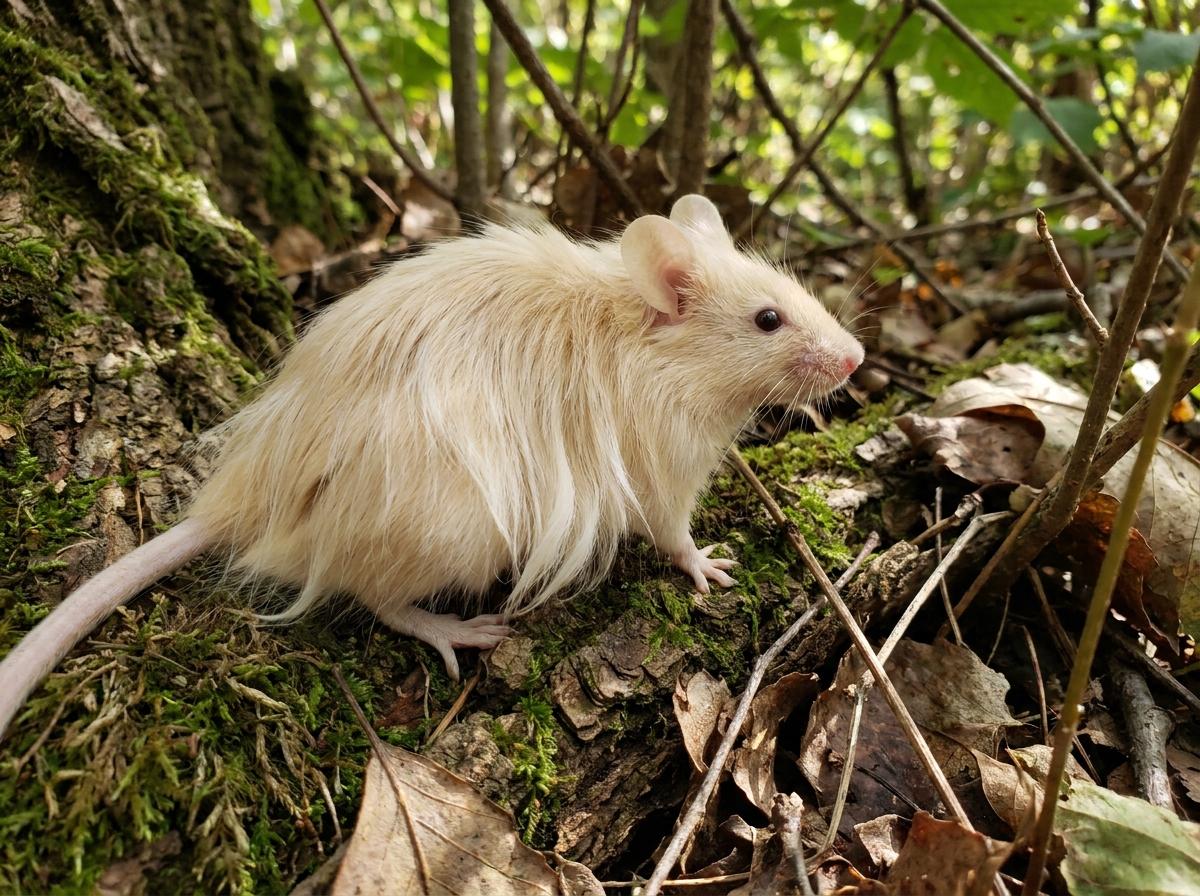
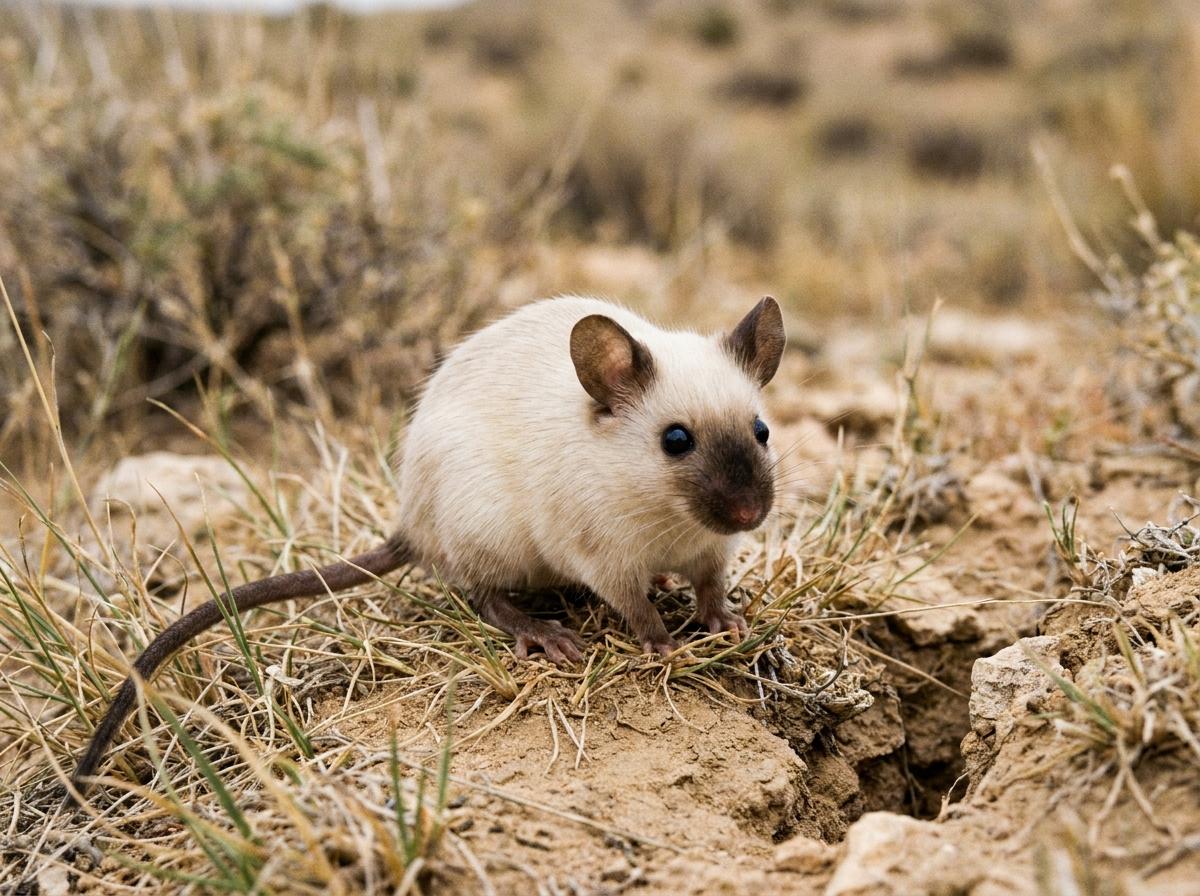
The Siamese is not a separate kind of mouse. It is a color variety of the fancy mouse (the domesticated pet and show form of Mus musculus), and it is named for its resemblance to the Siamese cat: a pale beige body that shades gradually darker toward the rear, with dark “points” of sepia or seal brown on the muzzle, ears, feet, and tail. That pointed pattern is not a paint job. It comes from a single gene at the mouse’s color (albino) series, the Himalayan gene, whose pigment enzyme is temperature sensitive, so the cooler parts of the body grow in darker. This page explains what a Siamese mouse actually is, the genetics and temperature effect behind the points, how it differs from the Himalayan mouse and the blue point, how show clubs standardize it, and how to care for a fancy mouse day to day, because the color changes nothing about the animal’s needs.

Browse listings, public profiles, breeders, or add your animal.
What is a Siamese mouse?
A Siamese mouse is a fancy mouse that carries the pointed color pattern. Everything else, its body, size, behavior, diet, and lifespan, is identical to a normal pet mouse. The word “Siamese” describes the coloring, the same way “black,” “fawn,” or “satin” does, and it is borrowed directly from the Siamese cat, whose pointed coat comes from a closely related mutation. The pattern also appears in fancy rats, rabbits, gerbils, and other rodents, where the same kind of temperature-sensitive gene produces the same pale-body-with-dark-points look. If you are comparing color varieties or deciding what to keep, the broader Creatures mouse species page is a good place to start.
The two giveaways of a Siamese mouse are the shading and the points. The body is a warm beige or cream that is palest over the shoulders and gets gradually darker over the saddle and hindquarters, and it carries distinct dark points on the coolest parts of the animal: the nose and muzzle, the ears, the feet, and the tail (including the tail root, which is often the darkest area). A good Siamese has no hard line where the body color stops and the points begin. Instead there is a smooth, harmonious gradient from pale to dark, exactly as the National Mouse Club standard describes for the breed’s namesake, the Siamese cat.
The fancy mouse hobby is an old one. The National Mouse Club in the UK, founded in 1895, has long maintained written standards for coat and color varieties, and the Siamese sits within that tradition as a recognized variety with a certified standard.
The genetics: the Himalayan gene and partial albinism
The Siamese pattern is caused by a single gene, and it helps to be precise about which one. Mouse coat color is controlled at several different loci, and one of them is the color locus, historically called the albino or C series. The Himalayan gene, written as the ch allele, sits at that locus. It is the same allele that produces the pointed pattern in the Himalayan rabbit and is the direct counterpart of the gene behind the Siamese cat.
The Himalayan allele is a form of partial albinism. Unlike the full albino allele (c), which in the homozygous form removes pigment entirely and gives you a white, pink-eyed mouse, the Himalayan allele only partly suppresses pigment. That is why a Siamese mouse is not white: it makes pigment, but it makes far more of it in some places than others.
The pattern is recessive, which matters for breeding. A mouse needs two copies of the Himalayan allele to show the Siamese pattern, so both parents must carry the gene for pointed babies to appear. You cannot build a Siamese mouse by combining other colors. As the American Fancy Rat and Mouse Association (AFRMA) puts it plainly, this color “is not caused by a combination of other colors, but is instead caused by a specific gene,” and that gene cannot be substituted.

Why the points are dark: temperature-sensitive color
The interesting part of Siamese genetics is why the pattern lands where it does. The Himalayan allele produces a temperature-sensitive version of tyrosinase, the enzyme that makes melanin (pigment). In the Himalayan mouse, the mutant enzyme is heat-labile, meaning it stops working well at normal body temperature and works best in cooler areas of the skin. Researchers traced this to a single change in the tyrosinase gene that makes the enzyme fragile at warmth.
The practical result is a phenomenon called acromelanism: a temperature-dependent pattern in which the extremities are dark and the trunk is pale. The core of the body is warm, so pigment production there is low and the fur grows in light. The nose, ears, feet, and tail run cooler, so pigment production there is higher and the fur grows in dark. This is exactly the same mechanism that gives Siamese cats and Himalayan rabbits their points, and it is why all of these pointed animals share the same basic layout.
Because the color depends on skin temperature, it can shift. Pointed animals kept in cooler conditions tend to develop darker, more extensive coloring than the same animal kept warm, and in cats living in cold environments the effect can spread well beyond the points. Newborn pointed animals are typically pale all over because the womb is warm, and the points develop as the young animal’s cooler areas cool down. So a Siamese mouse’s exact shade is not fixed for life. It reflects the animal’s genes and the temperature its skin has been living at. That is a real trait of the pattern, not a fault, though for a pet it simply means the coloring may look a little richer in a cool room and a little softer in a warm one.
Siamese, Himalayan, and blue point: telling the varieties apart
Naming is where pointed mice get confusing, because more than one variety uses the same Himalayan gene.
- Siamese. The classic version has a beige or sepia body that shades into dark seal-brown points. This is what most people mean by a Siamese mouse. The most common form is the seal point, whose points are a deep sepia to chocolate on a warm beige body.
- Himalayan. The Himalayan mouse uses the same temperature-sensitive gene but on a near-white body, so it looks like a white mouse with colored points and typically pink eyes, much closer in appearance to the Himalayan rabbit. In short, Siamese has a clearly colored beige body, while Himalayan keeps the body close to white. Both are pointed, both rely on the same underlying mechanism.
- Blue point. A Siamese carrying the dilute gene shows blue-grey points instead of seal-brown ones, on a paler, cooler-toned body. It requires both the Siamese pattern and the blue (dilute) genetics together.
On eye color, the National Mouse Club’s Siamese standard is relaxed and allows any eye color, which is why you will see Siamese mice with dark eyes as well as lighter ones. Whichever variety you are looking at, the label alone can be ambiguous between hobbyists and clubs, so if you are buying or breeding it is worth asking the seller which specific variety and which points they mean rather than trusting the word “Siamese” by itself.

How the fancy standardizes the Siamese
The fancy splits mice into varieties so they can be judged and bred consistently, and the Siamese is one of them. In the UK, the National Mouse Club maintains a written standard for the Siamese and classes it among the Any Other Variety (AOV) mice rather than the self (solid) or standard marked groups. The seal point Siamese standard was certified in 1968, which tells you the variety has a long, established pedigree in the hobby.
The standard is worth reading if you want to know what a good Siamese looks like, because it describes the ideal precisely: a medium beige body, gradually shaded over the saddle and hindquarters and darkest at the tail root, with seal-colored points on the muzzle, ears, feet, tail, and tail root, and no definite line of demarcation between body and points. It explicitly faults blotches, streaks, and white hairs, and asks that the belly match the body as closely as possible. A satin-coated version, the seal point Siamese satin, is also recognized, which adds the high-sheen satin coat on top of the same pointed pattern.
In the United States, AFRMA is the equivalent body, and it publishes its own Siamese standards and the genetic formula for the variety. The two clubs describe the same animal in slightly different words, which is one more reason the underlying gene and points matter more than the label.
Caring for a fancy mouse
The Siamese color needs no special care. A Siamese mouse is housed, fed, and handled exactly like any other fancy mouse, and you should not try to change the coloring by manipulating temperature, which stresses the animal for a cosmetic effect. Below is the practical care picture. Defer any medical decision to an exotics veterinarian who can examine the animal.
Housing and bedding
Mice need a secure, well-ventilated enclosure with deep, absorbent bedding they can burrow into, plus a hide, a wheel, and things to climb and chew. A common rule of thumb is at least a 10 gallon (around 38 litre) footprint for a small group of females, with more space being better, and good airflow to prevent ammonia from urine building up. On bedding, never use cedar, and avoid raw, untreated pine: the aromatic oils (phenols) in these softwoods are linked to respiratory irritation in rodents, and cedar in particular is best avoided. Paper-based bedding or kiln-dried, dust-extracted aspen are safer choices. Keep mice in a stable room temperature. The Merck (MSD) Veterinary Manual gives an optimal range of about 18 to 26 degrees Celsius (64 to 79 Fahrenheit) for pet mice and rats. Because Siamese coloring is temperature sensitive, a cold, drafty spot is doubly worth avoiding: it is bad for a mouse’s airways regardless of color.
Social life, sexing, and the male-odor question
Fancy mice are social and generally do better with company than alone, but how you pair them depends on sex. Females usually live happily in same-sex groups. Adult males are the catch: entire (unneutered) males commonly fight when housed together, so they are often best kept singly, and the Merck Veterinary Manual notes males are best housed singly or with females (which means breeding, so plan accordingly). There is also a smell difference: an entire male mouse’s urine has a notably strong, musky odor from scent-marking, stronger than a female’s, which is worth knowing before you choose a male as a pet. Sexing matters early, because mice reach sexual maturity quickly, by roughly six to eight weeks of age, so unsexed or mixed-sex youngsters can breed sooner than new owners expect.
Diet
A good base diet is a quality rodent pellet or lab block that provides complete nutrition, offered so the mouse can graze, with fresh water always available. Mice will happily eat seed mixes and treats, but blocks and mixes fed without limit can be high in fat and cause obesity, so keep grains, vegetables, fruit, and treats to a small share of the diet (a common guideline is no more than about 10 percent). Adult mice eat only a few grams of food a day. Eating their own droppings (coprophagy) is normal and healthy in mice, not a sign of illness.

Health and lifespan
Fancy mice are short-lived. AFRMA, drawing on its members’ long experience, puts the average mouse lifespan at about 1 to 2 years and notes that living past two years is the exception rather than the rule. The Merck Veterinary Manual cites a comparable range, with some individuals reaching around three years. Plan for a short, intense companion animal rather than a long-term one.
The most common health problems in pet mice are respiratory infections, skin conditions (often from mites), and tumors. A mouse making a clicking or chattering sound when it breathes, sitting hunched, or wearing a ruffled, dull coat may be showing respiratory illness and should see a vet. Mammary tumors are common in mice and are frequently malignant, so any new lump warrants a prompt veterinary opinion. Because the signs of illness are subtle and mice hide weakness, a daily check of breathing, coat, weight, and behavior is the single most useful thing an owner can do, and keeping written records of weights and any symptoms makes it far easier to catch a problem early and to give a vet a clear history. None of these risks are specific to the Siamese color.
Is a Siamese mouse right for you?
A Siamese fancy mouse suits someone who wants an active, inquisitive, low-cost small pet and likes the elegant pointed coloring, and who is comfortable with a short lifespan and the reality that mice are better watched than constantly handled. The color itself adds no extra work and no health risk specific to the pattern. The honest trade-offs are the ones common to all fancy mice: the roughly one-to-two-year lifespan, the male-odor and male-aggression issue if you want a male, the need for same-sex groups done carefully, and the fact that good ventilation and the right bedding genuinely matter for their delicate airways. If those fit your situation, a Siamese mouse is a charming, easy-to-house pet. If you like the pointed look and are curious how the same temperature-sensitive coloring plays out in a larger rodent, the sister guide to the Satin rat is a useful companion, and you can compare mouse coat types on the Rex mouse page.
Frequently asked questions
Is a Siamese mouse a different breed or species?
No. It is a color variety of the ordinary fancy mouse (Mus musculus). The only difference from a plain mouse is the pointed coloring, caused by a single recessive gene at the albino (color) series.
Why does a Siamese mouse have dark points on its nose, ears, feet, and tail?
Because its pigment enzyme is temperature sensitive. The Himalayan gene makes a form of tyrosinase that works best in cooler areas of the body, so the cooler extremities (nose, ears, feet, tail) grow in dark while the warmer trunk grows in pale. This is called acromelanism, and it is the same mechanism behind Siamese cats and Himalayan rabbits.
What is the difference between a Siamese mouse and a Himalayan mouse?
Both use the same temperature-sensitive Himalayan gene. A Siamese mouse has a clearly colored beige or sepia body with dark points, while a Himalayan mouse keeps its body close to white, so it looks like a white mouse with colored points, usually with pink eyes.
Will a Siamese mouse’s color change?
It can shift with temperature. Because the coloring depends on skin temperature, a mouse kept in a cooler room may look a little darker and one kept warm a little paler, and pointed animals are typically born pale before the points develop. This is normal and not a defect.
Can you breed Siamese mice from other colors?
No. Siamese is a specific recessive gene, not a mix of other colors, so both parents must carry the Himalayan gene for Siamese babies to appear. You cannot create it by combining unrelated colors.
How long do Siamese mice live?
About 1 to 2 years on average, the same as any fancy mouse. Living beyond two years is uncommon.
Do Siamese mice need special care because of their color?
No. A Siamese mouse is housed, fed, and handled exactly like any other fancy mouse. The color needs no grooming or special handling.
Do this next on Creatures
Whether you are researching the Siamese pattern, looking for a pointed fancy mouse, or already keeping mice, Creatures is the records, marketplace, and directory layer to do it in one place.
Add your mouse. Already keeping a Siamese mouse? Create a free animal profile in a couple of minutes. No account needed to start. The step-by-step is in adding an animal to Creatures, and you can see what each part of the profile does in your animal’s profile page.
Track weight and health. Mice are short-lived and hide illness, so a simple weight and symptom log helps you catch problems early. Add a health or weight record. The record sheet opens for any visitor to look around, and a free account saves what you enter. See adding a record and health and medical records for the full how-to.
Find a mouse. Browse Siamese mice on the marketplace and search trusted breeders in the Creatures directory. Pointed mice can be uncommon, so set a free Siamese mouse listing alert and we will tell you when one is posted. No account needed to start, and you can manage it from saving searches and using your watchlist.
Breed or rehome mice? List your mousery or rescue on Creatures so people looking for pointed fancy mice can find you. No account needed to start.
Curious how the same temperature-sensitive pointed coloring behaves in a larger rodent? See the sister guide to the Satin rat and compare fancy mouse coat and color varieties on the Creatures mouse species page and the Rex mouse page.