


Old German Owl
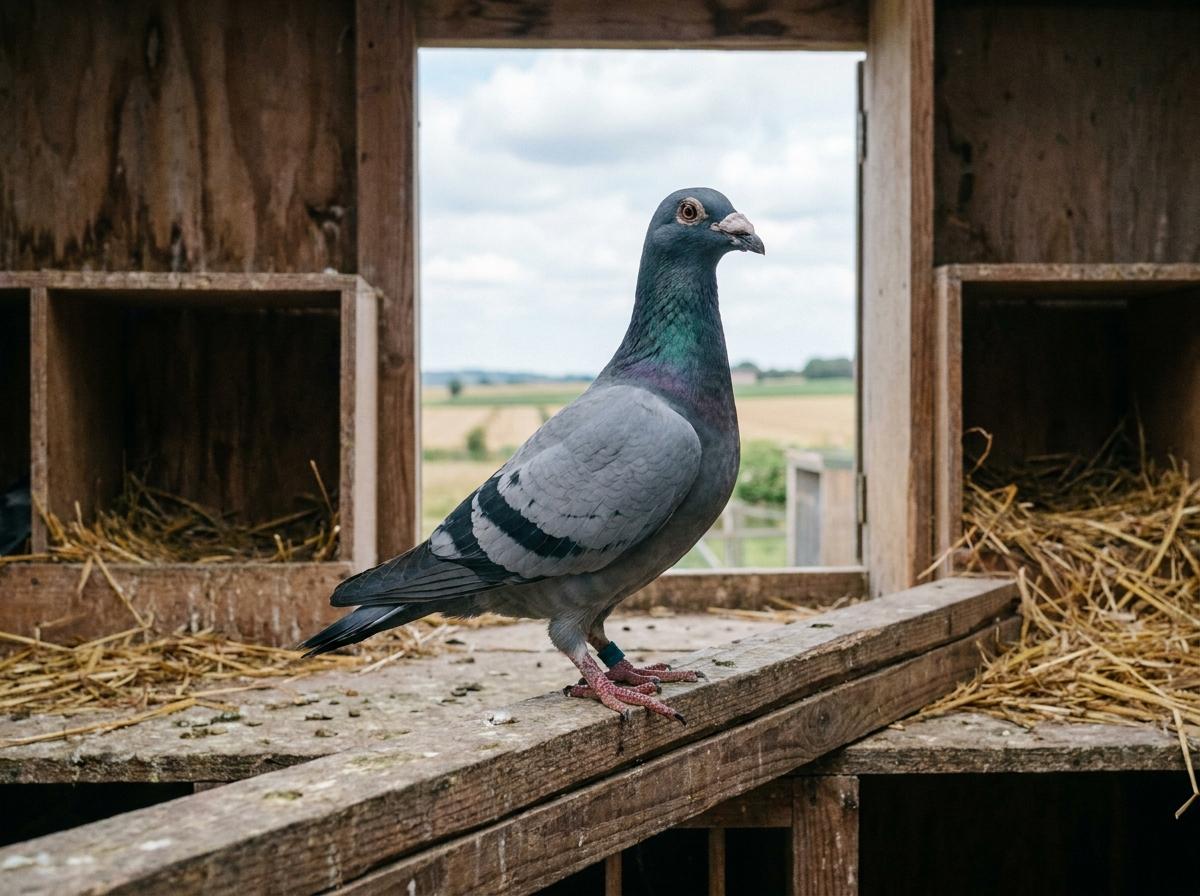
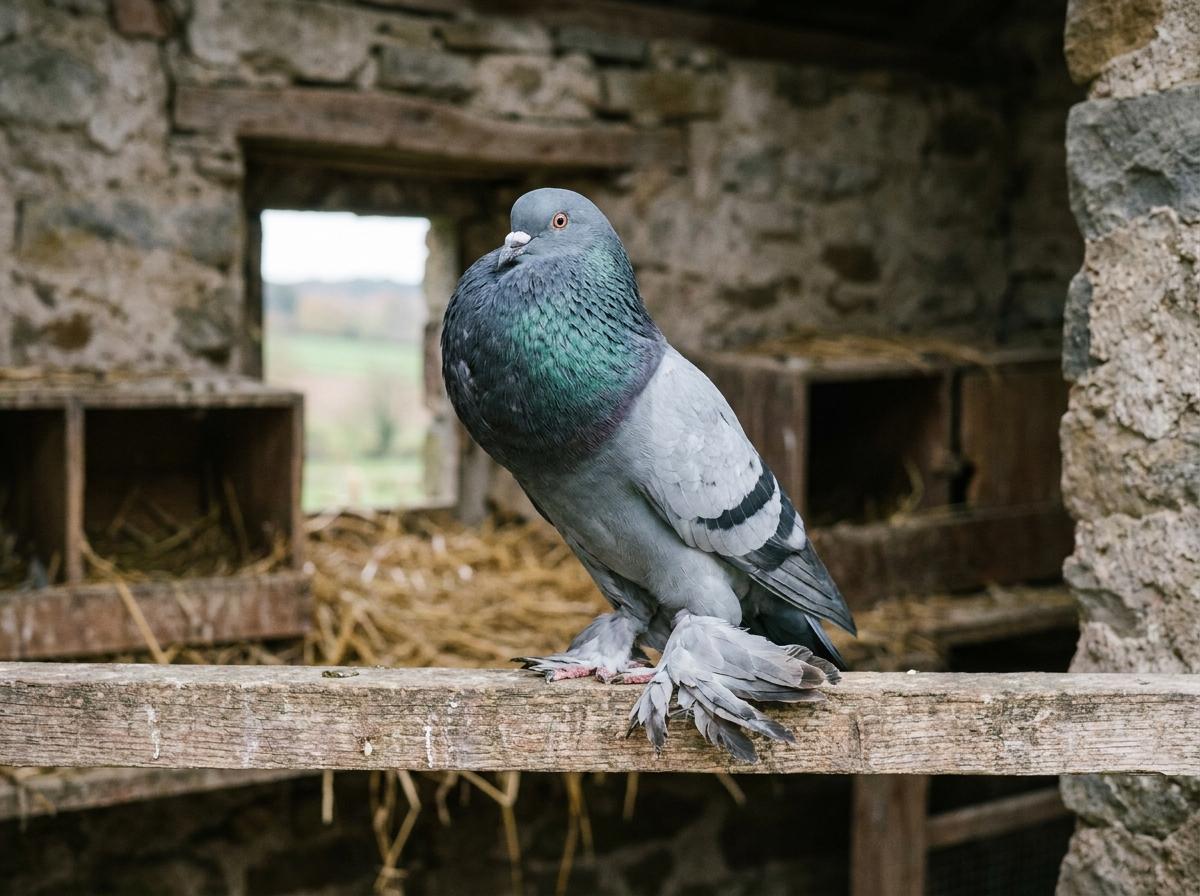
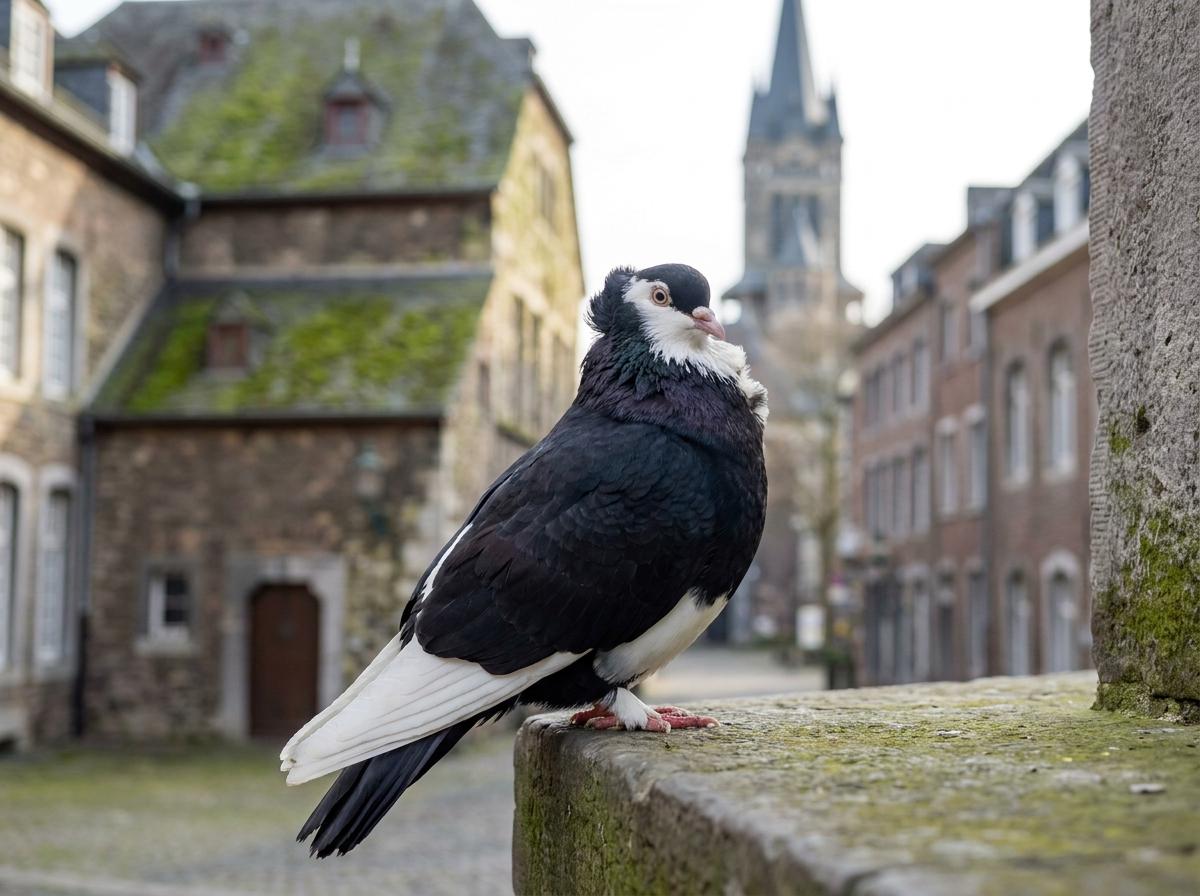
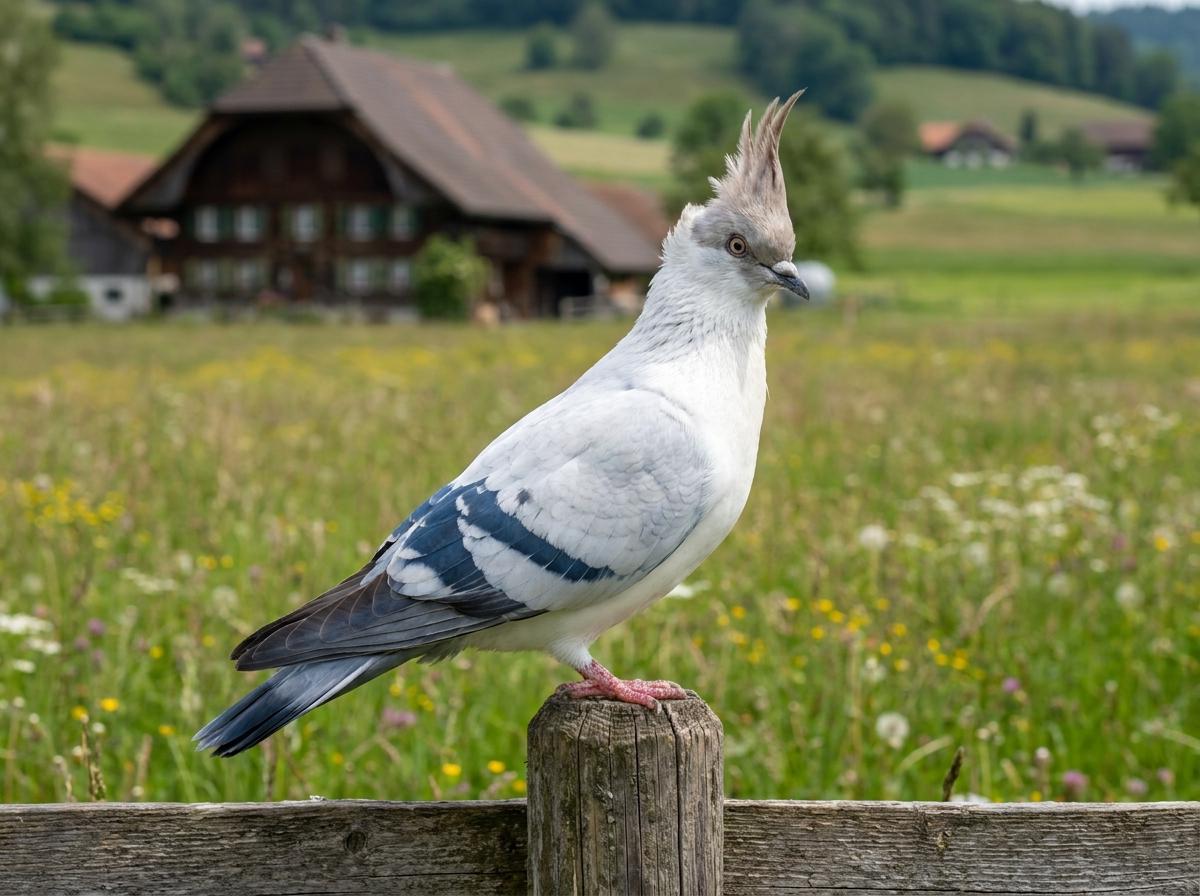
The Old German Owl is a small, frilled ornamental pigeon from Germany, known in its homeland as the Altdeutsches Mövchen (“Old German little gull”). It is one of the older owl-type breeds, and it is prized for a specific look: a rounded, short-beaked head with a small peak crest, a ruffled frill down the chest, and clean, tidy color markings on an otherwise white bird. Unlike some of the extreme short-faced owls that struggle to raise their own chicks, the Old German Owl is a hardy, active flyer that feeds and rears its own young well, which makes it one of the more practical owl breeds to keep. This page covers what the breed is, where it comes from, how to read its markings and colors, how it differs from the Chinese Owl and the African Owl, and what to check before you buy one.

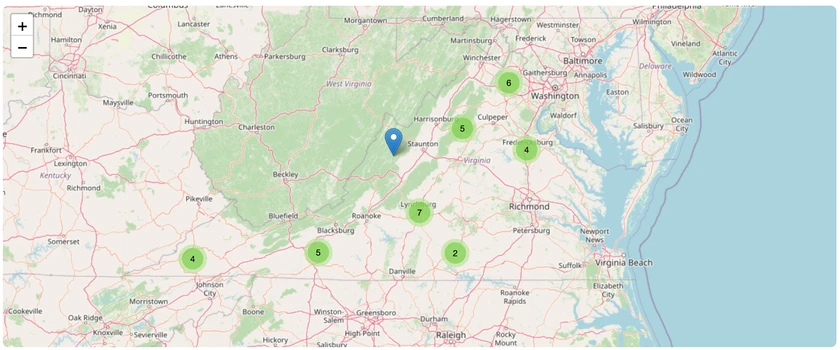
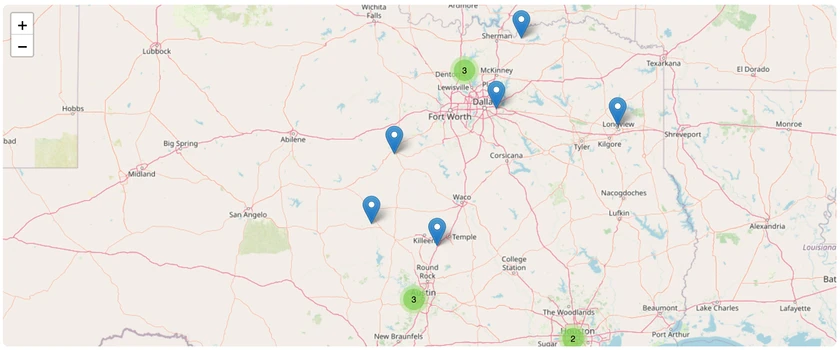
Browse listings, public profiles, breeders, or add your animal.
What is an Old German Owl pigeon?
The Old German Owl is a breed of domestic fancy pigeon (all domestic pigeons descend from the rock dove, Columba livia) developed in Germany. Its German name, Altdeutsches Mövchen, translates roughly to “Old German little gull.” According to the breed’s documented history, it was the first breed in Germany to be called Mövchen, or “little gull,” because its color and markings recall the European herring gull, a white bird with a colored mantle. That gull association is where the whole “owl” and “Mövchen” family of frilled pigeons gets its flavor.
It belongs to the “owl” group of pigeons, a collection of small, round-headed, short-beaked breeds that all carry a frill of reversed feathers down the front of the breast. Within that group, the Old German Owl sits on the more natural, functional end. It has a short beak, but not the extreme, doll-like short face of the African Owl, and that single difference has real consequences for how easy the bird is to breed and keep. The breed is also historically important: it is generally credited as the founding stock behind the short-faced German Shield Owls, so it is a kind of ancestor within its own family.
If you are weighing owl breeds against each other, the parent Creatures pigeon species page is a good place to compare the Old German Owl against other fancy and utility pigeons, and the closely related Blondinette pigeon page covers a laced frilled cousin from the Oriental Frill family.
Origin and history
The Old German Owl comes from Germany. It is an old breed within its group, and the “Old” in the name distinguishes it from the more heavily refined, short-faced owls that were later developed from it. The breed was formally recognized in Germany in 1956, and the first official standard was not adopted in Europe until 1960. In the United States, the National Pigeon Association (NPA), the main governing body for exhibition pigeons in the country, adopted the Old German Owl standard in 1999.
Because the breed predates and helped found the short-faced German Shield Owls, keepers often describe it as the “original” or working version of the German owl idea: the frill, the crest, and the clean markings are all there, but on a bird that is still a competent flyer and parent rather than a purely ornamental extreme. That founding role is worth keeping in mind when you read breed descriptions, because a lot of the more delicate owl traits were pushed further in the breeds that came after it.
What an Old German Owl looks like
The Old German Owl is a small, compact, roundish pigeon with a handful of features that, taken together, make it easy to recognize.
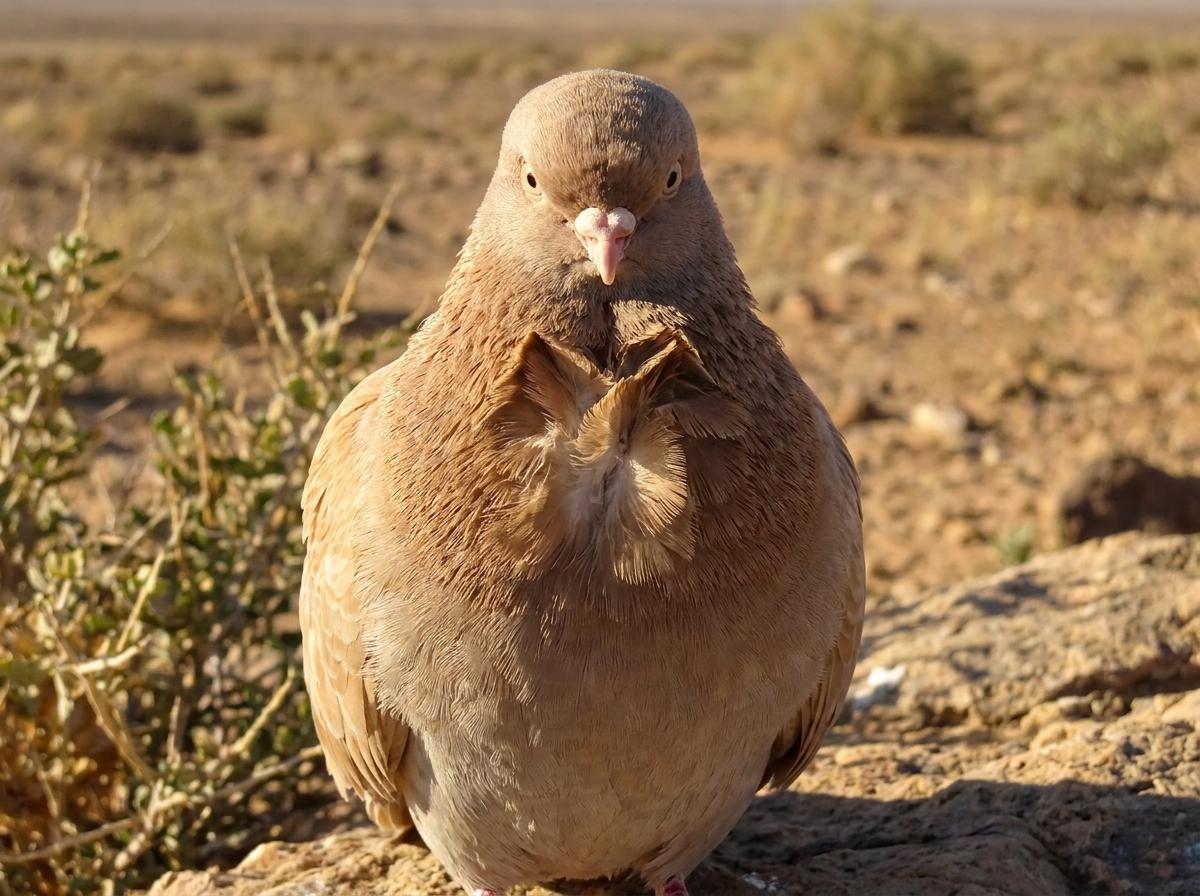
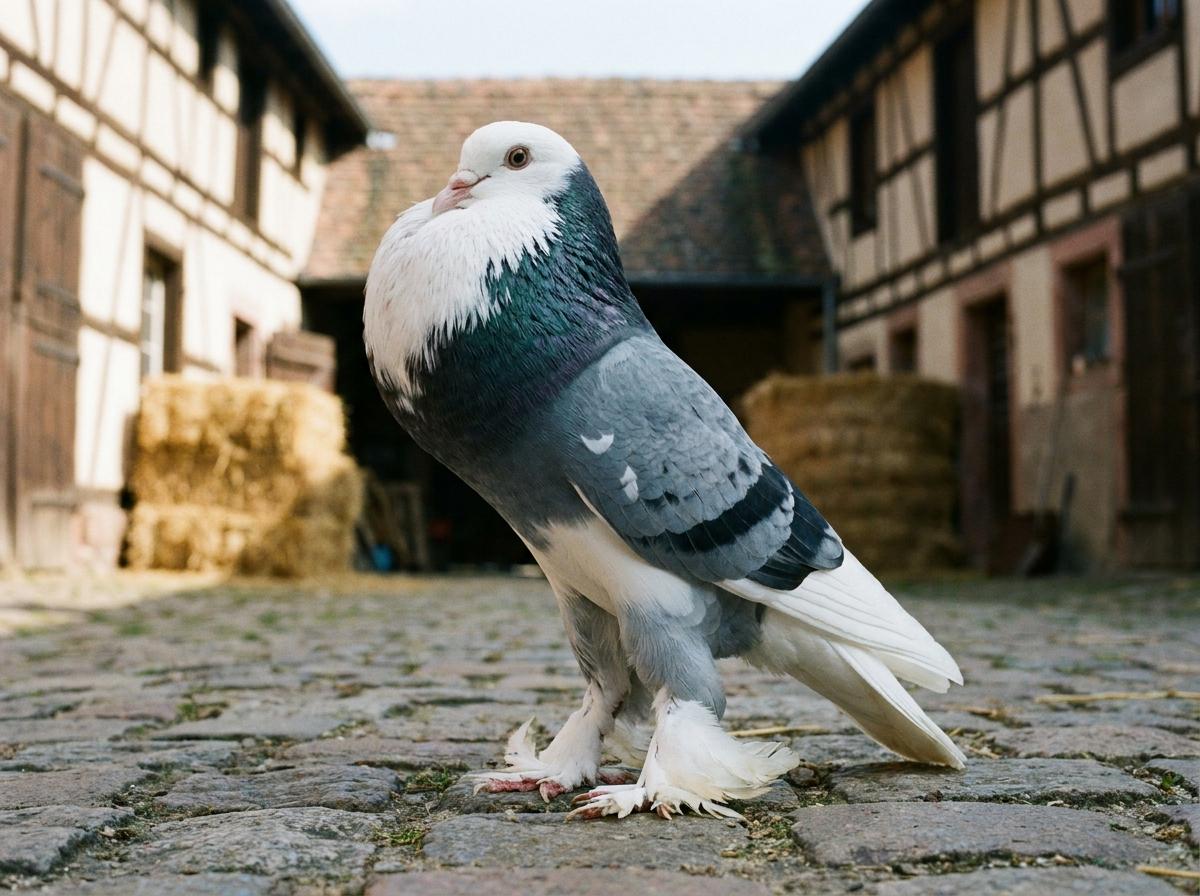
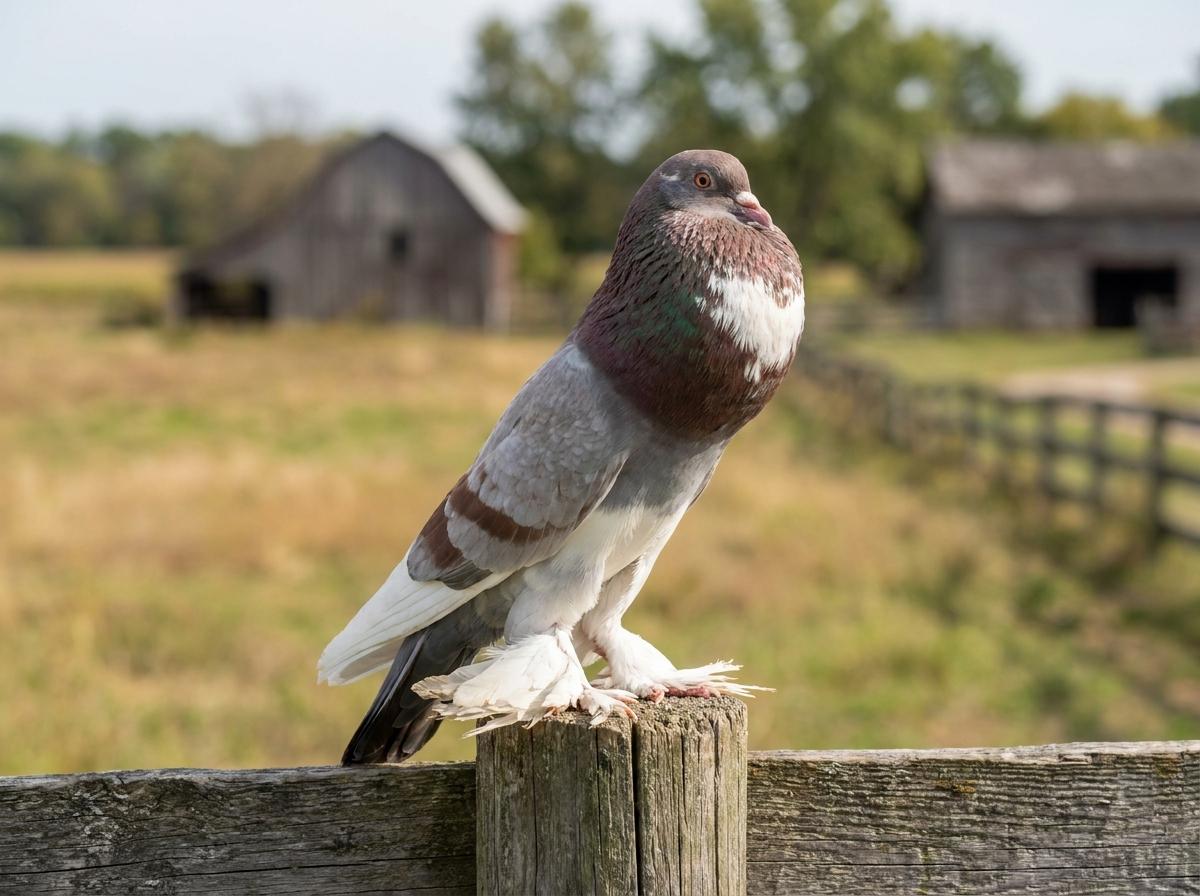
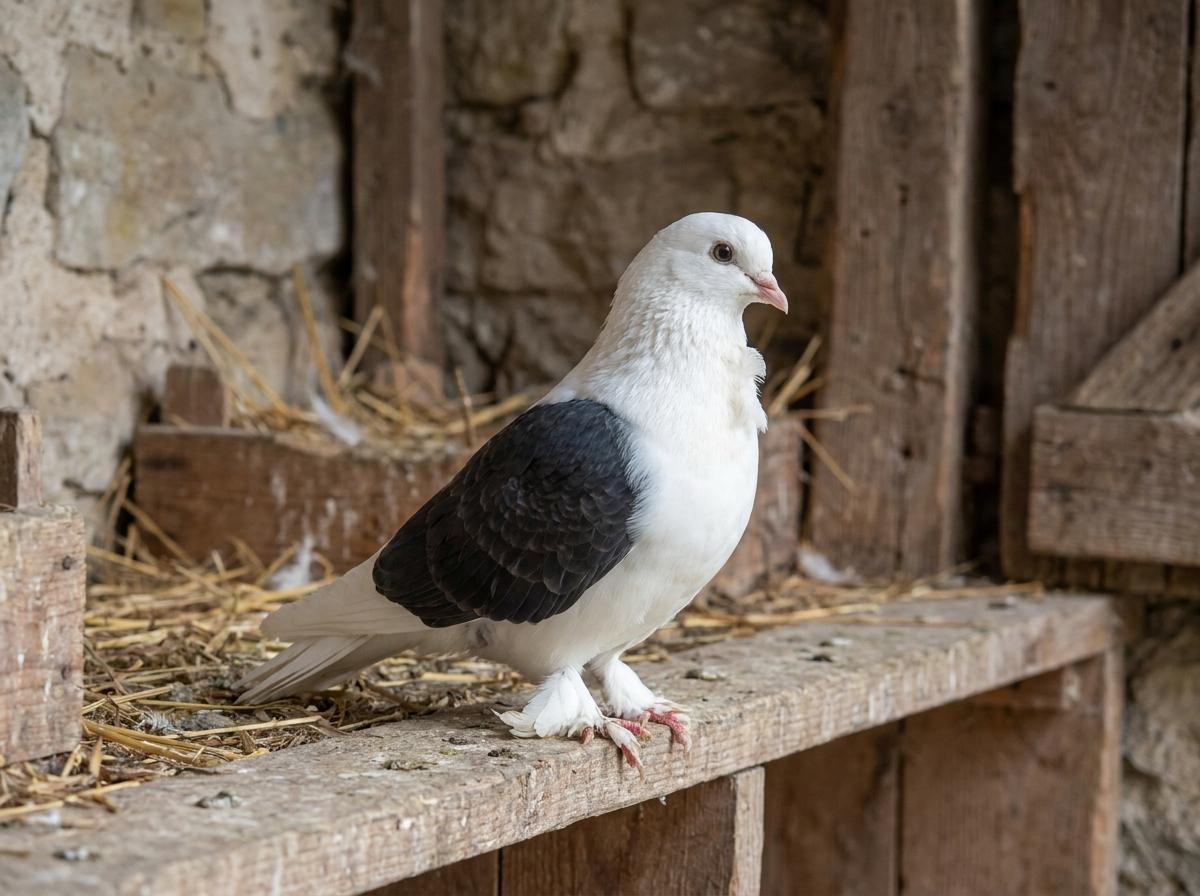
- Chest frill (jabot). Like all owl pigeons, it carries a well-developed frill down the front of the throat and breast, a run of feathers that grow in reversed directions and part down the middle. This frill, also called a jabot, is a defining owl trait and one of the first things to look for.
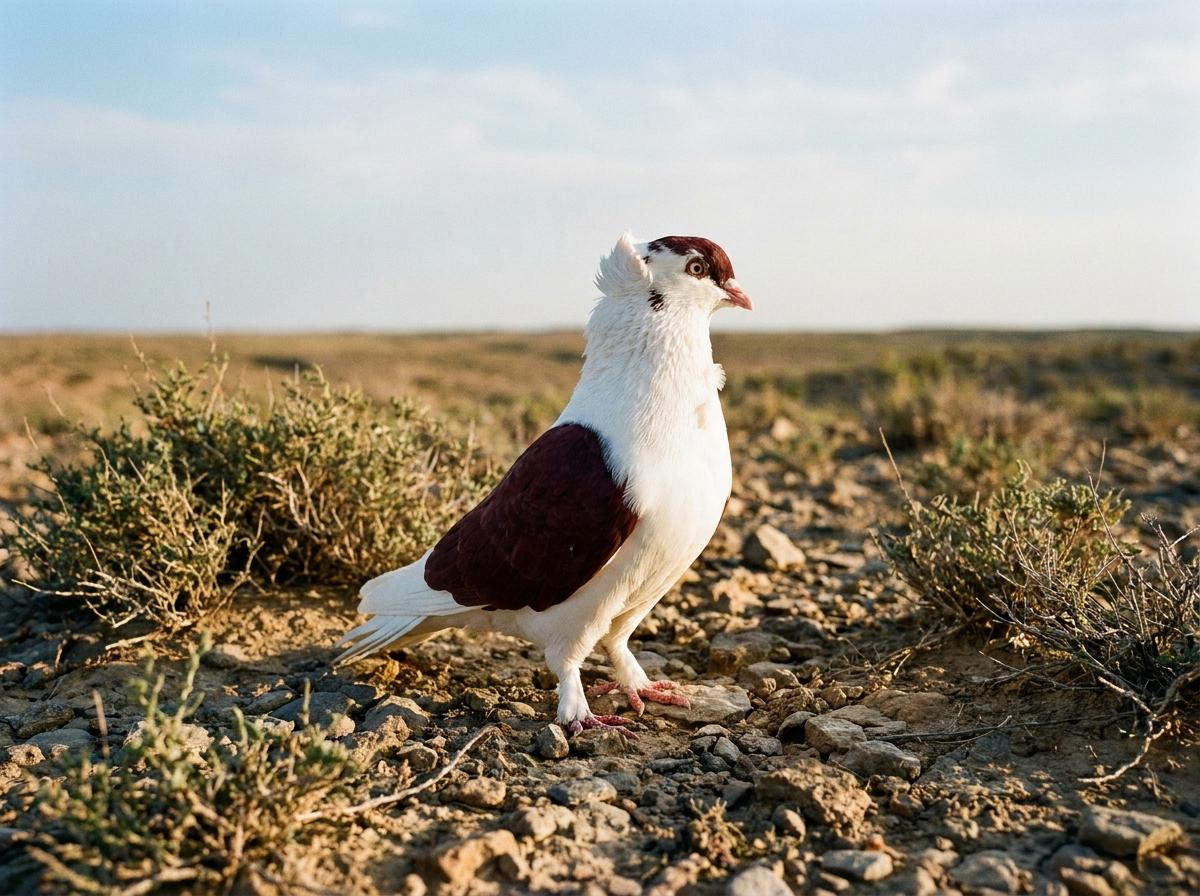
- Small peak crest. The head carries a small, full peak crest at the back, a shell-shaped tuft of feathers that closes with rosettes on each side. It is a modest peak, not a large mane or a full circular crest.
- Round, broad head and short beak. The head is nearly round and broad with a well-arched forehead. The beak is medium in length for an owl breed, broad, and light flesh in color. This medium (rather than ultra-short) beak is the practical difference that lets the bird feed its own chicks.
- Large bull eyes. The eyes are large, bright, and dark (called “bull” eyes), set in a broad face.
- Broad breast, short clean legs. The breast is broad, well rounded, and carried forward and up. The legs are short and clean, meaning unfeathered, with the shanks barely visible.

Markings: shield, tail, and self
Where the breed really earns the “little gull” name is in its markings. The body is essentially white, and color is applied in tidy, specific zones. The breed is shown in a few standard marking patterns:
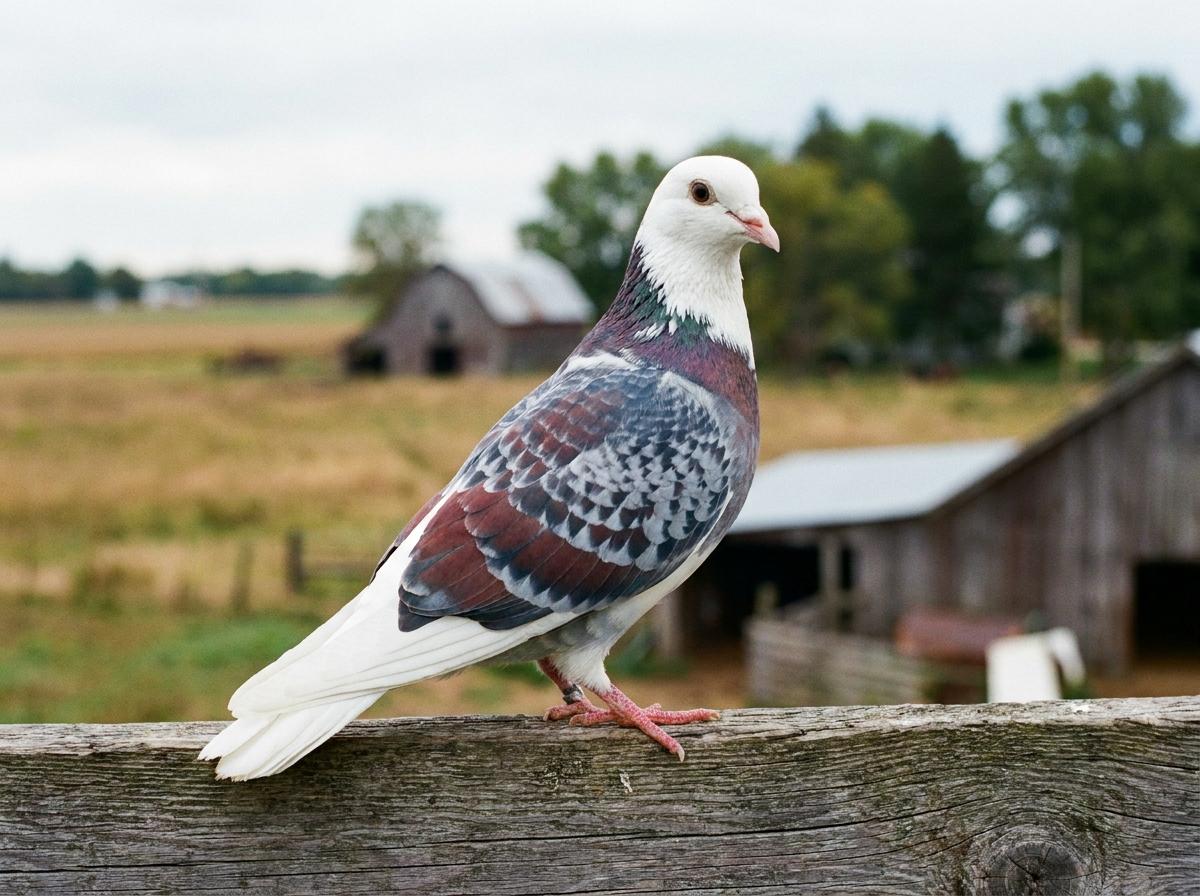
- Shield-marked. The wing shield (the folded-wing feathers over the back and sides) is colored, while the body stays white. In the ideal shield-marked bird the primary flight feathers are white (the standard describes ten white flights) with a colored “thumb” feather, so the colored area is the shield itself rather than the wing tips. This is the classic Old German Owl look and the one most people picture.
- Tail-marked. The bird is pure white except for the tail, where the tail feathers plus a wedge-shaped section of the back and body under the tail are colored. It is a clean, striking pattern: an all-white bird with one colored “flag” at the rear.
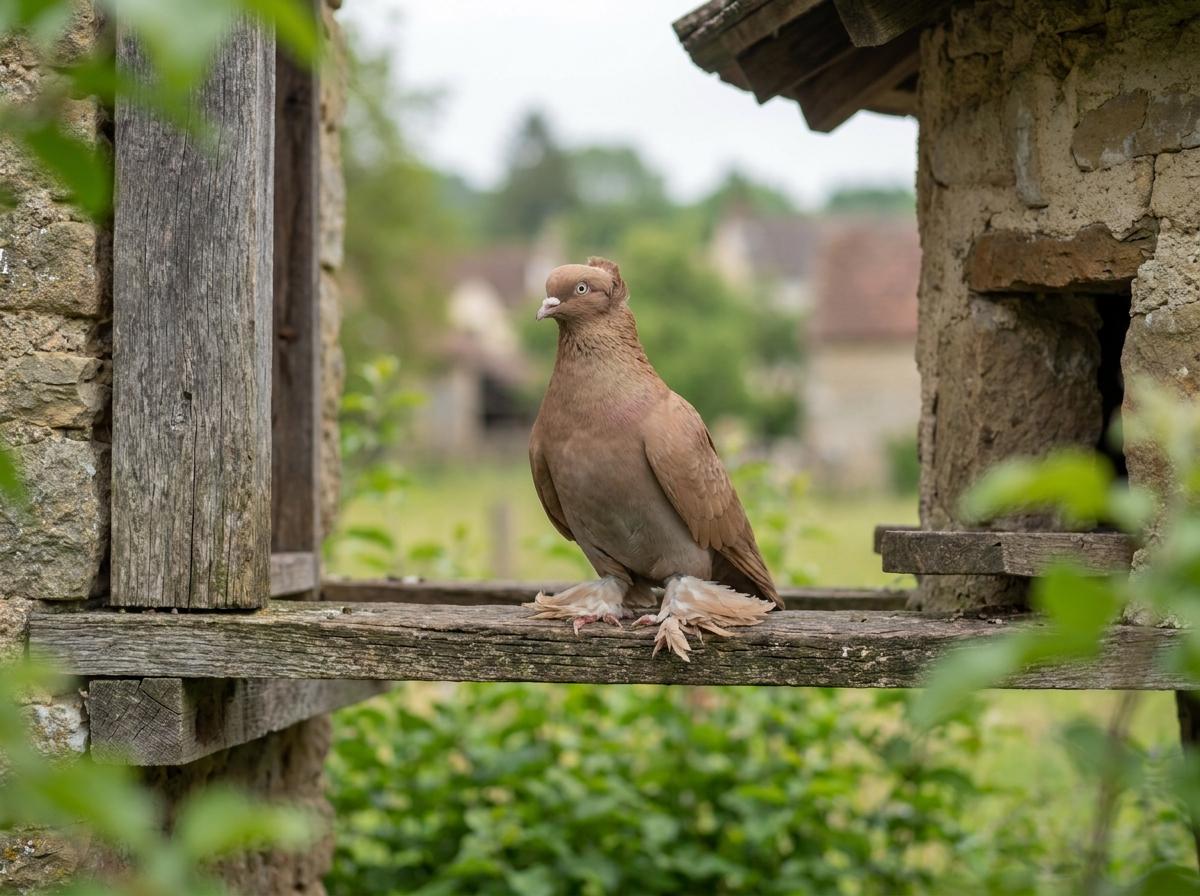
- Self-colored. Some are shown as a solid single color rather than marked, most commonly self white or self red.
The distinctive colored-cap-on-white look that people sometimes associate with these gull-marked pigeons is closest to the head-and-tail “moorhead” style seen across the broader owl and toy-marked family; in the Old German Owl the two standard marked patterns to know are the shield and the tail. Whichever pattern you are looking at, the goal is crisp, even edges between the color and the white, with no smudging or bleed.
Colors
The colored areas come in a wide range. Documented base colors and patterns include blue, ash red, recessive red, and brown, along with checks, bars, and spreads (spread black), plus the dilute versions of those base colors, which give you the softer silvers, duns, and creams. In plain terms, expect the marked color to show up in blue and blue-based patterns, black, red and yellow (the ash-red family and its dilute), brown, and silver, on that clean white ground.
How the Old German Owl differs from other owl pigeons
“Owl pigeon” is a group, not a single breed, and the differences between its members matter a lot in practice. The three you are most likely to compare are the Old German Owl, the Chinese Owl, and the African Owl.
- Old German Owl. Medium-short beak, a modest frill and a small peak crest, and, crucially, a bird that can feed its own young. It is the more natural, hardy member of the group.
- Chinese Owl. The showiest frill of the three by a wide margin. The Chinese Owl carries a profuse frill that runs not just down the breast but around the neck as a mane or “rose collar,” giving it a far more elaborate ruffled look than the Old German Owl’s tidier chest frill. Its beak is short but a touch longer than the African Owl’s, so it too can usually raise its own chicks.
- African Owl. The extreme short-faced owl and one of the smallest of the domestic pigeon breeds, bred for a tiny, doll-like head and an extremely short beak. That very short beak is a liability at feeding time: the African Owl is a notoriously poor feeder of its own young, and breeders often foster its eggs or chicks under other pigeons to rear them successfully.
That last point is the single most useful distinction for a keeper. The Old German Owl and Chinese Owl are ornamental birds you can generally breed like normal pigeons, while the very short-faced African Owl usually needs foster parents (often called feeders or pumpers) to get chicks weaned. If you want owl looks without the fostering logistics, the Old German Owl is the friendlier starting point.

Temperament and behavior
Old German Owls are generally described by keepers as friendly, tame, and easy to handle, which is part of why they are kept as pets as much as show birds. They are also active, athletic flyers, not a purely sedentary loft ornament, so they appreciate room to move. We flag “friendly and tame” as the common keeper and breeder description rather than a formally studied trait, because the pigeon-fancy literature focuses on the standard and on breeding rather than on measured behavior, and any individual bird’s tameness depends heavily on how much it is handled.
The most practically important behavioral note is parenting. Old German Owls are reliable, capable parents: their medium beak lets them feed their own squabs, and they are often described as such good, attentive parents that they can even foster and raise the young of other pigeons. That reputation as a willing feeder is a genuine advantage in a group where poor feeding is the classic problem.
Housing, care, and health
An Old German Owl needs the same fundamentals as any loft pigeon, and it is a hardier, lower-drama version of the owl idea, so it does not carry the special feeding problems of the shortest-faced breeds.
Housing
House them in a clean, dry, draft-free loft or aviary with good ventilation but no direct drafts, ample perches, and nest boxes for breeding pairs. Give them protection from predators and from wet, and enough space that birds are not crowded. Because they are active flyers, an aviary with room to move, or supervised out-of-loft flying time where it is safe, suits them well. Keep the loft dry and clean to protect the frill and the birds’ general condition.
Feeding
Feed a good-quality pigeon grain mix (a blend of seeds and legumes such as peas), with constant access to clean fresh water and to grit and a mineral or pigeon “pick” supplement, which pigeons need for digestion and for eggshell quality in breeding hens. Breeding and molting birds have higher demands, so plan feeding around the season. Because Old German Owls feed their own young, you do not normally need the foster-feeder setup that short-faced owls require, but it is still worth having a plan for any pair that fails to feed.
Health
Routine pigeon health care applies: keep the loft clean and dry, control parasites (both external, like mites and lice, and internal), watch for the common pigeon illnesses such as canker (trichomoniasis), coccidiosis, worms, and respiratory infection, and provide the vaccinations, most importantly against paramyxovirus (PMV) where it is used, that your avian veterinarian recommends for your area. Quarantine new birds before adding them to an established loft. As with any animal, defer medical decisions to a qualified veterinarian who can examine the bird, and keep clear records of pairings, hatches, treatments, and any health events so you can make sound breeding and culling decisions. With good management, fancy pigeons commonly live on the order of 10 to 15 years, though there is no breed-specific guarantee, so treat that as a general expectation rather than a promise.

Breeding and showing
Old German Owls breed readily for a fancy pigeon. Pairs form stable bonds, a hen typically lays two eggs per clutch, incubation runs about 17 to 19 days as in pigeons generally, and both parents feed the squabs on crop milk. The breed’s willingness to feed its own young is the headline advantage over the short-faced owls, so most keepers can raise chicks without fostering. Sexual maturity comes at several months of age, and, as always, it is worth deciding deliberately when to let a young pair go to nest rather than letting it happen by accident.
For show, birds are judged on overall impression and body form first, then head and beak, crest, neck and frill, and finally color and markings, according to the breed standard. If you plan to exhibit, get a current copy of the standard from the NPA or the relevant breed club and learn what a correct frill, peak crest, and clean marking edge are supposed to look like, because those fine points are where shows are won and lost.
Cost and availability
The Old German Owl is a specialist show and hobby breed rather than a mass-market pet, so it is bought and sold through pigeon fanciers, breed clubs, and shows rather than in pet shops. There is no single reliable public price for the breed, and prices depend heavily on the bird’s quality, markings, color, and whether it is show-standard or pet-quality, so pet-quality birds are usually modestly priced while top exhibition stock from a strong loft costs more. Rather than quote a precise figure we cannot source, the honest guidance is: expect ordinary hobby-pigeon money for a pet bird and a premium for proven show quality, and buy from someone who can show you the parents and the loft.
Availability follows the same pattern. The breed is kept by fanciers across Europe and North America but is not common, so the practical way to find one is through breed clubs, pigeon shows, and breeder listings rather than by walking into a store. If genuine stock is scarce in your area, a saved listing alert (in the hub below) is often the most efficient way to catch a bird when one is posted. You can also browse Old German Owls on the Creatures marketplace and look for lofts in the Creatures breeder directory.
What to check before you buy
Because so much of the breed’s value is in fine feather detail, buy on evidence and buy in person where you can.
- Check the frill and crest. The chest frill should be full and evenly parted, and the peak crest should be present and neat. These are the breed’s signature and the first things a judge looks at.
- Read the markings. On a shield-marked or tail-marked bird, the edge between color and white should be crisp and even, with the white areas clean and the colored areas solid. Smudging and mismarking are common faults.
- Look at the head and beak. You want the round, broad head and the medium, broad beak of a proper Old German Owl, not an ultra-short African-Owl-type beak (which is a fault in this breed and a feeding liability).
- Confirm it is healthy and self-feeding stock. Ask whether the parents raised their own young. Since self-feeding is a selling point of this breed, a loft that fosters everything is a small warning sign.
- Ask for records. Pairings, hatch dates, and any health treatments tell you more than a single photo. A breeder who keeps records is usually a breeder worth buying from.
Frequently asked questions
What is an Old German Owl pigeon?
It is a small frilled ornamental pigeon from Germany, called the Altdeutsches Mövchen or “Old German little gull.” It has a chest frill, a small peak crest, a short broad beak, and clean color markings (usually a colored wing shield or a colored tail) on a white body. It is an “owl” type pigeon and the founding stock behind the short-faced German Shield Owls.
Why is it called an “owl”?
“Owl” is the name for a whole group of small, round-headed, short-beaked pigeons that carry a frill of reversed feathers down the breast. The Old German Owl is one of the older members of that group. The German name, Mövchen or “little gull,” comes from the bird’s gull-like white body and colored markings.
Can Old German Owls raise their own young?
Yes. Unlike the very short-faced African Owl, which is a poor feeder and often needs foster parents, the Old German Owl has a medium-length beak and is a reliable, capable parent that feeds its own squabs and can even foster other pigeons’ young.
How is it different from the Chinese Owl?
The Chinese Owl has a much more profuse frill, including a mane or “rose collar” of reversed feathers around the neck, so it looks far more heavily ruffled. The Old German Owl has a tidier chest frill and a small peak crest, and it is generally considered the more natural, hardy owl of the two.
What colors do they come in?
The white-bodied bird carries its color in the markings, in blue, black, ash red, recessive red, brown, and silver, along with bars, checks, spreads, and dilute versions of those colors. Self white and self red birds are also shown.
Are Old German Owls good pets?
They are generally friendly, tame, and easy to handle, and they are kept as pets as well as show birds. They are active flyers that appreciate room to move, and, being self-feeding, they are one of the more beginner-friendly owl breeds to breed and keep.
Do this next on Creatures
Whether you are researching the breed, hunting for a bird, or already keeping Old German Owls, Creatures is the records, marketplace, and directory layer to do it in one place.
Compare the breed. See how it stacks up against other fancy pigeons on the Creatures pigeon species page, the frilled Blondinette, the elaborately maned Chinese Owl, and the marked Nun.
Find a bird. Browse Old German Owls on the marketplace and search trusted lofts and breeders in the Creatures directory. New to the marketplace? See saving searches and using your watchlist.
Get alerted. Old German Owls are not common, so set a free Old German Owl listing alert and we will tell you when one is posted. No account needed to start.
Add your pigeon. Already keeping Old German Owls? Create a free animal profile in a few minutes. The walkthrough is in adding an animal to Creatures.
Track breeding and health. Track pairings, hatches, and health records on Creatures. The record sheet opens for any visitor to look around, and you will need a free account to save what you enter. See adding a record for the full how-to.
List your loft. Breed Old German Owls? Create a free loft or breeder profile so buyers searching for this uncommon breed can reach you, and read getting listed in the breeder directory.