

Flemish Giant
The Flemish Giant is one of the largest rabbit breeds in the world, a calm, heavy-boned Belgian breed that commonly matures at 15 pounds or more. The American Rabbit Breeders Association (ARBA) standard sets minimum weights (13 pounds for a senior buck, 14 for a senior doe) and no maximum at all, which is why well-grown adults the size of a small dog are normal rather than exceptional. The breed has earned its “gentle giant” nickname, but the size that makes it famous also changes almost everything about keeping one: housing, flooring, diet volume, handling, and lifespan all work differently at this scale. This page covers what the breed is, where it actually comes from, what it looks like, what it costs, how its care differs from a normal-sized rabbit, and what to check before you buy one.

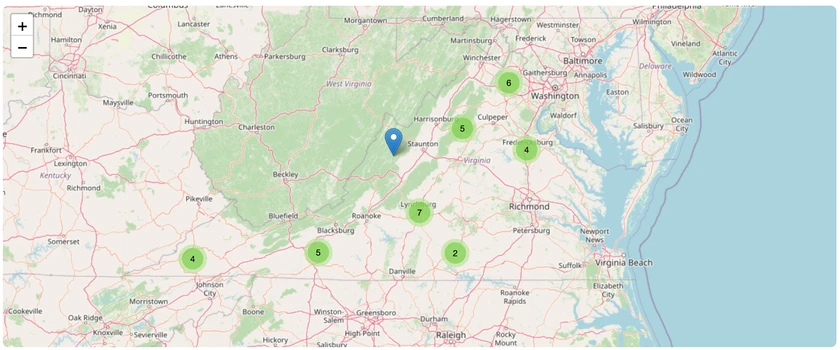
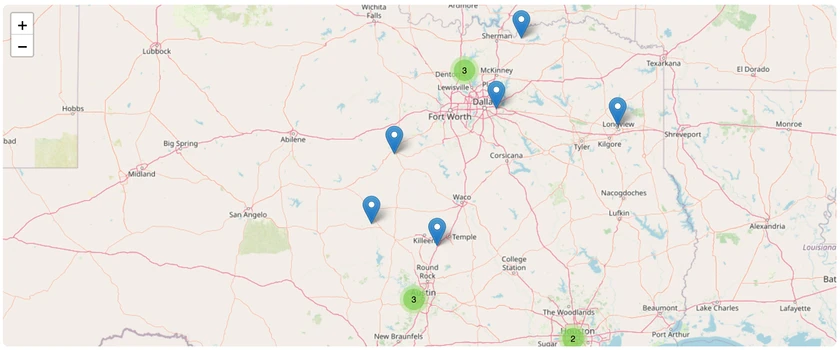
Browse listings, public profiles, breeders, or add your animal.
What is a Flemish Giant rabbit?
The Flemish Giant is an old Belgian utility breed, originally raised for meat and fur and now kept mostly as a show rabbit and companion. It is the best known of the giant rabbit breeds and the ancestor of several others, and in the United States it is a fully recognized ARBA breed with its own national specialty club, the National Federation of Flemish Giant Rabbit Breeders, founded in 1915.
Two things define the breed. The first is sheer size: this is a rabbit with a weight floor in its standard instead of a ceiling. The second is temperament. Flemish Giants are consistently described by breeders and keepers as unusually calm and tolerant, which is a large part of why a 16 pound rabbit became a popular house pet at all. If you are still comparing breeds, the Creatures rabbit species page lets you weigh the Flemish Giant against lops, dwarfs, and the other giants side by side.
What the breed is not is a low-effort novelty. A Flemish Giant eats more, needs dramatically more space, is harder to lift safely, and lives a shorter life than a small rabbit. Everything below is written with that honest trade in mind.
Origin and history
The breed comes from Flanders, the Dutch-speaking north of Belgium, and is traditionally associated with the countryside around the city of Ghent. You will often read that giant rabbits were bred there as far back as the 16th century. Treat that early date as tradition rather than documented fact: the earliest records generally accepted as authentic date to around 1860, and the first written standard for the Flemish Giant was drawn up in 1893.
The breed’s deeper ancestry is genuinely murky, and honest sources say so. Old accounts credit crosses of local stock such as the Steenkonijn (“stone rabbit”) with a large European rabbit known at the time as the “Patagonian.” That extinct European Patagonian breed has nothing to do with wild South American animals of similar name; the romantic story that sailors brought giant rabbits back from Patagonia does not hold up, since no giant wild rabbit existed there to import. What is certain is that Flemish farmers were selecting big, heavy-boned rabbits for meat and fur long before the show world standardized them.
Flemish Giants were exported to England and to the United States in the late 19th century, arriving in America in the early 1890s, where they were first used to add size to meat rabbit herds during the era of the great rabbit booms. They moved from the barn to the show table quickly: American fanciers organized the National Federation of Flemish Giant Rabbit Breeders in 1915, and the breed has been a fixture of American shows ever since, where its size makes it one of the most photographed animals in any barn.
What a Flemish Giant looks like
Size is the headline, but the standard describes a specific animal, not just a heavy one.
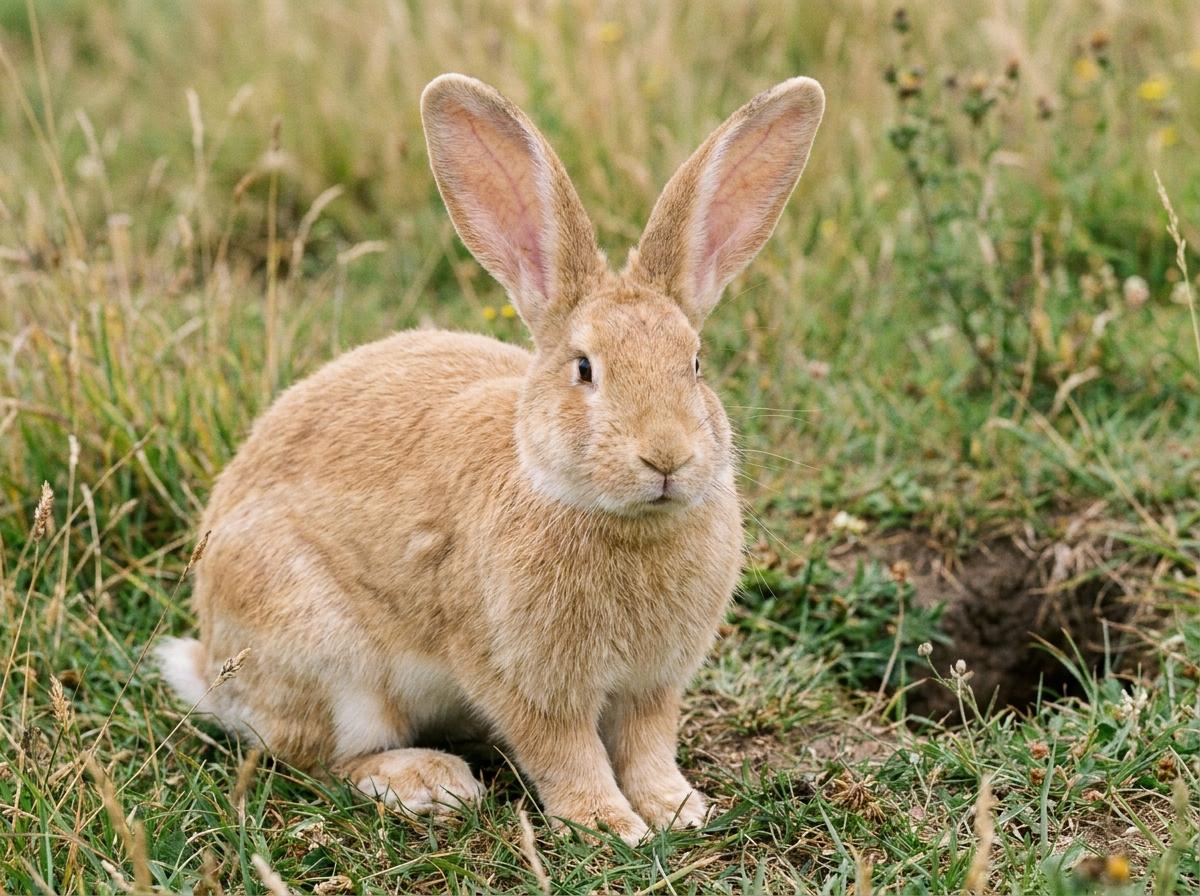
- Semi-arch body. The Flemish Giant is the classic semi-arch or “mandolin” breed. The topline does not rise right behind the ears the way a full-arch breed’s does; instead the arch begins back at the shoulders and sweeps over broad hindquarters to the tail. The body is long, powerful, and substantial rather than round.
- A genuinely big frame. ARBA sets minimums of 13 pounds for senior bucks and 14 pounds for senior does with no upper limit. Many mature animals settle between 15 and 20 pounds, and a relaxed adult can stretch to roughly 2.5 feet or more of rabbit. Does are permitted a full dewlap, the fold of skin under the chin.
- Broad head and tall erect ears. The head is large and full, more so in bucks, and the ears are thick, upright, and carried erect. Long lopped ears mean you are looking at a different giant (see the French Lop below).
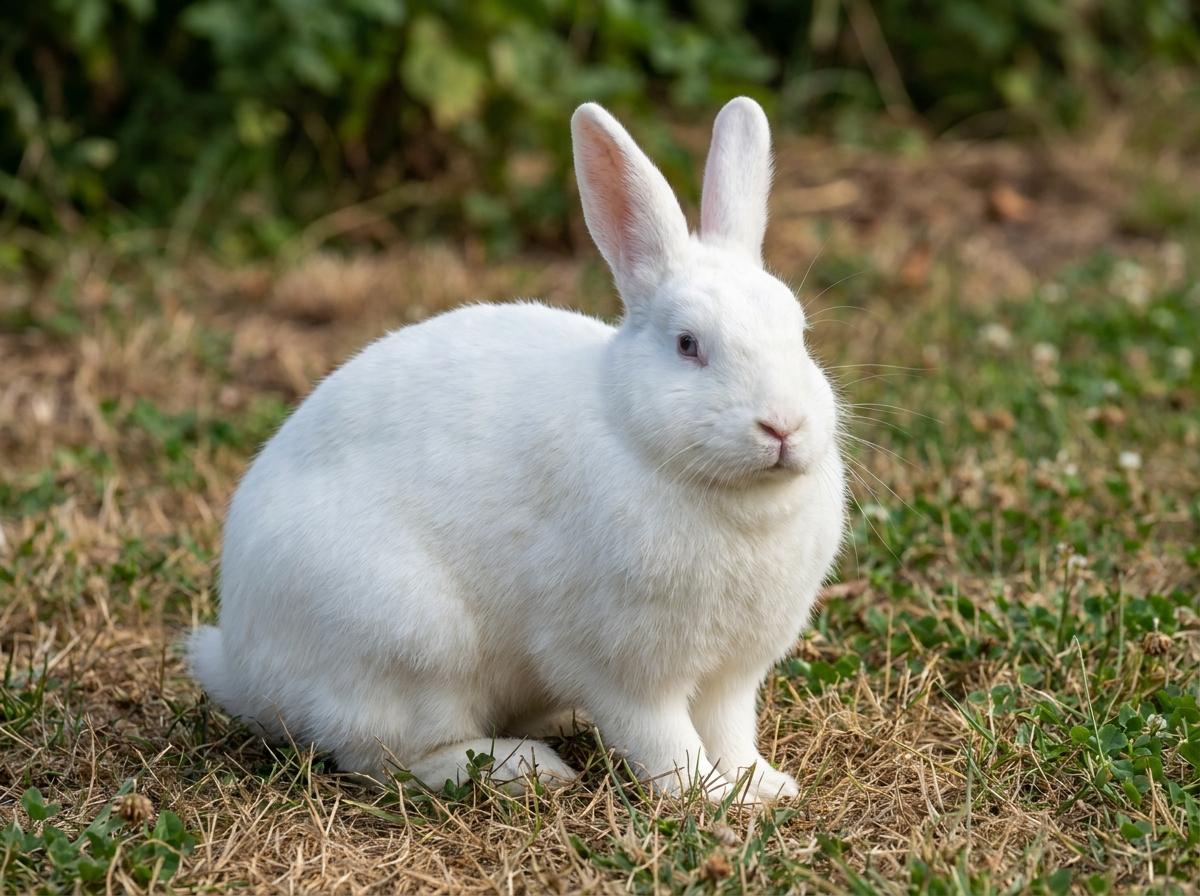
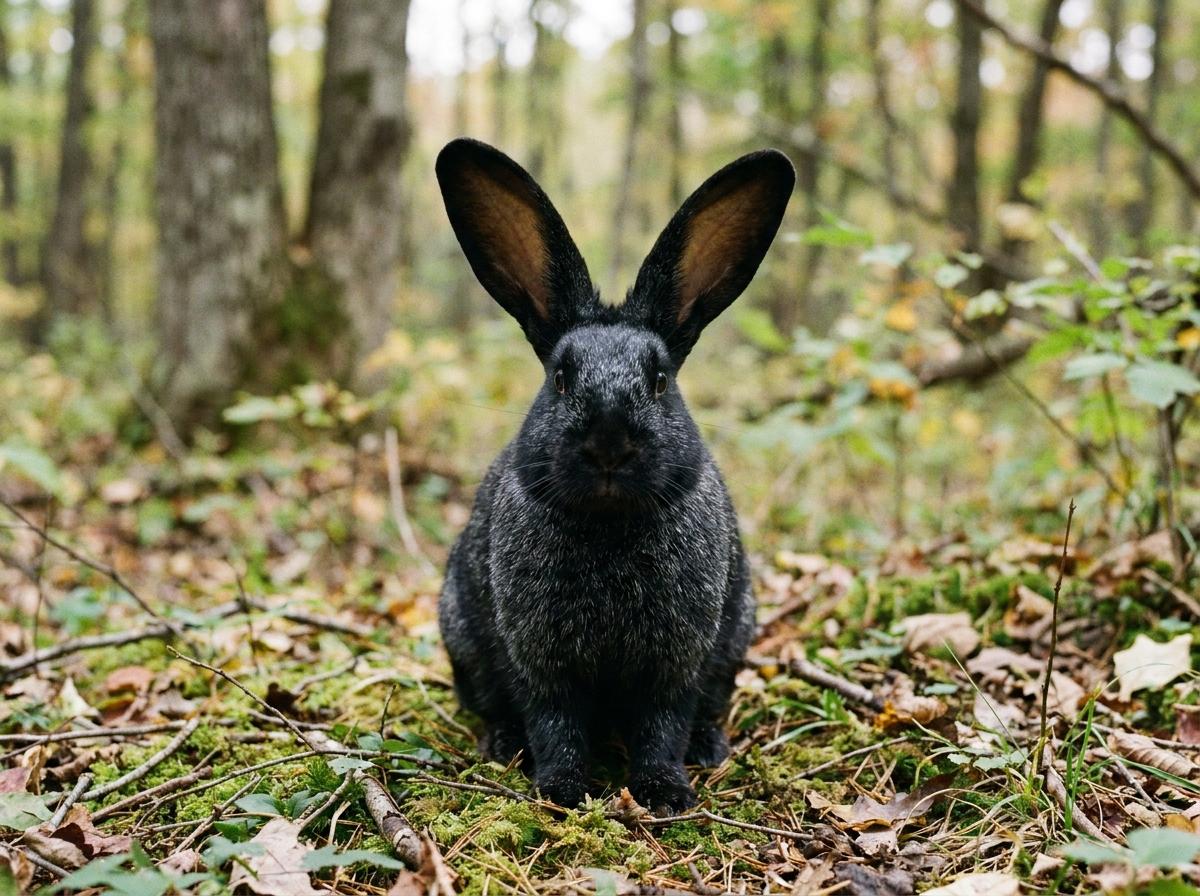
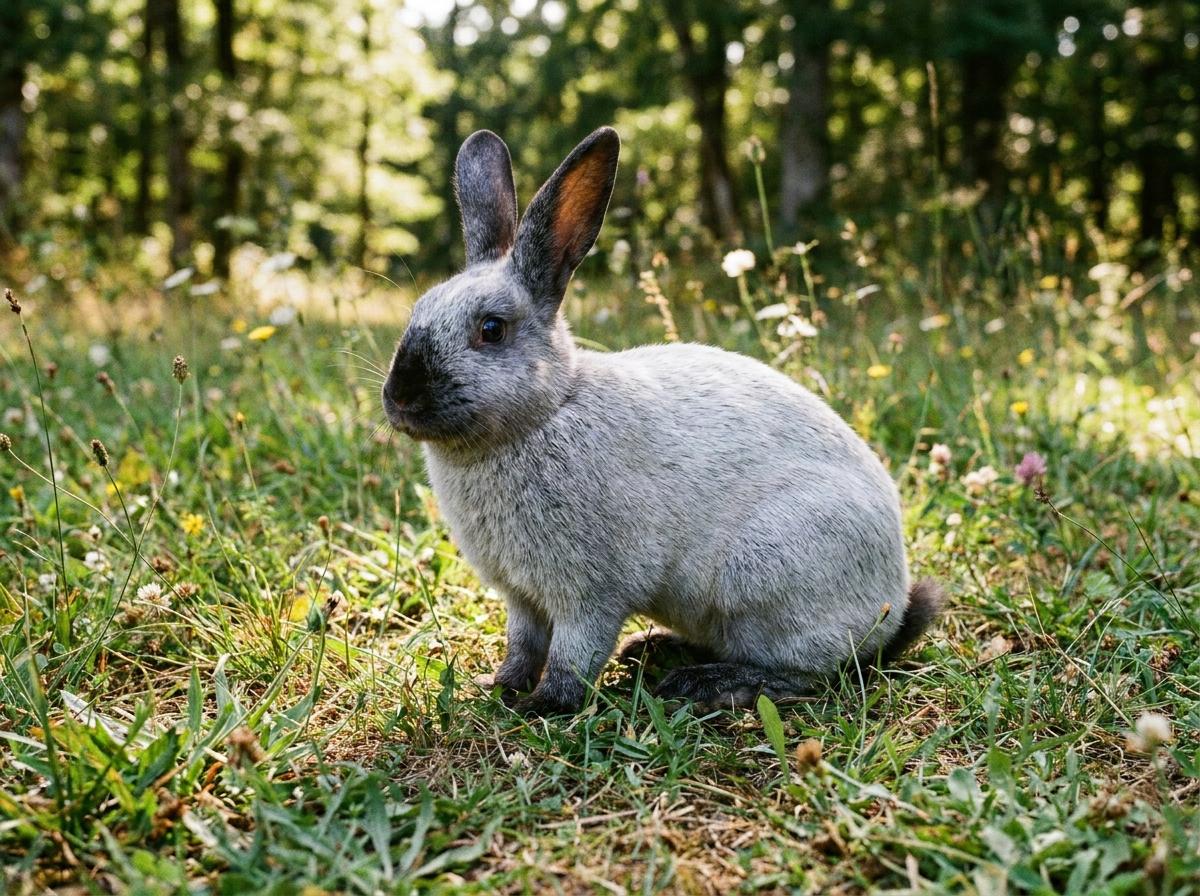
- Seven recognized colors. ARBA accepts black, blue, fawn, light gray, sandy, steel gray, and white. Sandy, a warm reddish tan, and light gray are among the most commonly seen. The coat is short, dense, and glossy.
One trivia point deserves an honest footnote. The Guinness World Record for longest rabbit, set in 2010 by a rabbit named Darius at 4 feet 3 inches, is listed by Guinness as a Flemish Giant, though Darius was widely reported as a Continental Giant, a closely related European breed developed from Flemish stock. Either way, the record animal’s family tree runs straight through Flanders.

Temperament: the gentle giant, honestly
Flemish Giants are famous for being placid, and the reputation is broadly deserved. Breeders and keepers consistently describe them as docile, tolerant, and less skittish than many small breeds, and well-socialized animals often enjoy lying near their people like a cat. That is practitioner observation rather than formal behavioral science, so read it the way you would any temperament claim: as a strong tendency, not a guarantee.
Individual personality still varies with genetics, socialization, and handling. A Flemish Giant that has been handled gently from kithood is usually a remarkably easygoing animal. One that has learned that hands mean being grabbed can be a 16 pound problem, because everything a rabbit does to object (kicking, bolting, struggling) carries far more force at this size. The breed’s calmness is real, but it is built by calm, consistent handling, not shipped from the factory.
Around other pets, the size cuts both ways. A Flemish Giant is less likely to be injured by a cat than a dwarf rabbit is, and many live calmly alongside cats and gentle dogs. Supervision still applies; a rabbit is a prey animal no matter how big it gets.
Care at this size is genuinely different
Most rabbit care advice is written for a 4 to 6 pound animal. A Flemish Giant is three to four times that, and the differences are not cosmetic. This is the section to read twice if you are deciding whether the breed fits your setup.
Space and housing
Forget the standard pet-store rabbit cage; a Flemish Giant does not fit in one in any meaningful sense. An enclosure needs to let the rabbit stretch out fully, hop several strides, and stand upright on its hind legs without touching the top, which at this size means something on the scale of a large dog exercise pen, a very large custom hutch, or simply a rabbit-proofed room. Many owners find free-roam or room-based housing easier than trying to buy a cage big enough.
Daily exercise time outside the enclosure is not optional. A giant breed carrying this much weight needs room to move to keep muscle tone, healthy feet, and a healthy gut. Plan for the rabbit to live where the family lives, with sturdy litter boxes (large cat boxes work better than rabbit-sized ones) and cords, baseboards, and houseplants protected the same as for any house rabbit, just at a larger radius.

Flooring and sore hocks
Flooring is the single most breed-specific husbandry point. Heavy breeds, and the Flemish Giant is named among them in the Merck Veterinary Manual, are particularly prone to ulcerative pododermatitis, better known as sore hocks: pressure sores and infections on the soles of the hind feet caused by bearing all that body weight on wire cage floors or hard, abrasive surfaces. It is painful, slow to heal, and much easier to prevent than to treat.
The prevention is simple and non-negotiable: solid flooring with soft, clean, dry footing. That means solid-bottom enclosures, thick bedding, rugs, foam or fleece mats over slick or hard floors, and immaculate litter habits so the rabbit is never sitting in damp bedding. Check the hind feet regularly; thinning fur on the hocks is the early warning. If you see red, raw, or scabbed skin, involve a rabbit-experienced veterinarian promptly rather than waiting.
Feeding a giant
A Flemish Giant eats like what it is: several rabbits’ worth of animal. The structure of the diet is the same as for any rabbit, unlimited grass hay as the foundation, a measured portion of quality pellets, a daily salad of leafy greens, and fresh water always available. The quantities are simply much larger, and the hay volume in particular surprises new owners; buying hay by the bale quickly makes more sense than buying it by the bag.
Two cautions come with the size. First, growth: kits grow fast and for longer than small breeds, and they need appropriate feed through that long growth window. Second, weight: an under-exercised giant slides into obesity easily, and extra weight lands directly on those vulnerable hocks and on aging joints. Learn to body-condition score by feel, since “big” and “fat” look similar under a dense coat, and ask your veterinarian to check condition at routine visits.
Handling and lifting
Picking up a Flemish Giant properly is a two-hand, whole-arm job: one hand and forearm under the chest and front legs, the other hand supporting the hindquarters, with the rabbit held securely against your body. Never lift any rabbit by the ears or scruff alone, and never let the back end dangle. Rabbits have powerful hind legs attached to a comparatively light skeleton, and a panicked kick in mid-air can seriously injure the rabbit’s own spine, to say nothing of raking the handler.
Because of that, many experienced owners simply minimize carrying: they train the rabbit to move on its own, use ground-level housing, and reserve lifting for nail trims, health checks, and travel. Children should interact with a Flemish Giant on the floor, not by carrying it. A calm giant is wonderful with respectful kids precisely because nobody needs to pick it up.

Health and lifespan
The honest trade for all that size is time. Giant breeds age faster than small ones, and Flemish Giants commonly live around 5 to 8 years, versus the 8 to 12 that small house rabbits often reach. Some individuals beat that with excellent care, but plan around the shorter arc rather than hoping past it.
Beyond sore hocks, the conditions keepers and veterinarians watch for in giants include arthritis in later years, obesity, and heart disease, which has been reported in giant breeds more than small ones. Everything else on the standard rabbit health list still applies: dental checks (rabbit teeth grow continuously), gut stasis vigilance (a rabbit that stops eating is an emergency), spay or neuter with a rabbit-experienced veterinarian, and vaccination against RHDV2 where your veterinarian recommends it. None of this is a reason to avoid the breed; it is a reason to budget for a rabbit-savvy vet and actually go.
What does a Flemish Giant cost?
The purchase price is usually the small number. Pet-quality Flemish Giant kits from hobby breeders often sell for well under a hundred dollars, while pedigreed show or breeding stock from proven lines commonly runs a few hundred, with price tracking the animal’s type, color, and the breeder’s record. There is no single national price, so treat any exact figure you read online as one breeder’s number, not the market.
The real cost of the breed is everything after the sale: giant-scale housing, hay by the bale, larger carriers, and veterinary care for an animal many general practices are not equipped to see. For the full running-cost picture, including what rabbit owners actually spend per month, see our guide to how much pet rabbits cost. Expect the Flemish Giant to land at the high end of every range in it.
Buying a Flemish Giant: what to check
Demand for the breed is strong, and “Flemish Giant” is a label that gets attached to a lot of large mixed-breed rabbits. A little diligence protects you.
- Buy from a breeder who can show you the parents. Adult size, type, and temperament are heritable; seeing calm, well-grown, well-kept parents tells you more than any listing photo.
- Ask for a pedigree if breed matters to you. A purebred Flemish Giant sold for show or breeding should come with one, and serious breeders are often members of the National Federation of Flemish Giant Rabbit Breeders. For a pet, papers matter less, but honesty about ancestry still does.
- Check the animal, not just the ad. Bright eyes, a clean nose, clean ears, correct front teeth, clean hind feet with full fur on the hocks, and confident movement. At a minimum, ask the age; a kit sold too young is a red flag on any species.
- Expect real questions back. A responsible breeder will ask about your housing plans. One who will ship any kit to anyone, no questions asked, is telling you something.
For the search itself, our where to buy a rabbit guide covers how to evaluate sellers in depth. You can browse current Flemish Giant listings on the Creatures marketplace, and search rabbitries in the Creatures breeder directory. Because well-bred stock sells fast, a saved-search alert (set up in the hub below) is often the most practical way to catch a litter from the breeder you actually want.
Flemish Giant vs the other giants
Shoppers comparing giant breeds usually land on one of three names.
- British Giant. The United Kingdom’s answer to the Flemish, developed in the 1940s from Flemish Giant stock and recognized by the British Rabbit Council rather than ARBA. It is slightly smaller on average, a touch more compact in body, and comes in colors the UK standard accepts. In North America you will rarely find one; in the UK it largely fills the Flemish Giant’s niche.
- Continental Giant. A European giant line, also descending from Flemish stock, famous for record-length individuals. It is not an ARBA-recognized breed in the United States, so animals sold under that name here carry no American standard behind them.
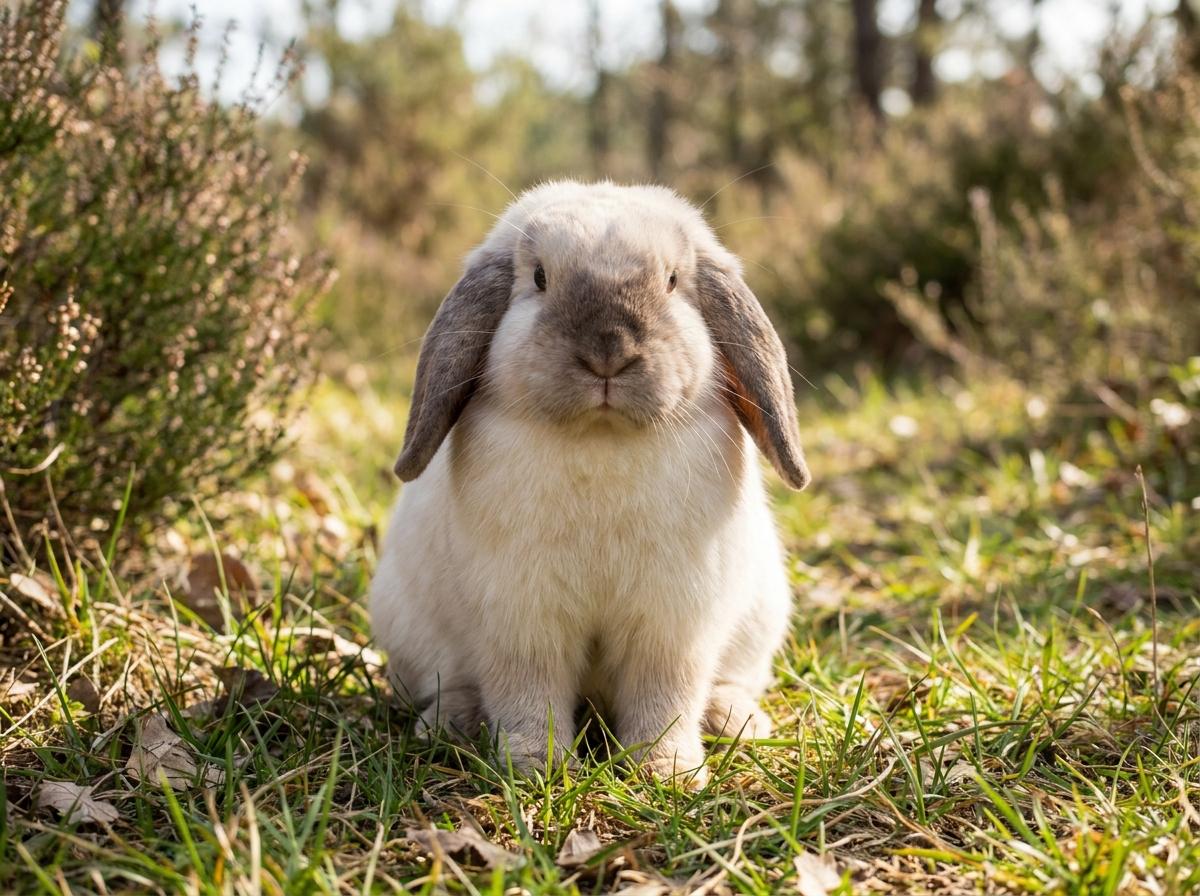
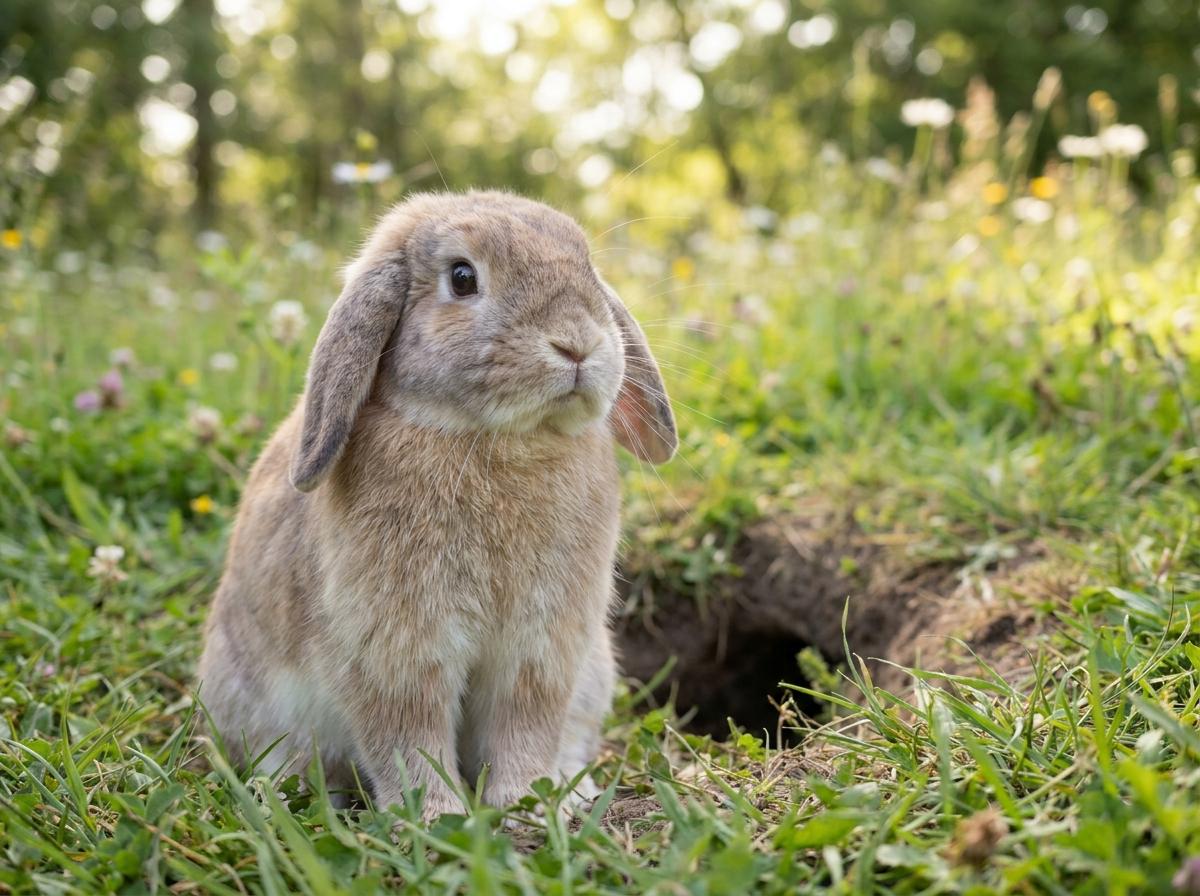
- French Lop. The other giant you will actually find in North American barns: a heavyset breed in the same double-digit weight class, instantly distinguishable by its lopped, hanging ears and massive, crowned head. Similar space and flooring needs, different silhouette entirely.
If you want the biggest widely available, fully ARBA-recognized breed with the deepest North American breeder network, the Flemish Giant is the default answer.
Frequently asked questions
How big do Flemish Giants get?
The ARBA standard requires at least 13 pounds for a senior buck and 14 for a senior doe and sets no maximum. Many adults mature between 15 and 20 pounds, and a stretched-out adult can measure roughly 2.5 feet or more.
Are Flemish Giants good pets?
For the right home, yes. They are calm, tolerant, and often genuinely affectionate. The catch is scale: they need room-sized space, solid soft flooring, large volumes of hay, and careful handling. They are not a good fit for a small cage, a small apartment without free-roam plans, or an owner expecting a low-effort pet.
Are Flemish Giants good for beginners?
A prepared beginner can succeed, but this is not the easy starter rabbit. Everything hard about rabbit care (space, flooring, lifting, vet access) is harder at 16 pounds. If it is your first rabbit, do the housing math honestly before you commit, not after.
How long do Flemish Giants live?
Commonly around 5 to 8 years. Giant breeds age faster than small ones, which often reach 8 to 12. Good diet, weight control, soft flooring, and regular veterinary care push toward the top of the range.
What colors do Flemish Giants come in?
ARBA recognizes seven: black, blue, fawn, light gray, sandy, steel gray, and white. Sandy and light gray are among the most common.
Do Flemish Giants need a special cage?
They need more than a cage. Plan on a large exercise pen, a room, or free-roam housing with solid, padded flooring. Wire floors and cramped hutches are the fast route to sore hocks in a rabbit this heavy.
Do this next on Creatures
Whether you are researching the breed, hunting for a well-bred kit, or already sharing your floor with one, Creatures is the records, marketplace, and directory layer to run it all in one place.
Find one. Browse Flemish Giant listings on the marketplace and search rabbitries in the Creatures breeder directory. New to the marketplace? See saving searches and using your watchlist.
Get alerted. Litters from good breeders go fast, so set a free Flemish Giant listing alert and we will tell you the moment one is posted. No account needed to start.
Add your rabbit. Already have a gentle giant? Create a free animal profile in a few minutes, no account needed to start. The walkthrough is in adding an animal to Creatures.
Track weight and health. Hock checks, weights, and vet visits are exactly the things worth writing down for a giant breed. Add a record on Creatures; the record sheet opens for any visitor to explore, and a free account saves what you enter. See adding a record and health and medical records for the how-to, and reminders and upcoming care to stay ahead of nail trims and checkups.
Breed or sell? Run a rabbitry? Create a free breeder profile (no account needed to start) so buyers searching for Flemish Giants can find you, and get listed alongside other trusted rabbitries in the directory.